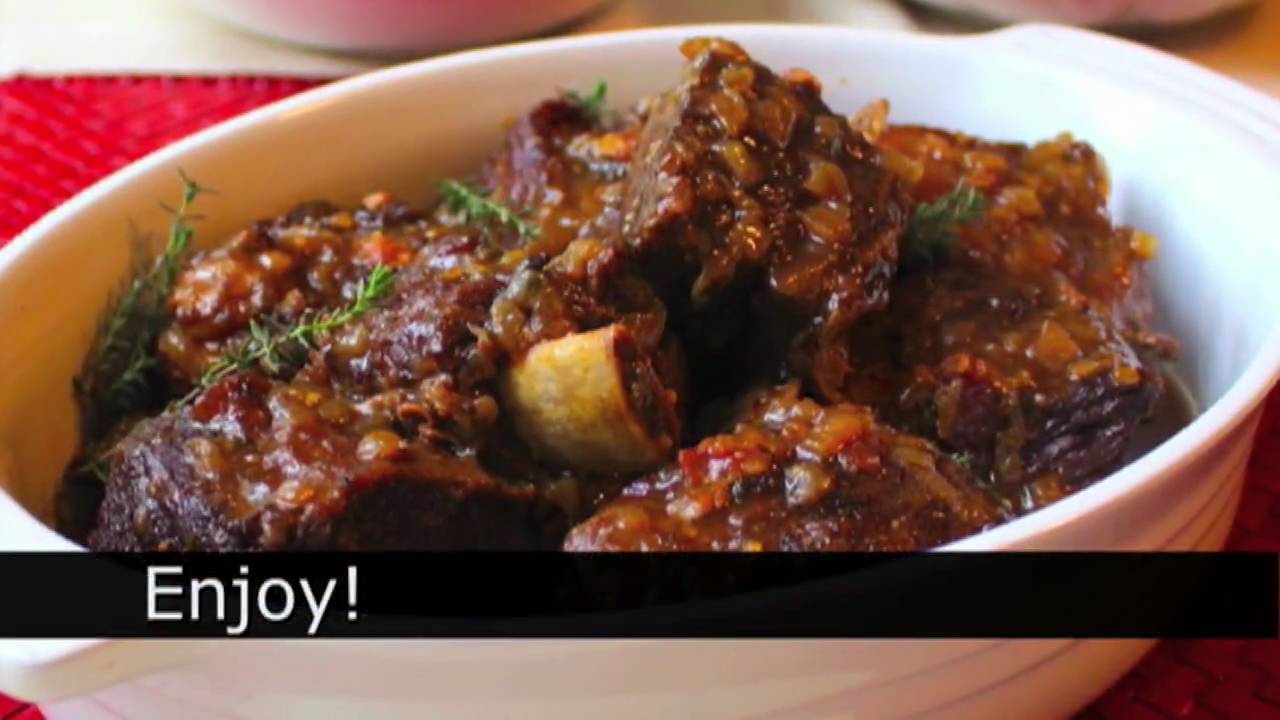
Braised Beef Ribs Recipe: Braised beef ribs are the definition of comfort food — rich, tender, and packed with deep, savory flavors that melt in your mouth. If you’ve ever enjoyed a slow-cooked meat dish that seemed impossibly tender, there’s a good chance it was braised. This cooking technique transforms a relatively tough cut of beef into a dish worthy of a fine dining experience, all while keeping the flavors rustic and hearty.
Braising is essentially a two-step cooking process: first, you sear the meat to develop flavor, then you slow-cook it in liquid until it becomes fall-off-the-bone tender. The magic lies in the long, slow cooking time, which allows collagen in the meat to break down into gelatin, creating that silky, luxurious texture.
What makes braised beef ribs stand out is their ability to absorb complex flavors from herbs, vegetables, and spices while still maintaining their bold, meaty taste. Whether served over creamy mashed potatoes, buttery polenta, or crusty bread, braised ribs bring a sense of warmth to the table. This is the kind of meal you want to make for Sunday dinner, special occasions, or any time you want to impress without spending all day stressing in the kitchen.
Why Braising is the Best Cooking Method for Ribs
Unlike grilling or roasting, which can sometimes leave ribs dry or chewy if not cooked just right, braising ensures the meat stays juicy and tender. The method uses both moist heat (from the liquid) and dry heat (from the initial sear) to extract maximum flavor. As the ribs cook slowly, the liquid infuses them with herbs, spices, and aromatics, while the meat releases its own juices into the sauce.
Another big advantage of braising is flexibility. You can do it in a Dutch oven on the stovetop, in the oven, or even in a slow cooker or pressure cooker. And the flavor combinations are endless: you can go classic with red wine and rosemary, Asian-inspired with soy sauce and ginger, or Mediterranean with olives and sun-dried tomatoes.
In short, braising isn’t just a cooking method — it’s a transformation process that turns a humble cut of meat into a showstopper.
The Unique Flavor Profile of Braised Beef Ribs
The taste of braised beef ribs is a harmony of richness, savoriness, and subtle sweetness. The searing step gives the meat a slightly smoky, caramelized outer crust, while the braising liquid adds layers of complexity. A good braising liquid might include a robust red wine, earthy vegetables like carrots and onions, fresh herbs like thyme and bay leaves, and perhaps a touch of acidity from tomatoes or vinegar to balance the richness.
When all these elements come together, you end up with a dish that has both depth and comfort — hearty enough to satisfy a big appetite, yet refined enough to serve at a dinner party. And let’s not forget the sauce: thick, glossy, and perfect for drizzling over everything on your plate.
Essential Ingredients for Braised Beef Ribs
The beauty of braised beef ribs lies in their simplicity — you don’t need dozens of exotic ingredients to make something spectacular. What matters most is quality. Choosing the right beef ribs, the freshest vegetables, and high-quality seasonings will make all the difference.
Choosing the Right Cut of Beef Ribs
When it comes to braising, not all beef ribs are created equal. You’ll typically find two main types at the butcher or grocery store:
- Short Ribs – These are the gold standard for braising. They come from the lower section of the rib cage, have a generous amount of marbling, and are meaty with a rich beefy flavor.
- Back Ribs – These have less meat and more bone, making them better suited for grilling than braising, but they can still work if that’s all you can find.
For the most tender, flavorful results, opt for bone-in beef short ribs. The bones add flavor to the braising liquid, and the marbled fat ensures the meat stays moist. Look for ribs with bright red meat and well-distributed marbling. Avoid ribs with too much surface fat, as this can make the final dish overly greasy.
Fresh Herbs, Spices, and Flavor Enhancers
While beef ribs are the star, the supporting cast of herbs, spices, and aromatics elevates them to restaurant quality. Some essentials include:
- Fresh herbs: Thyme, rosemary, and bay leaves
- Aromatics: Garlic, onions, leeks, and carrots
- Seasonings: Sea salt, freshly ground black pepper, paprika
- Liquids: A good dry red wine, beef stock, or a mix of both
- Extras: Tomato paste for richness, balsamic vinegar for brightness
These ingredients don’t just season the meat — they infuse the braising liquid with depth, making the sauce as irresistible as the ribs themselves.
Kitchen Tools and Equipment You’ll Need
Braising is a low-maintenance cooking method, but the right tools make the job easier and ensure better results.
Must-Have Cookware for Braising
- Dutch Oven – The heavyweight champion of braising. Its thick walls and tight-fitting lid ensure even cooking and moisture retention.
- Heavy-Bottomed Pot – If you don’t have a Dutch oven, any large, heavy-bottomed pot with a lid will work.
- Cast Iron Skillet – Perfect for searing the ribs before braising.
Optional Tools for a Better Cooking Experience
- Tongs – For flipping the ribs without piercing them and losing juices.
- Fine Mesh Strainer – To strain the sauce for a smoother texture.
- Instant-Read Thermometer – Helps check doneness without overcooking.
With the right tools, you’ll not only make the process easier but also elevate the final presentation.
Prepping the Beef Ribs
Before you even turn on the stove, proper preparation will make your braised beef ribs exceptional.
Cleaning and Trimming the Ribs
Start by rinsing the ribs under cold water to remove any bone fragments. Pat them dry thoroughly with paper towels — this step is crucial for a good sear. Trim any large pieces of excess fat, but don’t remove all of it; a little fat is key to flavor and moisture.
Marinating for Maximum Flavor
While braising will infuse plenty of flavor, marinating the ribs overnight can take things to another level. A simple marinade might include olive oil, garlic, fresh herbs, salt, pepper, and a splash of red wine. Place the ribs in a resealable plastic bag or covered container, ensuring they’re well coated, and refrigerate for at least 8 hours. This not only deepens the flavor but also tenderizes the meat.
Step-by-Step Braised Beef Ribs Recipe
Making braised beef ribs is a process that rewards patience. This isn’t a quick weeknight dinner — it’s a slow, savory ritual that fills your home with irresistible aromas. The beauty is that while the cooking time is long, most of it is hands-off, giving you plenty of time to prepare sides, relax, or enjoy a glass of wine.
Searing the Ribs to Lock in Juices
Searing is the non-negotiable first step for mouthwatering braised beef ribs. Why? Because it creates the Maillard reaction — a fancy term for the browning that happens when proteins and sugars in the meat caramelize under high heat. This browning adds layers of flavor that you simply can’t get from slow cooking alone.
How to Sear Properly:
- Heat a tablespoon or two of oil in a Dutch oven or heavy pot over medium-high heat.
- Work in batches to avoid overcrowding — if you cram them all in at once, they’ll steam instead of sear.
- Place the ribs meat-side down and let them sizzle undisturbed for 3–4 minutes per side until deep brown.
- Remove the seared ribs and set them aside on a plate.
Don’t toss out the browned bits at the bottom of the pot — they’re pure gold. These will dissolve into your braising liquid, making it richer and more complex.
Building the Braising Liquid
The braising liquid is the soul of this dish. It’s what infuses the meat with flavor and transforms into a luscious sauce. The key is balancing richness with acidity so the flavors don’t become too heavy.
Steps for Building Flavor:
- In the same pot you used to sear the ribs, add chopped onions, carrots, and celery (known as mirepoix). Sauté until softened.
- Stir in minced garlic and tomato paste, cooking for about 1–2 minutes to deepen the flavors.
- Deglaze the pot with a cup of red wine, scraping up all those flavorful browned bits.
- Add beef broth, fresh herbs (thyme, rosemary, bay leaves), and a splash of balsamic vinegar or Worcestershire sauce for brightness.
Your pot should now be brimming with a liquid that smells good enough to eat as is — but trust me, it’s about to get even better once the ribs go back in.
Slow-Cooking to Perfection
Once the ribs are nestled back in the pot and the liquid is at a gentle simmer, the magic begins. Slow cooking is what turns these tough cuts into melt-in-your-mouth masterpieces.
Cooking Methods:
- Oven: Preheat to 325°F (163°C) and let the pot braise for 2.5–3 hours.
- Stovetop: Keep at a low simmer for 2.5–3 hours, checking occasionally to ensure the liquid hasn’t reduced too much.
- Slow Cooker: Transfer everything to the slow cooker and cook on low for 6–8 hours.
When done, the meat should pull away from the bone effortlessly, and the sauce will be rich and glossy. If the sauce feels too thin, remove the ribs and reduce the liquid over medium heat until it thickens to your liking.
Perfect Side Dishes for Braised Beef Ribs
Braised beef ribs are indulgent and rich, so they pair best with sides that balance their intensity. You’ll want something that can soak up that glorious sauce and complement the deep flavors without overpowering them.
Classic Mashed Potatoes
Mashed potatoes are a no-brainer here. Their creamy, buttery texture is the perfect contrast to the rich, savory ribs.
Tips for the Best Mashed Potatoes:
- Use starchy potatoes like Russets or Yukon Golds.
- Boil until tender, then mash with warm cream and melted butter.
- Season generously with salt and pepper.
When you pour that braising sauce over the mashed potatoes, you’ll understand why this pairing is a timeless classic.
Roasted Vegetables and Greens
Roasted root vegetables like carrots, parsnips, and Brussels sprouts add earthy sweetness that complements the beef beautifully. Meanwhile, sautéed greens like kale or spinach bring a fresh, slightly bitter note that cuts through the richness.
For a well-rounded plate, consider serving:
- Roasted carrots glazed with honey and thyme
- Garlic butter green beans
- Herb-infused roasted potatoes (for the carb lovers who can’t get enough)
These sides not only make the plate look colorful and inviting but also balance out the richness of the ribs.
Tips for the Best Braised Beef Ribs
Even though braising is a forgiving method, a few smart techniques can take your ribs from great to unforgettable.
Common Mistakes to Avoid
- Skipping the Sear – Without it, you lose that depth of flavor.
- Using Too Little Liquid – The meat needs to be partially submerged for even cooking.
- Overcrowding the Pot – Leads to steaming instead of browning.
- Cooking Too Hot – Low and slow wins the game here.
Professional Chef Secrets
- Rest the Ribs Before Serving: Letting them sit for 10–15 minutes after cooking helps redistribute juices.
- Make Ahead for Deeper Flavor: Braised dishes often taste even better the next day. Store them in the fridge overnight and reheat gently.
- Strain and Reduce the Sauce: This creates a velvety, restaurant-quality finish.
With these tips, you’ll consistently turn out tender, flavorful ribs that impress every time.
Variations of Braised Beef Ribs
One of the best things about braised beef ribs is how versatile they are. By swapping out just a few ingredients, you can completely change the flavor profile and give your dinner table a whole new personality. Whether you’re craving bold, spicy notes or fresh, herbaceous flavors, there’s a braised rib variation for you.
Asian-Style Braised Ribs
For an Asian-inspired twist, replace the traditional red wine base with soy sauce, rice wine (or sake), and beef broth. Add aromatics like fresh ginger, garlic, star anise, and a touch of brown sugar or honey for sweetness.
Steps for Asian-Style Ribs:
- Sear the ribs as usual.
- Sauté onions, garlic, and ginger in sesame oil.
- Deglaze with rice wine and soy sauce.
- Add beef broth, star anise, and a cinnamon stick.
- Braise slowly until tender, then garnish with green onions and sesame seeds.
The result? Fall-off-the-bone ribs with a savory-sweet glaze that pairs beautifully with steamed jasmine rice or stir-fried vegetables.
Mediterranean Herb-Infused Ribs
Mediterranean braised ribs are light yet flavorful, perfect for summer evenings when you still want something hearty but not overly heavy. Instead of red wine, use a combination of white wine and chicken stock, along with sun-dried tomatoes, olives, and fresh oregano.
Mediterranean Flavor Boosters:
- Lemon zest for brightness
- Fresh parsley for freshness
- A drizzle of extra virgin olive oil before serving
These ribs work wonderfully with couscous, roasted zucchini, or a crisp Greek salad on the side.
Storing and Reheating Braised Beef Ribs
If you’ve made a big batch (which you should — they taste even better the next day), proper storage ensures your ribs stay moist and flavorful.
Refrigeration and Freezing Tips
- Refrigeration: Store cooled ribs in an airtight container with the braising liquid for up to 4 days. The sauce helps keep the meat juicy.
- Freezing: Freeze ribs in portions, submerged in sauce, for up to 3 months. Thaw in the refrigerator overnight before reheating.
Keeping the sauce with the meat during storage is the number one trick to avoiding dry reheated ribs.
Best Methods for Reheating Without Drying Out
- Oven Method: Preheat to 300°F (150°C), place ribs in a covered baking dish with sauce, and heat for 20–30 minutes.
- Stovetop Method: Simmer ribs gently in their sauce over low heat until warmed through.
- Microwave Method: Not ideal for texture, but if you must, heat ribs in a covered microwave-safe dish with sauce, using short intervals.
Low and slow is the rule here, even when reheating.
Health Benefits and Nutritional Value
While braised beef ribs are undeniably indulgent, they also offer nutritional perks — especially if you’re mindful of portion size and preparation.
Protein and Essential Nutrients
Beef ribs are an excellent source of high-quality protein, essential for muscle growth and repair. They also provide:
- Iron: Supports healthy red blood cells.
- Zinc: Boosts immune function.
- B Vitamins: Including B12 for energy and brain health.
The vegetables in your braising liquid also contribute antioxidants, fiber, and micronutrients.
Making a Healthier Version
If you want a lighter version without sacrificing flavor:
- Use leaner short ribs or trim visible fat before cooking.
- Opt for low-sodium beef broth to control salt intake.
- Increase the vegetable ratio for added fiber and vitamins.
- Skim excess fat from the sauce before serving (easiest when chilled).
These small tweaks make the dish more balanced while keeping it delicious.
Serving Suggestions and Plating Ideas
Presentation matters — even a rustic dish like braised beef ribs can look stunning with the right plating.
Rustic Family-Style Serving
Serve the ribs directly from the Dutch oven or in a large serving platter, with mashed potatoes or crusty bread on the side. Let everyone dig in and help themselves — this style is warm, inviting, and perfect for casual gatherings.
Elegant Restaurant-Style Plating
For a refined presentation:
- Arrange two ribs neatly on a plate.
- Spoon the sauce artfully around (not over) the meat.
- Add a small portion of creamy mash or polenta beside it.
- Garnish with a fresh sprig of rosemary or parsley.
A drizzle of extra sauce at the table will make guests feel pampered.
Pairing Braised Beef Ribs with Drinks
The deep, savory nature of braised beef ribs calls for beverages that complement — not compete with — their richness.
Best Red Wines for Braised Beef
- Cabernet Sauvignon: Bold enough to stand up to the beef.
- Merlot: Smooth and slightly fruity for balance.
- Syrah/Shiraz: Peppery and rich, pairing beautifully with braised dishes.
Non-Alcoholic Pairings
- Sparkling Water with Lemon: Refreshing and palate-cleansing.
- Cranberry Spritzer: Tartness cuts through the richness.
- Ginger Beer: Spicy-sweet notes add interest.
Troubleshooting Common Issues
Even with a forgiving dish like braised beef ribs, things can occasionally go wrong. Here’s how to fix them.
What to Do if the Ribs are Too Tough
Tough ribs usually mean they haven’t cooked long enough. Simply continue cooking them at low heat until the collagen breaks down and the meat becomes tender.
Fixing a Watery Sauce
If your sauce is too thin, remove the ribs and simmer the liquid uncovered until it reduces and thickens. For a silkier texture, whisk in a small knob of butter before serving.
FAQs Braised Beef Ribs Recipe
1. Can I Make Braised Beef Ribs in a Slow Cooker?
Yes, slow cooking works beautifully. Just sear the ribs first for flavor, then cook on low for 6–8 hours.
2. Can I Use Boneless Ribs for This Recipe?
You can, but bone-in ribs add more flavor to the sauce and keep the meat juicier.
3. How Long Should I Braise Beef Ribs?
Generally, 2.5–3 hours in the oven or 6–8 hours in a slow cooker.
4. What’s the Best Temperature for Braising?
A gentle heat of 300–325°F (150–163°C) is ideal for breaking down tough connective tissue without drying out the meat.
5. Can I Prepare Braised Beef Ribs Ahead of Time?
Absolutely — they often taste better the next day after the flavors have developed.
Conclusion
Braised beef ribs are more than just a recipe — they’re an experience. From the slow, satisfying sear to the rich aroma that fills your kitchen, every step is part of the joy. With the right ingredients, a bit of patience, and the tips we’ve covered, you can create a dish that’s both comforting and impressive. Whether you stick with the classic version or explore exciting variations, braised beef ribs will always deliver deep, soulful flavor.