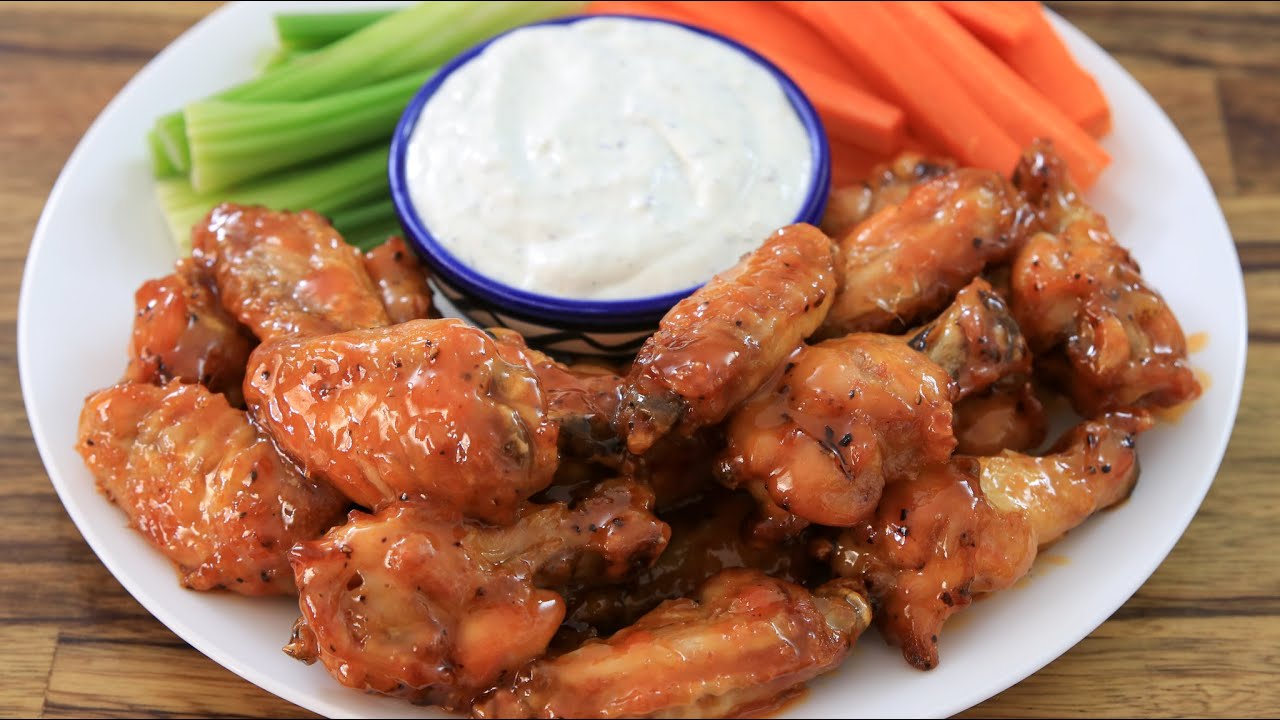
Boneless Chicken Wings Recipe: Boneless chicken wings are one of those comfort foods that bring smiles to just about everyone. They’re crispy on the outside, juicy on the inside, and come coated in mouthwatering sauces that range from tangy buffalo to sweet honey BBQ. The beauty of boneless wings is that they offer all the flavor of traditional chicken wings without the hassle of bones. You can eat them with a fork, pop them straight into your mouth, or even use them as a sandwich filling.
In recent years, boneless chicken wings have become a favorite at game nights, parties, and casual dinners. Their popularity can be credited to their versatility—you can adjust the heat, play with different sauces, or even skip the sauce entirely and serve them with a variety of dips. This flexibility means they cater to everyone’s taste buds, from spice lovers to those who prefer milder flavors.
Boneless wings are also a great gateway dish for picky eaters who might shy away from bone-in wings. Since they’re essentially chunks of tender chicken breast or thigh meat, breaded and fried or baked, they appeal to both kids and adults. You don’t even have to be a master chef to make them; with the right recipe, they’re easy to whip up in under an hour.
In this guide, we’ll go step-by-step—from preparing the chicken to cooking and saucing—so that you can create restaurant-quality boneless chicken wings right at home.
What Are Boneless Chicken Wings?
Despite their name, boneless chicken wings aren’t actually wings at all. They’re typically made from chicken breast or thigh meat, cut into bite-sized pieces, breaded, and fried. The “wing” part refers to the flavor profiles they’re usually served with, such as buffalo, BBQ, or garlic parmesan—flavors traditionally associated with bone-in wings.
The absence of bones means these wings are easier to eat and less messy. This makes them perfect for gatherings where people want to snack while chatting or watching a game. They also tend to be meatier than traditional wings, offering a more filling bite.
Some restaurants also bake or air fry them to reduce the fat content, making them slightly healthier than deep-fried versions. Whether you like them spicy, sweet, tangy, or savory, boneless chicken wings provide the perfect blank canvas for any sauce or seasoning you can imagine.
Why People Love Boneless Wings
The love for boneless chicken wings boils down to three main factors: convenience, versatility, and taste.
- Convenience – With no bones to work around, boneless wings are quick to eat and less messy.
- Versatility – From fiery buffalo to sweet teriyaki, the flavor possibilities are endless.
- Taste & Texture – The crispy breading combined with tender chicken creates the ultimate bite.
There’s also a psychological aspect: boneless wings feel less intimidating than traditional wings, making them a favorite for first-timers or people who don’t like eating meat off the bone.
Ingredients Needed for Boneless Chicken Wings
Getting the ingredients right is crucial for achieving that restaurant-style flavor and texture. Think of this section as your shopping list for success.
Main Ingredients for the Chicken
For the best results, use boneless, skinless chicken breast or chicken thighs. Breasts offer a leaner bite, while thighs give you juicier meat thanks to their higher fat content.
You’ll need:
- 1.5 pounds boneless, skinless chicken breast or thighs
- 1 teaspoon salt
- 1 teaspoon black pepper
- 1 teaspoon garlic powder
These seasonings ensure your chicken is flavorful from the inside out before you even bread it.
Ingredients for the Breading
The breading is where the magic happens—it’s what gives you that irresistible crunch.
You’ll need:
- 1 cup all-purpose flour
- 1 cup cornstarch (for extra crispiness)
- 1 teaspoon paprika
- 1 teaspoon onion powder
- 1 teaspoon baking powder (helps with crunch)
- 2 large eggs (for dredging)
- ½ cup milk
Cornstarch is the secret weapon here; it absorbs less oil and keeps the coating light yet crispy.
Ingredients for the Sauce
Your sauce is where you get to personalize your wings. Here’s a basic buffalo sauce as an example:
You’ll need:
- ½ cup hot sauce (like Frank’s RedHot)
- ½ cup unsalted butter
- 1 tablespoon honey (optional for sweetness)
Of course, you can swap this out for BBQ, garlic parmesan, or any sauce you love.
Essential Tools and Equipment
To nail this recipe, you don’t need a professional kitchen, but a few essential tools will make your life much easier.
Kitchen Tools You’ll Need
- Cutting board and sharp knife
- Mixing bowls (for chicken, breading, and sauce)
- Whisk (for eggs and sauce)
- Tongs (for flipping and tossing wings)
- Slotted spoon (if deep frying)
Choosing the Right Frying Method
You can deep fry, pan fry, air fry, or bake your boneless wings. Each method has its pros and cons:
- Deep frying – Ultimate crispiness but higher in calories
- Air frying – Healthier, still crispy, but slightly different texture
- Baking – Lower fat, but takes longer and may be less crunchy
Preparing the Chicken
This is where we set the foundation for great wings. Proper prep ensures even cooking and maximum flavor.
How to Choose the Best Chicken Cuts
If you like lean and tender, go for chicken breast. If you want extra juiciness, chicken thighs are the way to go. Always choose fresh, not frozen, for the best texture.
Cutting Chicken into Wing-Sized Pieces
Cut your chicken into roughly 1-inch cubes. This size ensures they cook evenly and are easy to eat in one bite.
Marinating for Maximum Flavor
A quick marinade with salt, pepper, garlic powder, and a splash of milk or buttermilk helps tenderize the meat and infuse flavor before breading.
Making the Perfect Breading
The breading step is where your wings get their signature crunch.
Classic Breading Technique
- Dredge chicken pieces in seasoned flour.
- Dip into egg mixture.
- Coat again in flour and cornstarch blend.
Tips for Extra Crispy Boneless Wings
- Double-dip your breading for more crunch.
- Let breaded chicken rest for 10 minutes before frying.
- Use cornstarch in the coating for a lighter, crisper texture.
Cooking Methods for Boneless Wings
Cooking your boneless chicken wings is where all the preparation comes together. The method you choose will determine the final texture, flavor, and even the calorie count of your dish. While deep frying is the traditional go-to for that restaurant-style crunch, other methods like air frying and baking have their own perks, especially if you’re looking for healthier alternatives without sacrificing too much taste.
Deep Frying Method
If you want the most authentic, crispy, and indulgent boneless wings, deep frying is the way to go. The hot oil cooks the chicken quickly, sealing in the juices while giving the outside that golden, crunchy shell everyone loves.
Step-by-Step for Deep Frying:
- Pour enough oil into a heavy-bottomed pot or deep fryer so it’s deep enough to fully submerge the chicken pieces.
- Heat the oil to 350°F (175°C). Use a kitchen thermometer for accuracy—oil that’s too hot will burn the breading, while oil that’s too cool will make the wings greasy.
- Carefully drop in the breaded chicken pieces in small batches. Overcrowding will lower the oil temperature and result in soggy wings.
- Fry for 4–6 minutes, or until golden brown and cooked through (internal temperature should reach 165°F / 74°C).
- Use a slotted spoon to transfer wings to a paper towel-lined plate to drain excess oil.
Pro Tip: For extra crispy wings, do a double fry—fry once until lightly golden, let them rest for a few minutes, then fry again for a minute or two.
Air Fryer Method
Air frying is the modern, healthier alternative that still delivers a satisfying crunch. Instead of immersing the chicken in oil, hot air circulates around it, crisping the coating with minimal fat.
Step-by-Step for Air Frying:
- Preheat the air fryer to 400°F (200°C).
- Lightly spray the breaded chicken pieces with cooking oil to help them crisp.
- Arrange the chicken in a single layer inside the air fryer basket, leaving space between each piece for airflow.
- Cook for 8–10 minutes, flipping halfway through.
- Check doneness with a meat thermometer—internal temperature should be 165°F (74°C).
Pro Tip: Air fryers can dry out chicken breasts quickly, so you might want to use chicken thighs for juicier results.
Baking Method
Baking is the slowest method but great if you want to make a large batch without standing over hot oil. While baked wings aren’t as crispy as fried ones, you can get close by using a wire rack to allow heat to circulate around the chicken.
Step-by-Step for Baking:
- Preheat the oven to 425°F (220°C).
- Line a baking sheet with parchment paper and place a wire rack on top.
- Arrange the breaded chicken pieces on the rack in a single layer.
- Lightly spray with cooking oil for extra crispiness.
- Bake for 15–20 minutes, flipping halfway through, until golden brown and fully cooked.
Pro Tip: If you want to mimic fried wings, turn on the broiler for the last 2–3 minutes to get that extra crunch.
Making the Wing Sauce
The sauce is what transforms your boneless chicken wings from “just fried chicken bites” into the flavor-packed appetizer we all know and love. There’s no one-size-fits-all sauce—this is where you can really customize to your taste.
Classic Buffalo Sauce Recipe
Buffalo sauce is the iconic wing sauce—tangy, spicy, and buttery.
Ingredients:
- ½ cup hot sauce (Frank’s RedHot is the classic choice)
- ½ cup unsalted butter
- 1 tablespoon honey (optional)
Instructions:
- Melt butter in a saucepan over low heat.
- Stir in hot sauce and honey until smooth.
- Simmer gently for 2–3 minutes, then remove from heat.
Pro Tip: For a thicker sauce that clings better, whisk in a teaspoon of cornstarch mixed with water.
Honey BBQ Sauce Recipe
For those who like things sweet and smoky, honey BBQ sauce is a crowd-pleaser.
Ingredients:
- 1 cup BBQ sauce
- ¼ cup honey
- 1 tablespoon apple cider vinegar
Instructions:
- Combine all ingredients in a saucepan.
- Simmer on low heat for 5–7 minutes, stirring occasionally.
- Adjust sweetness or tanginess to taste.
Pro Tip: Use smoked paprika in your BBQ sauce for an extra layer of flavor.
Garlic Parmesan Sauce Recipe
Garlic parmesan is a rich, savory option that pairs beautifully with crispy wings.
Ingredients:
- 4 tablespoons butter
- 2 cloves garlic, minced
- ¼ cup grated parmesan cheese
- 1 tablespoon chopped parsley
Instructions:
- Melt butter in a saucepan over low heat.
- Add garlic and sauté until fragrant (about 1 minute).
- Remove from heat and stir in parmesan and parsley.
Pro Tip: Add a splash of cream for a creamier sauce that coats the wings more evenly.
Coating the Boneless Wings
Once your chicken is cooked and your sauce is ready, it’s time to bring them together. The key to perfectly coated wings is timing—coat them while they’re still hot so the sauce sticks better.
Tossing for Even Flavor
- Place the hot chicken wings into a large mixing bowl.
- Pour the sauce over the top.
- Toss gently with tongs or a spatula until every piece is coated.
Pro Tip: Don’t overcrowd when tossing; work in batches if needed. This ensures even coverage.
How to Keep Wings Crispy After Saucing
If you want to avoid soggy wings, consider saucing them right before serving. Alternatively, serve the sauce on the side for dipping—this keeps the breading crisp while still letting people enjoy the flavor.
Another trick is to give the wings a quick blast in the oven (about 5 minutes at 425°F) after saucing to “set” the coating without losing crunch.
Serving Suggestions
Boneless chicken wings are incredibly versatile when it comes to serving. Whether you’re hosting a game-day gathering, a casual dinner, or just treating yourself, the right sides and presentation can elevate your dish from “tasty” to “memorable.”
Side Dishes That Pair Perfectly
When thinking about sides, balance is key. Since boneless wings are rich and flavorful, you’ll want accompaniments that either complement or contrast their taste and texture.
Classic Pairings:
- French Fries or Sweet Potato Fries – Crispy and salty, they’re the ultimate wing companion.
- Celery and Carrot Sticks – Refreshing and crunchy, these are perfect for balancing spicy sauces like buffalo.
- Coleslaw – Creamy slaw can cool the palate and add a tangy bite.
- Mac and Cheese – A comfort food powerhouse when paired with wings.
Lighter Alternatives:
- Garden Salad – Fresh greens with a light vinaigrette can cleanse the palate.
- Roasted Vegetables – Adds color and nutrients to your plate.
Pro Tip: If you’re serving multiple sauces, arrange the wings in separate sections on a large platter, each with its own dipping sauce or garnish for identification.
Presentation Tips for Guests
A visually appealing spread makes the meal feel special.
- Use a Large Wooden Board or Tray – Lay wings in rows or circles with sauces in small ramekins.
- Garnish Thoughtfully – Sprinkle with chopped parsley, green onions, or sesame seeds depending on the sauce flavor.
- Serve with Plenty of Napkins – Even boneless wings can get messy.
- Add Labels for Sauces – Guests will appreciate knowing which is spicy and which is mild.
Pro Tip: Warm plates help keep the wings hot for longer—simply place them in a low oven before serving.
Storing and Reheating Boneless Wings
The beauty of boneless wings is that they store and reheat well, meaning you can make them ahead or enjoy leftovers the next day without losing too much of their appeal.
Best Storage Practices
- Allow wings to cool completely before storing—placing hot wings in a container traps steam and makes them soggy.
- Store in an airtight container in the refrigerator for up to 3–4 days.
- For longer storage, freeze in a single layer on a baking sheet, then transfer to a freezer bag—this keeps them from sticking together.
Pro Tip: If you’re freezing already sauced wings, wrap them in parchment paper before sealing to prevent clumping.
Reheating Without Losing Crispiness
The goal is to bring back the crisp exterior without overcooking the meat.
Best Methods:
- Oven – Preheat to 375°F (190°C), place wings on a wire rack over a baking sheet, and heat for 8–10 minutes.
- Air Fryer – Set to 350°F (175°C) and heat for 5–6 minutes, shaking halfway through.
- Skillet – Heat over medium with a little oil, turning wings until warmed through and crispy.
Avoid:
- Microwave – While quick, it makes breading soggy and rubbery.
Pro Tip: If reheating sauced wings, cover them loosely with foil in the oven to keep the sauce from burning while the wings heat up.
Common Mistakes to Avoid
Even with a straightforward recipe, a few missteps can make or break your boneless chicken wings. Avoid these pitfalls to guarantee success every time.
Overcrowding the Pan
Whether frying or baking, cramming too many wings into your cooking space lowers the temperature and traps steam. This results in soggy breading instead of crispy perfection. Always cook in small batches to maintain heat consistency.
Using Cold Oil
If your oil isn’t hot enough before you add the chicken, the breading will absorb excess oil and turn greasy. Invest in a kitchen thermometer and wait until the oil reaches 350°F (175°C) before frying.
Skipping the Rest After Breading
Letting the breaded chicken rest for 5–10 minutes before cooking helps the coating adhere better, reducing the risk of it falling off during frying or baking.
Not Seasoning the Chicken Itself
Breading and sauces are great, but seasoning the chicken before breading ensures every bite is flavorful—even if some breading comes off.
Healthier Alternatives for Boneless Wings
Not all boneless wings need to be deep-fried and drenched in butter. There are ways to make them lighter without sacrificing too much taste or texture.
Low-Calorie Options
- Air Frying – Cuts down on oil but keeps a satisfying crunch.
- Baking – When paired with a wire rack and light oil spray, you can achieve a near-fried texture.
- Using Lean Cuts – Chicken breast instead of thighs lowers the fat content.
Pro Tip: Swap traditional buffalo sauce (loaded with butter) for a hot sauce mixed with Greek yogurt—it’s tangy, creamy, and much lighter.
Gluten-Free Breadings
If you’re avoiding gluten, you can replace flour with alternatives like:
- Rice flour (light and crispy)
- Almond flour (nutty and flavorful)
- Gluten-free panko breadcrumbs
Using cornstarch in place of flour entirely can also give you a super light, crunchy coating that’s naturally gluten-free.
Tips from Professional Chefs
Even though boneless chicken wings are a casual dish, professional chefs have plenty of wisdom to make them restaurant-worthy. By applying a few tricks from the pros, you can take your homemade wings to the next level.
Flavor Enhancements
- Layer Your Seasoning – Don’t rely solely on the sauce for flavor. Season the chicken before breading, season the breading itself, and finish with a light sprinkle of salt after frying. This triple-layer approach ensures every bite is seasoned to perfection.
- Mix Sauces for Complexity – Try blending two sauces together, like buffalo and honey BBQ, for a sweet-and-spicy kick.
- Add Fresh Herbs – A sprinkle of chopped parsley, cilantro, or chives right before serving adds freshness and visual appeal.
- Citrus Brightness – A quick squeeze of lemon or lime over the wings just before serving can cut through the richness and wake up the flavors.
Pro Tip: Always taste your sauce before coating the wings—it’s easier to adjust flavor before they’re tossed.
Cooking Hacks for Busy People
- Prep Ahead – Cut and season your chicken the night before, so all you need to do is bread and cook.
- Double Batch and Freeze – Make extra breaded chicken pieces and freeze them. When you’re ready to eat, just fry or air fry straight from frozen.
- Use Store-Bought Sauces – There’s no shame in using high-quality bottled sauces when you’re short on time. Just heat them before tossing with wings.
- One-Pan Cleanup – For baking, use parchment paper under your wire rack to catch drips and make cleanup easier.
FAQs about Boneless Chicken Wings Recipe
1. Are boneless chicken wings healthier than traditional wings?
Boneless wings can be slightly healthier because they’re made from lean chicken breast, but it depends on the cooking method. Air frying or baking will make them lighter than deep frying.
2. Can I make boneless wings without eggs in the breading?
Yes! You can use milk, buttermilk, or even a cornstarch-water slurry to help the breading stick.
3. How do I keep boneless wings from getting soggy?
Don’t overcrowd the pan while cooking, and if you’re saucing them, do it right before serving. You can also re-crisp them in the oven for a few minutes after saucing.
4. What’s the best oil for frying boneless chicken wings?
Neutral oils with high smoke points like canola, vegetable, or peanut oil are best for frying.
5. Can I make boneless chicken wings ahead of time?
Yes—bread and fry them ahead, then store in the fridge or freezer. Reheat in the oven or air fryer until crispy before serving.
Conclusion
Boneless chicken wings are the perfect blend of comfort, convenience, and flavor. With the right preparation, breading technique, and cooking method, you can create wings that rival your favorite restaurant’s version. From classic buffalo to garlic parmesan, there’s a sauce for every taste preference—and endless opportunities to customize the dish to your liking.
By avoiding common mistakes, experimenting with healthier alternatives, and applying a few chef-inspired tips, you can enjoy crispy, juicy, and flavorful boneless wings any time you want. Whether you’re cooking for a crowd, a family dinner, or just yourself, this step-by-step guide ensures that your wings turn out perfectly every single time.