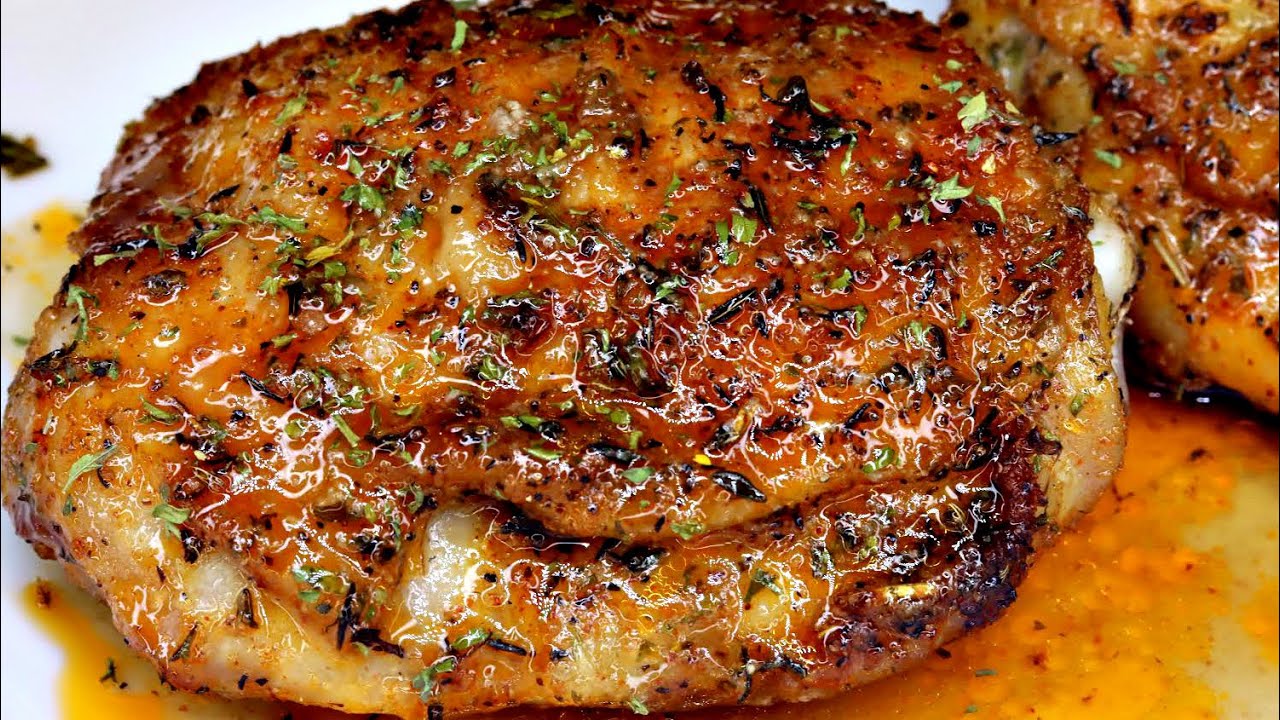
Boneless Chicken Thigh Recipe: Boneless chicken thighs are a staple in many kitchens for a reason. They’re juicy, flavorful, versatile, and incredibly forgiving when cooked.
Whether you’re a beginner in the kitchen or a seasoned home chef, this recipe will guide you through creating mouthwatering chicken thighs that will impress anyone at the table.
This guide covers everything—from selecting the right cut to preparing, cooking, and serving with perfection. Think of it as your one-stop handbook for mastering boneless chicken thighs.
Introduction to Boneless Chicken Thighs
Boneless chicken thighs come from the upper part of the chicken leg, with the bone removed. Unlike chicken breasts, which can dry out quickly, thighs have more fat and connective tissue, making them tender and juicy even if slightly overcooked. Their flavor profile is richer and more savory, which is why many chefs prefer them for flavorful dishes.
Why Choose Boneless Chicken Thighs Over Other Cuts
If chicken cuts were in a popularity contest, thighs would win for their versatility and taste. Boneless thighs cook faster than bone-in pieces, making them perfect for quick dinners. They’re also easier to slice and incorporate into different dishes, from stir-fries to curries.
While chicken breasts are leaner, they lack the forgiving nature of thighs—overcook a breast, and you’re left with dry, stringy meat. Thighs, on the other hand, stay moist, making them ideal for novice cooks who are still mastering temperature control.
Flavor and Texture Advantages
The fat content in chicken thighs is higher than in breasts, which translates to more flavor. This richness makes them perfect for marinades and sauces, as they absorb seasoning beautifully without losing their succulence. The texture is tender and juicy, offering a satisfying bite that works in everything from casual weekday meals to gourmet dinner plates.
Nutritional Value of Boneless Chicken Thighs
While chicken thighs are slightly higher in fat than breasts, they are still a healthy source of protein when prepared correctly. A 3-ounce serving of skinless boneless chicken thigh contains roughly:
- Calories: ~180
- Protein: ~21g
- Fat: ~9g
- Carbs: 0g
Calories, Protein, and Fat Content
The calorie content in chicken thighs can vary depending on whether the skin is on or off. Removing the skin significantly reduces fat while still keeping the meat juicy. For athletes and those on a protein-focused diet, chicken thighs provide a balanced combination of protein and healthy fats.
Health Benefits and Considerations
Chicken thighs are rich in essential nutrients like iron, zinc, and B vitamins. Iron supports oxygen transport in the blood, zinc strengthens immunity, and B vitamins boost energy metabolism. However, because they have more fat, those on low-fat diets might opt for skinless versions or lighter cooking methods like baking or air frying.
Choosing the Right Boneless Chicken Thighs
Great recipes start with great ingredients. Picking the right chicken thighs can make the difference between a bland dish and one bursting with flavor.
Fresh vs. Frozen – Which is Better?
- Fresh: Offers the best flavor and texture, ideal for quick cooking.
- Frozen: Convenient for long-term storage, but thaw them properly to avoid waterlogged meat.
Fresh chicken should have a clean smell, pinkish flesh, and no slimy texture. Frozen thighs are fine as long as they’re sealed well and free from freezer burn.
How to Identify Fresh, High-Quality Chicken
Look for chicken from trusted sources—organic or pasture-raised if possible. The packaging should be intact, with no excess liquid pooling at the bottom. High-quality chicken should not have a strong odor, and the flesh should spring back when pressed.
Essential Ingredients for the Perfect Recipe
Before you start cooking, gather your ingredients. Preparation is half the battle in creating a smooth cooking process.
Core Ingredients You’ll Need
- Boneless chicken thighs (skinless or skin-on)
- Olive oil or another cooking fat
- Salt and black pepper
- Garlic (fresh or powdered)
- Herbs like rosemary, thyme, or parsley
Optional Add-Ons for Enhanced Flavor
- Lemon juice or zest for brightness
- Honey or brown sugar for caramelization
- Soy sauce for umami depth
- Chili flakes or paprika for heat
A good marinade or spice rub can elevate the dish from good to unforgettable.
Step-by-Step Cooking Instructions
Cooking boneless chicken thighs isn’t complicated, but following the right process ensures consistent results.
Step 1 – Preparing the Chicken
Start by patting the chicken dry with paper towels—moisture is the enemy of browning. Trim any excess fat if desired. Lightly score the surface to help marinades penetrate more deeply.
Step 2 – Marinating for Maximum Flavor
Combine your chosen seasonings and coat the chicken evenly. Let it marinate for at least 30 minutes, or up to 24 hours in the fridge for deeper flavor.
Step 3 – Cooking Methods (Oven, Pan, Grill)
- Oven: Bake at 400°F for 20-25 minutes.
- Pan: Sear over medium-high heat for 5-6 minutes per side.
- Grill: Cook over medium heat for 6-7 minutes per side.
Whichever method you choose, ensure the internal temperature reaches 165°F for safety.
Tips for Perfectly Cooked Boneless Chicken Thighs
Cooking chicken thighs might seem straightforward, but there’s a fine line between a juicy, flavorful masterpiece and a dry, chewy disappointment. The key is balancing temperature, cooking time, and seasoning.
Avoiding Overcooking
One of the biggest mistakes home cooks make is leaving the chicken on the heat for too long. Boneless chicken thighs are forgiving, but if you push them past their limit, they’ll lose that signature juiciness. Use a meat thermometer—it’s your best friend in the kitchen. When the internal temperature reaches 165°F (74°C), remove the chicken from the heat. Remember, it will continue to cook slightly from residual heat, a process called carryover cooking.
Another way to avoid overcooking is to choose cooking methods that promote even heat distribution, like baking or grilling over indirect heat. If pan-searing, keep the heat moderate instead of blasting it on high; this prevents the outside from burning before the inside is done.
Achieving Juiciness and Tenderness
Juiciness starts long before the chicken hits the pan. Marinating with acidic ingredients like lemon juice or yogurt can help break down muscle fibers, making the meat tender. Resting the chicken after cooking is equally important—let it sit for 5–7 minutes before slicing. This allows the juices to redistribute within the meat, preventing them from spilling out the moment you cut into it.
If you want extra tenderness, consider brining the chicken for 2–4 hours before cooking. A simple brine of salt, water, and optional herbs can make a big difference in both flavor and moisture retention.
Delicious Marinade Ideas
A good marinade can transform plain chicken thighs into something extraordinary. Here are a couple of flavor-packed options to try:
Classic Garlic & Herb Marinade
- Ingredients: Olive oil, minced garlic, fresh rosemary, thyme, salt, and pepper.
- Method: Mix ingredients, coat the chicken, and marinate for at least 1 hour. This combination works beautifully for grilling or roasting. The garlic infuses richness, while the herbs provide freshness.
Spicy Asian-Inspired Marinade
- Ingredients: Soy sauce, sesame oil, honey, minced ginger, garlic, chili flakes, and lime juice.
- Method: Whisk together all ingredients, add the chicken, and let it marinate for 2–4 hours. This results in a sweet, spicy, and tangy profile perfect for stir-frying or grilling.
Pro Tip: Always discard used marinade that has been in contact with raw chicken, or boil it thoroughly before using it as a sauce to ensure safety.
Serving Suggestions
A perfectly cooked boneless chicken thigh deserves the right side dishes to complete the meal.
Best Side Dishes to Pair With Chicken Thighs
- Roasted Vegetables: Carrots, potatoes, and bell peppers work well.
- Rice or Quinoa: Absorbs the chicken juices and marinade beautifully.
- Fresh Salad: A crisp green salad with vinaigrette balances the richness of the chicken.
Plating and Presentation Tips
For an appealing plate, slice the chicken against the grain for a neat, tender appearance. Arrange the slices over a bed of grains or next to roasted vegetables, and drizzle with a bit of sauce for color and shine. Garnish with fresh herbs like parsley or cilantro for a pop of freshness.
Storage and Reheating Tips
Proper storage ensures that your delicious chicken thighs taste just as good the next day.
How to Store Cooked Chicken Properly
- Allow the chicken to cool completely before storing.
- Place in an airtight container and refrigerate for up to 4 days.
- For longer storage, freeze for up to 3 months in freezer-safe bags.
Reheating Without Losing Flavor
The best way to reheat chicken is low and slow. In the oven, cover with foil and warm at 300°F until heated through. For quicker reheating, use a skillet over low heat with a splash of chicken broth to keep the meat moist. Avoid microwaving for too long, as it can make the meat rubbery.
Common Mistakes to Avoid
Even the simplest recipes can go wrong if you overlook key steps. Here are some common pitfalls to steer clear of when cooking boneless chicken thighs.
Over-Marinating or Underseasoning
Marinating is great for flavor, but there’s a limit—especially if your marinade contains a lot of acidic ingredients like lemon juice or vinegar. Too much acid for too long can break down the proteins excessively, resulting in mushy meat. Stick to 30 minutes to 24 hours for best results.
On the flip side, underseasoning is a common mistake that leaves your chicken tasting flat. Don’t be shy with salt and spices—chicken thighs can handle bolder flavors than chicken breasts without becoming overwhelming.
Using the Wrong Cooking Temperature
Cooking chicken thighs at too low a temperature can cause them to become pale and rubbery before they’re done, while cooking at too high a temperature risks burning the outside before the inside cooks through. The sweet spot for most methods is medium to medium-high heat.
If baking, 400°F (204°C) tends to produce crispy edges while keeping the meat juicy. For pan-searing, medium-high gives you a nice golden crust without scorching.
Variations of Boneless Chicken Thigh Recipes
One of the best things about boneless chicken thighs is how adaptable they are. Once you’ve mastered the basics, you can branch out into endless variations.
Lemon Butter Chicken Thighs
- Flavor Profile: Tangy, rich, and slightly creamy.
- Method: Pan-sear the chicken in butter, then add garlic, lemon juice, and chicken broth to create a silky sauce. This pairs beautifully with pasta or steamed vegetables.
BBQ Glazed Chicken Thighs
- Flavor Profile: Smoky, sweet, and savory.
- Method: Brush chicken with your favorite BBQ sauce and bake or grill until caramelized and slightly charred. Serve with corn on the cob and coleslaw for a true comfort meal.
You can also try Mediterranean styles with olives and tomatoes, or even a spicy jerk seasoning for a Caribbean twist.
Healthier Alternatives
If you’re watching your fat or sodium intake, you can still enjoy boneless chicken thighs by making a few adjustments.
Air Fryer Boneless Chicken Thighs
An air fryer is a fantastic tool for cooking chicken thighs with less oil while still achieving a crispy exterior. Simply season the chicken, spray lightly with cooking oil, and cook at 375°F for 15–18 minutes, flipping halfway.
Low-Sodium and Low-Fat Versions
For a lighter dish, remove the skin before cooking and season with herbs, spices, and citrus instead of heavy sauces. You can also replace salty soy sauce with coconut aminos or reduced-sodium soy sauce in marinades.
FAQs about Boneless Chicken Thigh Recipe
Can I cook boneless chicken thighs from frozen?
Yes, but you’ll need to increase the cooking time by about 50% and use an oven or stovetop method to ensure even cooking.
Should I use skin-on or skinless thighs?
Skin-on gives you more flavor and crispiness, but skinless is leaner and cooks faster.
What’s the best cooking method for maximum juiciness?
Baking or grilling over medium heat generally produces the juiciest results.
How do I know if the chicken is done without a thermometer?
The juices should run clear, and the meat should no longer be pink inside. Still, a thermometer is the safest bet.
Can I reuse chicken marinade as a sauce?
Only if you boil it first to kill any bacteria from the raw meat.
Conclusion
Boneless chicken thighs are a kitchen powerhouse—versatile, flavorful, and nearly foolproof when you follow the right techniques. From selecting high-quality meat to marinating, cooking, and serving, every step adds to the final dish’s success. Whether you’re making a quick weekday dinner or a gourmet feast, this cut of chicken can adapt to your needs and preferences. Experiment with marinades, cooking methods, and side dishes to keep things exciting, and soon, boneless chicken thighs will become one of your go-to ingredients.