Biscoff Cookie Recipe: Who doesn’t love that sweet, spiced, caramel-like flavor of Biscoff cookies? Whether you’ve tasted them mid-flight or dipped them in coffee, there’s something undeniably addictive about these European-style treats. What if you could whip up a batch in your own kitchen and fill your home with that rich aroma? With this easy-to-follow guide, you’ll be making the best Biscoff cookies in no time—crispy edges, chewy center, and packed with flavor!
What Makes Biscoff Cookies Special?
Biscoff cookies, also known as speculoos, are not your average cookie. They boast a unique caramelized flavor with a subtle warmth from spices like cinnamon, nutmeg, and cloves. What makes them stand out is their deep, toasty flavor that comes from brown sugar and a slow-bake method. They’re slightly crispy but not dry, chewy but not soft—a delicate balance that’s hard to find in other cookies.
Another key element? Biscoff cookies aren’t overloaded with fat. Instead, they use a moderate amount of butter to complement the flavor rather than overpower it. They’re also known for their slightly grainy texture and golden-brown color. One bite and you’re instantly hooked.
Biscoff cookies are the perfect mix of old-world spice and modern comfort. Their slightly crisp edges make them great for dipping in coffee, tea, or even milk. They’re also a crowd-pleaser at bake sales, parties, or simply on a lazy Sunday afternoon with a book.
Origin and Popularity of Biscoff Cookies
Biscoff cookies have their roots in Belgium, where they were originally known as “speculoos.” Traditionally baked for St. Nicholas Day in December, these cookies quickly became a year-round treat thanks to their irresistible flavor. The word “speculoos” refers to a spiced shortcrust biscuit, originally made using wooden molds carved with festive images.
Lotus Bakeries introduced Biscoff cookies to the U.S. market as the perfect “airline snack,” and from there, they exploded in popularity. Their crunchy, buttery profile made them a hit with travelers and coffee lovers alike. Fast forward to today—Biscoff is no longer just a cookie. It’s a spread, an ice cream flavor, and even an ingredient in everything from cheesecakes to milkshakes.
If you’ve been buying the cookies or the cookie butter in stores, get ready for a treat. Making your own at home is incredibly rewarding—and surprisingly easy!
Essential Ingredients for Biscoff Cookies
Dry Ingredients
To get that authentic Biscoff taste and texture, you need the right combination of dry ingredients:
- All-purpose flour: This is the base of your cookie dough. Sift it to avoid lumps.
- Brown sugar: Preferably dark brown sugar for that deep caramel flavor.
- Baking soda: Helps with leavening and gives a light, crisp texture.
- Spices: The magic trio—cinnamon, nutmeg, and cloves. These are what give Biscoff cookies their signature warmth.
- Salt: Just a pinch to balance the sweetness and bring out the spice.
Each ingredient plays a role in creating the perfect crumb and flavor. Skimp on the spices, and you’ll miss the soul of the cookie. Use the wrong sugar, and you won’t get that rich, toffee-like taste.
Wet Ingredients
Now let’s look at the wet team—the ones that bind it all together and add richness:
- Unsalted butter (room temperature): Butter gives the cookie richness and that subtle nutty aroma.
- Biscoff spread (optional but recommended): This amps up the flavor and gives you double the Biscoff goodness.
- Vanilla extract: Enhances all the flavors.
- Molasses or maple syrup (optional): A tablespoon can deepen the color and intensify the caramel notes.
- Milk (if needed): Just a splash if the dough feels too dry.
Don’t overdo the wet ingredients. Biscoff cookies are known for their crunch and structure, not softness like chocolate chip cookies.
Optional Add-ins for Flavor Twist
Want to personalize your cookies? Try these:
- Mini chocolate chips – for a sweet surprise in every bite.
- Crushed Biscoff cookies – double the crunch.
- Sea salt flakes – to add a gourmet touch.
- Chopped nuts – walnuts or pecans work beautifully.
Use these sparingly. Remember, the spotlight should stay on that classic Biscoff flavor.
Tools and Equipment You’ll Need
Making Biscoff cookies is straightforward, but having the right tools helps:
- Mixing bowls – at least two, one for dry and one for wet ingredients.
- Electric mixer or hand whisk – for creaming butter and sugar.
- Measuring cups and spoons – baking is all about precision.
- Rubber spatula – to fold ingredients together without overmixing.
- Baking sheet and parchment paper – to prevent sticking and ensure even baking.
- Cookie scoop or spoon – for uniform cookie sizes.
- Rolling pin and cookie cutters (if you want traditional shapes).
- Cooling rack – lets cookies cool evenly and keeps them crisp.
Having these tools prepped in advance will make your baking smoother and more fun.
Step-by-Step Guide to Making Biscoff Cookies
Step 1: Preheat Your Oven
Start strong. Preheat your oven to 350°F (175°C). You want it nice and hot by the time your cookies are ready to go in. Don’t skip this step—cold ovens lead to uneven baking, and nobody wants undercooked centers.
While the oven is heating, line your baking sheets with parchment paper or silicone baking mats. This prevents sticking and gives your cookies a beautiful golden bottom without burning.
Step 2: Mix the Dry Ingredients
Grab a large mixing bowl and start by sifting your all-purpose flour to remove any clumps. Add in your brown sugar, baking soda, salt, and the trio of spices—cinnamon, nutmeg, and cloves. If you’re a fan of a stronger spice flavor, you can adjust the cinnamon a little higher, but don’t go overboard—balance is key.
Use a whisk or fork to thoroughly combine these ingredients. Mixing the dry components first ensures the baking soda and spices are evenly distributed. It’s a small step but makes a big difference in the final texture and flavor. Imagine biting into a cookie and getting a pocket of baking soda—that’s the nightmare we’re avoiding here.
At this stage, you can also add crushed Biscoff cookies or a tablespoon of cornstarch if you want a slightly lighter, more delicate texture. Once the dry mix looks uniform, set it aside while you handle the wet ingredients.
Step 3: Cream Butter and Sugar
In another large bowl, it’s time to create the flavor foundation. Use room temperature butter—not melted, not cold—for that perfect creamy consistency. Add your dark brown sugar and start beating them together using an electric mixer or a strong hand whisk. This step is called “creaming,” and it helps incorporate air into the dough, giving your cookies that slightly crispy yet tender texture.
Once the mixture is fluffy and pale in color, add your vanilla extract and optional ingredients like Biscoff spread and molasses. The Biscoff spread boosts the cookie’s signature flavor, while molasses adds depth and a rich, dark sweetness. Mix until everything is smooth and well blended.
If the mixture looks a bit dry, you can add 1-2 teaspoons of milk—just enough to bring everything together. This wet mix should be thick but spreadable, like a soft paste.
Step 4: Combine Wet and Dry Ingredients
Now for the magic moment—bringing everything together.
Slowly add the dry ingredients into your wet mix, a little at a time. You don’t want to dump it all at once because it can overwhelm the butter mixture and make it hard to blend evenly. Use a spatula or mixer on low speed to fold everything together.
At first, the dough may seem crumbly. Keep mixing gently, and you’ll see it come together into a cohesive ball. If it still seems too dry, add another teaspoon of milk, but be cautious—this dough should be firmer than chocolate chip cookie dough. It’s not meant to be gooey; it should hold its shape well.
The end result? A fragrant, spiced cookie dough that’s ready for shaping. If you’re planning to roll and cut the cookies, divide the dough into two flat disks, wrap them in plastic wrap, and chill for 30–60 minutes. For simple drop cookies, you can move to shaping right away.
Step 5: Shape and Chill the Dough
If you want classic, crisp-edged Biscoff cookies, chilling is your best friend. Cold dough spreads less in the oven and develops a deeper flavor. It also makes it easier to shape.
Here are two options:
Roll-and-Cut Method:
- Roll out the chilled dough on a lightly floured surface to about 1/4-inch thickness.
- Use cookie cutters (round or traditional speculoos shapes) to cut out cookies.
- Place them on a parchment-lined baking sheet about 2 inches apart.
Drop Cookie Method:
- Use a cookie scoop or spoon to form balls of dough.
- Flatten slightly with your palm or the bottom of a glass.
Either way, once shaped, chill the dough again for 15–20 minutes on the baking tray. This extra chill helps them hold their shape during baking and enhances that delicious crunch.
Want a pro tip? Brush the tops lightly with water and sprinkle a bit of brown sugar for an irresistible caramelized crust.
Step 6: Bake to Perfection
With your oven now fully preheated to 350°F (175°C) and your dough perfectly chilled and shaped, it’s time to bake!
Slide the trays into the center of the oven and bake for 10–12 minutes, depending on the size and thickness of your cookies. Keep an eye on the edges—they should turn a lovely golden brown while the centers remain a shade lighter.
Don’t wait until the cookies are super brown all over. They’ll continue to bake for a minute or two from residual heat after you remove them. Overbaking leads to dry, overly crisp cookies rather than that perfect balance of crunch and chew.
If you’re baking in batches, rotate the trays halfway through for even baking. And always cool the trays between batches unless you want flat, greasy cookies from hot pans.
Step 7: Cool and Enjoy
Once your Biscoff cookies are baked to golden perfection, remove the trays from the oven and let them sit for 5 minutes on the baking sheet. This short cooling period helps the cookies firm up just enough to transfer without breaking.
After that, carefully move them to a wire cooling rack to finish cooling. Don’t skip this—cooling on a rack prevents the bottoms from getting soggy and ensures the cookies develop that crispy exterior Biscoff lovers crave.
As they cool, your kitchen will smell like a dream—a cozy blend of caramel, cinnamon, and buttery goodness. And when they’re finally cool enough to bite into? You’ll get a crisp edge, a tender center, and a spiced flavor that’s absolutely unforgettable.
Store them in an airtight container at room temperature for up to 1 week, but let’s be real—they probably won’t last that long!
Tips for Perfect Biscoff Cookies Every Time
If this is your first time baking Biscoff cookies, or even your tenth, these tips will help you nail them every time:
- Use dark brown sugar: Light brown sugar works in a pinch, but dark brown adds more depth and moisture.
- Don’t skip chilling the dough: This is key to preventing spreading and intensifying the flavor.
- Weigh your ingredients: Especially flour. Too much can make the cookies dry and crumbly.
- Don’t overmix: Once the flour is in, mix gently. Overworking the dough can lead to tough cookies.
- Adjust spice levels: Everyone’s taste is different. If you love cinnamon, add a little more; if cloves are too strong, reduce them slightly.
- Use parchment paper or a silicone mat: These prevent sticking and help cookies bake evenly without burning.
- Always preheat the oven: Cold ovens ruin cookie texture.
- Keep an eye on bake time: A minute too long can turn perfect cookies into hard ones.
Master these, and you’ll bake Biscoff cookies that rival even the store-bought ones.
Variations and Creative Twists
Chocolate-Dipped Biscoff Cookies
Take your cookies to the next level by dipping half of each one in melted dark chocolate or white chocolate. Once dipped, place them on parchment paper and sprinkle with crushed Biscoff crumbs or sea salt flakes. Let them set in the fridge for 10–15 minutes. These are perfect for holiday gifts or dessert platters.
Biscoff Sandwich Cookies
Feeling a bit indulgent? Use Biscoff spread or cream cheese frosting as a filling between two cookies. Sandwich them together gently and chill for 10 minutes. These double-decker delights are rich, creamy, and absolutely dreamy with a cup of coffee or hot cocoa.
Want a twist? Add a drizzle of melted chocolate or a sprinkle of crushed nuts on top for a gourmet finish.
Vegan Biscoff Cookies
Want a plant-based version? No problem!
Swap out the butter for vegan margarine or coconut oil (solid, not melted), and replace milk with almond or soy milk. Instead of traditional Biscoff spread, look for a dairy-free cookie butter version—or just skip it and use extra sugar and spices.
The result? A cookie that’s just as delicious, crispy, and aromatic, but completely dairy- and egg-free.
Storing and Serving Suggestions
Once you’ve made a batch (or three) of Biscoff cookies, you’ll want to store them properly:
- Room temperature: Keep in an airtight container for up to 7–10 days. Add a slice of bread to the container to maintain moisture.
- Freezer: Freeze baked cookies in a zip-lock bag for up to 3 months. To enjoy, just let them thaw at room temperature for 10 minutes.
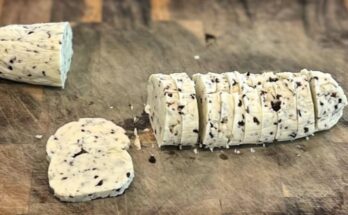
- Freeze the dough: Roll the dough into a log, wrap tightly in plastic, and freeze for up to 2 months. When ready to bake, slice and bake straight from the freezer—just add an extra 1–2 minutes to the bake time.
Serving ideas:
- Pair with coffee, espresso, or chai tea.
- Crumble over ice cream or mix into milkshakes.
- Use as crust for cheesecake or pie bases.
- Serve with a bowl of fruit dip or spiced whipped cream.
These cookies are more than a treat—they’re a versatile ingredient and dessert in their own right.
FAQs about Biscoff Cookie Recipe
1. Can I make Biscoff cookies gluten-free?
Yes! Simply replace all-purpose flour with a 1:1 gluten-free baking flour blend. Just make sure it contains xanthan gum or add 1 tsp separately for binding.
2. How long do homemade Biscoff cookies last?
Stored in an airtight container at room temperature, they’ll stay fresh for up to 10 days. Freeze for longer storage.
3. What’s the best substitute for Biscoff spread?
If you can’t find Biscoff spread, try cookie butter from brands like Trader Joe’s or make your own by blending Biscoff cookies with coconut oil or butter until smooth.
4. Can I freeze the cookie dough?
Absolutely. Roll into logs, wrap tightly, and freeze for up to 2 months. Slice and bake as needed.
5. Do I need to chill the dough?
Yes, especially if you want cookies that hold their shape and develop that deep, caramelized flavor. Chilling also prevents excessive spreading during baking.
Conclusion
There you have it—a complete, step-by-step guide to making irresistible, homemade Biscoff cookies that rival the iconic store-bought version. From their rich caramel flavor and warm spice notes to their crisp edges and chewy centers, these cookies are a surefire way to impress your friends, satisfy your cravings, and fill your home with mouthwatering aroma.
Whether you’re sticking to the classic recipe, going vegan, or dipping them in chocolate for a fancy twist, the possibilities are endless. And the best part? You made them yourself, from scratch.
So the next time you’re tempted to grab a pack from the store, pause for a second—and whip up a batch in your own kitchen instead. Trust me, your taste buds (and your guests) will thank you.