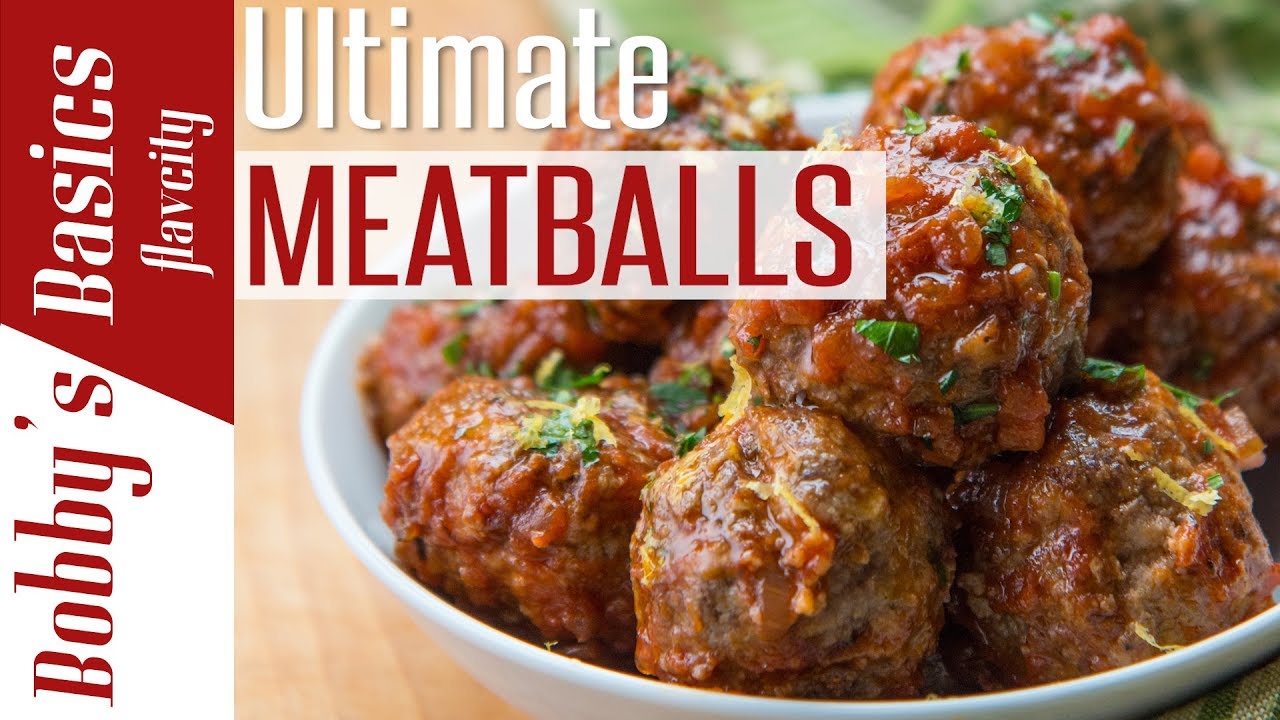
Best Italian Meatball Recipe: If there’s one classic comfort food that never fails to satisfy, it’s a hearty plate of Italian meatballs. Whether they’re nestled on top of spaghetti, stuffed in a sandwich, or served as an appetizer at a dinner party, meatballs are a staple of Italian-American cuisine. But what makes a meatball truly Italian? It’s all in the combination of high-quality ingredients, seasoning, and technique.
This step-by-step guide will show you exactly how to make the best Italian meatballs in your own kitchen—just like Nonna used to make!
Introduction to Authentic Italian Meatballs
Forget what you’ve seen in fast food joints or microwave-ready meals—authentic Italian meatballs are a world apart. These meatballs aren’t just random clumps of meat with sauce poured over. No, these are handcrafted, delicately seasoned, juicy spheres of flavor that soak up rich tomato sauce and melt in your mouth.
The beauty of Italian meatballs lies in their simplicity and their depth of flavor. It’s about using a blend of meats (usually beef and pork), fresh herbs, and just the right balance of breadcrumbs and cheese. It’s also about how they’re cooked—lightly browned then simmered slowly in sauce until they’re tender and bursting with flavor.
Authentic Italian meatballs aren’t just food—they’re an experience. And today, you’re about to master it.
Ingredients You’ll Need
The secret to Italian cooking? It’s all about using fresh, high-quality ingredients. Here’s what you’ll need to craft the perfect Italian meatballs.
Meats
Traditional Italian meatballs often use a combination of ground beef and pork. Some recipes also include veal for extra tenderness. The ratio matters—a 50/50 blend of beef and pork gives you that perfect balance of rich flavor and moist texture.
- 1 lb ground beef (80/20 for flavor and fat)
- 1 lb ground pork
Binders and Moisture
Meatballs need a binder to keep them from falling apart, and to retain juiciness.
- 2 large eggs
- ¾ cup fresh breadcrumbs (preferably soaked in milk)
- ½ cup milk (whole milk works best)
- ½ cup freshly grated Parmesan cheese
Breadcrumbs soaked in milk (called a “panade”) are key to keeping meatballs soft and tender.
Seasonings and Herbs
Seasoning is where you turn ground meat into an Italian masterpiece.
- 2 tsp salt
- 1 tsp black pepper
- 4 cloves garlic, minced
- 1 small onion, finely grated
- ¼ cup chopped fresh parsley
- 1 tsp dried oregano
- Optional: ¼ tsp red pepper flakes for a slight kick
Sauce Ingredients
Don’t let the meatballs go solo—they need a good sauce to swim in!
- 2 tablespoons olive oil
- 1 small onion, diced
- 3 cloves garlic, minced
- 2 cans (28 oz) crushed tomatoes
- Salt and pepper to taste
- 1 tsp sugar (to balance acidity)
- ¼ cup fresh basil, chopped
Essential Kitchen Tools
Making great meatballs doesn’t require fancy equipment, but a few kitchen tools will make the job easier and more efficient.
Mixing Tools
You’ll need a large mixing bowl for combining your meat mixture and a pair of clean hands. Wooden spoons work too, but nothing beats hand-mixing for texture control.
- Large bowl
- Fork or hands for mixing
- Measuring cups and spoons
Cooking Pans and Utensils
Choose a large skillet or Dutch oven for browning the meatballs, and a stockpot or deep pan for simmering the sauce.
- Large non-stick skillet or cast iron pan
- Tongs or slotted spoon
- Saucepan or Dutch oven
- Baking tray (optional, for baking instead of frying)
Step-by-Step Instructions to Make Italian Meatballs
Now that your ingredients and tools are ready, let’s walk through the process of making authentic Italian meatballs from scratch.
Step 1: Choose and Mix the Meats
Start by placing your ground beef and pork in a large bowl. If you’re using veal, substitute a third of the beef with veal. The mix of meats is crucial—it gives your meatballs a rich depth of flavor and perfect juiciness.
Use your hands to gently break up the meat, spreading it out in the bowl to prepare for even seasoning and binding.
Pro tip: Don’t overwork the meat. You want a mix that holds together, but over-mixing can make them tough and dense.
Step 2: Add Binders and Moisture
Soak your breadcrumbs in milk for 5–10 minutes. This creates the panade that keeps your meatballs moist and tender.
Next, add the soaked breadcrumbs (along with any remaining milk), grated Parmesan, eggs, grated onion, and minced garlic to the meat. Use your hands to gently incorporate all the ingredients.
Watch for texture: The mixture should be soft but not wet. If it feels too loose, add a tablespoon of breadcrumbs at a time until it firms up.
Step 3: Season Like an Italian Chef
Add in your salt, pepper, parsley, oregano, and red pepper flakes (if using). The right seasoning is what gives Italian meatballs their signature taste.
Mix everything together gently until it’s evenly distributed. Now’s a good time to pinch off a small piece and fry it in a skillet to test the seasoning. You’ll thank yourself later.
Step 4: Shape the Meatballs Properly
Once your mixture is ready, use your hands or a cookie scoop to form meatballs about 1½ inches in diameter. Roll them gently between your palms until smooth.
Don’t press too hard! You want them to be firm enough to hold their shape but soft enough to stay tender after cooking.
Place the formed meatballs on a tray or plate as you go. This recipe should yield around 20–24 medium-sized meatballs.
Step 5: Brown the Meatballs for Extra Flavor
Heat olive oil in a large skillet over medium-high heat. Carefully add the meatballs in batches, making sure not to overcrowd the pan.
Brown them on all sides—about 2–3 minutes per side. You’re not cooking them all the way through yet; just creating a flavorful crust.
Once browned, transfer them to a plate and continue with the rest. You can also bake them in a 400°F oven for 15–20 minutes if you prefer a hands-off approach.
Step 6: Simmer in a Rich Tomato Sauce
Now that your meatballs are browned and ready, it’s time to build that rich, Italian tomato sauce they’ll simmer in. This part is crucial because it not only adds flavor to the sauce but also lets the meatballs soak up all the delicious goodness.
In a large Dutch oven or saucepan, heat two tablespoons of olive oil over medium heat. Sauté the diced onions for 3–4 minutes until they’re soft and translucent. Add the minced garlic and cook for another 30 seconds—don’t let it burn.
Pour in the crushed tomatoes, and stir in the sugar, salt, pepper, and fresh basil. Let the sauce come to a simmer.
Now, gently place your browned meatballs into the sauce. Spoon a bit of sauce over the tops to ensure they’re well covered. Cover the pot loosely and let them simmer on low heat for at least 30–40 minutes, or up to 90 minutes for deeper flavor.
As the meatballs cook, they’ll release juices into the sauce, making it even more savory. Stir gently from time to time so nothing sticks to the bottom.
Cooking Tips for Perfect Texture and Flavor
Perfecting your Italian meatballs isn’t just about following a recipe—it’s about mastering the little tricks that take them from good to absolutely unforgettable. These tips will help you get there.
Avoid Over-Mixing
It’s tempting to mix the meat thoroughly to ensure everything is combined evenly. But over-mixing can ruin the texture. The more you work the meat, the tougher your meatballs will become. Keep a light hand and stop mixing as soon as everything looks incorporated.
Use your fingers like rakes, gently turning the meat mixture rather than mashing it. Think of it like folding a cake batter—not smashing potatoes.
Let Them Simmer Longer for Richness
Time is your friend when it comes to Italian cooking. Don’t rush the simmering process. The longer your meatballs sit in the sauce, the more flavor they absorb. The sauce thickens, the meatballs soften, and the result is magic.
If you’re prepping ahead, consider making the meatballs the day before. Reheat them gently in the sauce the next day, and you’ll notice they taste even better.
Serving Suggestions
Once your Italian meatballs are simmered to perfection, it’s time to bring them to the table. And believe me, there are so many delicious ways to enjoy them. Whether you want a traditional plate of spaghetti or something more creative, the choice is yours.
With Pasta
This one’s a no-brainer. Pile your saucy meatballs over a plate of perfectly cooked spaghetti (or any pasta you love). Top with freshly grated Parmesan, a sprinkle of chopped basil, and maybe a drizzle of extra virgin olive oil. Classic. Comforting. Delicious.
Make sure your pasta is al dente, and toss it lightly in some sauce before adding the meatballs. That way, every bite is coated in flavor.
In Subs or Sandwiches
Italian meatball subs are street food royalty. Grab a crusty Italian roll, spoon in 2–3 meatballs, top with melted mozzarella or provolone, and toast until gooey.
You can also add some sautéed onions and peppers for extra flavor and crunch. Wrap them in foil and bake for 10 minutes if you want that authentic “melty” sub-shop texture.
As a Standalone Appetizer
Hosting a party? Serve the meatballs on a platter with toothpicks and a side of marinara sauce. They’re the kind of appetizer people can’t stop eating.
You can also top them with a dollop of ricotta or a shaving of Parmesan cheese for added flair.
Storing and Freezing Tips
Italian meatballs are great for meal prep and taste even better the next day. Here’s how to store and freeze them properly so you can always have a batch ready.
How to Store in the Fridge
After your meatballs have cooled, place them in an airtight container with the sauce. Store them in the refrigerator for up to 4 days.
To reheat, simmer them gently on the stove over low heat or microwave in 30-second intervals until hot.
Freezing Instructions for Make-Ahead Meals
Want to make a big batch for later? Meatballs freeze beautifully.
How to freeze:
- Let the meatballs cool completely.
- Place them on a baking sheet in a single layer and freeze for 1 hour.
- Transfer them to a freezer-safe bag or container (with or without sauce).
- Label with the date.
They’ll keep well in the freezer for up to 3 months. To reheat, thaw overnight in the fridge, then warm in a saucepan over low heat until heated through.
FAQs about Italian Meatball Recipe
1. Can I use only one type of meat in my Italian meatballs?
Yes, you can. While a blend of beef and pork gives the best flavor and texture, using only ground beef or only pork still works. Just be sure to adjust seasoning and fat levels accordingly—pork is usually fattier, while beef can be leaner and may need more moisture.
2. What’s the best pasta to pair with Italian meatballs?
Spaghetti is the classic choice, but other great options include rigatoni, linguine, or pappardelle. Just make sure to toss the pasta with a bit of the sauce before serving for maximum flavor.
3. How do I make gluten-free Italian meatballs?
To make them gluten-free, simply substitute regular breadcrumbs with gluten-free breadcrumbs or crushed gluten-free crackers. Ensure that any cheese or seasonings you use are also gluten-free.
4. Can I bake the meatballs instead of frying them?
Absolutely. If you prefer a lighter option, place the meatballs on a lined baking sheet and bake at 400°F (200°C) for 15–20 minutes until browned. Then, simmer them in the sauce as directed.
5. What cheeses can I use besides Parmesan?
Parmesan is traditional, but Pecorino Romano or Asiago are excellent alternatives. Avoid pre-grated cheese with added fillers—use freshly grated cheese for best results.
Conclusion
There you have it—a full, detailed guide to making the best Italian meatballs that would make any Nonna proud. With the perfect blend of meats, carefully chosen seasonings, and a rich tomato sauce, you can turn a simple set of ingredients into a restaurant-worthy dish. Whether you serve them over spaghetti, stuffed into a crusty roll, or simply with a glass of red wine and some crusty bread, these meatballs are guaranteed to impress.
But remember, the magic lies not just in following the steps—but in the love you pour into the process. Italian cooking is all about tradition, flavor, and gathering loved ones around the table. So the next time you’re craving comfort food, skip the takeout and make a batch of these homemade meatballs instead. Buon appetito!