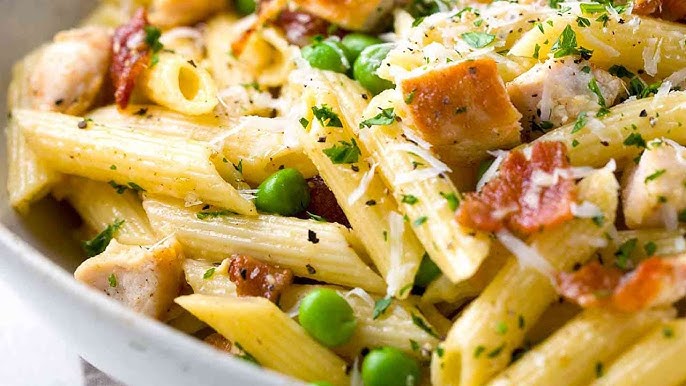
Best Carbonara Recipe: Let’s be honest—few pasta dishes deliver pure comfort the way a classic carbonara does. Creamy (without cream!), rich, salty, and packed with umami, carbonara is one of those rare meals that feels both luxurious and humble at the same time. What really sets it apart is its ability to transform five simple ingredients—pasta, guanciale, eggs, Pecorino Romano, and black pepper—into something unforgettable.
The magic of carbonara lies in its creamy sauce, created not with cream or butter but by carefully emulsifying cheese, egg, and starchy pasta water. No shortcuts, no overcomplicated tricks—just culinary chemistry at its finest. And when done right, it coats every strand of pasta in a rich, silky layer that clings like a culinary hug.
If you’re looking to master this Italian classic, you’re in the right place. This step-by-step guide isn’t just about getting it right—it’s about getting it perfect every time.
Origin and History of the Dish
Like many great dishes, carbonara has a somewhat debated origin story. Some food historians trace its roots to Rome post-World War II, when American soldiers brought bacon and eggs to Italy, inspiring local chefs to craft what would become this legendary dish. Others argue it’s a much older recipe, passed down through Roman households for generations.
Regardless of how it started, there’s no doubt that carbonara has become a staple in Italian cuisine—and a beloved meal across the world. One thing that’s clear? Real carbonara doesn’t have cream, peas, or mushrooms. It’s simple, traditional, and purely delicious.
Essential Ingredients for Authentic Carbonara
Choosing the Right Pasta
First things first: pasta. Spaghetti is the most commonly used pasta for carbonara, and for good reason. Its long, thin shape makes it perfect for soaking up that glossy sauce. However, you can also use other varieties like bucatini (a thicker, hollow spaghetti) or rigatoni (short and ridged), depending on your texture preference.
Whatever pasta you choose, make sure it’s good quality—preferably bronze-cut pasta, which has a rougher texture that grips the sauce better. And don’t skimp on the salt when boiling your pasta; it needs to be as flavorful as the sauce it’s about to join.
The Importance of Guanciale
Here’s where authenticity matters. While many people use pancetta or even bacon in a pinch, guanciale is the gold standard. Made from pork cheek, guanciale is fattier and more flavorful than pancetta, lending a richness and depth that truly elevates your carbonara.
Slice it into small strips or cubes, and let the fat render low and slow until the meat is crisp and the fat is golden and liquid. That rendered fat? It’s the flavor base for your entire dish.
Eggs, Cheese, and Pepper – The Core Trio
Forget cream. The real carbonara sauce is a delicate balance of eggs, cheese, and black pepper.
- Eggs: You’ll want to use fresh, room-temperature eggs. A good rule of thumb is one whole egg per person, plus one extra yolk for added creaminess.
- Cheese: Always use Pecorino Romano—never Parmesan. Pecorino is saltier and tangier, which gives carbonara its signature bite.
- Black Pepper: Freshly cracked black pepper isn’t just for garnish—it’s essential. It adds a spicy warmth and helps balance the richness of the eggs and guanciale.
Mix these ingredients together in a bowl, and you’ve got the foundation of the sauce.
Preparation Tools You’ll Need
Kitchen Essentials for Smooth Cooking
Before diving into the step-by-step process, make sure your kitchen is stocked with the right tools. Cooking carbonara isn’t complicated, but timing is everything—so having the essentials within arm’s reach can make all the difference.
Here’s what you’ll need:
- Large pot: For boiling the pasta. It should be big enough to allow the pasta to move freely.
- Heavy-bottomed skillet or sauté pan: For rendering the guanciale. A pan that retains heat well will help crisp the meat evenly.
- Mixing bowl: This is where you’ll whisk together the eggs, cheese, and pepper.
- Tongs or pasta fork: To transfer pasta directly from pot to pan without draining all the water.
- Fine grater: For freshly grating Pecorino Romano.
- Ladle or measuring cup: To scoop out that precious pasta water.
- Thermometer (optional): To keep the sauce from getting too hot and scrambling the eggs.
Having these items prepped and ready helps ensure your carbonara experience is smooth, efficient, and most importantly, delicious.
Step-by-Step Carbonara Recipe
Step 1 – Boil the Pasta Perfectly
This might sound simple, but how you cook your pasta can make or break your carbonara. Bring a large pot of water to a rolling boil, then add a generous amount of salt. You’re not just seasoning the pasta; you’re flavoring the entire dish.
Drop in your pasta—spaghetti, bucatini, or rigatoni—and stir well to prevent sticking. Cook until just shy of al dente, because the pasta will continue to cook when you toss it with the sauce. Timing matters here. You want the pasta and guanciale to finish cooking around the same time so everything is hot and ready for mixing.
Pro tip: Right before draining, reserve at least one cup of pasta water. This starchy liquid gold helps emulsify the sauce and bind everything together.
Step 2 – Render the Guanciale
While the pasta is boiling, place your sliced guanciale into a cold pan. Yes, cold. Starting with a cold pan allows the fat to render slowly, creating crispy edges and a deeply flavorful base without burning.
Cook over medium heat, stirring occasionally, until the guanciale is golden brown and crisp. The fat should be completely melted and glistening in the pan. This process takes about 8–10 minutes depending on the thickness of the cuts.
Once done, remove the pan from the heat but do not discard the fat—it’s liquid flavor gold. You’ll use it in the final step to marry everything together.
Step 3 – Mix the Egg and Cheese Sauce
While the guanciale is doing its thing, crack your eggs into a mixing bowl. For two servings, use 2 whole eggs and 1 extra yolk. Add in a generous amount of finely grated Pecorino Romano—about ½ cup—and a healthy dose of freshly cracked black pepper.
Whisk until smooth and slightly thick. The mixture should be creamy, not runny, and the pepper should be visible throughout. This is your sauce base, so make it count.
You can even add a tablespoon or two of hot pasta water at this point to help temper the eggs and start the emulsion early—just make sure it’s not too hot, or you risk scrambling.
Step 4 – Combine Pasta and Sauce Without Scrambling
This is the most critical part of the process—and where most people mess up.
Once the pasta is done, use tongs to transfer it directly into the pan with the rendered guanciale. Don’t turn the heat back on yet! Toss the pasta to coat it evenly with the fat. Then let it cool just slightly—about 30 seconds to a minute. You want it hot, but not so hot it cooks the eggs.
Now pour the egg and cheese mixture over the pasta, stirring vigorously as you go. You’re not cooking the eggs—you’re coaxing them into a silky sauce. If it feels too thick, gradually add reserved pasta water, a tablespoon at a time, until the sauce reaches a creamy, glossy consistency.
Keep tossing until the sauce coats every strand of pasta like a velvet glove. There shouldn’t be any clumps or scrambled bits—just smooth, cheesy perfection.
Step 5 – Plate and Pepper to Perfection
Once everything is beautifully mixed and hot, immediately transfer your carbonara to warm serving plates. Carbonara waits for no one—serve it hot, and serve it fast.
Finish with a final snowfall of Pecorino Romano and a generous grind of black pepper on top. The smell alone will be enough to make your mouth water.
Now take a bite. That creamy texture? The salty crunch of guanciale? The peppery kick? That’s real carbonara—authentic, simple, and unforgettable.
Tips for Making the Perfect Carbonara
Common Mistakes to Avoid
Carbonara may look simple, but one misstep can turn creamy perfection into a bowl of scrambled eggs. Let’s break down some of the most common mistakes—and how to avoid them:
- Using the wrong meat: Bacon or pancetta is often used as a substitute for guanciale, but it’s not the same. Guanciale provides a more intense flavor and richer fat. If you must substitute, go with pancetta—not smoky bacon.
- Overheating the sauce: The single biggest error is adding the egg mixture to a hot pan or directly onto steaming pasta without cooling it slightly. This causes the eggs to scramble instead of emulsifying into a sauce. Always let the pasta cool for about 30–60 seconds before adding the egg-cheese mix.
- Adding cream or butter: Traditional carbonara doesn’t use cream. The creamy texture comes from emulsified egg yolks, cheese, and pasta water. Adding dairy dulls the flavor and changes the entire essence of the dish.
- Undermixing the sauce: You need to toss the pasta quickly and vigorously after adding the egg mixture. This rapid motion helps prevent curdling and ensures even coating.
- Neglecting the pasta water: Never forget to reserve some of that starchy pasta water. It’s the key to adjusting your sauce’s consistency. A splash can fix a thick or clumpy carbonara in seconds.
- Skimping on cheese or pepper: Pecorino Romano and black pepper are non-negotiables. They bring the salty, spicy, tangy balance that defines carbonara.
Avoid these pitfalls, and your carbonara will go from average to authentic in one bowl.
How to Adjust for Dietary Needs
Not everyone can eat carbonara in its traditional form, but that doesn’t mean they should miss out. With a few thoughtful substitutions, you can still capture the essence of carbonara while keeping it accessible:
- Vegetarian: Replace guanciale with sautéed mushrooms or smoked tofu. While it won’t taste identical, it still brings savory umami depth. You can also use eggplant or tempeh for a chewy texture.
- Gluten-free: Use your favorite gluten-free pasta. Brown rice pasta or chickpea pasta holds up well with the creamy sauce. Just remember that gluten-free pasta tends to be starchier, so monitor your pasta water.
- Dairy-free: Swap Pecorino Romano with a high-quality dairy-free parmesan alternative. Brands made with cashew or nutritional yeast can come close to mimicking the cheesy tang. Note: you’ll need to work quickly as dairy-free cheese doesn’t emulsify as easily.
- Low-fat: Use only egg whites or a single whole egg with one yolk. The result will be lighter but still flavorful. You can also drain off excess guanciale fat if needed—though keep just enough to flavor the sauce.
- Low-sodium: Pecorino Romano and guanciale are both salty. To cut back, reduce the cheese quantity or mix in a less salty cheese like Grana Padano, and go easy on added salt in the pasta water.
With these tweaks, you can still enjoy a delicious bowl of carbonara tailored to your needs without straying too far from its Italian soul.
What to Serve with Carbonara
Perfect Side Dishes and Beverages
Carbonara is rich, so you’ll want to pair it with sides and drinks that cut through the creaminess and cleanse the palate.
Great Side Dishes:
- Arugula salad with lemon vinaigrette: The peppery greens and acidity balance the richness beautifully.
- Grilled vegetables: Zucchini, bell peppers, and asparagus offer a smoky contrast to the creamy pasta.
- Roasted garlic bread: Simple, crisp, and aromatic—great for sopping up leftover sauce.
- Caprese salad: Tomato, basil, and mozzarella keep things light and classic.
Perfect Drinks:
- White wine: Go for something dry and crisp like Pinot Grigio, Sauvignon Blanc, or a light Chardonnay.
- Sparkling water with lemon: Refreshing and palate-cleansing between bites.
- Light beer: A pale ale or pilsner complements the dish without overpowering it.
- Non-alcoholic options: Iced herbal tea, citrus water, or a tart kombucha can balance the richness.
Carbonara is a meal in itself, so the key to great pairing is contrast—light, bright flavors that enhance without overwhelming.
FAQs Carbonara Recipe
1. Can I reheat carbonara?
Carbonara is best eaten fresh, but if you must reheat it, do so gently on low heat while stirring continuously. Add a splash of water to loosen the sauce and avoid scrambling the eggs.
2. What’s the best cheese for carbonara?
Pecorino Romano is the traditional and best choice. Its salty, tangy flavor is essential to achieving that signature carbonara taste.
3. Can I freeze carbonara?
It’s not recommended. The egg-based sauce doesn’t freeze well and will likely separate upon reheating.
4. Is it okay to use Parmesan instead of Pecorino?
If you’re in a pinch, Parmesan can work, but it’s milder and less salty than Pecorino. The flavor won’t be quite the same.
5. Why did my sauce turn out scrambled?
You likely added the egg mixture when the pasta or pan was too hot. Always let the pasta cool slightly and stir vigorously while combining.
Conclusion
So there you have it—the ultimate, step-by-step guide to mastering the best carbonara recipe. Whether you’re cooking for a romantic date night, feeding the family, or just treating yourself to something extraordinary, carbonara delivers every single time.
From choosing the right ingredients to avoiding the common mistakes, every detail matters when crafting this iconic dish. And remember—authentic carbonara doesn’t need cream, bacon, or fancy tricks. Just a handful of quality ingredients, the right technique, and a little confidence in the kitchen.
Next time you crave comfort in a bowl, skip the takeout and whip up a real Roman carbonara. One bite, and you’ll understand why it’s stood the test of time.