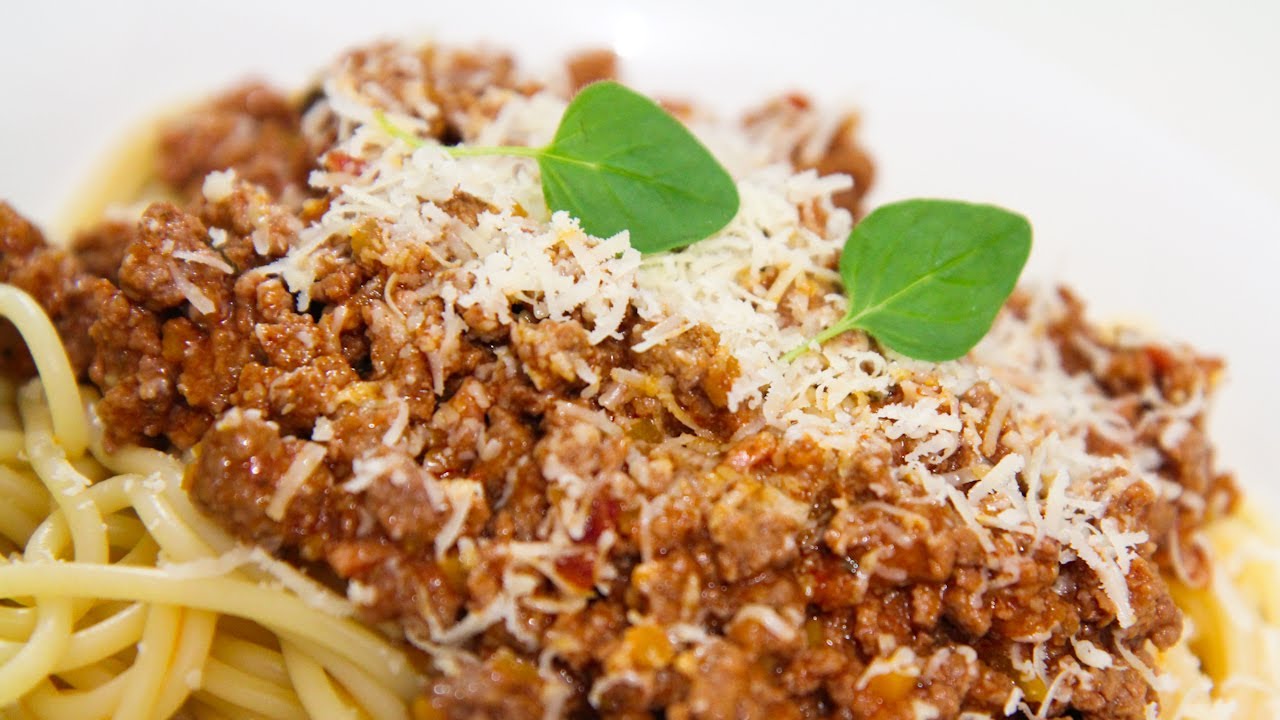
Best Bolognese Sauce Recipe: Bolognese sauce—also known as ragù alla Bolognese—is a rich, meaty Italian pasta sauce that has become a comfort food staple in kitchens all around the world. Unlike the simple tomato sauces many people associate with spaghetti, Bolognese is deeply savory, layered with flavors that develop over time through slow cooking.
The base is typically made from ground beef or a mix of beef and pork, sautéed with finely chopped onions, carrots, and celery. It’s then simmered in a blend of wine, milk, and crushed tomatoes or tomato paste. This isn’t a throw-it-together-in-30-minutes kind of sauce—it’s a “let it simmer low and slow” situation, which creates something hearty, luscious, and satisfying.
What sets Bolognese apart is not just the taste, but the texture. It’s thick, almost stew-like, and clings to pasta perfectly—especially wide, flat noodles like tagliatelle or pappardelle. When made right, every bite is a hug in food form.
Origins and Cultural Significance
Originating from Bologna, a charming city in the Emilia-Romagna region of Italy, Bolognese sauce has a deep-rooted history that dates back to the 18th century. Though variations have evolved over time, the essence remains the same: a celebration of patience, simplicity, and flavor.
In Italy, it’s not usually served with spaghetti—that’s a common adaptation found mostly outside the country. Instead, it’s traditionally served with fresh egg pasta, and never overloaded with herbs or garlic. Italians respect the purity of ingredients and the technique, and they guard this culinary treasure fiercely.
If you ever sit down for a family meal in Bologna, chances are, the Bolognese sauce has been simmering for hours while stories and laughter fill the air. That’s the spirit you should bring to your kitchen when making this dish.
Ingredients You’ll Need
Core Ingredients
Here’s what you’ll absolutely need to make an authentic Bolognese sauce:
- Ground meat: A mix of ground beef and pork gives the best flavor and fat balance.
- Onions, carrots, and celery: The Italian soffritto, finely chopped for a smooth texture.
- Tomato paste or crushed tomatoes: Provides richness and acidity.
- Red or white wine: Adds depth and complexity.
- Whole milk: Surprisingly essential—it balances the acidity of the tomatoes and adds creaminess.
- Salt and pepper: To season throughout.
- Olive oil or butter: For sautéing the base.
These ingredients form the foundation. Each one contributes something vital—texture, flavor, or richness—to the final sauce. Skimp on quality here, and your Bolognese will taste it.
Optional Add-ons for Extra Flavor
Want to level up your Bolognese? Consider adding:
- Bay leaves: For subtle herbal depth.
- Nutmeg: Just a pinch enhances the meatiness.
- Parmesan rind: Add it during simmering for a salty, cheesy undernote.
- Pancetta: Dice it small and brown it at the start for smoky, fatty goodness.
- Chicken or beef stock: Useful if the sauce needs extra liquid during long simmering.
Bolognese sauce is forgiving and flexible, which means once you master the basics, you can experiment with your own twists while keeping the heart of the dish intact.
Kitchen Tools Required
Must-Have Utensils
To whip up a proper Bolognese, make sure your kitchen is equipped with these essentials:
- Heavy-bottomed pot or Dutch oven: Ensures even heat distribution and prevents burning.
- Wooden spoon: Perfect for stirring without damaging your cookware.
- Sharp knife: For fine chopping your vegetables.
- Cutting board: Preferably one just for veggies to keep your prep area clean.
- Measuring cups/spoons: To maintain balance in your seasoning and liquids.
Investing in a good Dutch oven is especially worthwhile—Bolognese likes to cook low and slow, and this tool makes that process effortless.
Helpful Extras
While not mandatory, these extras make cooking smoother:
- Food processor: Speeds up the soffritto prep with even, fine chopping.
- Ladle: Helps you add small amounts of liquid (like stock or milk) without splashing.
- Spider strainer: Useful if you’re cooking pasta alongside and want to reserve pasta water.
Having the right tools isn’t about being fancy—it’s about making the cooking process enjoyable and efficient. With these in place, you’ll be stirring like a pro.
Step-by-Step Guide to Making Bolognese Sauce
Step 1 – Preparing the Ingredients
Before you turn on the heat, do yourself a favor and prep everything. Bolognese is a dish that rewards attention to detail, and nothing throws off your rhythm like scrambling to chop an onion while your meat is overcooking.
- Finely dice the onions, carrots, and celery. Aim for uniformity—this ensures even cooking and a smooth texture.
- Measure out your wine, milk, and tomatoes. Open your cans and set aside your spices.
- Let your meat come to room temperature—it’ll cook more evenly.
This might seem like a small step, but it’s huge in execution. You’ll find the cooking process flows much more smoothly when you’re not running around trying to catch up.
Step 2 – Cooking the Meat Base
The soul of a good Bolognese lies in how you treat the meat. You’re not just browning it—you’re building flavor with each stir.
Start by heating olive oil or butter in your Dutch oven over medium heat. Once it shimmers, add your finely diced onions, carrots, and celery (soffritto). Sauté for about 8–10 minutes until the mixture softens and the onions become translucent. Don’t rush this—slow cooking brings out the natural sweetness of the vegetables, which balances the richness of the meat.
Next, add your ground meat (beef, pork, or a mix). Use your wooden spoon to break it up evenly. You don’t want big chunks—you want a smooth, crumbly texture. Cook until the meat is fully browned and all the moisture has evaporated. This can take up to 10–15 minutes. You’ll notice the bottom of the pot developing a brown crust—don’t worry, that’s flavor gold!
At this stage, season with salt and pepper to start building layers of taste. Hold off on adding herbs or garlic; this sauce is all about meat and depth, not overwhelming spice.
The key takeaway? Patience. Browning the meat properly is what transforms a decent Bolognese into something unforgettable.
Step 3 – Building the Flavor with Tomatoes and Wine
Now that your meat is perfectly browned and fragrant, it’s time to deglaze the pot and deepen the flavor profile.
Pour in your wine—either red for richness or white for a slightly lighter sauce. Use your wooden spoon to scrape up the browned bits stuck to the bottom of the pot. That’s concentrated flavor right there, and the wine helps release it into the sauce.
Let the wine simmer for about 5–7 minutes, or until it’s mostly evaporated. You don’t want to taste the alcohol—you want the complexity it leaves behind.
Then, add your tomato paste or crushed tomatoes. If you’re using paste, stir it in and let it cook for a couple of minutes to caramelize slightly. This step adds a deeper, almost umami-like flavor. If you’re using canned crushed tomatoes, be sure to crush them further with your hands or a spoon if they’re too chunky. Stir well to combine everything.
Once incorporated, pour in your milk—yes, milk! It might sound odd, but this softens the acidity of the tomatoes and makes the sauce velvety. You’ll notice it turning a beautiful orange hue.
This is where your sauce starts to look and smell like Bolognese. Thick, rich, and already irresistible—but it still needs time to reach perfection.
Step 4 – Simmering to Perfection
Simmering is the most critical part of the process. A great Bolognese sauce needs time—at least 2 to 3 hours, ideally more.
Lower the heat to a gentle simmer. You want small bubbles occasionally breaking the surface, not a full-on boil. Cover the pot partially, allowing some steam to escape while keeping the sauce moist.
Check in every 30 minutes or so. Stir gently and, if it looks like the sauce is drying out, add a splash of stock, milk, or water. You’re not just reheating ingredients here—you’re letting them merge into something magical.
As the sauce simmers, the meat becomes unbelievably tender, the flavors deepen, and the texture thickens. The milk and fat emulsify into the sauce, creating that signature Bolognese creaminess without using cream.
Near the end of the simmering process, give it a taste. Adjust with salt, pepper, and a touch of nutmeg if you like. If you’re feeling bold, add a small knob of butter for an extra layer of richness.
Good Bolognese isn’t fast. But it’s worth every second.
Step 5 – Final Touches and Serving Suggestions
Now that your Bolognese sauce is rich, thick, and aromatic, it’s time to finish strong and serve it like a pro.
First, remove any bay leaves or Parmesan rind if you added them during cooking. Give the sauce a final stir and taste. Is it seasoned well? Does it need a touch more salt or a grind of black pepper?
When it comes to pairing, skip the spaghetti. Tagliatelle, pappardelle, or fettuccine are your best bets. These broad noodles grab onto the sauce like a dream. If you’re going low-carb, this sauce also works wonders over roasted zucchini or eggplant.
Cook your pasta al dente, then toss it directly in the Bolognese with a splash of reserved pasta water. This helps the sauce cling to the noodles and makes every bite cohesive. Finish with a generous grating of Parmigiano-Reggiano and a drizzle of high-quality olive oil.
Want to make it even fancier? Serve it with a side of garlic bread, a crisp green salad, and a glass of the wine you used in the sauce.
And that’s it. You just made one of the most iconic, soul-warming sauces in culinary history.
Tips for the Best Bolognese Ever
Common Mistakes to Avoid
Even with a solid recipe, some missteps can mess up your Bolognese. Here are the pitfalls to dodge:
- Using lean meat only: Fat = flavor. Use a mix with enough fat to enrich the sauce.
- Not sautéing vegetables long enough: Under-cooked soffritto leads to a flat flavor.
- Skipping the milk: It’s essential, not optional. It smooths out the tomato acidity.
- Boiling instead of simmering: High heat ruins texture. Keep it low and slow.
- Adding herbs or garlic too early: It overpowers the delicate balance of the sauce.
- Not tasting as you go: Always adjust salt, acid, and fat levels during cooking.
Avoid these mistakes and your sauce will be lightyears ahead of any store-bought version.
Pro Tips from Italian Grandmas
If there’s one thing Italians know how to do, it’s cook from the heart—and grandmas (nonnas) are the true gatekeepers of culinary tradition. Here are a few insider secrets that Italian grandmothers swear by when it comes to making Bolognese:
- Use a mix of meats: Many nonnas use a blend of beef, pork, and sometimes veal. This adds depth and a silky texture to the sauce.
- Cook it in stages: Some grandmas brown the meat separately, then reintroduce it after building the tomato and wine base. It adds more control over each layer.
- Stir with care: You don’t need to stir constantly—just occasionally and gently. Let the ingredients do the work.
- Rest the sauce overnight: Like many stews and braises, Bolognese actually tastes better the next day. Let it cool, refrigerate it, and gently reheat it for a flavor boost.
- Don’t over-sauce the pasta: Italians often use less sauce than you’d expect. Pasta should be coated, not swimming.
These aren’t just techniques—they’re love notes passed down through generations. Channel a little nonna energy, and your sauce will thank you.
How to Store and Reheat Bolognese
Fridge and Freezer Storage Tips
After all that effort, the last thing you want is your leftover Bolognese going to waste. Thankfully, this sauce stores like a champ.
- Fridge: Store cooled Bolognese in an airtight container. It will last up to 4–5 days. Always label your containers with the date.
- Freezer: Portion the sauce into freezer bags or containers for easy reheating. It keeps well for up to 3 months. Lay bags flat to save space and ensure quicker thawing.
For the best results, cool the sauce completely before refrigerating or freezing. You don’t want to trap steam inside your container—it creates condensation, which can affect the texture and flavor later.
Tip: Freeze the sauce in single-serving portions. It’s way easier to defrost and avoids waste.
Reheating Without Losing Flavor
When it’s time to reheat, avoid the microwave if possible. Instead:
- Stovetop Method: Place the sauce in a saucepan over low heat. Add a splash of water or stock to loosen it up. Stir occasionally until heated through.
- Microwave Method (if you must): Cover loosely and microwave in 1-minute bursts, stirring in between. Be careful not to dry it out.
Always taste after reheating. You might need a tiny bit of extra salt, olive oil, or Parmesan to bring back that just-cooked richness.
FAQs about Best Bolognese Sauce Recipe
Can I make Bolognese without wine?
Yes, you can! Substitute wine with beef or chicken stock. It won’t have quite the same depth, but it’ll still be delicious.
How long can I store homemade Bolognese?
In the fridge, it lasts up to 5 days. In the freezer, it keeps for about 3 months. Store in airtight containers and label with dates.
What’s the best pasta to pair with Bolognese?
Tagliatelle is the traditional choice, but pappardelle, fettuccine, or even gnocchi work wonderfully too.
Can I make Bolognese in a slow cooker?
Absolutely! Brown the meat and veggies first, then transfer everything to the slow cooker and let it simmer on low for 6–8 hours.
Is Bolognese sauce gluten-free?
The sauce itself usually is, as long as you don’t use flour or gluten-containing stock. Just pair it with gluten-free pasta.
Conclusion
Making the best Bolognese sauce isn’t about being perfect—it’s about respecting tradition, taking your time, and layering flavors with care. This isn’t your average spaghetti night meal. It’s a slow-cooked, soul-warming sauce that turns pasta into a culinary event.
Whether you’re feeding your family on a Sunday evening or meal-prepping for the week ahead, this Bolognese recipe is your go-to for big flavor and even bigger smiles. Remember: simmer slow, season as you go, and don’t skimp on love.
So roll up your sleeves, grab your wooden spoon, and bring a little piece of Bologna into your kitchen tonight.