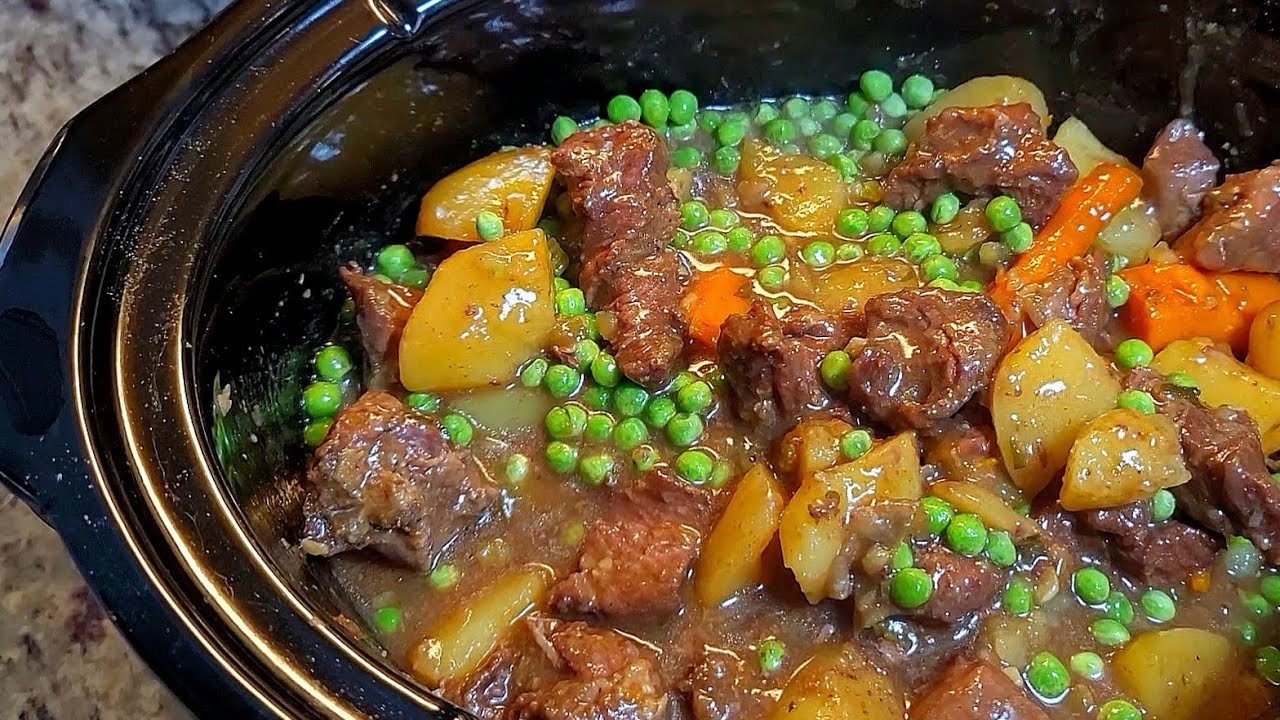
Beef Stew Slow Cooker Recipe: There’s something magical about coming home to the rich, mouthwatering aroma of a beef stew slowly bubbling away in a slow cooker. This dish isn’t just food—it’s comfort in a bowl, the kind that wraps you in warmth on chilly nights or simply makes a hearty meal feel like home. Whether you’re feeding a big family, cooking for a cozy dinner, or meal-prepping for the week, beef stew made in a slow cooker is a no-fuss, all-flavor favorite.
What makes beef stew such a beloved classic? It’s the way tender chunks of beef melt in your mouth, how carrots and potatoes soak up the deep, savory broth, and how every bite feels like a hug from grandma. And when you use a slow cooker, all the hard work gets done while you’re off living your life.
This guide is your complete step-by-step recipe for the ultimate slow cooker beef stew. From picking the right cut of meat to adding bold flavors and serving it just right—we’ve got every detail covered. Ready to dig in?
Ingredients You’ll Need
A great beef stew starts with simple, wholesome ingredients. Don’t worry—there’s no need for anything fancy here. Just the good stuff that brings comfort and flavor to your table.
Core Ingredients:
- 2 lbs beef chuck, cut into 1.5-inch cubes
- 4 large carrots, sliced
- 3 potatoes, peeled and diced
- 1 onion, chopped
- 3 garlic cloves, minced
- 2 tbsp tomato paste
- 1/4 cup all-purpose flour
- 4 cups beef broth (low sodium)
- 2 tbsp Worcestershire sauce
- 2 tbsp olive oil
- 1 tsp dried thyme
- 1 tsp dried rosemary
- Salt and pepper to taste
- 2 bay leaves
Optional Add-ins:
- 1 cup frozen peas (added in last 30 minutes)
- 1/2 cup red wine (for richer flavor)
- Mushrooms, parsnips, or turnips for added depth
Each of these ingredients plays a vital role. The beef is the star, of course—but don’t underestimate how much flavor the vegetables and herbs contribute. And that little splash of Worcestershire? It adds a bold umami punch that makes the broth irresistible.
Best Cuts of Beef for Stew
Not all beef is created equal—especially when it comes to stew. You want a cut that holds up to slow cooking, breaking down slowly to become fork-tender without falling apart entirely.
Top Choices for Stewing:
- Beef Chuck: The gold standard. Marbled with fat and connective tissue, chuck becomes meltingly tender after hours of slow cooking.
- Bottom Round Roast: Leaner, but still performs well if cooked low and slow.
- Brisket: Adds an intense beefy flavor and becomes incredibly soft.
- Short Rib (boneless): Luxurious and rich, though pricier.
Budget-Friendly Tip: Ask your butcher for “stew meat” if you’re in a hurry. It’s usually a mix of trimmings from various cuts—just be sure to brown it well for maximum flavor.
Remember: don’t choose lean cuts like sirloin or tenderloin—they’ll dry out and lose their appeal after long cooking.
Preparation Before Cooking
Getting everything ready before the slow cooker gets switched on makes the process smoother—and tastier. Here’s what you need to do first:
1. Chop the Veggies: Peel and cut the potatoes into bite-sized pieces. Slice carrots into thick rounds (they’ll hold up better this way), and dice the onion finely. You want uniform pieces so everything cooks evenly.
2. Prep the Beef: Pat the beef chunks dry with paper towels—this step is essential! If the beef is too wet, it won’t brown properly. Season generously with salt and pepper.
3. Browning is Key: In a hot skillet, heat olive oil and sear the beef in batches. Don’t overcrowd the pan. Let each piece get a nice golden crust—it adds rich, caramelized flavor you simply can’t get from boiling alone.
4. Prep the Flavor Base: After browning the beef, sauté the onions and garlic in the same skillet. Stir in tomato paste and cook it out for a minute. This step intensifies the flavor and gets rid of that raw tomato taste.
Once everything’s chopped, seared, and seasoned, you’re ready to build your stew in the slow cooker.
Step-by-Step Cooking Instructions
Let’s get to the fun part—putting it all together! These steps will walk you through the slow cooker magic that turns simple ingredients into a masterpiece.
Step 1: Brown the Beef
In a large skillet, heat 1 tbsp olive oil over medium-high heat. Sear the beef cubes in batches until all sides are golden brown. Transfer browned beef to the slow cooker.
Step 2: Add Veggies and Aromatics
Layer the potatoes, carrots, and onions on top of the beef. Add garlic, rosemary, thyme, and bay leaves.
Step 3: Deglaze the Pan
Back in the skillet, pour a bit of beef broth or red wine to deglaze the pan. Scrape up all those tasty brown bits—that’s pure flavor. Pour this liquid into the slow cooker.
Step 4: Combine Ingredients
Whisk together the remaining broth, Worcestershire sauce, tomato paste, and flour in a bowl. Pour over the beef and veggies. Stir gently to combine.
Step 5: Set the Cooker
Cover the slow cooker and set it to:
- Low: 8–9 hours
- High: 4–5 hours
And that’s it. Now, you wait. Let the slow cooker do its thing while your kitchen fills with irresistible aroma.
Cooking Times and Temperatures
One of the greatest perks of using a slow cooker is how forgiving it is. But cooking time and temperature still matter—especially if you want that perfect balance of tender meat and perfectly cooked vegetables.
Cooking on Low vs. High:
- Low Setting (Recommended): 8–9 hours. This is the sweet spot for maximum tenderness and flavor. Low and slow breaks down the connective tissue in beef and lets the flavors meld together beautifully.
- High Setting: 4–5 hours. Great if you’re short on time, but the texture may not be quite as melt-in-your-mouth.
Pro Tips:
- Avoid opening the lid repeatedly during cooking. Every time you peek, you release heat and increase cooking time by about 20 minutes.
- If your stew is too soupy near the end, don’t worry—we’ve got thickening tricks coming up.
Patience pays off. The longer, slower cook brings everything to that rich, satisfying level that makes beef stew a cold-weather hero or anytime comfort food.
How to Thicken the Stew
A watery stew is the last thing anyone wants. You want that rich, luscious gravy that clings to each bite of meat and veggies. Luckily, there are a few easy methods to thicken your beef stew to perfection.
1. Flour Slurry
- Mix 2 tablespoons of flour with 1/4 cup cold water until smooth.
- Stir into the stew during the last 30 minutes of cooking.
- Turn the heat to high for best thickening results.
2. Cornstarch Slurry
- Mix 1 tablespoon cornstarch with 2 tablespoons of water.
- Add it to the stew and stir well.
- Let it cook for another 10–15 minutes until thickened.
3. Puree Some Veggies
- Remove 1 cup of the cooked potatoes and carrots.
- Blend them and stir back into the stew. This natural method adds body without any added starch.
4. Remove Lid in Final Hour
- This lets excess liquid evaporate and naturally thickens the broth.
Choose the method that suits your taste and dietary needs. Personally, I like the veggie puree—it keeps everything wholesome and flavorful while giving the stew that hearty consistency.
Flavor Boosters and Add-ins
Want to take your stew to the next level? It’s all about layering flavors. Even though the base recipe is delicious on its own, a few well-placed add-ins can make it unforgettable.
Herbs and Spices
- Bay Leaves: Essential for earthy depth.
- Thyme and Rosemary: Classic pairings for beef, they give an aromatic lift.
- Paprika: Adds subtle smokiness.
- Parsley (for garnish): Freshens up the final dish.
Sauces and Liquids
- Worcestershire Sauce: Adds umami and tang.
- Soy Sauce: Just a dash enhances savory notes.
- Red Wine: Adds richness—choose a dry red like cabernet or merlot.
- Balsamic Vinegar: For a sweet-acidic depth in the final 30 minutes.
Bold Add-ins
- Mushrooms: Earthy and meaty—perfect with beef.
- Sun-Dried Tomatoes: Add a concentrated burst of flavor.
- Frozen Peas or Corn: Stir in near the end for color and sweetness.
- Hot Sauce: If you like a little heat!
Don’t be afraid to get creative. Your slow cooker beef stew should reflect your taste preferences. The beauty of this recipe is how flexible it is.
Serving Suggestions
Beef stew is hearty enough to be a meal on its own, but pairing it with the right side dishes can elevate the whole dining experience.
Classic Pairings
- Crusty Bread: Ideal for soaking up that rich stew gravy.
- Mashed Potatoes: Double down on comfort—pour stew over a fluffy mash.
- Buttered Egg Noodles: A nice switch-up if you’re skipping potatoes.
- Steamed Rice: Perfect for absorbing the flavors.
Light Side Dishes
- Simple Green Salad: Adds freshness and crunch.
- Roasted Veggies: A healthy way to stretch the meal.
- Steamed Green Beans or Asparagus: Keep it vibrant and balanced.
Creative Twists
- Serve in a Bread Bowl: Restaurant-style fun at home.
- Top with Cheese and Broil: Sprinkle grated cheddar or mozzarella on top and broil for a cheesy crust.
- Make It a Pot Pie: Use leftover stew in a baking dish and top with puff pastry for a rustic pot pie.
No matter how you serve it, a warm bowl of beef stew is always a win.
Storing and Reheating Leftovers
One of the best things about beef stew? It tastes even better the next day. The flavors deepen and the texture gets even more satisfying.
Storing Tips:
- Cool the stew completely before transferring to containers.
- Store in an airtight container in the fridge for up to 4 days.
- For longer storage, freeze in individual portions. Use freezer-safe bags or containers. Keeps for up to 3 months.
Reheating Tips:
- Stovetop: Place in a pot over medium-low heat. Add a splash of water or broth if it’s too thick.
- Microwave: Heat in 1-minute intervals, stirring between each until hot throughout.
- Slow Cooker: Reheat on low for 1–2 hours if you’re serving a crowd.
Avoid overheating in the microwave—it can make the beef rubbery. And always check for spoilage before reheating stored food.
Common Mistakes to Avoid
Even the simplest recipes can go sideways if you’re not careful. Here are some of the most common beef stew blunders—and how to steer clear of them:
1. Skipping the Browning Step
This one’s big. Browning your beef before it hits the slow cooker makes a world of difference. It adds a layer of depth and savory caramelization that boiling alone can’t achieve. Don’t rush it—let that meat get a nice crust.
2. Adding Vegetables Too Early
Vegetables like peas, green beans, or zucchini can turn to mush if cooked too long. If you’re using delicate veggies, stir them in during the last 30–45 minutes of cooking.
3. Using the Wrong Cut of Beef
Lean cuts may seem like a healthy choice, but they’ll dry out and turn tough after hours of cooking. You want well-marbled beef with connective tissue that breaks down slowly—chuck is your best bet.
4. Overseasoning Early On
Flavors intensify as the stew cooks, so go easy on the salt and spices at first. Taste and adjust during the final hour.
5. Lifting the Lid Too Often
It’s tempting to check on your creation, but every time you lift the lid, heat escapes—and it slows down the whole process. Let the slow cooker do its thing.
Avoid these pitfalls, and your beef stew will be rich, hearty, and bursting with flavor—every single time.
Making It Your Own
One of the best things about a stew recipe is how customizable it is. You can tweak it to fit your diet, preferences, or just what’s in your pantry.
For Low-Carb or Keto Diets
- Replace potatoes with turnips or cauliflower chunks.
- Skip the flour—use xanthan gum or almond flour for thickening.
For Gluten-Free Diets
- Use cornstarch or arrowroot powder instead of flour.
- Double-check that your broth and Worcestershire sauce are certified gluten-free.
Vegetarian Twist
- Substitute the beef with mushrooms, chickpeas, or tofu.
- Use vegetable broth and add more herbs and smoked paprika for a meaty flavor.
Spicy Variations
- Add a teaspoon of chili flakes or a splash of hot sauce.
- Stir in smoked chipotle peppers for a smoky heat.
Cultural Twists
- Irish Stew: Add Guinness beer and skip the tomato paste.
- Hungarian Goulash: Add paprika, red peppers, and sour cream.
- Mexican-Inspired: Add cumin, corn, and black beans, then garnish with cilantro and lime.
Make it yours. That’s the beauty of stew—it’s as flexible as it is flavorful.
FAQs about Beef Stew Slow Cooker Recipe
1. Can I make beef stew without browning the meat first?
Yes, you can skip it—but you’ll lose a lot of flavor. Browning adds a rich, savory depth that takes the stew from good to great.
2. What’s the best wine to use in beef stew?
Go for a dry red wine like Cabernet Sauvignon or Merlot. Avoid sweet wines—they can throw off the flavor balance.
3. Can I freeze beef stew?
Absolutely! Let it cool completely, then freeze in airtight containers for up to 3 months. Reheat gently on the stovetop or in the microwave.
4. How do I avoid mushy vegetables?
Cut your veggies into larger chunks and add delicate ones like peas toward the end of the cooking time.
5. Is it okay to use frozen beef in the slow cooker?
It’s best to thaw the beef first. Starting with frozen meat can lead to uneven cooking and food safety concerns.
Conclusion
At the end of the day, beef stew isn’t just a meal—it’s a feeling. A bowl of it can warm you up from the inside out, bring people together at the table, and remind you of simpler times. And thanks to the magic of the slow cooker, it’s never been easier to make.
With the right ingredients, a bit of prep, and a whole lot of love, you’ll create a stew that’s thick, savory, and absolutely unforgettable. Whether you’re whipping it up on a Sunday afternoon or setting it before work for a ready-to-eat dinner, this recipe is one you’ll come back to again and again.
So go ahead, grab your slow cooker, and let the aroma of something special fill your home. Happy cooking!