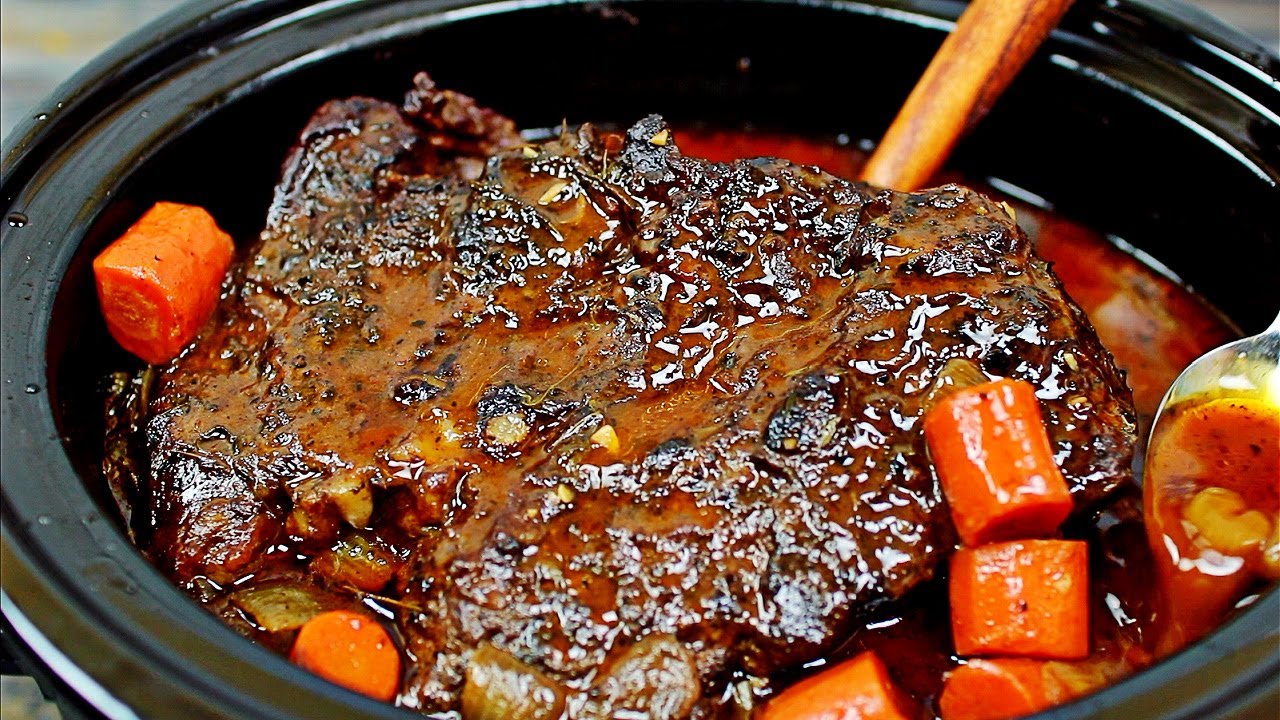
Beef Shoulder Roast Recipe: Beef shoulder roast, often called chuck roast, is a flavorful and budget-friendly cut of beef taken from the shoulder area of the cow. It’s known for its marbling, which makes it juicy and tender when cooked slowly. Unlike leaner cuts, the beef shoulder has just enough fat to keep it moist and flavorful, even after long hours in the oven.
This roast is perfect for family dinners, holidays, or even meal prepping for the week. It responds beautifully to slow roasting, braising, or cooking in a Dutch oven. The connective tissue in the shoulder breaks down over time, producing a melt-in-your-mouth texture that’s simply irresistible. You won’t need to be a professional chef to pull off an impressive roast—just a good step-by-step method and a little patience.
Why Choose Shoulder Roast Over Other Cuts?
There are plenty of beef roast options—like ribeye, sirloin tip, or tenderloin—but shoulder roast stands out because of three things: flavor, affordability, and versatility. While tenderloin might be more tender, it lacks the deep beefy flavor that a shoulder roast delivers. Ribeye is great, but it’s often twice the price.
The shoulder roast holds up well to a variety of flavors, whether you’re seasoning it with classic herbs, spicy rubs, or exotic marinades. It’s great for slow cookers, pressure cookers, oven roasts, and even smoker recipes. If you want a hearty, flavorful meal that doesn’t cost a fortune, this is the cut to beat.
Ingredients You’ll Need
Core Ingredients
Here’s a basic ingredient list for a traditional, oven-roasted beef shoulder roast:
- 1 (3 to 4 lbs) beef shoulder roast
- 2 tbsp olive oil
- 1 tbsp kosher salt
- 1 tbsp black pepper
- 2 tsp garlic powder
- 1 tsp onion powder
- 1 tsp dried rosemary
- 1 tsp dried thyme
- 1 tsp smoked paprika
- 4 cloves garlic, minced
- 1 large onion, sliced
- 2 cups beef broth or red wine
- 2 carrots, cut into chunks
- 2 celery stalks, chopped
- 2 potatoes, quartered (optional)
These are pantry-friendly ingredients that pack a punch. The olive oil helps develop a good crust on the roast, while the spices and broth bring out rich, savory flavors that scream comfort food.
Optional Add-Ons for Extra Flavor
Want to take your roast to the next level? Here are some additions you might consider:
- Fresh herbs like rosemary sprigs or thyme bunches for more aroma
- Worcestershire sauce for umami depth
- Balsamic vinegar to add slight acidity and balance
- Bay leaves for classic slow-cooked flavor
- Crushed red pepper flakes for a spicy kick
- Mushrooms to soak up all those savory juices
Feel free to experiment depending on your flavor preferences and dietary needs.
Kitchen Tools Required
Must-Have Equipment
Cooking a shoulder roast doesn’t require fancy gadgets, but having the right tools can make the process easier and more enjoyable:
- Large oven-safe skillet or Dutch oven: This is essential for searing and oven-roasting in one pot.
- Sharp carving knife: A dull knife can ruin the presentation and make slicing a chore.
- Cutting board: Use one for meat only to avoid cross-contamination.
- Meat thermometer: The best way to ensure perfect doneness.
- Aluminum foil: Useful for covering the roast while it rests.
- Tongs: For easy flipping during the searing process.
Helpful Extras
If you’re aiming for perfection or want to make the process even smoother:
- Roasting rack: Helps circulate heat around the roast.
- Basting brush: Keeps your roast juicy and moist.
- Slow cooker or Instant Pot: Great alternatives if you don’t want to use the oven.
- Gravy separator: For making the smoothest, least greasy gravy.
Having the right gear not only simplifies the cooking process but also helps you get consistent, restaurant-quality results at home.
Preparation Before Cooking
How to Choose the Perfect Roast
Picking the right cut is step one to success. Look for a beef shoulder roast that:
- Weighs between 3 to 4 pounds
- Has visible marbling (white lines of fat)
- Is bright red in color, indicating freshness
- Feels firm but not dry
Avoid roasts that are overly lean or have a lot of gristle. The fat is your friend—it adds flavor and keeps things tender.
If you’re buying from a butcher, ask them for a chuck roast or shoulder clod roast, and make sure it hasn’t been pre-seasoned or pre-marinated unless that’s your intention.
Prepping the Meat for Maximum Flavor
Before cooking, give your roast a little TLC. Here’s a quick prep checklist:
- Let the roast sit at room temperature for 30 minutes before cooking. This helps it cook more evenly.
- Pat the meat dry with paper towels. Moisture is the enemy of a good sear.
- Rub with olive oil to help the seasoning stick and create a crust.
- Generously season all sides with salt, pepper, and your dry rub.
- Optional: Marinate the meat overnight with garlic, herbs, and a splash of red wine for a richer flavor.
Once prepped, it’s ready for the pan.
Cooking Your Beef Shoulder Roast – Step by Step
Step 1: Seasoning and Marinating
Seasoning is the soul of the roast. Combine all your dry spices—salt, pepper, garlic powder, onion powder, thyme, rosemary, and paprika. Rub this mixture generously all over the roast.
For a deeper flavor, especially if you have the time, marinate the roast overnight in a mixture of olive oil, garlic, fresh herbs, and wine or broth. Place it in a sealed zip-top bag or covered dish in the fridge.
After marinating, remove the roast from the fridge 30 minutes before cooking to allow it to come to room temperature. This step is key to achieving a juicy, evenly cooked roast.
Step 2: Searing the Roast
Searing your beef shoulder roast is the golden ticket to flavor. It’s the difference between a good roast and an unforgettable one. Why? Because when you sear meat at a high temperature, it caramelizes the surface, forming that irresistible brown crust. This process, known as the Maillard reaction, adds deep flavor and aroma to your dish.
How to do it right:
- Heat your Dutch oven or heavy skillet over medium-high heat.
- Add 2 tablespoons of olive oil.
- When the oil is shimmering, place the roast in the pan and don’t move it for about 4–5 minutes.
- Flip and repeat on all sides until it’s beautifully browned.
The goal isn’t to cook the roast here—it’s to lock in those savory juices. Once the searing is done, remove the roast and set it aside on a plate. You’ll use this same pan for the next step to build even more flavor.
Step 3: Oven Roasting to Perfection
After searing, it’s time to let the oven work its magic. Preheat your oven to 325°F (165°C)—low and slow is the secret here. Now, back to the Dutch oven or skillet you used earlier.
- Add onions, garlic, carrots, and celery to the pan. Sauté for 2–3 minutes to deglaze the pan and soak up those browned bits from the meat.
- Pour in 2 cups of beef broth or red wine to create a rich, steamy bath for your roast.
- Nestle the roast back into the pot. If you have potatoes, arrange them around the sides.
Cover tightly with a lid or foil and place in the oven. Let it roast for 3 to 3.5 hours, depending on the size. The roast is done when it reaches an internal temperature of 190°F (88°C)—this ensures that the connective tissues have melted, making the roast fork-tender.
Don’t be tempted to rush this. The longer cook time is what makes this humble cut turn into a showstopper.
Step 4: Letting It Rest
You’ve made it this far—don’t skip this crucial step. Resting is where the magic happens. Once you pull the roast from the oven, place it on a cutting board and tent it loosely with foil. Let it rest for 15 to 20 minutes before slicing.
Why is resting important? As the roast cooks, juices get pushed toward the center. If you cut it right away, all those delicious juices spill out. Letting it rest allows the juices to redistribute, keeping the meat moist and flavorful throughout.
Use this time to reduce your pan juices into a gravy or set the table. Your patience will be rewarded, trust me.
Step 5: Slicing and Serving
When the roast has rested, it’s time to carve it like a pro. Always slice against the grain—this shortens the muscle fibers, making each bite more tender.
Use a sharp carving knife and aim for ¼-inch thick slices. If it’s fall-apart tender (as it should be), you might not even need a knife—just pull it apart with forks.
Serving suggestions:
- Spoon the pan juices or gravy over the slices.
- Serve with roasted veggies, mashed potatoes, or buttery rolls.
- Garnish with fresh herbs for color and aroma.
A roast this good deserves the spotlight. Set it on a wooden board or rustic platter for a stunning presentation. Your guests (or family) will be lining up for seconds.
Tips and Tricks for the Best Results
- Don’t skip the sear. It’s the difference between average and amazing.
- Use a meat thermometer. Guessing is for amateurs. Aim for 190°F for that melt-in-your-mouth texture.
- Let it rest. Again, don’t rush it. Resting = juicy meat.
- Make it ahead. This roast tastes even better the next day. Store it in the juices and reheat slowly.
- Strain the pan drippings. If you want a smooth gravy, strain out the solids before reducing.
- Low and slow is key. High heat will make your roast chewy, not tender.
Also, feel free to make it your own. Once you’ve mastered the basics, try different spice rubs, add a splash of soy sauce for depth, or roast it with apples and cinnamon for a sweet-savory twist.
Common Mistakes to Avoid
Even the most flavorful beef shoulder roast can fall flat if you make a few simple errors. Here are the most common mistakes—and how to avoid them:
1. Not Searing the Meat
Skipping the sear is like baking a cake without frosting. You miss out on that flavorful, caramelized crust that gives your roast character. Always sear your roast before placing it in the oven or slow cooker. This step locks in the juices and elevates the entire dish.
2. Cooking at Too High a Temperature
Beef shoulder is tough until it’s cooked low and slow. A high-temperature roast might look done on the outside but will be chewy and dry on the inside. Stick to 300–325°F and give it time. This cut needs patience to shine.
3. Not Using a Meat Thermometer
Roasting is not a guessing game. Using a meat thermometer guarantees you hit that sweet spot (around 190°F) where the connective tissues break down completely. This is what gives you that fork-tender bite.
4. Skipping the Rest Period
If you slice the roast right out of the oven, all the juices will run out. Give it 15–20 minutes under foil to let the juices redistribute. It’s a game-changer for texture and flavor.
5. Not Adding Enough Liquid
Whether it’s broth, wine, or even water, your roast needs moisture to stay tender. Cooking it dry risks turning it into beef jerky. A couple of cups of liquid in the pan helps steam and braise the meat for that fall-apart texture.
Avoiding these slip-ups can be the difference between a decent roast and a dinner that leaves everyone asking for seconds.
Suggested Side Dishes
A beef shoulder roast is hearty and savory, so it pairs beautifully with a variety of sides. Whether you’re aiming for comfort or elegance, here are some delicious ideas:
1. Mashed Potatoes
The creamy texture of mashed potatoes complements the richness of the roast. Add garlic and sour cream to make them even more decadent.
2. Roasted Vegetables
Carrots, parsnips, Brussels sprouts, and sweet potatoes caramelize beautifully and bring natural sweetness to contrast the savory beef.
3. Garlic Green Beans
Sautéed with garlic and a splash of lemon juice, these add color and freshness to the plate.
4. Yorkshire Pudding or Dinner Rolls
Perfect for soaking up all those flavorful juices or gravy.
5. Caesar Salad or Coleslaw
A crisp salad offers a refreshing crunch that balances the heavy meat and gravy.
6. Rice or Risotto
Creamy risotto or simple buttered rice also works well if you’re avoiding potatoes.
Pick a few of these and you’ve got yourself a restaurant-quality meal at home. Pair it with a bold red wine like Cabernet Sauvignon or a dark ale for the perfect finish.
Storage and Reheating Tips
A beef shoulder roast makes fantastic leftovers—if you have any. Here’s how to store and reheat it so it tastes just as amazing the next day:
Storage:
- Refrigerator: Let the roast cool completely, then transfer to an airtight container. Store in the fridge for up to 4 days.
- Freezer: Wrap the roast (or slices) tightly in foil and place in a freezer bag. It will stay good for up to 3 months. Be sure to include a bit of the cooking juices to prevent drying out.
Reheating:
- Oven: Preheat to 300°F. Place the roast (sliced or whole) in an oven-safe dish with a bit of broth or pan juices. Cover with foil and heat for about 20–30 minutes.
- Microwave: For quick reheats, slice the roast and cover it with a damp paper towel. Microwave in 30-second bursts until warm.
- Stovetop: Reheat slices in a skillet with a splash of broth. Cover and simmer over low heat until heated through.
The key is moisture—always reheat with some liquid to avoid dryness. Leftovers also make great sandwiches, tacos, or beef stroganoff.
Nutritional Information
Here’s a general nutritional breakdown per 6-ounce serving of beef shoulder roast (roasted with veggies and broth):
| Nutrient | Amount (Approx.) |
|---|---|
| Calories | 350–400 kcal |
| Protein | 35g |
| Total Fat | 22g |
| Saturated Fat | 8g |
| Carbohydrates | 8g (mostly from veggies) |
| Fiber | 2g |
| Sugars | 3g |
| Sodium | 600mg (depending on seasoning) |
| Iron | 15% DV |
| Vitamin B12 | 90% DV |
The beef shoulder roast is a great source of protein, iron, and B vitamins. It’s a filling meal that’s perfect for active lifestyles or cold-weather comfort food.
If you’re watching sodium or fat, you can trim excess fat and go easy on the salt or use low-sodium broth.
FAQs about Beef Shoulder Roast Recipe
1. Can I cook beef shoulder roast in a slow cooker?
Absolutely! After searing, place the roast and ingredients in your slow cooker. Cook on low for 8–10 hours or on high for 4–5 hours.
2. Should I cover my beef shoulder roast while roasting?
Yes, cover it with a lid or foil to retain moisture and promote even cooking.
3. What’s the best wine to pair with a beef roast?
Red wines like Cabernet Sauvignon, Merlot, or Syrah complement the beef’s rich flavor beautifully.
4. How do I make gravy from the pan drippings?
Strain the drippings, skim off excess fat, then simmer with a cornstarch slurry or flour to thicken.
5. Can I use the leftovers for another recipe?
Definitely! Use leftover roast in tacos, sandwiches, soups, or even stir-fries. It’s super versatile.
Conclusion
There’s something truly satisfying about pulling a tender, flavorful beef shoulder roast out of the oven. It’s a labor of love—simple ingredients, slow cooking, and a little care come together to create a meal that’s greater than the sum of its parts.
Whether you’re feeding a hungry family or prepping for the week ahead, this roast delivers every single time. Master this recipe and you’ll always have a go-to dish that’s hearty, versatile, and downright delicious. With the right seasoning, tools, and techniques, even a budget-friendly cut like the shoulder roast can rival a fancy prime rib.
Ready to impress your guests or just treat yourself to an unforgettable dinner? Grab that roast, preheat the oven, and let’s get cooking.