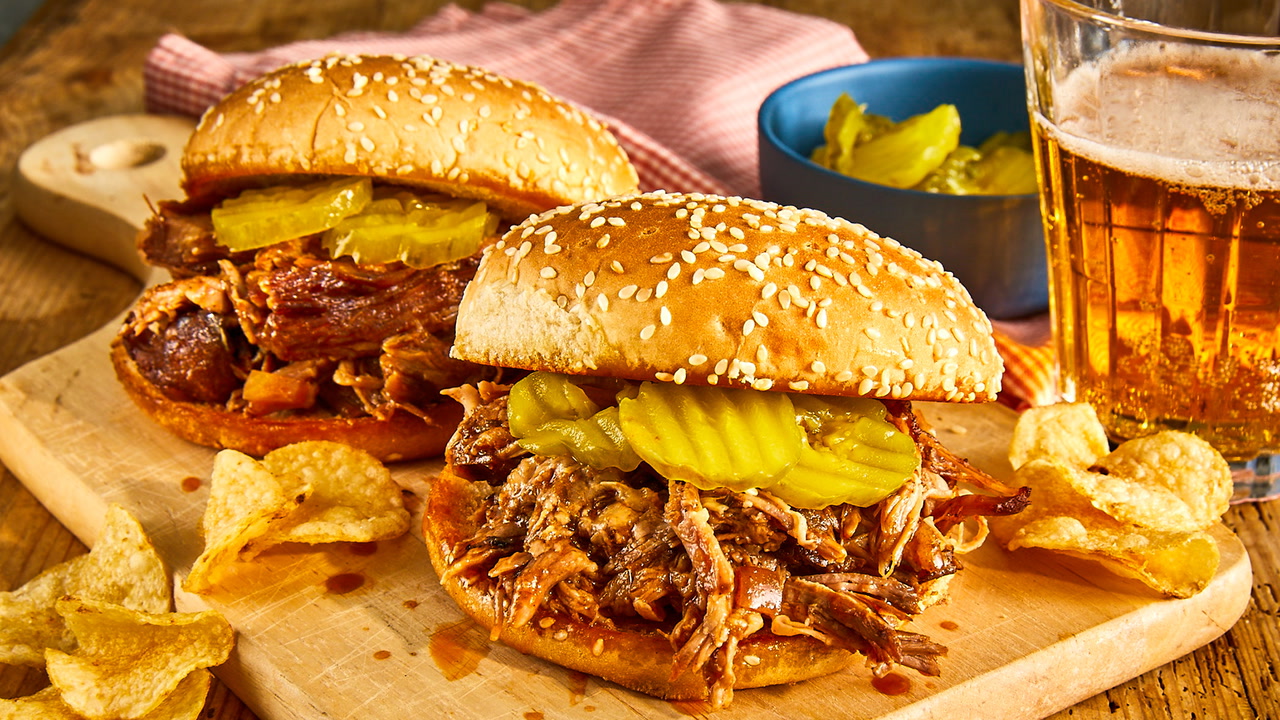
BBQ Pulled Pork Recipe: Let’s be honest—nothing screams comfort food like a heaping pile of juicy, tender BBQ pulled pork. Whether it’s tucked between fluffy buns, served with mac and cheese, or eaten straight from the fork, this Southern staple never disappoints. And the best part? You don’t need to be a pitmaster to nail it at home.
In this guide, I’ll take you through every step you need to make the most flavorful pulled pork right in your kitchen or backyard. From selecting the right cut of meat to perfecting that smoky BBQ flavor, everything you need to know is right here. Ready to impress at your next cookout? Let’s get started.
What Is Pulled Pork?
Pulled pork is a dish made from slow-cooked pork that’s shredded into tender pieces. Traditionally rooted in Southern American barbecue, it’s especially popular in places like North Carolina and Tennessee. The idea is simple—take a tough cut of pork and cook it low and slow until it becomes irresistibly tender and infused with smoky, savory flavor.
This dish is so versatile—it works great in sandwiches, tacos, over nachos, or simply on a plate with coleslaw. While smoking is the gold standard for BBQ purists, you can also make an incredible version using your oven, slow cooker, or Instant Pot.
The beauty of pulled pork is that it’s easy to customize. Want it tangy? Use vinegar-based sauce. Sweet and sticky? Go for a brown sugar and molasses blend. Spicy kick? Add cayenne or chipotle. The options are endless, which is why this dish is a favorite for gatherings, game days, and weeknight dinners.
Best Cut of Meat for Pulled Pork
The secret to great pulled pork starts with the right cut. While you could use any pork, the ideal choice is either pork shoulder or Boston butt (also known as pork butt). Confused? Don’t worry—despite the name, pork butt actually comes from the upper part of the shoulder.
Here’s a breakdown:
- Pork Shoulder (Picnic Roast): Has a bit more connective tissue and skin, great for smoking but needs a bit more trimming.
- Boston Butt: More marbled with fat, making it perfect for juicy pulled pork. Easier to work with and a bit more forgiving.
When choosing between bone-in and boneless, both have their pros. Bone-in can add a bit of extra flavor, but boneless is easier to handle and shreds more uniformly.
Look for a cut that’s around 5–8 pounds for a family-sized portion. You want it to have a nice fat cap (a layer of fat on top), which melts down during cooking and keeps the meat moist.
Essential Ingredients You’ll Need
You don’t need a ton of fancy ingredients to make killer pulled pork. Here’s what you’ll need:
For the Pork & Dry Rub:
- 1 (5-8 lb) pork shoulder or Boston butt
- 2 tablespoons brown sugar
- 1 tablespoon paprika
- 1 tablespoon garlic powder
- 1 tablespoon onion powder
- 1 teaspoon cayenne pepper (optional for heat)
- 2 teaspoons salt
- 1 teaspoon black pepper
- 1 teaspoon mustard powder (optional)
For the Cooking Liquid (if using oven/slow cooker):
- 1 cup apple cider vinegar
- 1 cup chicken broth or water
Optional for BBQ Sauce:
- 1 cup ketchup
- 1/2 cup apple cider vinegar
- 1/3 cup brown sugar
- 1 tablespoon Worcestershire sauce
- 1 teaspoon smoked paprika
- Salt and pepper to taste
Want to dial it up a notch? Add some liquid smoke or a splash of bourbon to your sauce. Or, mix in crushed red pepper for a spicy kick.
Now that your mouth’s probably watering, let’s jump into the actual cooking process.
Step-by-Step BBQ Pulled Pork Recipe
Step 1: Prep the Meat
First things first—remove your pork from the fridge and let it sit at room temperature for 30 minutes. This helps it cook more evenly.
Pat the pork dry with paper towels, then generously rub it with your spice mix. Make sure you get into all the nooks and crannies—it’s a big piece of meat, so don’t be shy with the rub.
Step 2: Choose Your Cooking Method
You’ve got a few options here:
1. Smoker (Best for Authentic BBQ):
- Preheat smoker to 225°F.
- Use wood chips like hickory or applewood.
- Place pork on the smoker fat side up.
- Smoke for 8-12 hours until internal temp reaches 195-205°F.
- Wrap in foil around the 6-hour mark to keep moist.
2. Oven (Great for Home Cooks):
- Preheat oven to 300°F.
- Place pork in a roasting pan with broth and vinegar.
- Cover tightly with foil.
- Roast for 6–8 hours, until it easily shreds with a fork.
3. Slow Cooker (Super Easy):
- Add pork and liquid to the slow cooker.
- Cook on LOW for 8–10 hours or HIGH for 5–6 hours.
- Shred with forks right in the pot.
Step 3: Rest, Pull, and Sauce
Once the pork hits that perfect internal temp (around 200°F), remove it from heat and let it rest for at least 30 minutes. This helps the juices redistribute.
Now, it’s time to pull! Use two forks, your hands (with gloves), or even a stand mixer with a paddle attachment. Shred it to your preferred texture.
Want to make your own sauce? Combine the sauce ingredients in a saucepan and simmer for 10 minutes until thickened. Mix it with the shredded pork, or serve on the side.
Serving Suggestions
When you’ve got a mouthwatering batch of BBQ pulled pork, how you serve it can turn a great meal into a legendary one:
- Classic Pulled Pork Sandwiches: Pile the shredded pork onto soft brioche or potato rolls, and top with creamy coleslaw. The cool crunch contrasts beautifully with the smoky warmth. Add extra BBQ sauce if you’re saucy like that.
- Pulled Pork Tacos: Warm up corn or flour tortillas and fill them with pulled pork, pickled onions, a sprinkle of cilantro, and a squeeze of lime. Add some spicy slaw or creamy avocado for extra brightness.
- Pulled Pork Nachos: Layer tortilla chips with melted cheese, pulled pork, jalapeños, sour cream, diced tomatoes, and green onions. These are perfect for game day or family movie nights—easy to share and impossible to stop eating.
- Pulled Pork Loaded Fries: Oven‑bake thick-cut fries, then top generously with pulled pork, shredded cheese, BBQ sauce, and maybe even a drizzle of ranch or blue cheese dressing. A fun, decadent treat.
- Pulled Pork Plate Style: Serve generous portions of meat alongside sides like baked beans, cornbread, mac and cheese, or collard greens. Finish with a pickle spear or sliced fresh chili for color and crunch.
- Pulled Pork Pizza: Use your pulled pork as a topping over a pizza crust spread with BBQ sauce instead of tomato sauce. Add red onion slices and cheddar cheese. Bake until bubbly, then finish with cilantro or sliced jalapeños.
Storage and Reheating Tips
Leftover pulled pork is a gift that just keeps on giving—but done wrong, it can dry out or flavor fade. Here’s how to store and reheat it properly:
Storage:
- Transfer cooled pulled pork into airtight containers or heavy-duty resealable bags.
- For maximum freshness, place a layer of sauce or cooking juices over the meat to keep it moist.
- Refrigerate for up to 4 days or freeze for up to 3 months.
- Tip: Portion it into meal‑sized packages before freezing for easier reheating.
Reheating:
- Oven method: Preheat to 300°F. Place pork in a covered dish with a splash of broth or BBQ sauce. Heat for 15–20 minutes until warmed through.
- Skillet method: Warm a nonstick pan over medium-low heat, add a bit of oil or butter, then stir in the pork and sauce until hot.
- Microwave: Use a microwave-safe dish, cover it to trap steam, add moisture (water or sauce), and heat in 1‑minute intervals, stirring in between, until evenly warm.
Always check for an internal temperature of at least 165°F. Properly reheated pulled pork can taste even better the next day as the flavors continue to meld.
Tips for the Perfect Pulled Pork
Want to take your pulled pork from good to unforgettable? Here are some pro-level tips:
- Low & Slow is the Way to Go: Resist the urge to crank up the heat. Low temperature (225–300°F) over many hours lets collagen break down and fat render properly, giving you juicy, fall‑apart meat.
- Internal Temp Matters More than Time: Target about 195–205°F internal temperature. That’s when the collagen has melted enough for easy shredding—even if the clock says different.
- Don’t Skip the Resting: Let the meat rest at least 30 minutes. That pause helps juices redistribute instead of spilling out onto the cutting board.
- Moisture Matters: During cooking, place a water pan under your smoker (or roast) to maintain humidity. This keeps the surface moist and avoids dried-out edges.
- Use Quality Wood or Liquid Smoke: Hickory, apple, oak, or cherry wood work well for smoking. If you’re not smoking, a dash of liquid smoke in the cooking liquid adds depth.
- Balance Your Rub Flavors: Salt, sugar, heat, and aromatics should all be represented. Too much sugar can lead to burnt edges; too much salt can overpower everything. Taste test a bit of rub before committing to a large batch.
- Sauce on the Side: Serve extra BBQ sauce rather than soaking the meat early. This preserves texture and lets diners control their level of sauciness.
Troubleshooting Common Issues
Even the best cooks run into snags. Here’s how to fix them:
- Dry Pork: If it’s dried out, shred it finely and mix in extra sauce, or warm it gently in a covered pan with broth or apple juice.
- Undercooked or Tough Meat: If shredding is difficult or fibers are chewy, the meat needs more time. Wrap it in foil (the Texas Crutch), then continue cooking low and slow until tender.
- Rub Burn: If the seasoning crust is too dark or ashy, your smoker or oven may be too hot. Tent with foil and reduce the heat slightly.
- Meat Lacks Flavor: Don’t skip the rub or the resting time. A well-seasoned surface and letting the pork marry with sauce post-cook make a big flavor difference.
FAQs about BBQ Pulled Pork Recipe
1. Can I make pulled pork in advance?
Absolutely! You can fully cook and shred it a day or two ahead. Store in sauce or juice, refrigerate, and gently reheat just before serving. Flavors often improve overnight.
2. How do I know when the pork is done?
The reliable method is checking internal temp: you’re aiming for about 195–205°F. As a bonus: if the meat twitches when you probe it and a fork slides in easily, you’re close.
3. Can I freeze pulled pork?
Yes! Pulled pork freezes well for up to 3 months. Use freezer-safe containers or vacuum bags. Portion meat with sauce to simplify thawing and reheating.
4. What’s the best wood for smoking pulled pork?
Hickory or applewood are classics. Hickory gives bold smoky flavor; fruit woods like apple or cherry add sweetness and aroma. Combination smokes (e.g. hickory + apple) work beautifully.
5. Can I use store-bought BBQ sauce?
Definitely. A quality bottle can simplify things. Just heat it and mix with shredded pork, or offer it on the side so guests can control the sauciness level.
Conclusion
And that’s a wrap—your complete step‑by‑step guide to making unforgettable BBQ pulled pork at home. Choose the right cut, apply a balanced dry rub, cook low and slow until juicy perfection, and don’t rush the resting. Serve it your favorite way, store leftovers smartly, and troubleshoot issues like a pro.
Try this for your next weekend cook‑out, family dinner, or game-day feast. Once you nail the method, you’ll find it’s versatile, crowd-pleasing, and absolutely crave-worthy. Time to fire up that smoker—or just your oven—and get to cooking!