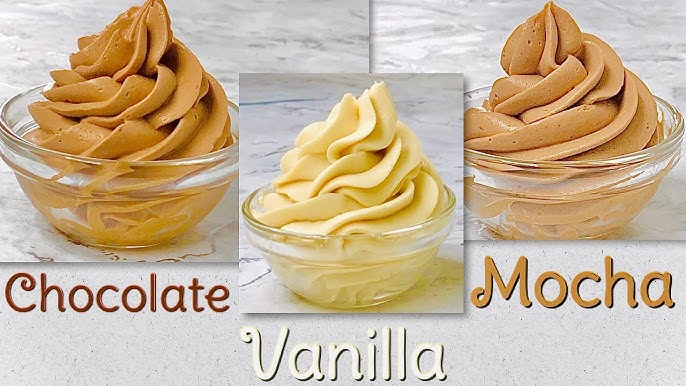
Bavarian Cream Recipe: Bavarian cream, or crème bavaroise, is a light, airy dessert that perfectly balances richness and elegance. It’s a silky, custard-based dessert thickened with gelatin and lightened with whipped cream. Often served chilled and molded, Bavarian cream isn’t just a treat for the taste buds—it’s a feast for the eyes.
You might confuse it with pastry cream or pudding, but Bavarian cream has a distinct identity. It’s firmer than custard, yet more delicate than mousse. It sits somewhere in the middle—luxurious, velvety, and melt-in-your-mouth smooth.
Origin and Popularity
Originally a French creation, Bavarian cream became widely popular in 19th-century Europe. Despite its name, the “Bavarian” part was more a nod to royalty than the recipe’s roots. This classic dessert made its way into American kitchens and bakeries, often used as a donut or cake filling. But it shines best when served on its own or paired with a fruit coulis or chocolate sauce.
Now, let’s dive into how you can make this classic dessert in your own kitchen.
Ingredients Needed for Bavarian Cream
Core Ingredients Explained
To make authentic Bavarian cream, you’ll need the following ingredients:
- Whole Milk (1 cup): The base for the custard. Whole milk gives richness and body.
- Egg Yolks (4 large): These give the cream its luxurious, custardy texture.
- Granulated Sugar (1/2 cup): Balances the richness with sweetness.
- Vanilla Extract (1 tsp): Adds aromatic flavor. You can also use a vanilla bean.
- Unflavored Gelatin (1 tbsp or 1 packet): This is what sets the cream.
- Heavy Whipping Cream (1 cup): Whipped and folded in to lighten the custard.
These are standard ingredients found in most kitchens. The magic lies in how they’re combined.
Substitutes and Variations
Want to make it your own? Here are some smart swaps:
- Flavored gelatin: Use a touch of fruit juice instead of water when blooming the gelatin for a fruity twist.
- Dairy-free? Swap milk and cream with almond or coconut cream.
- Extra flavor: Add a splash of liqueur like Grand Marnier or Kahlua to the custard for an adult dessert.
Tools and Equipment Required
Must-Have Kitchen Tools
To make Bavarian cream at home, you don’t need a commercial kitchen. These are the essentials:
- Medium saucepan: For cooking the custard base.
- Mixing bowls: For separating eggs and whipping cream.
- Whisk: To keep the custard smooth and lump-free.
- Rubber spatula: For gentle folding.
- Fine mesh strainer: Helps ensure a silky texture.
- Measuring cups and spoons: Precision matters in desserts.
Optional Tools for Easier Preparation
Want to level up? These tools help streamline the process:
- Electric mixer or stand mixer: For whipping cream to soft peaks.
- Silicone molds or ramekins: To shape and serve the cream beautifully.
- Thermometer: Useful to check custard temp (aim for 170°F or 77°C).
Step-by-Step Instructions to Make Bavarian Cream
Let’s break it down into four key steps.
Step 1: Preparing the Gelatin Mixture
Start by blooming your gelatin. In a small bowl, sprinkle the gelatin over 2 tablespoons of cold water. Let it sit for 5-10 minutes until it becomes spongy. This is crucial—blooming ensures that the gelatin fully dissolves later and gives the cream its signature structure.
Once bloomed, gently heat the mixture over a double boiler or microwave in short bursts until completely dissolved. Set it aside, but don’t let it firm up again.
Step 2: Making the Custard Base
In a medium saucepan, whisk together the egg yolks and sugar until pale and thick. Slowly add the milk while whisking constantly. This step helps temper the yolks so they don’t scramble.
Place the pan over medium-low heat, stirring constantly. Cook until the mixture thickens slightly and coats the back of a spoon—this usually happens around 170°F (77°C). Don’t boil it!
Once thickened, remove from heat and stir in the dissolved gelatin and vanilla extract. Mix well. Strain the custard through a fine mesh sieve into a clean bowl to remove any bits of cooked egg. Let the mixture cool to room temperature.
Step 3: Folding in Whipped Cream
While your custard cools, whip the heavy cream to soft peaks using a chilled bowl and whisk or an electric mixer. Be careful not to overwhip—you want soft, billowy peaks.
Once the custard is cool but still fluid, gently fold in the whipped cream using a rubber spatula. Use a gentle hand to avoid deflating the cream. The goal is a smooth, airy mixture that holds its shape but feels light.
Step 4: Setting the Cream in Molds
Pour the finished Bavarian cream into individual molds, ramekins, or a large mold. Smooth the tops with a spatula and gently tap to release air bubbles. Refrigerate for at least 4 hours, preferably overnight, until fully set.
To unmold, dip the bottom of the mold in warm water for a few seconds, then invert onto a plate. The cream should slide out cleanly.
Serving Suggestions and Storage Tips
How to Serve Bavarian Cream
Bavarian cream is a show-stopping dessert that can be served in various elegant ways. Once your cream has set and you’ve unmolded it, the real fun begins—presentation. For a classic touch, serve it on a chilled dessert plate topped with a fruit coulis. Raspberry or strawberry sauce complements the cream beautifully with a burst of tartness that cuts through the richness.
Want something more indulgent? Drizzle it with warm chocolate ganache or caramel sauce. Add a dollop of whipped cream, a sprig of mint, or even some fresh berries to make it visually stunning. If you’re hosting a dinner party, individual ramekins are perfect for a sophisticated look.
Looking for modern flair? Try serving the cream in clear dessert glasses. Layer with crumbled cookies, fruit compote, or chocolate shavings. It creates a trifle-like appearance and gives your guests a glimpse of the silky interior.
Pro tip: Serve it cold, straight from the fridge. Room temperature Bavarian cream loses its firm, bouncy texture and becomes a bit too soft.
Storage and Shelf Life
Bavarian cream isn’t just delicious—it’s also practical. You can make it ahead of time, which makes it ideal for parties or events.
Here’s how to store it properly:
- Refrigerator: Keep the cream covered in the fridge for up to 3 days. Use plastic wrap or airtight containers to prevent it from absorbing other odors.
- Avoid Freezing: Although technically possible, freezing Bavarian cream changes its texture. The gelatin and cream may separate, resulting in a grainy, watery consistency after thawing. Not ideal for presentation.
If you’re prepping for a crowd, you can make the custard and gelatin mix a day ahead, and then fold in whipped cream the day of serving for maximum freshness.
FAQs about Bavarian Cream Recipe
1. Can I freeze Bavarian cream?
Technically yes, but it’s not recommended. Freezing can cause the gelatin and cream to separate upon thawing, which ruins the smooth texture. If you must freeze it, expect some compromise in quality.
2. Is Bavarian cream the same as pastry cream?
Nope! Pastry cream is a thick custard used in eclairs and tarts, often made with flour or cornstarch. Bavarian cream is lighter, set with gelatin, and folded with whipped cream, giving it a mousse-like texture.
3. Can I make it dairy-free?
Yes, with a few tweaks. Use plant-based milk (like almond or oat) and a non-dairy whipping cream alternative. Check your gelatin too—if you’re going vegan, use agar-agar instead.
4. How long does it take to set?
Plan for at least 4 hours in the fridge, but overnight is best. This ensures the gelatin has enough time to firm up the cream fully.
5. Can I use it as a cake filling?
Absolutely! Bavarian cream makes an amazing cake filling, especially in layered sponge cakes or fruit-filled tarts. Just make sure the cake is refrigerated so the filling stays firm.
Conclusion and Final Tips
Bavarian cream is one of those timeless desserts that feels both classic and fancy. It might sound complex at first glance, but once you’ve made it once, you’ll realize it’s actually quite manageable. The key lies in patience—tempering the eggs properly, blooming the gelatin fully, and giving it enough time to chill.
Here are a few final tips to ensure perfection every time:
- Always strain your custard for that ultra-smooth texture.
- Chill everything before you whip your cream—it helps achieve the perfect consistency.
- Don’t rush the setting process. Letting the cream firm up in the fridge overnight yields the best results.
Once you master the base, Bavarian cream becomes your canvas. Whether you flavor it with coffee, chocolate, or citrus, or layer it into parfaits or cakes, it’s an incredibly versatile dessert that will wow anyone lucky enough to taste it.