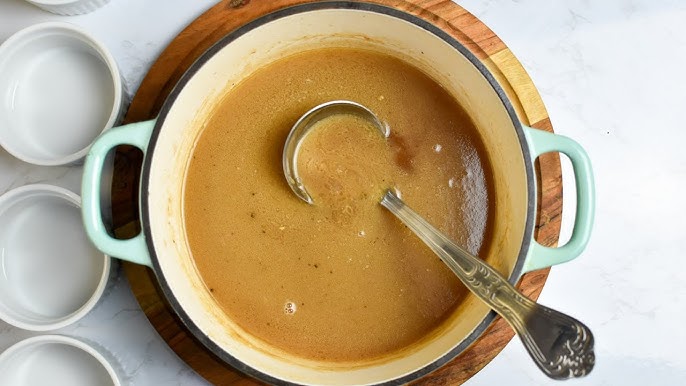
Au Jus Gravy Recipe: If you’re a fan of juicy prime rib or roast beef, you’ve probably been served that rich, flavorful sauce that brings it all together — Au Jus. Pronounced “oh zhoo,” this French-inspired culinary masterpiece is not just any gravy. It’s a thin, deeply savory sauce made from meat juices, often elevated with broth, wine, and herbs.
But what sets it apart from regular gravy? Unlike thick gravies made with flour or cornstarch, Au Jus is light, smooth, and packed with the natural umami of roasted meat. It’s a favorite in steakhouses and fine dining restaurants, but here’s the good news: making it at home is a breeze if you follow a solid recipe.
Why is it so important? Well, it enhances the taste of meat without overpowering it. Think of it as the perfect background singer in a band — not trying to steal the spotlight but still making the whole performance better. Whether you’re preparing a special holiday roast or just want to elevate your Sunday dinner, mastering Au Jus will take your culinary game to the next level.
So let’s break it down, step by step, into a recipe that’s not only easy to follow but also guaranteed to impress.
Ingredients Needed for Classic Au Jus Gravy
The beauty of Au Jus lies in its simplicity. You don’t need a long list of ingredients — just a few quality items that come together for that deep, beefy goodness.
Prime Ingredients:
- Pan drippings from roasted meat (like prime rib or roast beef): This is your liquid gold — the base of your Au Jus.
- Beef broth or stock: Go for low-sodium options so you can control the saltiness.
- Dry red wine (optional): Adds richness and depth. Cabernet or Merlot works great.
- Garlic (1-2 cloves, minced): Gives a sharp, aromatic punch.
- Shallots or onions (finely chopped): Adds sweetness and body.
- Thyme or rosemary sprigs: Herbs bring freshness and balance.
- Black pepper and sea salt: To season to taste.
Optional Add-ins for Flavor Boost:
- Worcestershire sauce: A dash can intensify the umami flavor.
- Soy sauce: Just a few drops can deepen the beefy notes.
- Butter: A final swirl can add silkiness and richness.
Pro Tip: Always taste as you go. Au Jus can easily become too salty if you’re using both broth and drippings, so start light and build flavor gradually.
Kitchen Tools You’ll Need
Don’t worry — you won’t need a full chef’s arsenal. Most of the tools required for making Au Jus are probably already in your kitchen. But here’s a list to make sure you’re well-prepared:
Essential Utensils:
- Roasting pan or baking tray: For catching those precious drippings.
- Fat separator or ladle: To skim off excess fat from the drippings.
- Fine mesh strainer or cheesecloth: For a smooth, lump-free sauce.
- Saucepan or skillet: To simmer your ingredients.
- Whisk or wooden spoon: For stirring and scraping the flavorful bits.
- Measuring cups and spoons: For precision.
Optional Equipment for Enhanced Flavor:
- Deglazing spatula: Helps scrape browned bits from the pan.
- Immersion blender: If you like your Au Jus with a slightly thicker, blended texture.
- Gravy boat: To serve your beautiful creation in style.
A good rule of thumb? Keep it simple, but don’t skip the strainer. Nothing ruins an elegant Au Jus like chunks of fat or rogue herbs floating around.
Step-by-Step Guide to Making Au Jus Gravy
Now we get to the heart of the matter — the actual cooking. These steps will walk you through the entire process, from post-roast to plated perfection.
Step 1: Collect the Pan Drippings
Once your roast is done, don’t toss out the juices left in the pan. Those brown bits stuck to the bottom? That’s flavor central. Carefully pour everything — juices and fat — into a bowl or measuring cup.
If your roast didn’t produce much juice, don’t worry. You can still make an excellent Au Jus with just beef broth and a few clever flavor boosters like Worcestershire sauce or soy.
Step 2: Skim the Fat
Fat has flavor, but too much will make your sauce greasy. Let the drippings sit for a few minutes until the fat rises to the top. Then use a ladle or fat separator to skim off the excess. Leave just a little behind for that rich mouthfeel.
If you’re short on time, a quick chill in the fridge can help the fat solidify faster.
Step 3: Deglaze the Pan
Place the roasting pan on the stove over medium heat. Add about half a cup of red wine (or broth if you prefer) and use a wooden spoon to scrape up all the browned bits. This is called deglazing, and it’s how you extract every ounce of flavor left behind.
Reduce the liquid slightly — this intensifies the taste and sets the base for your Au Jus.
Step 4: Add Beef Broth and Simmer
Pour in 2 to 3 cups of beef broth along with your pan drippings. Add garlic, onions, and herbs at this stage. Bring everything to a low simmer, not a full boil. Let it cook down for 10 to 15 minutes. This gives the flavors time to meld.
Taste and season with salt, pepper, and any of the optional add-ins we listed earlier. If the flavor is too mild, reduce it a bit longer or add a splash more wine or Worcestershire.
Step 5: Strain and Serve
Once the sauce reaches your desired flavor and consistency, pour it through a fine mesh strainer into a bowl or gravy boat. This step removes any solids — you want a smooth, silky sauce that glides over your meat like velvet.
Serve immediately or keep warm on the stove until ready.
Tips for the Perfect Au Jus Gravy
You might think, “It’s just meat juice—how hard can it be?” But even the simplest recipes have room for error. If you want to create a rich, restaurant-quality Au Jus that hits all the right notes, here are some expert tips and tricks to keep in mind.
Use High-Quality Ingredients
This isn’t the time to cheap out on broth. Whether you’re using store-bought beef broth or homemade stock, go for low-sodium and organic options whenever possible. The better the base, the better the final flavor. Same goes for wine—only use one you’d actually drink.
Don’t Skip the Deglazing
Those dark, crusty bits stuck to the bottom of the roasting pan are packed with flavor. Deglazing with wine or broth lifts all that umami goodness into your sauce. If you skip this step, you’re leaving a lot of flavor behind.
Balance Your Seasoning
Always taste before you salt. Since you’re using both broth and meat drippings—which are naturally salty—you may not need much extra seasoning. Add gradually and taste often. A splash of Worcestershire or soy can add depth without overpowering.
Simmer, Don’t Boil
A rolling boil can break down the delicate meat flavors and cause your Au Jus to become cloudy or overly reduced. Gentle simmering helps all the ingredients mingle harmoniously without any harshness.
Consider a Finishing Touch
Right before serving, add a small pat of unsalted butter. This not only gives your Au Jus a luxurious texture but also rounds out the flavors beautifully. It’s that little chef’s secret that makes a big difference.
How to Store and Reheat Au Jus
Made a big batch or have leftovers? Good! Au Jus is one of those magical sauces that actually improves with a little time. But there’s a right and wrong way to store and reheat it.
Storing Your Au Jus
- Refrigerator: Pour the cooled Au Jus into an airtight container or mason jar. It will stay fresh in the fridge for up to 4–5 days.
- Freezer: For longer storage, freeze your Au Jus in small portions using ice cube trays or freezer-safe bags. It can last up to 3 months. Just remember to leave a little room in containers for expansion.
Pro Tip: Label and date your containers. Once frozen, all sauces start to look alike.
Reheating Tips
- Stovetop: Pour the sauce into a saucepan and heat on low. Stir frequently to avoid burning. If it thickens too much, add a splash of broth or water.
- Microwave: Use short 20–30 second bursts, stirring in between. This method is convenient but requires more attention to avoid uneven heating.
- Don’t Boil Again: Reheating at high temperatures can change the flavor profile and ruin the texture. Gentle heat is the key.
Want to freshen it up a bit after thawing? Toss in a small amount of garlic or thyme and let it simmer for a couple of minutes. It’s like giving it a second life.
Serving Suggestions
So now you’ve made this gorgeous, silky Au Jus. What should you serve it with? While it’s traditionally paired with roasted meats, there’s a world of possibilities to explore. Here are some classic and creative ways to enjoy every drop.
Perfect Pairings
- Prime Rib: The most iconic combo. Pour the Au Jus directly over the sliced beef or serve it on the side for dipping.
- Roast Beef Sandwiches: Turn leftovers into gourmet fare. A toasted baguette + roast beef + melted provolone + warm Au Jus = perfection.
- Steak: Want to elevate a simple grilled steak? Drizzle a little Au Jus over the top right before serving.
- French Dip Sandwiches: A warm sandwich dipped into hot Au Jus is pure comfort food heaven.
Creative Uses
- Mashed Potatoes: Swap your usual gravy for Au Jus to give your mashed potatoes a beefy twist.
- Poutine: Replace traditional gravy with Au Jus for a gourmet version of this Canadian classic.
- Vegetable Drizzle: Roast some carrots, parsnips, or Brussels sprouts and spoon Au Jus over them. Even non-meat eaters will be impressed.
- Rice or Quinoa: A spoonful of Au Jus can add moisture and flavor to any grain-based dish.
Don’t be afraid to experiment. This sauce isn’t just a sidekick — it can transform any dish into a main event.
Creative Variations of Au Jus Gravy
Even though the classic version of Au Jus is practically perfect, there’s always room to spice things up. Depending on the type of dish you’re preparing or the flavor profile you’re aiming for, you can tweak the traditional Au Jus to create something new and exciting.
Red Wine Au Jus
One of the most luxurious variations, red wine Au Jus adds depth and complexity. Choose a full-bodied red wine like Cabernet Sauvignon or Syrah. Add it after deglazing the pan and reduce it before adding your broth. The result? A darker, richer sauce that complements fatty cuts like ribeye or filet mignon beautifully.
Garlic & Herb Au Jus
Infuse your sauce with extra garlic and herbs like thyme, rosemary, or even sage for a fragrant, Mediterranean-style Au Jus. Sauté garlic cloves in a bit of butter before adding broth and herbs. Strain well before serving.
Mushroom Au Jus
For an earthy twist, add finely chopped mushrooms (like cremini or shiitake) and sauté them before deglazing the pan. Mushrooms soak up the meat juices like a sponge and lend a bold, umami-rich character to the sauce. This variation is perfect for serving with pork or lamb.
Onion or Shallot Au Jus
If you’re into slightly sweeter, caramelized flavors, onions or shallots can bring that out. Sauté until golden brown and use them as your flavor base before adding liquids. This works particularly well with brisket or roast turkey.
Spicy Au Jus
For those who like a bit of heat, add a splash of hot sauce or a pinch of crushed red pepper flakes. Even a bit of horseradish can give it a bold, fiery kick. This is especially great with roast beef sandwiches or sliders.
By experimenting with ingredients you love, Au Jus becomes more than just a sauce—it becomes your signature.
Common Mistakes to Avoid
Let’s be real: even simple recipes can go sideways. To make sure your Au Jus turns out silky, flavorful, and restaurant-worthy every time, steer clear of these common blunders.
Skipping the Skimming
Leaving all the fat in the sauce will turn it greasy and unappetizing. Skimming the fat isn’t just optional — it’s crucial. A fat separator works best, but you can also use a spoon or chill the sauce to make skimming easier.
Over-Salting
Between meat drippings, broth, and add-ins like Worcestershire or soy sauce, it’s easy to go overboard on the salt. Taste as you go, especially before adding any extra seasoning. Once it’s too salty, it’s tough to fix.
Using Low-Quality Broth
Cheap, salty, and bland broths will ruin your Au Jus. Opt for high-quality or homemade broth. If using store-bought, choose low-sodium versions so you have more control over the flavor.
Boiling Instead of Simmering
High heat can cause the sauce to become cloudy and overly reduced. Simmer gently to preserve clarity and concentrate flavor the right way.
Skipping the Strain
Don’t serve Au Jus full of herb bits and garlic chunks. Always strain it through a fine mesh sieve for that smooth, professional finish.
Avoiding these pitfalls means your final result will be smooth, rich, and ready to impress.
FAQs about Au Jus Gravy Recipe
1. What is the difference between Au Jus and beef broth?
Beef broth is a seasoned liquid made by simmering beef bones and vegetables. Au Jus, on the other hand, is a sauce made from meat drippings and often includes broth as a base. It’s more concentrated and tailored for serving with roasted meats.
2. Can I make Au Jus without wine?
Absolutely. Wine adds richness, but you can substitute with extra broth, a splash of balsamic vinegar, or even a bit of apple cider vinegar for tang.
3. How do I prevent my Au Jus from becoming too watery?
Simmer it longer to reduce and concentrate the flavors. If needed, a small cornstarch slurry (cornstarch + cold water) can be added — but keep it minimal so you don’t lose the sauce’s classic texture.
4. Can I use chicken drippings for Au Jus?
Yes! While traditionally made with beef, you can use chicken drippings for a lighter, poultry-friendly version. Pair it with roasted chicken or turkey.
5. Is Au Jus only for meat dishes?
Nope. While it’s traditionally served with meat, you can drizzle it over roasted vegetables, mashed potatoes, or use it as a base for soups and stews for an extra umami kick.
Conclusion
There you have it — a complete, step-by-step guide to making the perfect Au Jus gravy. Whether you’re preparing a show-stopping roast beef dinner or just looking to elevate your leftovers, this simple yet elegant sauce will transform your meals. With the right ingredients, a few essential techniques, and some personal flair, you’ll be pouring gourmet-quality Au Jus in no time.
So, roll up your sleeves, grab that roasting pan, and get to making a sauce that’s bound to make your taste buds (and your dinner guests) very happy.
Bon appétit!