Asian Noodle Recipe: Asian noodles are a timeless culinary staple that blend bold flavors, hearty textures, and vibrant ingredients. Whether you’re craving a quick meal or an authentic dish with depth and character, mastering an Asian noodle recipe can bring the taste of the East right into your kitchen.
Let’s dive deep into a comprehensive, easy-to-follow guide to creating the perfect Asian noodle dish from scratch.
What Makes Asian Noodles Unique?
Asian noodles are far more than just a food—they’re a cultural experience. Unlike their Western pasta counterparts, Asian noodles come in a myriad of shapes, sizes, and textures, each designed for a specific type of dish. The uniqueness lies in their ingredients and regional variety: rice noodles, wheat noodles, egg noodles, and even glass noodles made from mung beans.
What sets Asian noodles apart is how they absorb sauces and flavors while still maintaining a chewy or silky texture. For instance, ramen noodles have a springy bite due to the use of kansui (alkaline water), whereas udon noodles are thick and soft, ideal for hearty broths. Additionally, the way they’re cooked—often stir-fried, boiled, or served cold—further adds to their diverse appeal.
Asian noodles also tend to act as a neutral base, allowing spices like ginger, garlic, and soy to really shine. Whether it’s spicy, savory, or slightly sweet, the combination of sauces and aromatics brings every noodle dish to life.
Popular Types of Asian Noodles
Navigating the noodle aisle at an Asian market can feel overwhelming, but here are some of the most popular types you should know:
- Rice Noodles: Light and slightly chewy, ideal for stir-fries and soups like Pho or Pad Thai.
- Egg Noodles: Rich and golden, used in lo mein or wonton noodle soup.
- Udon: Thick, soft wheat noodles perfect for broth-based dishes.
- Soba: Thin, buckwheat noodles with a nutty flavor, often eaten cold.
- Ramen: Springy and firm, typically paired with rich, complex broths.
- Glass Noodles: Transparent noodles made from starch (like mung bean), great in salads and hot pots.
Each variety brings a different experience, so choosing the right one for your recipe is crucial.
Ingredients You’ll Need
Noodles Base
The noodle is your canvas. For this recipe, let’s use egg noodles for their versatile texture and quick cooking time. You’ll need:
- 200g dried egg noodles (or fresh if available)
- Salt (optional) for boiling
You can substitute with rice noodles for a gluten-free version.
Vegetables and Protein
The magic of an Asian noodle dish is its mix of vibrant veggies and proteins. Here’s what you’ll need:
- 1 cup sliced bell peppers (red, green, yellow)
- 1 cup shredded carrots
- 1/2 cup sliced onions
- 1/2 cup chopped scallions
- 1 cup chopped bok choy or napa cabbage
- 1 tbsp minced garlic
- 1 tbsp minced ginger
For protein, choose one:
- 200g chicken breast (sliced thin)
- 200g tofu cubes (for vegetarian option)
- 200g shrimp (peeled and deveined)
- 2 eggs (scrambled for egg noodles stir-fry)
Sauces and Seasonings
Asian cooking is all about balance. These ingredients create that iconic flavor:
- 2 tbsp soy sauce (for saltiness)
- 1 tbsp oyster sauce (adds umami)
- 1 tbsp sesame oil (nutty richness)
- 1 tsp chili sauce or sriracha (for heat)
- 1 tbsp hoisin sauce (sweet depth)
- 1/2 tsp sugar
- A pinch of white pepper or black pepper
Optional:
- 1 tbsp rice vinegar or lime juice for acidity
- Crushed peanuts or sesame seeds for garnish
Preparation Tips Before Cooking
How to Prep Ingredients Like a Pro
Proper prep work makes cooking seamless. Here’s a quick guide:
- Wash and chop vegetables: Keep everything bite-sized for faster stir-frying.
- Slice proteins thinly: This ensures they cook quickly and evenly.
- Mix sauces ahead of time: Combine soy sauce, oyster sauce, and hoisin in a bowl for quick access.
- Cook noodles ahead: Rinse in cold water to stop them from sticking together.
- Use a wok or large skillet: It distributes heat evenly and makes tossing ingredients easier.
Prepping everything beforehand will prevent overcooked noodles or soggy veggies.
Choosing the Right Noodles
Choosing the right noodle type changes everything. Egg noodles are best for a chewy, satisfying texture that holds up in stir-fry. If you’re going for a lighter feel, opt for rice noodles. Glass noodles are great if you’re aiming for a delicate, slippery finish, while soba adds a nutty tone ideal for cold noodle dishes.
Make sure to read the package directions carefully. Some noodles require soaking instead of boiling. Always undercook by a minute if stir-frying later, as they’ll finish cooking in the pan.
Step-by-Step Cooking Instructions
Step 1: Boil the Noodles
Cooking the noodles properly is essential—it’s the backbone of the entire dish. Start by bringing a large pot of water to a rolling boil. Add a pinch of salt if you like, though many Asian noodles don’t require it since the sauces provide plenty of flavor.
Once the water is boiling, add your noodles. If you’re using dried egg noodles, they usually take around 3 to 5 minutes. Keep an eye on them—overcooking turns them mushy, while undercooking leaves them too firm. The goal is al dente with a slight bite.
Immediately after cooking, drain the noodles and rinse them under cold running water. This not only halts the cooking process but also removes excess starch, preventing them from sticking together. If they’re sitting for a while before stir-frying, toss them in a little oil (preferably sesame) to keep them loose and flavorful.
Step 2: Stir-Fry the Veggies and Proteins
Here’s where all the aromas and textures come alive.
Start by heating 2 tablespoons of oil in a large wok or skillet over medium-high heat. Use a high-smoke-point oil like vegetable, peanut, or sunflower oil. Once the oil is hot, add your minced garlic and ginger. Stir quickly for 10–15 seconds to avoid burning—this forms your flavor base.
Next, toss in your chosen protein—chicken, tofu, shrimp, or eggs. Stir-fry until it’s cooked through. For chicken and shrimp, this takes about 3–5 minutes. For tofu, you’ll want it golden and slightly crispy. If using eggs, scramble them quickly until set.
Now, add the onions, carrots, and bell peppers. Stir-fry for 2–3 minutes until slightly softened but still crisp. Finally, throw in the bok choy and scallions. Stir everything together for another minute. You want vibrant, bright veggies—not limp and soggy.
This method ensures your dish is colorful, nutritious, and full of varying textures with every bite.
Step 3: Combine and Sauce It Up
Now for the best part—combining everything.
Add the cooked noodles to the pan, gently tossing them with the veggies and proteins. Use tongs or a spatula to mix without breaking the noodles. It’s important to work quickly here so everything stays hot.
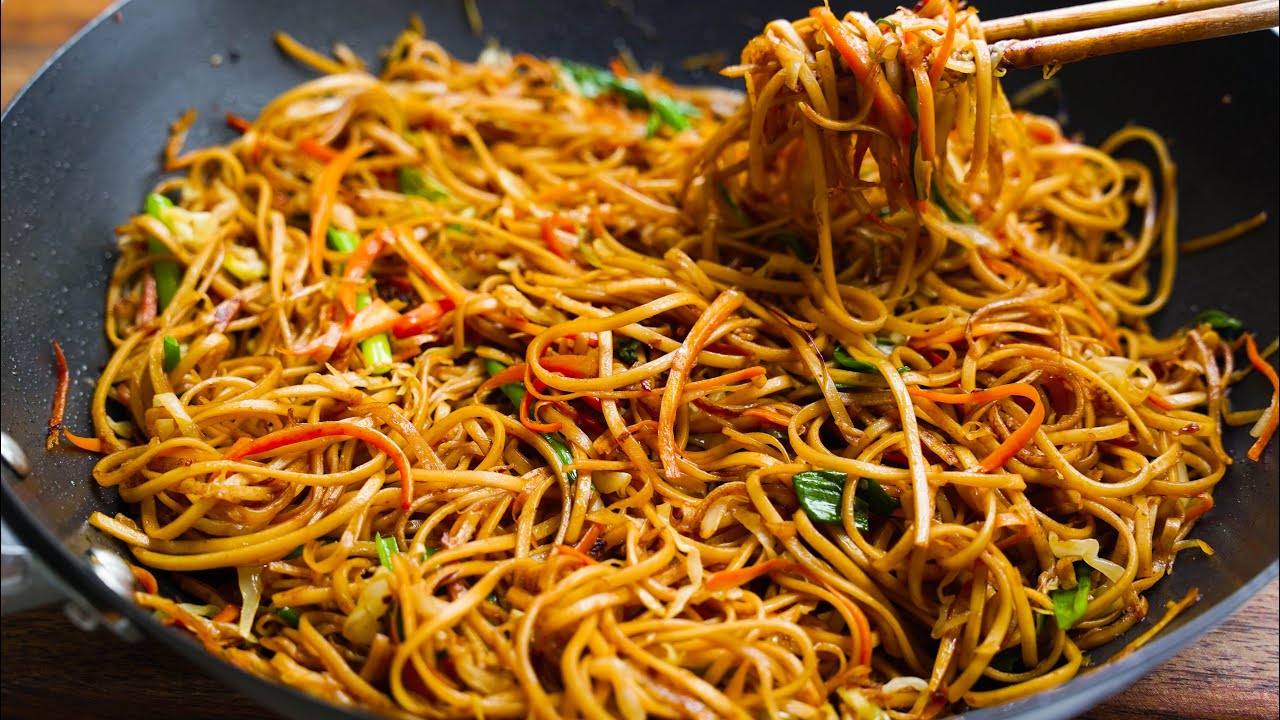
Pour your premixed sauce (soy sauce, oyster sauce, hoisin, chili sauce, and sesame oil) evenly over the noodles. Stir and toss until the noodles are fully coated and glistening with sauce. Let everything sizzle together for about 2–3 more minutes.
If the noodles seem dry, splash in a bit of water or broth to loosen them up. Taste and adjust—add more soy for salt, sugar for sweetness, or chili sauce for heat. When you’re satisfied with the balance, you’re done!
Pro tip: Let the noodles sit undisturbed for 30 seconds in the pan to get some crispy edges. It adds a restaurant-style finish.
Serving and Garnishing Tips
Best Garnishes for Flavor and Presentation
Presentation matters—and garnishes can take your noodles from “meh” to “wow.” Here are some flavor-packed finishing touches:
- Chopped scallions: Adds a fresh, oniony bite
- Toasted sesame seeds: Nutty crunch that complements the sesame oil
- Crushed peanuts: Common in Thai-style noodles for texture
- Fresh cilantro: A bright herbaceous twist
- Lime wedges: A squeeze right before eating brightens the dish
- Chili flakes or fresh red chili slices: For those who like it fiery
Garnishes do more than just look good—they introduce contrast in taste and texture, keeping each bite interesting.
Side Dishes to Complement Asian Noodles
If you’re planning a fuller meal, pairing your noodle dish with simple sides can make it extra special. Here are a few ideas:
- Asian cucumber salad: Light, refreshing, and cuts through the richness
- Spring rolls or egg rolls: Crispy and savory snacks to serve alongside
- Miso soup or clear broth: A warm starter to whet the appetite
- Kimchi or pickled vegetables: Brings tang and spice for contrast
- Steamed dumplings: Perfect bite-sized treats
These sides not only enhance the meal but also make it feel like an authentic Asian dining experience.
FAQs about Asian Noodle Recipe
1. Can I use spaghetti instead of Asian noodles?
Yes, in a pinch you can use spaghetti or linguine, especially for stir-fry dishes. While it won’t replicate the exact texture, it absorbs sauce well and makes a decent substitute.
2. What’s the best way to store leftover Asian noodles?
Place leftovers in an airtight container and refrigerate for up to 3 days. To reheat, use a skillet over medium heat with a splash of water or broth to loosen the noodles.
3. How can I make my Asian noodles gluten-free?
Use rice noodles or glass noodles, and ensure your sauces (soy sauce, hoisin, etc.) are labeled gluten-free. Tamari is a great gluten-free alternative to soy sauce.
4. Is it okay to mix different types of noodles?
While you can, it’s best to stick to one type for uniform texture and cooking time. Mixing may cause some noodles to overcook while others remain underdone.
5. Can I meal prep this dish in advance?
Absolutely! Cook everything and store components separately—noodles, veggies, proteins, and sauce. When ready to eat, just toss them together in a hot skillet.
Conclusion
Cooking Asian noodles at home doesn’t have to be intimidating. With the right ingredients, some simple techniques, and a little creativity, you can whip up a dish that rivals your favorite takeout spot. The beauty of this recipe lies in its flexibility. You can tailor it to your taste—add more spice, go vegetarian, or swap in your favorite noodles. The possibilities are endless.
One of the best things about homemade Asian noodles is that you control everything. You can use fresh, healthy ingredients and avoid excessive oils or MSG that some restaurants might use. Plus, the satisfaction of slurping up a bowl of noodles you made yourself? Unbeatable.
Here are a few final tips to make your noodle dishes even better:
- Always taste and adjust your sauce. The balance of salty, sweet, tangy, and spicy is the key to nailing the flavor.
- Don’t overcrowd the pan when stir-frying. Too many ingredients at once will steam instead of sear.
- Prepping everything before you turn on the heat is essential. Stir-frying happens fast.
- Use leftovers creatively—cold noodle salad, noodle soup, or even a noodle-stuffed omelet.
Whether you’re a novice cook or an experienced foodie, Asian noodles offer a culinary playground worth exploring. From street-style stir-fries to home-style comfort dishes, once you master this staple, you’ll always have a go-to meal that impresses.