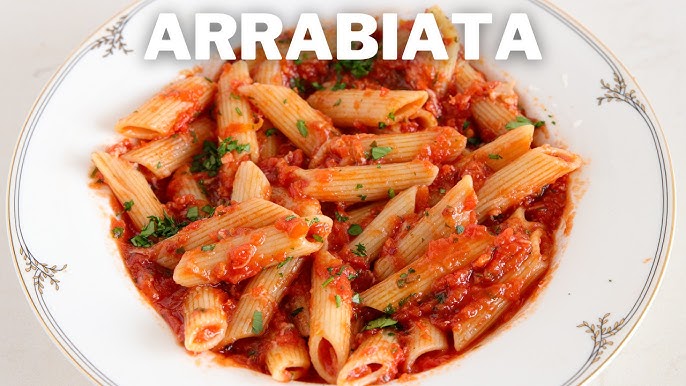
Arrabiata Sauce Recipe: Arrabiata sauce, or “sugo all’arrabbiata” in Italian, is a classic spicy tomato-based pasta sauce that hails from the Lazio region, particularly Rome. The name “arrabiata” translates to “angry” in Italian, referencing the fiery kick of red chili peppers that give the sauce its bold flavor. Made with simple ingredients like garlic, tomatoes, olive oil, and red pepper flakes, this sauce is a staple in Italian kitchens and a go-to for those who like their meals with a bit of heat.
Unlike heavier pasta sauces loaded with cream or meat, arrabiata is all about intensity and simplicity. It’s vibrant, punchy, and full of personality—ideal for a quick dinner or an indulgent Italian night at home. The beauty of this sauce lies in its minimalism; just a handful of fresh ingredients come together to create a robust, restaurant-quality dish.
Why It’s a Popular Choice
What makes arrabiata sauce so beloved around the world? First off, it’s incredibly easy to make. You don’t need to be a master chef or own a bunch of specialty tools to whip this up in under 30 minutes. It’s also highly versatile—you can pair it with any pasta, use it as a dipping sauce, or even as a base for other Italian dishes like chicken arrabiata or baked ziti.
Additionally, this sauce is naturally vegan and gluten-free, making it a crowd-pleaser for all types of eaters. The balance of acidity from the tomatoes, heat from the chili, and sweetness from slow-cooked garlic is simply irresistible. Whether you’re making it for a casual dinner or to impress guests, arrabiata delivers bold flavors without the fuss.
Ingredients Needed for Arrabiata Sauce
Fresh Ingredients
The heart of arrabiata sauce lies in its ingredients. Here’s what you’ll need:
- 2 tablespoons olive oil (extra virgin preferred)
- 4 garlic cloves, minced
- 1 to 2 teaspoons red chili flakes (adjust based on spice tolerance)
- 1 can (28 oz) whole peeled tomatoes or use fresh plum tomatoes if in season
- Salt, to taste
- Freshly ground black pepper, to taste
- 1 teaspoon sugar (optional, to balance acidity)
- Fresh basil or parsley, chopped, for garnish
Every ingredient plays a crucial role in delivering the final taste. Olive oil adds richness and helps carry the heat of the chili throughout the sauce. Garlic brings depth, and the red chili flakes provide that signature “angry” kick. Tomatoes are the base, so choose high-quality canned or ripe fresh tomatoes for the best result.
Optional Add-ins
Want to customize your arrabiata? Here are some optional ingredients you can include:
- Onion: finely chopped, for added sweetness and body
- Parmesan cheese: for a savory topping (note: not vegan)
- Anchovy paste: for a umami depth (use sparingly)
- Red wine: a splash can intensify the sauce’s flavor
- Butter: stirred in at the end for richness
These additions aren’t traditional but can take your arrabiata in exciting new directions. Just be sure not to overpower the sauce’s signature chili-garlic-tomato trio.
Equipment You’ll Need
Kitchen Essentials for the Recipe
No fancy tools required! Here’s what you’ll need to get started:
- Large skillet or sauté pan: Preferably non-stick or stainless steel.
- Wooden spoon or silicone spatula: For stirring and sautéing.
- Sharp knife and cutting board: For prepping garlic and any herbs.
- Can opener: If you’re using canned tomatoes.
- Blender or immersion blender (optional): If you prefer a smooth texture.
Using the right tools can streamline your cooking process and enhance the end result. A wide skillet helps evaporate liquid quickly, resulting in a thicker, more concentrated sauce.
Preparing Your Ingredients
Chopping and Measuring Tips
Before you fire up the stove, make sure everything is ready to go. Here’s how to prep efficiently:
- Mince the garlic finely to ensure it evenly flavors the oil.
- Measure out chili flakes ahead of time to control the heat.
- If using whole tomatoes, crush them by hand in a bowl for a rustic texture or pulse in a blender for a smoother sauce.
- Chop herbs just before use to retain their freshness and flavor.
Proper preparation not only saves time but also ensures each ingredient cooks at the right pace. Since arrabiata comes together quickly, having everything in place (mise en place, as chefs say) is crucial for a smooth process.
Step-by-Step Cooking Instructions
Step 1: Sauté the Garlic and Chili
Start by heating the olive oil in your skillet over medium heat. Once hot, add the minced garlic and red chili flakes. Sauté gently until the garlic turns golden and fragrant—about 1-2 minutes. Be careful not to let the garlic brown too much, or it can turn bitter.
This initial step is where the oil gets infused with flavor. The chili releases its heat, and the garlic adds that irresistible aroma that kicks off the sauce. Stir continuously to prevent burning.
Step 2: Add the Tomatoes and Simmer
Once your garlic and chili flakes are perfectly sautéed, it’s time to add the tomatoes. Pour in the crushed tomatoes (or fresh chopped ones), and give everything a good stir. You’ll immediately see the sauce start to bubble and release that classic Italian aroma.
If using canned whole tomatoes, gently crush them with a spoon as they cook. You want to break them down but still keep some texture. If you prefer a smoother sauce, you can use an immersion blender right in the pan, or transfer the sauce to a blender and pulse it for a few seconds. Either way, the goal is a rich, velvety consistency that still feels homemade.
Let the sauce simmer on low heat for at least 15–20 minutes. This simmering stage is essential—it helps the flavors meld together, reduces excess water, and concentrates the natural sweetness and acidity of the tomatoes. If you notice the sauce getting too thick, just splash in a bit of water or pasta cooking water to loosen it up.
This is also a good time to taste and adjust. If your tomatoes are too acidic, add a teaspoon of sugar. Need more heat? Add a pinch more chili flakes. Want a deeper umami flavor? A dash of soy sauce or anchovy paste can work wonders without altering the authentic taste.
Step 3: Season and Reduce
After your sauce has simmered and thickened, it’s time to bring it to life with seasoning. Add salt and black pepper to taste. Salt enhances the natural sweetness of tomatoes and brings balance to the heat. A good rule of thumb is to start with a pinch, taste, and adjust as needed.
If your sauce tastes too sharp, that sugar you added earlier should mellow it out. But be cautious—you don’t want it too sweet. Arrabiata is supposed to be bold and slightly tangy, not sugary. Let the sauce continue to simmer uncovered for another 5–10 minutes to reduce further and intensify the flavor.
The reduced consistency should be thick enough to coat the back of a spoon but still saucy enough to cling to pasta. If you’re cooking pasta simultaneously, reserve about a half-cup of the pasta water before draining. This starchy liquid can be added to the sauce to help it adhere better to the noodles.
Pro Tip: Taste the sauce with a small spoon of your cooked pasta. This gives you a real sense of how the seasoning will translate once combined.
Step 4: Finishing Touches
Now that your sauce is rich, spicy, and full of flavor, it’s time to wrap things up with a few finishing touches. If you’re adding fresh herbs like chopped parsley or basil, do it now. Stir them in just before serving so their vibrant flavors stay intact.
Want a glossy, restaurant-style finish? Stir in a knob of butter or a splash of high-quality olive oil right at the end. This not only enriches the sauce but also smooths out the acidity and balances the heat.
If serving with pasta, add your drained pasta directly into the pan with the sauce and toss everything together for a minute over low heat. This final toss lets the sauce cling beautifully to every piece of pasta, turning it into a cohesive dish rather than just noodles with sauce on top.
Garnish with a sprinkle of fresh herbs or a bit of grated Parmesan if you’re not strictly vegan. And there you have it—authentic, fiery, and flavor-packed arrabiata sauce ready to serve!
Serving Suggestions
Best Pasta Pairings
Arrabiata sauce is most traditionally served with penne pasta—its tubular shape catches all that spicy goodness and makes for a satisfying bite. But you’re not limited to penne. Here are other pasta options that pair beautifully:
- Spaghetti: For a classic slurpable experience.
- Rigatoni: Bigger tubes, bigger flavor absorption.
- Fusilli: Spirals hold the sauce well in every twist.
- Linguine: Great for a more refined, restaurant-style presentation.
No matter the shape, the key is to cook your pasta al dente so it doesn’t go mushy when tossed with the sauce.
Garnish Ideas
Though arrabiata is perfect on its own, a few simple garnishes can elevate it even more:
- Fresh basil or parsley: Adds a burst of color and freshness.
- Crushed red pepper: A sprinkle for extra heat lovers.
- Grated Parmesan or Pecorino Romano: For a savory, nutty finish.
- Drizzle of olive oil: Adds richness and visual appeal.
You can also serve your arrabiata pasta with garlic bread, a green salad, or a glass of red wine (Chianti or Sangiovese work wonderfully).
Storage and Reheating Tips
How to Store for Later Use
One of the best things about arrabiata sauce is how well it stores. Whether you’re meal prepping or saving leftovers, here’s how to keep it fresh:
- Refrigerator: Store in an airtight container for up to 5 days.
- Freezer: Freeze in portions using airtight containers or zip-lock bags for up to 3 months. Label them with the date so you know when to use them.
Before storing, let the sauce cool to room temperature. This helps prevent condensation that can affect texture and taste.
Reheating Without Losing Flavor
To reheat, simply transfer the sauce to a saucepan and warm it over medium-low heat. If it’s too thick, add a splash of water or broth to loosen it up. Stir occasionally to prevent burning.
Avoid using the microwave unless absolutely necessary—it can create hot spots and uneven heating. If you must microwave, do it in short bursts, stirring in between.
Nutritional Information
Health Benefits of Ingredients
Arrabiata sauce isn’t just delicious—it’s also packed with nutritious ingredients that are good for your body. Here’s a quick look at what makes it a smart choice for healthy eaters:
- Tomatoes: Rich in vitamins A, C, and K, as well as lycopene—an antioxidant known for its cancer-fighting and heart-health benefits.
- Garlic: A natural immune booster. It has antibacterial and anti-inflammatory properties and may help lower cholesterol and blood pressure.
- Red chili flakes: These fiery little flakes contain capsaicin, which boosts metabolism, reduces appetite, and can even reduce pain and inflammation.
- Olive oil: A source of healthy monounsaturated fats, olive oil supports heart health, brain function, and lowers bad cholesterol.
- Herbs like parsley and basil: Full of antioxidants, these greens offer an added dose of vitamins and anti-inflammatory compounds.
Another big plus? The sauce is naturally vegan, gluten-free, and low in calories. You control the sodium and spice levels, making it adaptable for various dietary needs. It’s also sugar-optional, which helps you cut down on unnecessary carbs or sweeteners.
If you’re pairing it with whole grain or gluten-free pasta, you’ve got yourself a fully balanced and wholesome meal that doesn’t compromise on taste.
Tips and Tricks for Perfect Arrabiata
Common Mistakes to Avoid
Even though arrabiata sauce is simple, a few common mistakes can lead to disappointing results. Let’s run through what not to do:
- Burning the garlic: Once garlic turns brown, it turns bitter. Always sauté on medium or low heat and stir constantly.
- Overcooking the chili flakes: Like garlic, chili flakes can also burn easily. Add them just before the garlic starts to turn golden.
- Using poor-quality tomatoes: The sauce depends heavily on tomato flavor. Choose canned San Marzano or ripe fresh tomatoes.
- Underseasoning: Don’t forget to taste and adjust salt and pepper throughout the cooking process.
- Over-reducing the sauce: If it gets too thick, add a little water or broth to balance it out.
These little missteps can throw off the taste, so it’s worth being mindful of the process even if it’s quick and easy.
Pro Tips for Better Flavor
Want to elevate your arrabiata game from good to restaurant-level? Here’s how:
- Add a splash of red wine while the sauce simmers for depth.
- Use anchovy paste or umami boosters like miso or soy sauce for an extra layer of flavor.
- Let it sit: Like many tomato sauces, arrabiata gets better with time. If you can, make it a day ahead and reheat before serving.
- Finish with pasta water: A few tablespoons of starchy pasta water help emulsify the sauce, giving it a silky finish.
Experimentation is part of the fun. You can tweak the spice, the texture, or even the herbs to match your personal taste.
Variations of Arrabiata Sauce
Creamy Version
Love a bit of richness with your heat? Turn your classic arrabiata into a creamy arrabiata sauce by stirring in:
- A splash of heavy cream or half-and-half
- Cream cheese or mascarpone
- A vegan alternative like coconut cream or cashew cream
This mellows out the spice and gives the sauce a velvety texture that clings beautifully to pasta. It’s a great choice if you’re serving someone who prefers moderate heat or wants a luxurious feel to the dish.
Vegan and Gluten-Free Options
The original arrabiata sauce is already vegan and gluten-free, but if you’re making it into a full meal, here’s how to stay on track:
- Pasta: Choose rice pasta, lentil pasta, or any certified gluten-free noodles.
- No cheese garnish: Opt for nutritional yeast or a vegan cheese alternative.
- Protein additions: Toss in sautéed mushrooms, chickpeas, or lentils for added nutrition without compromising your dietary needs.
This sauce is naturally one of the most diet-friendly out there. You won’t need to make many adjustments to suit almost any lifestyle.
Pairing Arrabiata with Other Dishes
Salads, Sides, and Wine Pairings
Arrabiata sauce is bold, so pair it with foods that complement or contrast its fiery flavor. Here are some ideas:
Salads:
- Arugula salad with lemon vinaigrette: The peppery greens and citrus cut through the heat.
- Caprese salad: Cool mozzarella and tomatoes balance out the spice.
Sides:
- Garlic bread or focaccia: Perfect for soaking up every last drop.
- Grilled vegetables: Zucchini, bell peppers, and eggplant pair wonderfully.
Wine Pairings:
- Chianti: Its acidity matches the tomato base.
- Sangiovese: Pairs well with spicy, tomato-rich sauces.
- Zinfandel: Fruity and bold enough to hold up against the heat.
If you prefer non-alcoholic options, go with sparkling water with lime, or a cold, slightly sweet iced tea to refresh the palate between bites.
FAQs about Arrabiata Sauce Recipe
1. How spicy is arrabiata sauce?
It varies. You can adjust the red chili flakes to your taste. Traditional arrabiata is moderately to very spicy.
2. Can I make arrabiata sauce ahead of time?
Absolutely. In fact, it often tastes better the next day as the flavors have time to deepen.
3. Can I freeze arrabiata sauce?
Yes! Cool completely and store in airtight containers or bags. Freeze for up to 3 months.
4. What’s the best pasta for arrabiata?
Penne is the classic choice, but spaghetti, rigatoni, and fusilli all work great.
5. Can I use fresh tomatoes instead of canned?
Yes. Just blanch and peel them first, then chop and cook as directed. It gives a fresher, lighter taste.
Conclusion
Arrabiata sauce is one of those dishes that proves just how powerful simplicity can be. With just a few ingredients—garlic, tomatoes, chili, and olive oil—you can create a sauce that’s rich, bold, spicy, and deeply satisfying. Whether you’re new to Italian cooking or a seasoned pasta lover, this fiery favorite deserves a spot in your weekly dinner rotation.
It’s fast, versatile, and endlessly customizable. You can go classic with penne, experiment with creamy versions, or make it part of a bigger Italian spread. The spice level? That’s entirely up to you. What matters most is that you enjoy every fiery, flavorful bite.
So next time you’re in the mood for something bold, skip the takeout and make arrabiata from scratch. Trust me—it’s worth every minute.