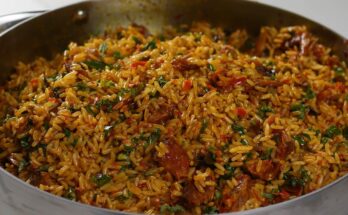
Wild Rice Soup Recipe: If you’re craving a hearty, comforting bowl of soup that’s both nutritious and packed with flavor, wild rice soup might just be your next go-to recipe. This delightful dish combines earthy wild rice, a medley of vegetables, and rich, creamy broth in a satisfying way. Whether you’re curled up on a chilly evening or prepping for a wholesome weekday meal, this wild rice soup will hit the spot.
What Makes Wild Rice Soup So Special?
Wild rice soup isn’t your average bowl of soup. It’s thick, hearty, and boasts a unique nutty flavor that comes from—you guessed it—wild rice. Unlike traditional white or brown rice, wild rice isn’t technically a rice at all. It’s the seed of an aquatic grass, native to North America, particularly around the Great Lakes region.
What makes it so beloved in soups? It holds its texture even after long simmering, soaking up the rich flavors of the broth and vegetables without turning mushy. This makes it ideal for a dish that’s all about comforting textures and layered tastes.
Plus, wild rice is packed with protein, fiber, and essential minerals, making this soup not just comforting but nourishing. Whether you’re vegan, vegetarian, or an omnivore, wild rice soup can be customized to suit your dietary preferences, making it a truly versatile dish.
A Quick Look at the History of Wild Rice
Before diving into the kitchen, it’s fun to know where your food comes from. Wild rice has a deep-rooted cultural significance, especially among Native American tribes like the Ojibwe, who refer to it as “manoomin.” For centuries, it was harvested by canoe from the shallow lakes of Minnesota and Canada, then sun-dried and roasted.
Incorporating wild rice into soup is a modern adaptation, but the grain’s rich history makes every spoonful feel just a little more special. It connects tradition with contemporary cooking in the most delicious way possible.
Essential Ingredients for Wild Rice Soup
Wild Rice: The Star of the Dish
Not all wild rice is created equal. There’s true wild rice—hand-harvested and usually more expensive—and cultivated wild rice, which is grown in controlled environments. Both work beautifully in soups, but true wild rice offers a more pronounced, earthy flavor and firmer texture.
Cooking wild rice takes longer than your average grain—usually about 45 to 60 minutes. But don’t worry, we’ll show you how to do it right in the recipe steps. You’ll know it’s ready when the grains burst open and curl slightly at the ends.
Vegetables That Enhance the Flavor
This soup thrives on a hearty blend of vegetables. The must-haves?
- Onions – Bring the foundational sweetness.
- Carrots – Add color and natural sweetness.
- Celery – Delivers that aromatic punch.
- Garlic – For depth of flavor.
- Mushrooms – Optional but highly recommended for umami.
You can also throw in kale, spinach, or peas for added nutrition and a pop of color. The goal is to create a medley that complements the chewy, nutty rice without overpowering it.
Cream or Broth? Your Base Options
Now comes the decision: do you want a creamy soup or a broth-based one?
- Cream-based wild rice soup is rich, thick, and indulgent. Ideal for cold nights when you need something hearty.
- Broth-based soups are lighter and perfect for a cleaner, more health-conscious meal.
For creaminess without dairy, try coconut milk or cashew cream. For a deeper, meaty flavor, opt for chicken broth or beef stock. Vegetarian? Stick with a robust vegetable broth.
Step-by-Step Guide to Making Wild Rice Soup
Step 1: Gathering Your Ingredients
Let’s set the stage. Here’s what you’ll need:
- 1 cup uncooked wild rice
- 1 tablespoon olive oil or butter
- 1 large onion, diced
- 2 carrots, peeled and sliced
- 2 celery stalks, chopped
- 2-3 garlic cloves, minced
- 1 cup mushrooms, sliced (optional)
- 6 cups broth (vegetable, chicken, or beef)
- 1 cup heavy cream or non-dairy alternative
- Salt and pepper to taste
- Fresh herbs like thyme or parsley for garnish
Optional:
- Cooked shredded chicken or tofu
- A splash of white wine for added depth
It’s best to chop all your veggies beforehand. Once everything’s prepped, the cooking process becomes smooth and easy.
Step 2: Preparing the Wild Rice
Start by rinsing the wild rice thoroughly under cold water. This removes excess starch and helps with a cleaner cook.
In a large pot, add 3 cups of water for every cup of wild rice. Bring it to a boil, then reduce heat to a simmer. Let it cook uncovered for about 45 minutes or until the grains begin to burst open. Drain any excess water.
Pro tip: Cook the rice ahead of time and store it in the fridge. This step alone saves you nearly an hour during meal prep.
Step 3: Sautéing the Vegetables
This is where the magic starts. Grab a large pot or Dutch oven and heat your olive oil or butter over medium heat. Once it’s hot, toss in your diced onions, carrots, and celery. Let them cook for about 5 to 7 minutes, stirring occasionally. You’ll know it’s time for the next step when the onions become translucent and everything starts to smell incredible.
Next, add the garlic and mushrooms (if using). Stir and sauté for another 3-4 minutes. The garlic will become fragrant and the mushrooms will begin to soften and release their juices.
If you’re using white wine, now’s the time to add a splash—about 1/4 cup. Let it simmer and reduce for a couple of minutes to burn off the alcohol. This adds an extra layer of flavor and complexity to the broth.
At this point, you’ve built a rich, savory base that will carry the rest of the soup. The sautéed veggies not only provide nutrients but also help balance the hearty wild rice and creamy broth you’ll add next.
Step 4: Simmering Everything Together
Pour in your broth—whether it’s veggie, chicken, or beef—and bring it to a gentle boil. Once bubbling, reduce the heat and let it simmer. Now’s the time to season with salt, pepper, and herbs like thyme or bay leaves. Let it all cook for about 20 minutes to meld the flavors together beautifully.
If you’re using pre-cooked wild rice (as suggested earlier), add it in now and let it simmer along with the vegetables. If you’re adding shredded chicken or tofu, stir that in too.
Here’s the key: simmer low and slow. This gives the soup body and allows each ingredient to contribute to the overall taste. You don’t want a rushed soup—you want a deeply flavorful one.
If the soup gets too thick, add a bit more broth. If it’s too thin, keep simmering or add a tablespoon of flour or cornstarch slurry to thicken it gently.
Step 5: Adding the Final Touches
Now comes the creamy part. Turn the heat down to low and pour in your cream, coconut milk, or cashew cream. Stir gently and allow it to warm up—don’t let it boil, or the cream may curdle.
This final step transforms your soup from good to downright irresistible. The creaminess brings everything together, making each spoonful feel luxurious.
Taste it one last time and adjust your seasonings as needed. Maybe a pinch more salt or a crack of black pepper? Perhaps a dash of lemon juice to brighten things up? Don’t be afraid to tweak—it’s your soup.
Serve hot, garnished with fresh herbs like chopped parsley or a sprinkle of paprika. A warm slice of crusty bread on the side? Absolute perfection.
Tips and Tricks for the Best Wild Rice Soup
How to Enhance the Flavor Naturally
Want to take your wild rice soup to the next level without loading it with salt or artificial flavoring? Here are a few tips:
- Roast your veggies before sautéing for a deeper flavor.
- Add a parmesan rind while simmering (remove before serving) to infuse umami.
- Include fresh herbs like rosemary, thyme, or sage instead of dried.
- Try smoked paprika or cumin for a subtle kick.
And don’t underestimate the power of acidity. A small splash of vinegar or lemon juice at the end can make your soup sing.
Storage and Reheating Suggestions
Wild rice soup stores like a dream, making it perfect for meal prep. Here’s how to handle leftovers:
- Fridge: Store in an airtight container for up to 4-5 days. The flavors deepen over time.
- Freezer: Pour into freezer-safe containers, leaving room for expansion. It keeps for up to 3 months. Thaw in the fridge overnight before reheating.
When reheating, do so over low heat and add a splash of broth or water to restore the consistency. Avoid microwaving it at high heat, as that may cause the cream to separate or the rice to get mushy.
FAQs about Wild Rice Soup Recipe
Can I make wild rice soup vegan?
Absolutely! Use vegetable broth and replace the cream with coconut milk, cashew cream, or any unsweetened plant-based milk. Add in tofu or beans for extra protein. You’ll still get that creamy, satisfying texture—completely dairy-free.
How long does wild rice soup last in the fridge?
Properly stored in an airtight container, wild rice soup will last up to 4 to 5 days in the fridge. Make sure to cool it down before storing and reheat gently on the stove or in the microwave with a splash of broth or water.
Can I freeze wild rice soup?
Yes! This soup freezes well for up to 3 months. However, if you’re using cream, the texture might change slightly when reheated. To avoid this, consider freezing the soup before adding the cream and then stirring it in after thawing and reheating.
What protein can I add to wild rice soup?
Plenty of options! Cooked shredded chicken, turkey, or even sausage are great additions. For plant-based proteins, tofu, chickpeas, or lentils work well and absorb the soup’s flavors beautifully.
Is wild rice healthier than white rice?
Yes, wild rice is generally considered healthier. It’s higher in protein, fiber, and essential nutrients like magnesium and zinc. It also has a lower glycemic index, making it a great option for sustained energy and better blood sugar control.
Conclusion
Wild rice soup is more than just a comforting meal—it’s an experience. From the rustic texture of the wild rice to the velvety cream that ties it all together, every spoonful is a reminder of how simple ingredients can deliver unforgettable flavor. This dish is perfect for cozy nights, family dinners, or even meal prepping for a busy week ahead.
What’s great about wild rice soup is its adaptability. You can make it dairy-free, meat-free, or load it up with protein—it fits into almost any dietary lifestyle. Plus, it stores well and even tastes better the next day after the flavors have had time to mingle.
So next time you’re craving something warm, rich, and hearty, you know what to make. Grab a pot, gather your ingredients, and get cooking. You won’t regret it.