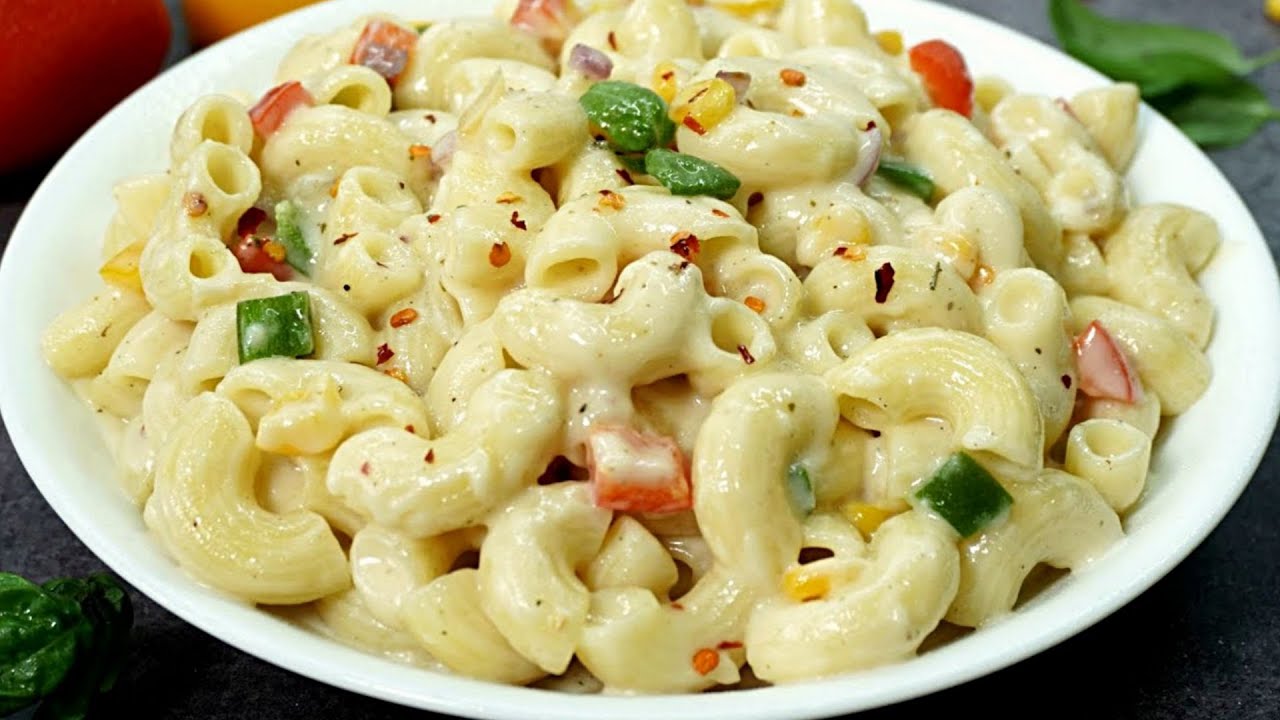
White Sauce Pasta Recipe: White sauce pasta has become a staple in homes and restaurants alike – and for good reason. Its creamy texture and subtle, savory flavor make it a hit across age groups. Unlike red sauce pasta, which leans heavily on tangy tomatoes, the white sauce variety offers a soothing richness thanks to its milk and butter base.
Kids love it for its cheesy goodness, adults appreciate the mild but sophisticated flavor, and the flexibility in add-ins (like veggies, chicken, or herbs) makes it a versatile canvas for creativity. Even picky eaters find it hard to resist a spoonful of this silky, indulgent delight. And best of all? It’s easy to make at home without needing a fancy setup.
Versatility and Flavor
One of the best things about white sauce pasta is how adaptable it is. Want it super cheesy? Throw in more grated cheese. Prefer something healthier? Add steamed veggies or grilled chicken. You can tweak the flavors by adding herbs like oregano or basil, or spice it up with a pinch of chili flakes or black pepper.
It also pairs well with garlic bread or a fresh green salad, rounding out a full meal in no time. And because it doesn’t take hours to prepare, it’s a weeknight dinner hero that never disappoints.
Ingredients You’ll Need
Basic Ingredients for White Sauce
The white sauce – also known as béchamel – is the star of this dish. Made from a classic roux (butter and flour mixture) and milk, it’s what gives the pasta its signature creaminess. Here’s what you’ll need:
- Butter – 2 tablespoons
- All-purpose flour – 2 tablespoons
- Milk – 2 cups (preferably warm)
- Salt – to taste
- Black pepper – ½ teaspoon
- Grated cheese – ½ cup (cheddar or mozzarella work great)
- Oregano and chili flakes – optional, for seasoning
You can also add a bit of nutmeg for a traditional béchamel flavor, though it’s totally optional.
Pasta and Additional Add-ons
The beauty of this recipe lies in its customizability. Use your favorite type of pasta – penne, fusilli, or spaghetti – and throw in any extras you like:
- Pasta – 1½ cups (uncooked)
- Mixed vegetables (bell peppers, carrots, corn, peas) – 1 cup, chopped
- Cooked chicken or shrimp – 1 cup (optional)
- Garlic – 2-3 cloves, finely chopped (optional, for added flavor)
- Olive oil – 1 tablespoon (for sautéing veggies)
Feel free to play around with the ingredients based on what you have in your pantry or what flavors you’re in the mood for.
Step-by-Step Guide to Making White Sauce Pasta
Step 1 – Boil the Pasta
This step is straightforward but super important. Start by boiling water in a large pot. Add a generous pinch of salt and a few drops of oil. Once the water is boiling, add your pasta and cook it according to the instructions on the package – usually 8 to 10 minutes for al dente.
Pro tip: Don’t overcook the pasta. Al dente means it still has a slight bite to it, which holds up better when mixed with the sauce. Once done, drain it and rinse it under cold water to stop the cooking process and prevent sticking. Set aside.
If you’re adding vegetables, you can either steam them separately or throw them into the pasta pot for the last few minutes of boiling. This saves time and reduces the number of pots to clean!
Step 2 – Prepare the White Sauce
Now, the magic happens. Heat a pan on medium flame and add butter. Once it melts, add the all-purpose flour and stir continuously for about 2-3 minutes until the raw smell disappears and it turns slightly golden. This is your roux – the thickening agent for the sauce.
Slowly pour in warm milk while whisking constantly. This helps prevent lumps from forming. Keep stirring until the mixture thickens into a creamy consistency. If it gets too thick, you can always add a little more milk to loosen it up.
Once it reaches the desired texture, season it with salt, black pepper, and any optional herbs you like – oregano, chili flakes, garlic powder. Stir in the grated cheese and let it melt completely into the sauce. You’ll end up with a smooth, silky, flavorful white sauce.
Step 3 – Combine Pasta and Sauce
Add the boiled pasta to the white sauce. Gently toss everything together so that the pasta is well coated. If you’re using sautéed veggies or cooked chicken, mix them in now too. Let it cook for another 2-3 minutes on low flame so that everything is heated through and the flavors meld beautifully.
Taste and adjust the seasoning if needed. Want it cheesier? Sprinkle a bit more cheese on top before serving. You can even pop it into the oven with some extra cheese for a baked version.
Once done, serve hot with garlic bread or a side of sautéed greens. And don’t forget to sprinkle a little extra oregano and chili flakes on top for that restaurant-style finish.
Tips and Tricks for the Perfect Pasta
How to Avoid Lumpy Sauce
One of the most common mistakes while making white sauce pasta is ending up with a lumpy, grainy sauce. Let’s avoid that! The secret to a smooth, creamy sauce is all in the technique. Start by making sure your roux (the butter and flour mixture) is well-cooked and free of lumps before you add any milk. This base is what helps the sauce hold its silky structure.
Here are a few pro tips:
- Warm the milk before adding – Cold milk can cause the roux to seize up and create lumps. Slightly warm milk combines much better.
- Add milk slowly – Don’t dump all the milk in at once. Pour a little at a time while whisking continuously to give the roux time to absorb the liquid.
- Use a whisk – Stirring with a spoon just won’t cut it. A balloon whisk helps you break up lumps quickly and creates a smoother texture.
- Strain if needed – If you still find lumps, pour the sauce through a fine mesh strainer before combining it with the pasta.
Also, be patient. Let the sauce cook gently on medium heat. Cranking up the flame might make it thicken too fast and cause curdling or burning. It takes only a few minutes, so no need to rush perfection!
Best Pasta Types to Use
While white sauce goes well with almost any pasta, choosing the right shape can enhance the overall experience. You want a pasta that can hold onto the sauce, delivering flavor in every bite.
Here are some top choices:
- Penne – The classic pick! Its tube shape holds the sauce beautifully.
- Fusilli or Rotini – The spirals trap sauce and bits of veggies or meat inside.
- Macaroni – Great for a creamy, cheesy version, especially if you’re making mac & cheese style.
- Farfalle (Bow-tie) – Perfect for an elegant presentation and holds the sauce well in the creases.
- Shells (Conchiglie) – They act like little pockets for the sauce and extras.
Avoid long, thin pastas like spaghetti or angel hair for this recipe. They don’t hold creamy sauces as effectively and can make the dish feel heavy and messy. Think structure and grip – that’s what you want in a pasta for white sauce.
Also, make sure to cook the pasta al dente (slightly firm to bite). Overcooked pasta will go mushy, especially once it’s mixed with the sauce. If you plan on baking the pasta later, undercook it slightly more, as it will continue to cook in the oven.
Variations to Try
Veggie White Sauce Pasta
Want to keep things vegetarian and colorful? A veggie white sauce pasta is just what you need. It’s not only healthy but bursting with textures and flavors. The sweetness of corn, the crunch of bell peppers, and the earthiness of mushrooms create a great contrast to the creamy sauce.
Popular vegetable choices include:
- Bell peppers (red, green, yellow)
- Broccoli (lightly blanched or roasted)
- Sweet corn
- Mushrooms (sautéed for extra flavor)
- Zucchini
- Carrots
- Green peas
Steps to add veggies:
- Sauté your chopped vegetables in olive oil or butter with a bit of salt and pepper.
- Cook them just until tender, not soggy. You want them to retain their shape and slight bite.
- Add them into the sauce right before tossing in the pasta.
To make it even healthier, use whole wheat or gluten-free pasta and swap out the all-purpose flour for whole wheat flour in the sauce. Want to add a touch of spice? A dash of paprika or cayenne pepper works wonders without overpowering the dish.
Chicken White Sauce Pasta
Craving some protein? Chicken white sauce pasta is a satisfying and filling option. The tender pieces of chicken pair perfectly with the creamy sauce and pasta for a complete meal.
Here’s how to prep it:
- Marinate chicken – Use boneless chicken breast or thigh. Marinate with salt, pepper, garlic, and a touch of lemon juice for about 15 minutes.
- Cook the chicken – Sauté in a pan with olive oil until golden brown and cooked through. Dice into bite-sized chunks or shred for a different texture.
- Mix into sauce – Add the cooked chicken pieces into your white sauce before combining with the pasta.
If you want to elevate the dish further, toss in some mushrooms, spinach, or sun-dried tomatoes. And don’t forget the cheese—grated parmesan or cheddar over the top makes it even more indulgent.
For a gourmet twist, add a splash of white wine to the sauce before mixing the chicken. The acidity balances the richness and gives the sauce a restaurant-style finish.
How to Store and Reheat White Sauce Pasta
Refrigerating and Reheating Tips
Leftovers? No problem! White sauce pasta stores quite well, but you’ve got to handle it the right way to keep it fresh and creamy when reheating. Once cooled, transfer the pasta to an airtight container and refrigerate. It will stay good for up to 2–3 days.
However, the sauce tends to thicken when cold. So reheating it properly is essential to bring back that luscious, smooth texture.
Reheating tips:
- On the stove: Place the pasta in a pan on low heat. Add a splash of milk (or cream if you want it extra rich) and stir gently. This loosens up the sauce and prevents burning.
- In the microwave: Place the pasta in a microwave-safe bowl, add a few teaspoons of milk, cover, and heat for 1–2 minutes. Stir and repeat in short intervals until hot and creamy.
- Avoid overheating: High heat can cause the sauce to separate, leaving you with a grainy mess. Low and slow is the way to go.
Don’t freeze white sauce pasta. The dairy content doesn’t thaw well and can break apart during the freezing process. If you must prepare in advance, store the boiled pasta and white sauce separately. Combine and reheat only when ready to serve for the best results.
Serving Suggestions and Pairings
Make It a Complete Meal
Want to make your white sauce pasta experience restaurant-worthy? A few simple sides and pairings can elevate your dish into a full-fledged gourmet meal. The creamy texture of white sauce pasta pairs wonderfully with contrasting flavors and textures.
Perfect pairings include:
- Garlic Bread: Crunchy on the outside, soft on the inside, and full of garlicky goodness. Use store-bought or make your own with butter, garlic, and parsley.
- Green Salad: Balance the richness of the pasta with a fresh salad. Go for lettuce, cherry tomatoes, cucumbers, and a light vinaigrette or lemon dressing.
- Roasted Veggies: Asparagus, zucchini, or roasted carrots offer a smoky, earthy side.
- Wine: A glass of chilled white wine like Sauvignon Blanc or Chardonnay enhances the creaminess of the dish.
Looking for something kid-friendly? Pair it with a glass of lemonade or apple juice. Want something spicy? Add a little hot sauce or jalapeños on the side.
And of course, top off your pasta with a final sprinkle of grated parmesan and crushed chili flakes for that irresistible finish.
Nutritional Breakdown
Is White Sauce Pasta Healthy?
White sauce pasta can definitely be part of a balanced meal – it all depends on how you prepare it. Traditional recipes use butter, flour, and full-fat milk or cream, which makes it calorie-dense and rich. But with a few smart swaps, you can make it lighter without sacrificing taste.
Healthier swaps:
- Use olive oil instead of butter.
- Try low-fat milk or plant-based milk like oat or almond.
- Add lots of veggies to bulk up the fiber and nutrients.
- Use whole wheat or chickpea pasta for added protein and fiber.
- Cut down on cheese or use a light cheese alternative.
Here’s a rough nutritional estimate for a standard serving (1.5 cups):
| Nutrient | Approximate Value |
|---|---|
| Calories | 400–500 kcal |
| Protein | 12–15g |
| Carbohydrates | 50–60g |
| Fats | 18–25g |
| Fiber | 3–5g |
Adding chicken or legumes can bump up the protein, while including more vegetables increases fiber content. So yes, it can be indulgent, but it’s also easily customizable for health-conscious eaters.
Common Mistakes to Avoid
Avoid These White Sauce Pasta Pitfalls
Even simple recipes can go wrong if you’re not careful. Let’s avoid those kitchen blunders with a quick list of what not to do:
- Adding milk too fast: This leads to lumpy sauce. Always add it gradually while stirring.
- Using cold milk: It can curdle or create clumps. Warm milk blends better with the roux.
- Overcooking pasta: It turns mushy, especially after being mixed with the sauce. Stick to al dente.
- Not stirring the sauce: The sauce can burn or stick to the pan if left unattended.
- Overloading with cheese: Yes, it’s tempting, but too much cheese can make the sauce overly thick and greasy.
- Skipping the seasoning: White sauce needs flavor enhancers like salt, pepper, garlic, and herbs. Taste and adjust!
- Using the wrong pasta shape: Long, thin pasta won’t hold the sauce well. Go for shapes like penne, fusilli, or shells.
Avoid these mistakes, and you’ll be serving up creamy, dreamy pasta that gets better every time you make it.
FAQs about White Sauce Pasta Recipe
Q1: Can I make white sauce pasta without flour?
Yes, you can substitute flour with cornstarch or skip the thickening agent entirely by reducing the milk slowly to a creamy consistency. However, the texture may vary slightly.
Q2: What type of cheese is best for white sauce pasta?
Cheddar, mozzarella, or parmesan work great. You can mix them for a richer flavor or use processed cheese for extra creaminess.
Q3: Is white sauce pasta gluten-free?
It can be! Use gluten-free pasta and substitute regular flour with cornstarch or a gluten-free flour blend in the sauce.
Q4: Can I make white sauce pasta vegan?
Absolutely. Use plant-based milk (like almond or soy), vegan butter or oil, and dairy-free cheese. It’s just as creamy and delicious!
Q5: What’s the best way to reheat leftover pasta without drying it out?
Add a splash of milk while reheating on low heat, either on the stove or in the microwave. Stir gently until the sauce loosens and turns creamy again.
Conclusion
White sauce pasta is one of those timeless dishes that feels fancy but is secretly super simple. Whether you’re a beginner in the kitchen or a seasoned cook, this recipe offers a cozy, creamy, and absolutely delicious way to enjoy pasta. From prepping your ingredients to perfecting the sauce and choosing your favorite add-ons, each step is an opportunity to make it your own.
Want something light and veggie-packed? Go green with broccoli and zucchini. Craving protein? Chicken or shrimp makes it hearty and filling. Or keep it classic with just pasta, sauce, and lots of cheese. However you make it, you can’t go wrong.
Now that you know all the secrets to nailing this recipe, it’s time to bring the Italian magic into your kitchen. Buon appetito!