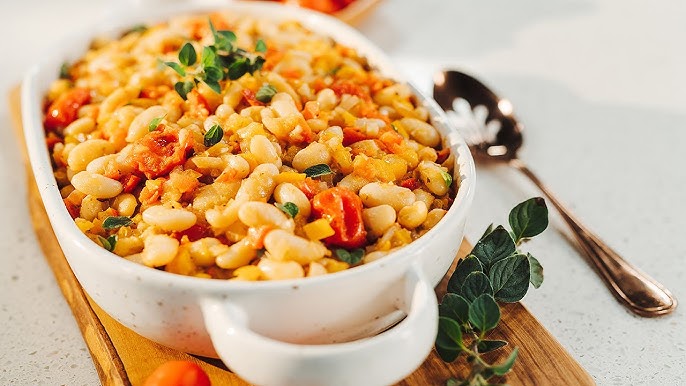
White Beans Recipe: White beans, also known as navy beans, cannellini beans, or great northern beans, are humble yet mighty legumes that belong in every kitchen. These small white gems might not look like much, but once cooked, they deliver an incredibly creamy texture and subtle nutty flavor that makes them a superstar in both vegetarian and meat-based dishes. Whether you’re whipping up a rustic soup, a hearty stew, or a refreshing salad, white beans are always a solid choice. Plus, they’re cost-effective and shelf-stable, which makes them perfect for bulk buying and long-term storage.
What makes white beans especially handy is their versatility. You can cook them in a slow cooker, pressure cooker, or even bake them in the oven. With just a few staple spices and some patience, you’ll have a dish that tastes like it simmered on grandma’s stove for hours. Their mild taste absorbs seasonings like a sponge, so they’re the ideal canvas for experimenting with flavors—from smoky paprika and garlic to fresh herbs and olive oil.
Nutritional Benefits of White Beans
Don’t let their simplicity fool you—white beans pack a powerful nutritional punch. They’re high in plant-based protein, fiber, and complex carbohydrates. This means they’ll keep you full for longer, help regulate blood sugar levels, and support digestion. They’re also low in fat and contain essential vitamins and minerals such as folate, magnesium, potassium, and iron. If you’re trying to eat healthier without giving up flavor or fullness, white beans are your go-to.
What’s more, they’re a fantastic meat substitute for anyone trying to cut back on animal products. A cup of cooked white beans offers about 15 grams of protein and nearly 13 grams of fiber. For heart health, weight management, and even muscle recovery, white beans are an underrated superstar.
Ingredients You’ll Need
Basic Ingredients for Classic White Beans
You don’t need a laundry list of items to make a delicious pot of white beans. Here’s what you’ll typically need:
- 1 lb dried white beans (cannellini, navy, or great northern)
- 1 onion, chopped
- 3 cloves garlic, minced
- 2 tablespoons olive oil
- 1 teaspoon salt (or to taste)
- ½ teaspoon black pepper
- 6 cups water or vegetable broth
These ingredients form the base of your dish. They’re simple, affordable, and available at any grocery store. The olive oil adds richness, while the garlic and onion infuse the beans with deep, savory flavor during cooking.
Optional Add-ins for Flavor Enhancement
If you’re feeling a little more adventurous or want to amplify the flavors, consider adding:
- Bay leaves or thyme sprigs for an herbal aroma
- A pinch of red pepper flakes for a little heat
- Smoked paprika for a subtle smoky depth
- Diced tomatoes or tomato paste for a tangy twist
- Chopped greens like spinach or kale stirred in at the end
And if you’re not strictly plant-based, a smoked ham hock, bacon, or sausage can turn these beans into a full-on comfort food meal.
Kitchen Tools and Prep Tips
Must-Have Equipment for Cooking Beans
Before you jump into cooking, make sure you’ve got the right tools. Here’s what you’ll need:
- Large bowl for soaking beans
- Heavy-bottomed pot or Dutch oven
- Wooden spoon or spatula
- Fine-mesh strainer or colander
- Measuring cups and spoons
Optional but helpful:
- Pressure cooker or Instant Pot (to speed up cooking)
- Slow cooker for set-it-and-forget-it ease
Having good equipment doesn’t just make things easier—it ensures even cooking and better flavor development.
Soaking and Prepping the Beans
Soaking beans isn’t just some old-fashioned habit—it’s a crucial step for reducing cooking time and improving digestibility. Here’s how to prep:
Overnight Soak: Place your beans in a large bowl, cover with plenty of cold water (they’ll expand!), and soak for 8–12 hours.
Quick Soak: Short on time? Boil the beans for 2 minutes, then cover and let sit for 1 hour.
After soaking, drain and rinse the beans well. This helps wash away some of the compounds that cause digestive discomfort.
Cooking White Beans – Step by Step
Step 1: Rinse and Sort Your Beans
Always start by sorting through your dried beans to remove any small stones or debris. Rinse them under cold water in a strainer until the water runs clear. This step might seem minor, but it ensures your beans are clean and safe to eat.
Step 2: Soak the Beans Overnight (or Quick Soak)
Once rinsed, it’s time to soak. As we mentioned earlier, an overnight soak is ideal, but the quick soak method works well in a pinch. Either way, soaking helps soften the beans and makes them cook more evenly.
Step 3: Cook the Beans to Tenderness
Drain the soaked beans and add them to a large pot with fresh water or broth—about 6 cups for every pound of beans. Bring the pot to a boil, then reduce to a gentle simmer. Cover partially and let cook for 45 minutes to 1.5 hours, depending on your bean variety and soaking time. Stir occasionally and check for doneness by tasting a few beans—they should be creamy, not chalky.
Step 4: Add Aromatics and Seasonings
About halfway through cooking, stir in the olive oil, chopped onions, garlic, salt, and pepper. Add bay leaves or thyme if using. Let the beans soak up all that savory goodness as they continue to simmer.
Step 5: Simmer and Serve
Once your beans are tender and flavorful, remove them from heat. Adjust seasoning if needed. Serve hot with crusty bread, rice, or a drizzle of olive oil. Garnish with fresh herbs like parsley for an extra pop.
Serving Suggestions
What to Serve with White Beans
White beans are incredibly flexible, which means they pair well with a wide variety of dishes. If you’re going for a comforting meal, serve them alongside a slice of crusty sourdough or French bread to soak up the flavorful broth. A simple green salad with vinaigrette adds freshness and balance, while roasted vegetables like carrots, bell peppers, or zucchini bring color and texture to the plate.
You can also serve white beans over a bed of fluffy rice, creamy mashed potatoes, or buttery polenta. These starchy bases soak up the rich broth beautifully, making every bite flavorful and satisfying. If you’re leaning into Mediterranean flavors, try adding a dollop of Greek yogurt, a drizzle of olive oil, and a sprinkle of za’atar or fresh parsley on top. It turns a humble bowl of beans into something restaurant-worthy.
Want to make it a full meal? Add a protein like grilled chicken, seared salmon, or even a fried egg. For vegetarians, roasted mushrooms, marinated tofu, or sautéed greens add depth and complexity.
Using Leftovers Creatively
Leftover white beans are gold in the kitchen. Don’t just reheat them—transform them! One of the easiest ways to use leftover beans is by turning them into a hearty soup. Just blend some beans with broth and a handful of greens or cooked veggies, season well, and you’ve got a smooth, creamy soup ready in minutes.
You can also mash them and use them as a spread on toast, or mix them into pasta for added protein. Toss them into a grain bowl, layer them in tacos, or add them to a wrap with roasted veggies and your favorite sauce.
Feeling fancy? Mix them with olive oil, lemon juice, garlic, and fresh herbs to make a flavorful white bean dip or bruschetta topping. Whether you’re meal prepping or just hate wasting food, these beans have your back.
FAQs about White Beans Recipe
Can I use canned white beans instead of dried?
Yes, absolutely. Canned white beans are a convenient alternative to dried beans. They’re already cooked, so you can skip the soaking and long simmering steps. Just be sure to drain and rinse them to reduce the sodium content and remove any canning liquid flavor.
What’s the fastest way to cook white beans?
If you’re in a rush, the Instant Pot or pressure cooker is your best friend. You can cook soaked white beans in about 15–20 minutes under high pressure. Even unsoaked beans cook in under an hour with this method. It’s a game-changer for busy weeknights.
How do I store leftover cooked beans?
Store your cooked white beans in an airtight container in the refrigerator. They’ll stay fresh for up to 4–5 days. Make sure they’re cooled completely before storing, and keep them with a bit of their cooking liquid to maintain moisture and flavor.
Can white beans be frozen?
Yes! Cooked white beans freeze very well. Let them cool completely, portion them into freezer-safe containers or bags (with some of their cooking liquid), and store for up to 3 months. Thaw in the fridge overnight or heat directly from frozen on the stove.
Are white beans good for weight loss?
They sure are. White beans are low in fat, high in fiber, and packed with plant-based protein, which makes them a great addition to any weight loss diet. They keep you full longer, help curb cravings, and provide lasting energy.
Conclusion
By following this step-by-step guide, you’ll not only master the art of cooking white beans but also learn how to tweak and tailor them to your taste buds. Whether you’re cooking for yourself, your family, or hosting a gathering, a warm bowl of white beans can be both comfort food and a gourmet treat.
So go ahead—stock up on some dried white beans, grab your favorite seasonings, and start experimenting. With this guide in hand, your kitchen will be filled with the aroma of home-cooked goodness in no time.