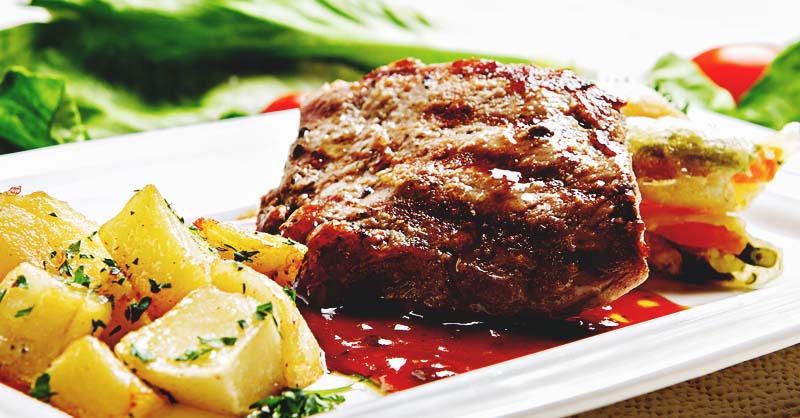
Venison Tenderloin Recipe: Cooking wild game may seem like a daunting task, especially if you’ve never handled anything beyond store-bought beef or chicken. But once you try venison tenderloin, you might find it hard to go back. This lean, flavorful meat offers a truly gourmet experience when cooked right—and it’s surprisingly easy to master at home.
What is Venison Tenderloin?
Venison refers to meat from deer, and the tenderloin is one of the most prized cuts. Located along the spine, it’s incredibly tender and lean, making it perfect for quick, high-heat cooking. Unlike other wild game cuts, the tenderloin doesn’t require hours of braising or marinating to become edible—it’s naturally soft and flavorful, ready to shine with minimal prep.
Think of it as the filet mignon of the deer world. It’s that good.
Why Choose Venison Over Other Meats?
Aside from its rich, slightly gamey flavor that makes it stand out on any dinner table, venison is also a powerhouse of nutrition. It’s leaner than beef, lower in cholesterol, and packed with protein, iron, and B vitamins. Plus, it’s often sourced from the wild, meaning fewer hormones and antibiotics.
For hunters and ethical eaters, it’s also a more sustainable choice. If you’ve ever wanted to eat cleaner while still enjoying the bold flavor of red meat, venison might be your new best friend.
Preparing for the Recipe
Before we jump into the sizzle and sear, let’s talk preparation. You don’t need a five-star kitchen to make venison shine—but you do need to start with the right ingredients and tools.
Sourcing High-Quality Venison
The key to a delicious venison dish lies in the quality of the meat. If you’re not a hunter or don’t know one, look for local butchers or online suppliers who specialize in wild game. Make sure the tenderloin is properly trimmed and has been aged (either dry or wet) to help mellow out the gamey taste.
Avoid supermarket venison if it’s imported and farm-raised; it tends to lack the bold flavors you’re aiming for. Wild-sourced venison offers complexity you just can’t replicate.
Tools and Ingredients You’ll Need
Let’s get organized. Here’s what you’ll need for a classic pan-seared venison tenderloin recipe:
Ingredients:
- 1–2 venison tenderloins (about 1–1.5 pounds)
- 2 tablespoons olive oil or butter
- 2 cloves garlic, minced
- Fresh rosemary or thyme
- Sea salt and cracked black pepper
- Optional: balsamic vinegar or red wine for deglazing
Tools:
- Cast iron skillet or grill
- Meat thermometer
- Tongs
- Cutting board and sharp knife
- Paper towels (for patting meat dry)
With your ingredients and tools in place, it’s time to cook. This part’s where the magic really happens.
Step-by-Step Cooking Instructions
Let’s break it down into manageable steps so even first-timers can whip up a restaurant-quality dish.
Step 1: Properly Thaw the Venison
If your venison is frozen, thaw it slowly in the refrigerator overnight. Never use a microwave—it can mess with the meat’s texture. Pat it dry with paper towels before seasoning. Removing surface moisture ensures a perfect sear and stops it from steaming in the pan.
Step 2: Marinate for Flavor
You can skip marinating if the meat is fresh and well-aged, but a quick soak in olive oil, garlic, herbs, and a splash of balsamic can enhance the tenderness and add depth. Let it sit for 1–2 hours in the fridge, covered, then bring it to room temp before cooking.
Step 3: Preheat and Prep the Pan or Grill
Heat your cast iron skillet or grill to medium-high. You want it hot enough to sizzle as soon as the meat touches the surface. Add your oil or butter and let it heat until it shimmers (but doesn’t smoke). Toss in your herbs and garlic to infuse the fat with flavor.
Step 4: Sear to Lock in Juices
Place the tenderloin in the pan and sear for about 2–3 minutes per side, turning only once. Don’t overcrowd the pan. You want a rich, brown crust without steaming the meat. Use tongs to hold the sides against the pan for even searing.
Step 5: Cook to Perfect Temperature
Use a meat thermometer to ensure doneness without overcooking. Venison tenderloin is best served medium-rare to medium:
- Rare: 120–125°F (49–52°C)
- Medium-Rare: 130–135°F (54–57°C)
- Medium: 140–145°F (60–63°C)
Go beyond that, and you risk a dry, chewy texture.
Step 6: Rest and Slice for Serving
Once cooked, let the meat rest on a cutting board for 5–10 minutes. This lets the juices redistribute, making every bite juicy and flavorful. Slice against the grain into medallions and serve immediately.
Expert Tips and Flavor Enhancements
Cooking venison tenderloin is as much about technique as it is about creativity. If you want to go from great to gourmet, here are some expert-level tips and ideas to elevate your dish.
Pairing Venison with the Right Sides
Venison has a bold, earthy flavor that pairs beautifully with sides that either contrast or complement its richness. Here are some winning combos:
- Sweet Roots: Roasted carrots, sweet potatoes, or parsnips caramelize beautifully and bring out venison’s natural depth.
- Bitters & Greens: Sautéed kale, Swiss chard, or Brussels sprouts offer a bitter contrast that balances the savory meat.
- Hearty Grains: Wild rice, barley, or even creamy polenta adds texture and soaks up sauces like a champ.
- Tangy Fruit Sauces: A drizzle of cranberry reduction or cherry balsamic glaze can cut through the richness with zing and sweetness.
Keep it rustic, but refined. Think of your plate as a canvas. The meat’s the masterpiece—everything else should frame it.
Choosing the Right Wine or Beverage
Venison pairs exceptionally well with full-bodied red wines and even some darker beers. Here’s a quick guide:
- Red Wine: Go with a Cabernet Sauvignon, Malbec, Syrah, or Zinfandel. Their bold tannins and dark fruit notes complement the meat’s robust flavor.
- Beer: A stout or porter adds depth, while a hoppy IPA can contrast nicely if you’re adding spicy or smoky elements to your recipe.
- Non-Alcoholic: For a zero-proof option, a tart cherry shrub or sparkling pomegranate juice can create an elegant pairing.
Don’t just think of your drink as an afterthought—it’s part of the meal experience.
Common Mistakes to Avoid
Cooking venison tenderloin isn’t hard, but there are a few pitfalls that can turn your prime cut into something chewy or bland. Avoid these common mistakes:
- Overcooking the Meat: This is the number one sin when it comes to venison. It’s naturally lean, so there’s not much fat to keep it juicy. Cook it medium-rare and no more unless you like chewing leather.
- Skipping the Rest Time: Tempted to slice it up as soon as it comes off the pan? Don’t. Letting it rest gives the juices time to settle, so they don’t run all over your cutting board.
- Not Using a Meat Thermometer: Guesswork is your enemy. A quick-check digital thermometer will take your game from amateur to pro.
- Poor-Quality Meat: If the venison wasn’t handled properly after the hunt—or it’s poorly processed—it can turn your recipe into a disaster. Always choose reputable sources and aged cuts.
- Skipping the Sear: You need that crust. It locks in flavor and makes every bite taste like a reward. Don’t skimp on the heat.
By dodging these rookie mistakes, you’re already halfway to a perfect dish.
FAQs about Venison Tenderloin Recipe
Can you cook venison tenderloin in the oven?
Yes, absolutely! After searing it on the stovetop for a nice crust, you can transfer the tenderloin to a preheated oven (around 375°F) for 5–10 minutes to finish cooking. Always use a thermometer to check for doneness.
How do you keep venison tenderloin from drying out?
Keep it from overcooking, and don’t skip the resting period after it comes off the heat. You can also marinate or baste it with butter during cooking to lock in moisture.
Is venison healthier than beef?
Yes. Venison is leaner, lower in cholesterol and saturated fat, and higher in protein compared to most cuts of beef. It’s a great option for health-conscious eaters who still want to enjoy red meat.
What are the best marinades for venison?
Marinades with a mix of acid (like vinegar or citrus), fat (like olive oil), and aromatics (garlic, herbs, spices) work best. Try balsamic vinegar with rosemary and garlic for a simple and flavorful combo.
Can I freeze cooked venison tenderloin?
You can, but it’s best eaten fresh. If you do freeze it, wrap it tightly and use within 2 months. Reheat gently to avoid drying it out—low oven temps or steaming works best.
Conclusion
Cooking venison tenderloin at home is easier than you think—and the reward is an unforgettable meal that rivals anything you’d find at a high-end steakhouse. With just a few ingredients and some care in the kitchen, you can turn this wild game delicacy into a gourmet experience right at your dinner table.
Whether you’re cooking for family, friends, or just treating yourself to something special, venison tenderloin offers a chance to explore rich, bold flavors while embracing a lean and nutritious protein source.
Remember, great food isn’t just about what’s on the plate—it’s about the story behind it, the hands that prepared it, and the joy of sharing it with others.