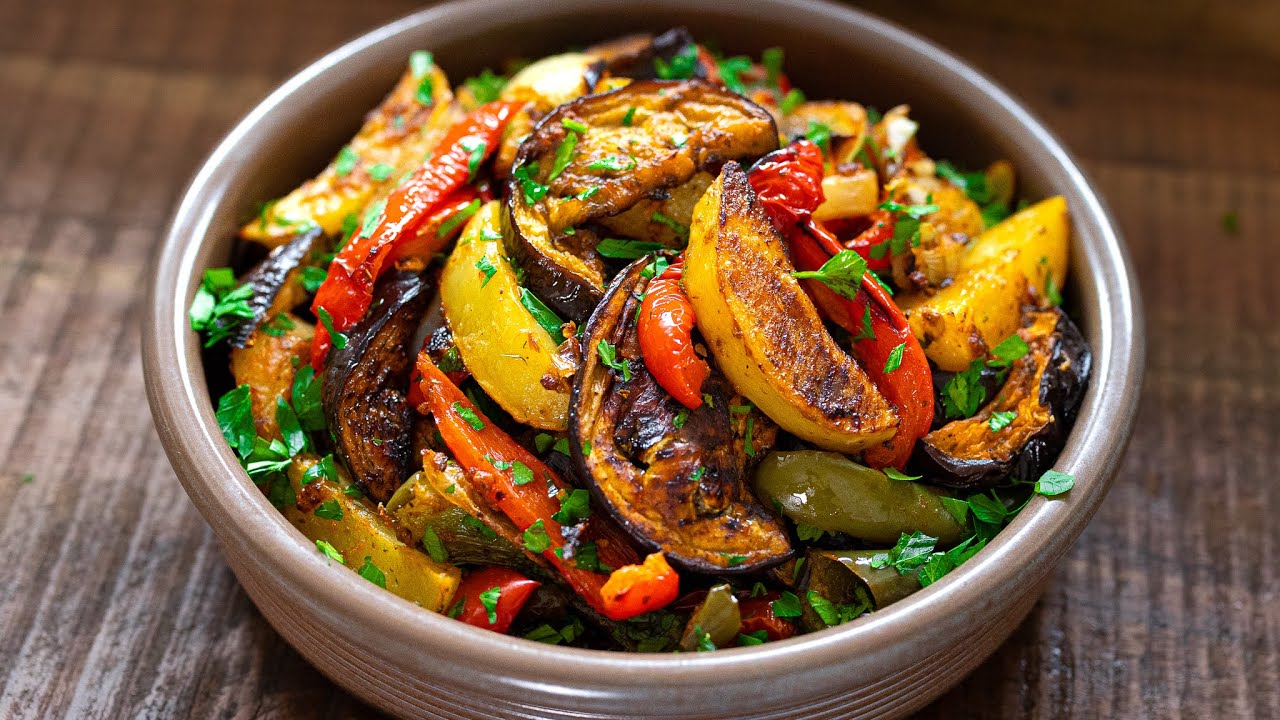
Vegetable Food Recipe: Vegetables are the heartbeat of any healthy diet. They’re colorful, nutritious, versatile, and can be cooked in so many ways that you’ll never get bored. Whether you’re looking to eat clean, drop some pounds, or just feel better overall, loading up on veggies is the way to go. But let’s be real—vegetables can be bland if not prepared properly. That’s why learning how to cook them the right way makes all the difference.
This step-by-step guide will walk you through a simple, delicious, and beginner-friendly vegetable food recipe that’s perfect for lunch or dinner. You don’t need to be a master chef to whip up something tasty and healthy. All you need is the right ingredients, a few kitchen tools, and a bit of patience.
Homemade vegetable recipes allow you to control what goes into your food—no more worrying about hidden sugars, preservatives, or excessive salt. You can make it as spicy, savory, or herby as you want. Plus, it’s way more budget-friendly than eating out every day.
Ready to dive in? Let’s get cooking!
Ingredients Needed
Before you step into the kitchen, make sure you’ve got all the ingredients ready. The beauty of this vegetable dish is its flexibility. You can adjust it based on what you have in your fridge or what’s in season.
Basic Vegetables:
- 2 medium carrots
- 1 bell pepper (any color)
- 1 medium zucchini
- 1 cup of cauliflower florets
- 1 cup of broccoli florets
- 1 small onion
- 2 cloves garlic
- 1 cup chopped spinach (fresh or frozen)
Spices and Seasonings:
- 1 tsp salt (adjust to taste)
- ½ tsp turmeric powder
- 1 tsp cumin seeds
- 1 tsp coriander powder
- ½ tsp black pepper
- 1 tsp garam masala or curry powder
- 2 tbsp olive oil or any vegetable oil
Optional Add-ons:
- 1 chopped tomato for extra flavor
- ½ tsp chili flakes for heat
- A handful of chopped cilantro for garnish
- A splash of lemon juice for freshness
These ingredients are simple but come together to create something mouth-watering. Feel free to switch up the veggies based on your taste or availability. Green beans, mushrooms, peas, or corn all work beautifully in this recipe.
Kitchen Tools You’ll Need
Having the right tools can make your cooking experience smoother and more enjoyable. You don’t need anything fancy, but a few basics go a long way.
Essential Kitchen Tools:
- A good chopping board
- A sharp kitchen knife
- A large skillet or non-stick pan
- A wooden spatula or spoon
- Measuring spoons for spices
Helpful Extras:
- Vegetable peeler
- Grater (if you like grated carrots or zucchini)
- Garlic press (optional, but a time-saver)
- Lid for your skillet (to help steam veggies)
Preparation is half the battle. Once your tools are in place and your ingredients are laid out, cooking becomes way more fun and stress-free.
Step-by-Step Vegetable Food Recipe
Now the fun part begins! Follow these steps carefully to prepare a flavorful and healthy vegetable dish.
Step 1: Washing and Prepping the Vegetables
Start by thoroughly washing all your vegetables. Dirt, pesticides, and germs can cling to the surface, especially on leafy greens and root vegetables. Use a vegetable brush if needed, and rinse everything under cold running water.
Once washed, begin peeling and prepping:
- Peel the carrots and slice them thinly.
- Chop the bell pepper into thin strips.
- Cut the zucchini into half-moons.
- Break the cauliflower and broccoli into bite-sized florets.
- Dice the onion finely.
- Mince the garlic or use a garlic press.
If you’re using spinach, wash it well and let it drain in a colander. Prepping your veggies uniformly helps them cook evenly and also improves presentation.
This step may seem tedious, but trust me, well-prepped vegetables make a huge difference. You’ll save yourself from half-cooked pieces or a soggy mess.
Step 2: Chopping and Slicing
Now that everything is clean, let’s focus on getting uniform sizes. Why does this matter? Because uneven cuts can lead to uneven cooking. Imagine biting into a half-raw carrot or mushy zucchini—it’s not pleasant.
Tips for better chopping:
- Use a sharp knife—it makes cleaner cuts and keeps veggies from getting bruised.
- Try to keep the pieces medium-sized: too big and they’ll be undercooked, too small and they’ll turn mushy fast.
- Keep similar-textured vegetables together. For example, broccoli and cauliflower can go in at the same time since they cook at similar speeds.
This is the perfect time to turn on your favorite playlist or podcast—chopping is a meditative, satisfying process if you let it be.
Step 3: Sautéing and Stir-Frying
Heat your skillet over medium flame and add the oil. Once it’s hot, toss in the cumin seeds. Let them sizzle for about 30 seconds—this step infuses the oil with deep, earthy flavor.
Next, add the onions and sauté them until they turn golden brown. This brings out their natural sweetness and sets the foundation of the dish.
Add the garlic next and sauté for another 30 seconds. Be careful not to burn it.
Now, add in the harder vegetables first—carrots, cauliflower, and broccoli. Stir-fry for 3–4 minutes. Then add the bell pepper and zucchini. Keep stirring to ensure nothing sticks to the bottom.
At this point, sprinkle in the turmeric, coriander powder, and salt. Mix well so every piece is evenly coated. Let it all cook for another 5–7 minutes until the veggies are tender but not mushy.
Step 4: Simmering and Seasoning
Once your vegetables are sautéed and looking vibrant, it’s time to bring all the flavors together. Reduce the heat to low and cover the skillet with a lid. Let the vegetables simmer for about 5–7 minutes. This gives them time to soak up all those delicious spices while softening just enough to melt in your mouth.
You don’t need to add water unless the pan looks too dry. The natural moisture from the vegetables usually does the job. But if needed, a couple of tablespoons of water will help create steam and prevent burning.
Now for the final seasoning—add garam masala or curry powder for a bold punch of flavor. If you love a little heat, toss in the chili flakes now too. Stir well so the spices are evenly distributed.
Taste and adjust. Maybe you want more salt, a little pepper, or a dash of lemon juice for zing. This is your moment to fine-tune the dish to your liking.
Once everything tastes just right, turn off the heat. Your kitchen should already smell like a cozy Indian or Mediterranean restaurant!
Step 5: Garnishing and Serving
Presentation matters—after all, we eat with our eyes first! Garnishing your vegetable dish adds a final touch of color and flavor that makes it irresistible.
Top your cooked vegetables with:
- Fresh chopped cilantro or parsley
- A squeeze of lemon or lime for a burst of freshness
- Toasted sesame seeds or crushed peanuts for crunch
- A drizzle of olive oil or ghee for richness
Serve it hot with your choice of sides. This dish pairs beautifully with:
- Steamed rice or brown rice
- Quinoa or couscous for a healthier twist
- Flatbreads like naan, roti, or pita
- A dollop of yogurt or a spoonful of hummus on the side
Whether it’s a hearty lunch or a light dinner, this vegetable recipe fits right in. You can even use it as a filling for wraps, sandwiches, or tacos. It’s that versatile.
Tips to Make Your Vegetable Dish More Flavorful
Even the freshest vegetables can fall flat without the right techniques. Here are some chef-approved tips to take your dish from bland to brilliant:
1. Layer Your Spices
Don’t just dump all the spices in at once. Start with some (like cumin or turmeric) during the sautéing process, then add others (like garam masala) toward the end to preserve their aroma.
2. Use High-Quality Oil
Cold-pressed olive oil, sesame oil, or ghee can add depth and richness. Skip cheap, flavorless oils if you can.
3. Cook on Medium-High Heat
Sautéing vegetables quickly over higher heat seals in their flavors and keeps them from turning soggy. Stir often to avoid burning.
4. Don’t Overcrowd the Pan
Too many veggies at once will steam instead of fry. Cook in batches if needed.
5. Try Acidic Elements
Add a splash of vinegar, lemon juice, or even tamarind water toward the end. Acidity brightens up the entire dish.
6. Experiment With Herbs
Fresh herbs like thyme, rosemary, basil, or mint can dramatically change the flavor profile. Try different combinations and see what you love.
These simple techniques help build complexity and make even everyday vegetables feel gourmet.
Health Benefits of Eating Vegetables
Eating more vegetables isn’t just trendy—it’s backed by science. Whether you’re trying to lose weight, improve your digestion, or boost your immune system, veggies are your best friend.
1. Nutrient Powerhouses
Vegetables are loaded with essential nutrients—vitamins A, C, K, and many B vitamins, plus minerals like potassium, calcium, and iron. They’re low in calories and high in fiber, which makes them ideal for anyone trying to stay fit and energized.
2. Disease Prevention
A diet rich in vegetables can lower your risk of chronic diseases like heart disease, diabetes, and certain cancers. Their high antioxidant content fights inflammation and keeps your body in balance.
3. Digestive Health
Thanks to their fiber content, veggies help keep your digestive system happy. Fiber promotes regular bowel movements and supports a healthy gut microbiome.
4. Weight Management
Because they’re low in calories and high in volume, vegetables help you feel full without overeating. They’re great for anyone watching their weight without sacrificing flavor or satisfaction.
5. Better Skin and Mood
The antioxidants in vegetables don’t just help internally—they reflect on your skin and mood. People who eat more veggies often report better skin tone, more energy, and improved mental well-being.
Simply put, loading your plate with a variety of colorful vegetables is one of the smartest moves you can make for your health. It’s not just a meal—it’s medicine on your plate.
FAQs about Vegetable Food Recipe
1. What vegetables work best in this recipe?
You can use almost any vegetables you like, but the best ones are firm and cook evenly—think carrots, bell peppers, zucchini, cauliflower, broccoli, green beans, and peas. Leafy greens like spinach or kale can be added at the end for extra nutrition.
2. Can I store this vegetable dish?
Yes! Store any leftovers in an airtight container in the fridge for up to 3 days. You can also freeze it for up to a month. Just reheat in a skillet or microwave and add a splash of water to freshen it up.
3. How can I add protein?
Great question! You can add cooked chickpeas, lentils, tofu, paneer, or even scrambled eggs to make it a more balanced, protein-rich meal. These options blend well with the vegetables and spices.
4. Is this recipe vegan-friendly?
Absolutely. As long as you use vegetable oil and skip any dairy-based garnishes (like ghee or paneer), the dish is 100% vegan. You can also use plant-based yogurt if you want a creamy side.
5. Can I make it spicy?
Of course! Spice it up with chopped green chilies, chili flakes, or a pinch of cayenne pepper. Adjust the heat to your liking—one of the best parts of home cooking is making it taste just right for you.
Conclusion
So there you have it—a full-flavored, step-by-step vegetable food recipe that’s as easy to make as it is satisfying. From prepping your fresh produce to sautéing and seasoning it to perfection, this guide gives you everything you need to cook a healthy, delicious meal right in your kitchen. No fancy ingredients. No complicated techniques. Just real food, cooked with love.
The best part? You’re in control. Want it spicy? Toss in extra chili. Need protein? Add tofu, beans, or paneer. Craving some crunch? Sprinkle nuts or seeds on top. Cooking at home lets you be the chef of your own tastebuds.
So next time you’re staring at a pile of veggies and thinking, “What now?”—just pull up this guide and get cooking. Your body, your wallet, and your taste buds will all thank you.