Turkey Seasoning Recipe: Let’s face it: turkey doesn’t have the best rep when it comes to flavor. Too often, it’s either dry, bland, or just… meh. But here’s the secret that can transform your turkey from boring to “please give me seconds!”—seasoning. That’s right, the magic lies in the mix of herbs, spices, and just the right touch of creativity.
Whether you’re preparing your holiday turkey or just want to try something special for a Sunday dinner, getting the seasoning right can make all the difference. And trust me, you don’t need to be a Michelin-star chef to pull it off. All you need is a handful of spices, a bit of patience, and this easy-to-follow guide that takes you step by step from seasoning novice to turkey pro.
Think of seasoning as the personality you give your dish. Without it, a turkey is just a big bird. With it? It’s a feast. Let’s dive in.
What You’ll Need for the Perfect Turkey Seasoning
Before we jump into the actual steps, let’s take a quick look at what you’ll need to create the perfect seasoning mix. You can adjust the ingredients based on your taste, but this base blend hits the sweet spot between herby, savory, and a little spicy.
Essential Herbs and Spices
This is your core flavor profile. These spices form the heart of any classic turkey seasoning blend:
- Salt (2 tbsp): Not just for taste—it helps draw out moisture and boosts all the other flavors.
- Black Pepper (1 tbsp): Adds warmth and slight heat.
- Paprika (1 tbsp): For color and a mild smoky flavor.
- Garlic Powder (1 tbsp): Deep, aromatic base flavor.
- Onion Powder (1 tbsp): Rounds out the seasoning with subtle sweetness.
- Dried Thyme (1 tbsp): A traditional herb in poultry seasoning.
- Dried Rosemary (1 tbsp): Pine-like and bold, a perfect match for turkey.
- Dried Sage (1 tbsp): Earthy and savory, great for depth.
Optional Additions for a Flavor Boost
These aren’t essential, but they add layers of complexity that elevate your bird:
- Cayenne Pepper (½ tsp): If you want a little kick.
- Brown Sugar (1 tsp): Balances the salt and spices with a hint of sweetness.
- Smoked Paprika (½ tbsp): For that campfire-style depth.
- Lemon Zest (from one lemon): Bright and fresh, cuts through the richness.
- Dried Parsley (1 tbsp): Mainly for color, but adds a hint of herby lightness.
Kitchen Tools for Preparation
You don’t need a full-on spice lab to get started. Just a few basics:
- Measuring spoons
- Mixing bowl
- Whisk or spoon for mixing
- Airtight jar or container for storage
- Mortar and pestle (if you want a finer grind or to crush herbs)
Step-by-Step Guide to Making Turkey Seasoning
Creating your own seasoning mix is surprisingly easy and far more satisfying than grabbing a pre-made bottle off the shelf. You control the salt, the spice, and the overall vibe of your turkey. Here’s how to do it like a boss.
Step 1 – Choosing Your Herbs and Spices
Start by selecting high-quality spices. Dried herbs work perfectly here, but make sure they’re not ancient. If your thyme or sage has been sitting in the back of the cupboard since last Thanksgiving, it’s time for a refresh. Fresh spices equal fresher, bolder flavors.
Stick to a 2:1 ratio of base flavors (like salt, garlic, and onion) to specialty spices (like sage, thyme, and rosemary). This ensures your mix isn’t overpowered by one herb or spice. Think harmony, not a battle of flavors.
This is also a good time to consider dietary preferences—go light on the salt if you’re serving someone on a low-sodium diet, or skip the sugar if you’re watching carbs.
Step 2 – Measuring for the Perfect Blend
Here’s a base recipe that works for a 12–15 lb turkey:
- 2 tbsp salt
- 1 tbsp black pepper
- 1 tbsp garlic powder
- 1 tbsp onion powder
- 1 tbsp paprika
- 1 tbsp dried thyme
- 1 tbsp dried rosemary
- 1 tbsp dried sage
Optional:
- ½ tsp cayenne
- 1 tsp brown sugar
- ½ tbsp smoked paprika
- 1 tbsp dried parsley
- Zest from one lemon
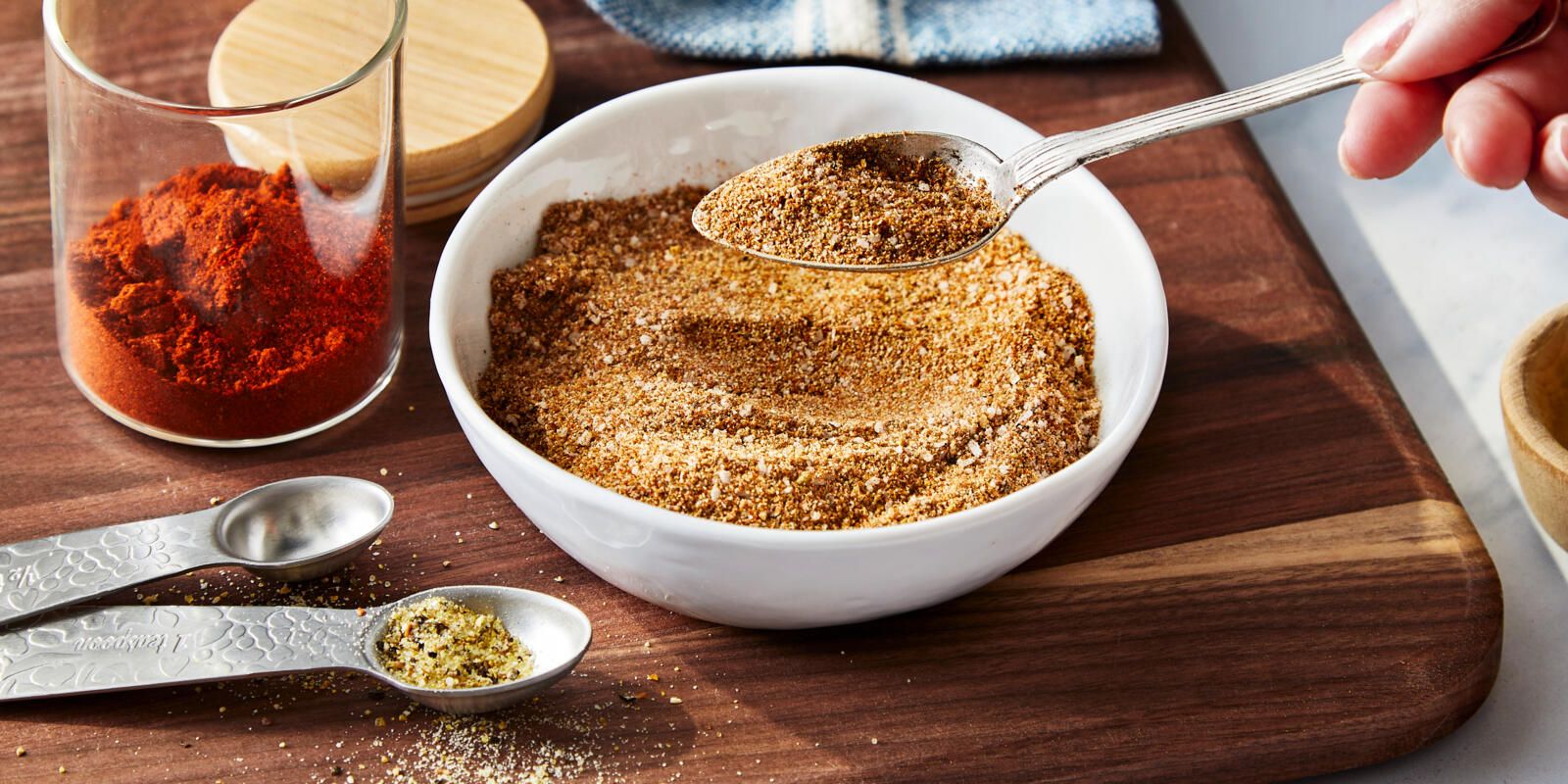
Combine all these ingredients in a mixing bowl. If you’re using whole dried herbs like rosemary sprigs, crush them lightly using a mortar and pestle or just your fingers. This releases the oils and intensifies the flavor.
Step 3 – Mixing and Storing Your Seasoning
Use a whisk or spoon to thoroughly combine the ingredients. Don’t rush this step—an even mix means consistent flavor in every bite of turkey.
Once mixed, transfer your seasoning to an airtight jar. Label it and keep it in a cool, dry place. This blend can last up to 6 months, though it’s best used within 3 months for maximum flavor.
If you’re prepping ahead of the big meal, this is a great make-ahead step. You’ll thank yourself later.
Applying the Seasoning to Your Turkey
Now that your seasoning is ready, it’s time for the fun part: putting it on the bird. This step is just as crucial as the blend itself. Let’s talk technique.
Dry Rub vs. Wet Rub: Which One’s Better?
A dry rub is simply applying the seasoning as-is, directly onto the skin (and under it). It creates a crisp outer layer when roasted and keeps the flavors bold and straightforward.
A wet rub means mixing your seasoning blend with oil or melted butter to create a paste. This method helps lock in moisture and distributes the flavors more evenly.
Pro tip: If you’re aiming for crispy skin and a deep roast flavor, go dry. If you want juiciness and rich buttery flavor, go wet.
Seasoning Under the Skin and Inside the Cavity
This is where the magic happens. Don’t just season the top of the turkey and call it a day.
- Under the skin: Carefully lift the skin (especially on the breast) and rub the seasoning directly onto the meat. This helps the flavors penetrate deeper.
- Inside the cavity: Don’t forget to season inside the turkey! Add a little seasoning blend, plus extras like lemon slices, garlic cloves, or fresh herbs for an aromatic infusion.
Rub the seasoning all over the bird, including the legs, wings, and back. Let it sit for at least 12 hours in the fridge for the flavors to really soak in.
Tips for Maximizing Flavor
Once you’ve seasoned your turkey, you might think the job is done—but a few extra tricks can take your bird from good to unforgettable. Here’s how to squeeze every last drop of flavor out of your seasoning.
Marinating Time and Resting
Seasoning is only as good as the time you give it to work its magic. This is where marination comes in. You can’t just throw seasoning on a turkey and toss it in the oven 30 minutes later and expect miracles.
Ideal marinating time:
- 12 to 24 hours in the fridge is best.
- Cover your turkey loosely and let it sit in the refrigerator so the flavors seep deep into the meat.
If you’re short on time, even 4–6 hours will do something. But the longer it sits, the more infused and flavorful your turkey will be.
Pro tip: After taking your turkey out of the fridge, let it sit at room temperature for 30–60 minutes before roasting. This helps it cook more evenly and ensures a juicier bird.
Combining Seasoning with Butter or Oil
Want to know the real secret weapon for juicy, golden, flavor-packed turkey? Butter. Or oil. These fats don’t just carry flavor—they lock in moisture and help with that gorgeous browning in the oven.
Here’s how to incorporate them:
- Butter rub: Soften a stick of unsalted butter and mix it with 2–3 tablespoons of your seasoning blend. Rub this mixture all over the turkey, especially under the skin. It will melt as the bird roasts, basting the meat from the inside.
- Oil rub: Use olive oil or avocado oil as a base for a wet rub. Mix with the seasoning and apply it all over the bird. This method is lighter than butter and gives a crispier finish.
For the ultimate combo, use oil outside the skin and butter inside the cavity and under the skin. This dual approach guarantees a balance of crisp and juicy in every bite.
FAQs about Turkey Seasoning Recipe
How far in advance should I season a turkey?
It’s best to season your turkey at least 12–24 hours in advance. This allows the salt and spices to fully penetrate the meat. If you’re really ahead of the game, you can season it up to 2 days in advance, especially if it’s a large bird.
Can I use this seasoning on other meats?
Absolutely! This blend works wonders on chicken, pork, even beef. You can also use it on vegetables, tofu, or sprinkled over roasted potatoes for a flavor boost.
What if I don’t have all the spices?
No worries. If you’re missing one or two ingredients, improvise. Focus on the essentials: salt, garlic powder, onion powder, and at least one herb like thyme or rosemary. You’ll still get a flavorful result.
Is it better to use fresh or dried herbs?
For seasoning blends, dried herbs are more concentrated and have a longer shelf life. But if you’re cooking the turkey right away, feel free to use fresh herbs—just use three times the amount since they’re less potent.
Can I store leftover seasoning mix?
Yes, you can store your leftover mix in an airtight container in a cool, dry place for up to 6 months. Just make sure the container is sealed tight to keep the flavors fresh.
Conclusion
By now, you’re probably thinking: “Wow, that’s a lot of effort for one turkey!” But here’s the truth—great food takes love, and this seasoning recipe is all about bringing that love to your holiday table or weeknight feast.
The beauty of making your own turkey seasoning lies in its flexibility. You get to decide the flavors, the intensity, and how it works with your cooking style. Whether you’re going traditional with thyme and sage or adventurous with smoked paprika and lemon zest, this guide gives you the tools to make the turkey of your dreams.
So don’t rely on store-bought blends or hope for a miracle. Take charge of the flavor, and you’ll never look at turkey the same way again.