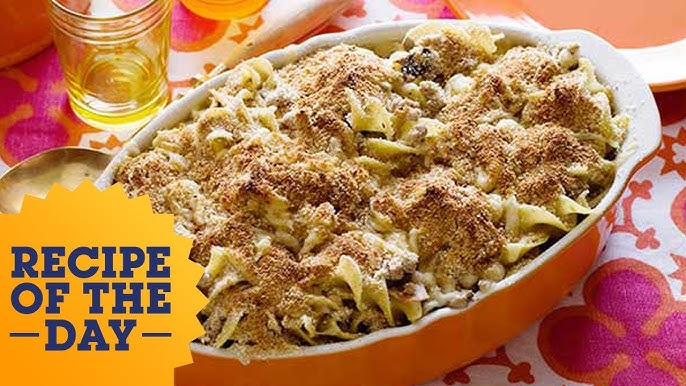
Turkey Casserole Recipe: Turkey casserole is like a warm hug on a plate. Whether you’re trying to use up leftover Thanksgiving turkey or just looking for a hearty, easy-to-make meal that pleases a crowd, this dish is your go-to. Imagine layers of tender turkey chunks, creamy sauce, mixed veggies, and cheese, all baked together until bubbly and golden—sounds amazing, right?
One of the best things about turkey casserole is its adaptability. You can make it as simple or as gourmet as you like. Whether you’re a beginner or a seasoned home chef, this dish delivers flavor without fuss. And the best part? It’s a one-dish wonder. That means fewer dishes to clean and more time to enjoy the meal with your family.
When it’s cold outside and you’re craving something warm and satisfying, a turkey casserole brings all the comfort and joy of a home-cooked meal. It’s rich, filling, and even better the next day. The combination of textures—soft pasta or rice, tender meat, creamy sauce, and a crispy cheese top—makes every bite a delight.
So, why is turkey casserole the ultimate comfort food? Because it’s easy, customizable, and downright delicious.
Ideal Occasions for Serving Turkey Casserole
Turkey casserole isn’t just for post-holiday leftovers. It’s perfect for busy weeknights, family potlucks, casual dinner parties, or even meal prep Sundays. Think of it as your culinary Swiss Army knife—it works for just about every occasion.
Got a fridge full of leftover turkey? Transform it into something completely new and exciting. Need a hearty dish to feed a hungry crowd on game day? Turkey casserole has your back. Hosting a cozy dinner and want something you can prepare in advance? Yep, this dish is made for that too.
And don’t overlook its versatility for themed nights—add taco seasoning and swap in black beans and corn for a Tex-Mex vibe, or toss in some curry and coconut milk for a bold twist. You can even prep it ahead of time, freeze it, and bake when you’re ready—making it perfect for new parents, recovering friends, or anyone who could use a hot, homemade meal without the work.
It’s a dish that keeps on giving—great for leftovers, perfect for gatherings, and an easy favorite for just about everyone.
Ingredients for Turkey Casserole
Main Ingredients
Let’s get real—you can’t make a killer casserole without the right building blocks. Here are the must-have ingredients for a classic turkey casserole that hits all the right notes of flavor and comfort:
- Cooked turkey – Diced or shredded, preferably white and dark meat for richness.
- Cooked pasta or rice – Elbow macaroni, egg noodles, or even cooked white/brown rice.
- Cream of mushroom or chicken soup – For that creamy, velvety base.
- Milk or cream – To thin out the soup and add extra creaminess.
- Frozen mixed vegetables – A colorful blend of peas, carrots, corn, and green beans.
- Shredded cheese – Cheddar, mozzarella, or a cheese blend for that golden, gooey top.
- Seasonings – Salt, pepper, garlic powder, onion powder, thyme, and paprika.
- Breadcrumbs or crushed crackers – Optional topping for added crunch.
Each ingredient serves a purpose. The turkey gives protein, the pasta or rice adds bulk, and the creamy soup binds it all together. Cheese, of course, makes everything better. Add some veggies, and you’ve got a well-rounded meal in one baking dish.
This core set of ingredients ensures the perfect balance of flavor, texture, and nutrition in every forkful.
Optional Add-ins for Extra Flavor
Want to put your own spin on the casserole? Go for it! This dish is incredibly forgiving and ready for your creative touches. Here are some crowd-favorite extras to jazz it up:
- Sautéed onions and garlic – Adds a deep, savory base.
- Fresh herbs – Parsley, sage, rosemary, or thyme bring brightness and aroma.
- Bacon bits or pancetta – For a salty, crispy surprise.
- Hot sauce or cayenne pepper – For those who like a little heat.
- Mushrooms or spinach – More veggies, more flavor, more nutrition.
- Canned green chilies or jalapeños – Perfect for a Southwestern twist.
- Sour cream or cream cheese – To amp up the creaminess.
Feel free to get creative depending on what’s in your fridge or pantry. The goal is to create something comforting, flavorful, and totally crave-worthy. These optional ingredients are like flavor boosters—they take a great dish and make it unforgettable.
Kitchen Tools You’ll Need
Essential Equipment for the Perfect Bake
Making turkey casserole doesn’t require any fancy tools, but having the right kitchen equipment will make your cooking process smoother. Here’s a quick checklist of what you’ll need:
- Large mixing bowl – To combine all your ingredients evenly.
- Casserole dish (9×13-inch) – The star of the show. Glass or ceramic works best.
- Whisk or mixing spoon – For stirring the sauce and blending everything together.
- Cutting board and knife – For chopping turkey and prepping veggies.
- Measuring cups and spoons – Precision matters for the sauce and seasoning.
- Aluminum foil – Optional, but helpful for covering the casserole during baking to prevent over-browning.
These basic tools are staples in most home kitchens, making this dish even more accessible. You won’t need a blender or food processor—just a casserole dish, an oven, and a little love.
Prep and Storage Tools
If you’re planning to make the casserole ahead of time or store leftovers, these tools will come in handy:
- Airtight containers – For storing leftovers in the fridge or freezer.
- Plastic wrap or foil – To cover the dish if storing unbaked.
- Sharpie and masking tape – Label the container with the date and reheating instructions.
- Spatula – For serving without breaking the layers apart.
Having a well-prepped kitchen not only makes the cooking experience smoother but also ensures your leftovers stay fresh and delicious. Turkey casserole tastes even better the next day, so good storage matters!
Step-by-Step Turkey Casserole Recipe
Step 1: Preheat and Prep the Ingredients
The secret to a perfect turkey casserole starts long before the oven timer dings. First, preheat your oven to 375°F (190°C). This ensures even baking and that golden, bubbly top we all love.
While the oven heats up, get your ingredients ready. Dice or shred the turkey into bite-sized pieces. Cook the pasta or rice according to package instructions—al dente is key, so it doesn’t get mushy in the oven. If you’re using frozen vegetables, rinse them under warm water to thaw quickly.
Next, mix your creamy base: in a large bowl, combine the soup and milk or cream. Add your seasonings—salt, pepper, garlic powder, onion powder, and thyme. Stir in the cooked turkey, pasta/rice, veggies, and half the shredded cheese.
Everything should be coated in the creamy mixture. Taste and adjust the seasoning if needed. Once your mixture is ready, pour it into a greased casserole dish.
Step 2: Make the Creamy Sauce
This step is where all the magic begins. A rich, creamy sauce is the glue that holds your casserole together and infuses it with that unmistakable comfort food flavor. The beauty here is in the simplicity—there’s no need for a complex roux or hours at the stove.
Start by whisking together one can of cream of mushroom soup and half a cup of milk or heavy cream in a large bowl. If you prefer a tangier or richer taste, substitute part of the milk with sour cream or cream cheese. Add in your seasonings: 1 tsp salt, ½ tsp black pepper, ½ tsp garlic powder, and a pinch of thyme or Italian seasoning.
Whisk until the mixture is smooth and creamy. Now, add in 1–2 cups of shredded cheese (cheddar, Monterey Jack, or a mix of both). Stir well to combine. The sauce should be creamy but not too thick—it needs to coat every piece of turkey and pasta evenly.
At this stage, you can toss in any of your optional ingredients—maybe some chopped spinach, sautéed onions, or even a few drops of hot sauce for a spicy kick. Stir everything until it’s thoroughly mixed.
Once done, set the sauce aside for layering. It’s going to seep into every nook and cranny of the casserole, ensuring that every bite is bursting with flavor.
Step 3: Layer the Ingredients in the Dish
Now that all your components are ready, it’s time to build the casserole. Think of it like assembling a lasagna—layered, balanced, and designed for flavor in every bite.
Start by lightly greasing a 9×13-inch casserole dish with butter or non-stick spray. This will keep everything from sticking and make cleanup a breeze. Begin by spreading a thin layer of your creamy sauce mixture on the bottom. This prevents the base from drying out during baking.
Next, add half of the cooked pasta or rice, then scatter half of the turkey chunks over it. Pour some of the creamy sauce over this layer and spread it evenly using a spatula. Sprinkle a little cheese on top.
Repeat the layering: the rest of the pasta/rice, the remaining turkey, another generous layer of sauce, and finally, the rest of the cheese. If you’re using breadcrumbs or crushed crackers, mix them with a little melted butter and sprinkle over the top for that irresistible golden crunch.
This layering method ensures that every forkful is a perfect combination of creamy, cheesy, meaty deliciousness. It also helps everything cook evenly without getting soggy or overdone.
Step 4: Bake to Golden Perfection
With your casserole beautifully layered and prepped, it’s time for the final—and most satisfying—step: baking. Slide the dish into your preheated oven and bake at 375°F (190°C) for about 25–30 minutes.
Keep an eye on the top; you want it bubbling and golden brown. If the cheese or topping starts to brown too quickly, loosely cover the dish with aluminum foil for the last 10 minutes.
After baking, remove the casserole from the oven and let it rest for 5–10 minutes. This resting time helps everything firm up, making it easier to cut and serve without the layers falling apart.
When you take that first bite—cheese stretching, sauce oozing, flavors melding—you’ll know the wait was worth it. Serve it hot, garnished with a sprinkle of fresh parsley or chives for a pop of color and a fresh finish.
Pair it with a crisp side salad or steamed veggies, and you’ve got a complete meal that’s both filling and flavorful.
Tips for the Best Turkey Casserole
Ingredient Substitutions and Swaps
One of the reasons turkey casserole is a go-to comfort dish is because it’s endlessly adaptable. Don’t have one of the ingredients? No problem—there’s almost always a substitute that works just as well, if not better.
No cooked turkey? Use shredded chicken, rotisserie chicken, or even leftover ham.
No cream of mushroom soup? Swap with cream of chicken, cream of celery, or make a quick homemade béchamel sauce.
Avoiding dairy? Use a plant-based milk and dairy-free cheese alternatives. There are some great options on the market that melt beautifully.
Low-carb alternative? Replace the pasta or rice with cauliflower rice or zucchini noodles. You’ll get all the flavor without the extra carbs.
Gluten-free? Use gluten-free pasta and soup. Most major grocery stores now carry versions of both.
Customizing your turkey casserole based on dietary needs or pantry availability is not just easy—it’s encouraged! The goal is comfort, ease, and taste, no matter what you’re working with.
Preventing a Soggy Casserole
Let’s face it: no one wants a watery or mushy casserole. Here are some simple tricks to keep your dish creamy and firm:
- Drain excess liquid – If your cooked pasta, rice, or vegetables hold water, be sure to drain them thoroughly before mixing.
- Don’t overdo the sauce – While creamy is good, too much liquid can make the casserole sloppy. Stick to a balance.
- Use al dente pasta – Overcooked noodles will break down more during baking, leading to a soggy texture.
- Rest before serving – Let the casserole sit after baking. This helps the sauce thicken and everything set up properly.
By following these tips, you’ll ensure that your casserole has that perfect balance—rich and creamy, but not swimming in sauce. Just the way it should be.
Creative Variations of Turkey Casserole
Cheesy Broccoli Turkey Casserole
This variation is perfect for cheese lovers and those looking to sneak more greens into their meals. The combo of tender turkey and sharp cheddar cheese plays perfectly with the earthy flavor of broccoli.
Start by steaming or microwaving 2 cups of chopped broccoli until just tender. Mix it with your diced turkey, 1 cup cooked rice, and a blend of cheddar and mozzarella cheese. Use cream of broccoli soup for the base and add a pinch of garlic and onion powder.
Top with more cheese and crushed Ritz crackers or panko for crunch. Bake as usual, and enjoy a melty, veggie-packed meal that even picky eaters will devour.
This version is not just delicious—it’s colorful, nutritious, and freezer-friendly, making it perfect for weeknight dinners and busy schedules.
Tex-Mex Turkey Casserole
Want to spice things up? Tex-Mex turkey casserole is your answer. It’s got all the comforting elements of the original with a zesty, south-of-the-border twist.
Swap the cream of mushroom soup for a blend of sour cream and salsa. Use black beans, corn, and green chilies for extra flair. Season with cumin, chili powder, paprika, and garlic. Top with pepper jack cheese and crushed tortilla chips instead of breadcrumbs.
This version is bold, flavorful, and pairs wonderfully with avocado slices or a dollop of guacamole. It’s the kind of dish that turns a regular weeknight into a fiesta.
Low-Carb or Keto-Friendly Turkey Casserole
Watching your carbs? No problem. You can still enjoy all the creamy, cheesy comfort without the pasta or rice.
Use cauliflower rice or roasted zucchini as the base. Replace the soup with a mix of heavy cream, cream cheese, and shredded cheddar for a low-carb creamy sauce. Add sautéed mushrooms, spinach, and turkey, then top with more cheese.
Bake until bubbly and golden. This keto-friendly twist is rich, satisfying, and keeps you full without weighing you down.
Storage and Reheating Tips
How to Store Leftover Turkey Casserole
Casserole leftovers are like gold—don’t waste them! Once cooled, transfer any uneaten casserole to an airtight container. You can store it in the refrigerator for up to 4 days or freeze it for up to 2 months.
If freezing, consider dividing the casserole into single-serving portions. This makes reheating quick and easy, especially on busy weekdays.
To freeze before baking, assemble the casserole in a freezer-safe dish, cover tightly with foil and plastic wrap, and label it with the date. When ready to eat, thaw it overnight in the fridge, then bake as usual.
Best Way to Reheat Without Drying Out
Reheating a casserole can be tricky—you want it hot and fresh without drying out the meat or sauce. Here’s how to do it right:
Oven method (best for whole dish):
- Preheat oven to 350°F (175°C).
- Cover casserole with foil to prevent drying.
- Bake for 20–25 minutes, or until heated through.
Microwave method (best for individual servings):
- Place a portion on a microwave-safe plate.
- Add a splash of milk or broth to rehydrate.
- Cover loosely and microwave for 2–3 minutes, stirring halfway through.
Whether you reheat in the oven or microwave, a little moisture and patience go a long way. Your leftovers will taste just as amazing as the first time around.
Healthier Alternatives and Nutrition Tips
How to Make a Lighter Version
If you’re watching calories but still craving comfort, you can lighten up turkey casserole without losing flavor. Here’s how:
- Use low-fat milk or Greek yogurt instead of heavy cream or full-fat dairy.
- Go easy on the cheese, or use reduced-fat versions.
- Load up on veggies like spinach, mushrooms, and zucchini.
- Use whole grain pasta or brown rice for added fiber.
Also, skip the fried onion topping or crushed chips, and use whole-wheat breadcrumbs or a sprinkle of Parmesan for crunch.
A lightened-up casserole can still be creamy and satisfying—it’s all about balance and smart swaps.
Adding More Veggies and Whole Grains
Want to boost the nutrition of your turkey casserole? It’s easy:
- Stir in chopped kale, spinach, or arugula for extra greens.
- Add bell peppers, carrots, or squash for color and crunch.
- Use quinoa or farro instead of white rice or regular pasta for more protein and fiber.
These small changes can turn your comfort food into a well-rounded, nutrient-packed meal that keeps you full and energized.
FAQs about Turkey Casserole Recipe
1. Can I make turkey casserole ahead of time?
Absolutely! Assemble it in advance, cover tightly, and store in the fridge for up to 24 hours before baking.
2. What’s the best way to freeze turkey casserole?
Assemble the casserole, cover it well with foil and plastic wrap, and freeze for up to 2 months. Thaw overnight before baking.
3. Can I use canned turkey in this recipe?
Yes, canned turkey can be used in a pinch. Just drain well and adjust the seasoning as needed.
4. What side dishes go well with turkey casserole?
Simple sides like a green salad, roasted vegetables, or garlic bread make perfect pairings.
5. How do I know when the casserole is done baking?
When the top is golden, the edges are bubbly, and the internal temp reaches 165°F, it’s ready to serve.
Conclusion
Turkey casserole is more than just a way to use leftovers—it’s a blank canvas for your creativity, a comfort dish that never fails, and a time-saver for busy days. With a creamy base, savory turkey, and a bubbly, cheesy top, it’s a recipe that checks every box.
Whether you’re feeding a crowd, meal prepping for the week, or just craving something cozy, this casserole has your back. The best part? You can customize it endlessly, from Tex-Mex to keto, and still get rave reviews every time.
So grab those ingredients, preheat that oven, and get ready to fall in love with your new favorite dish.