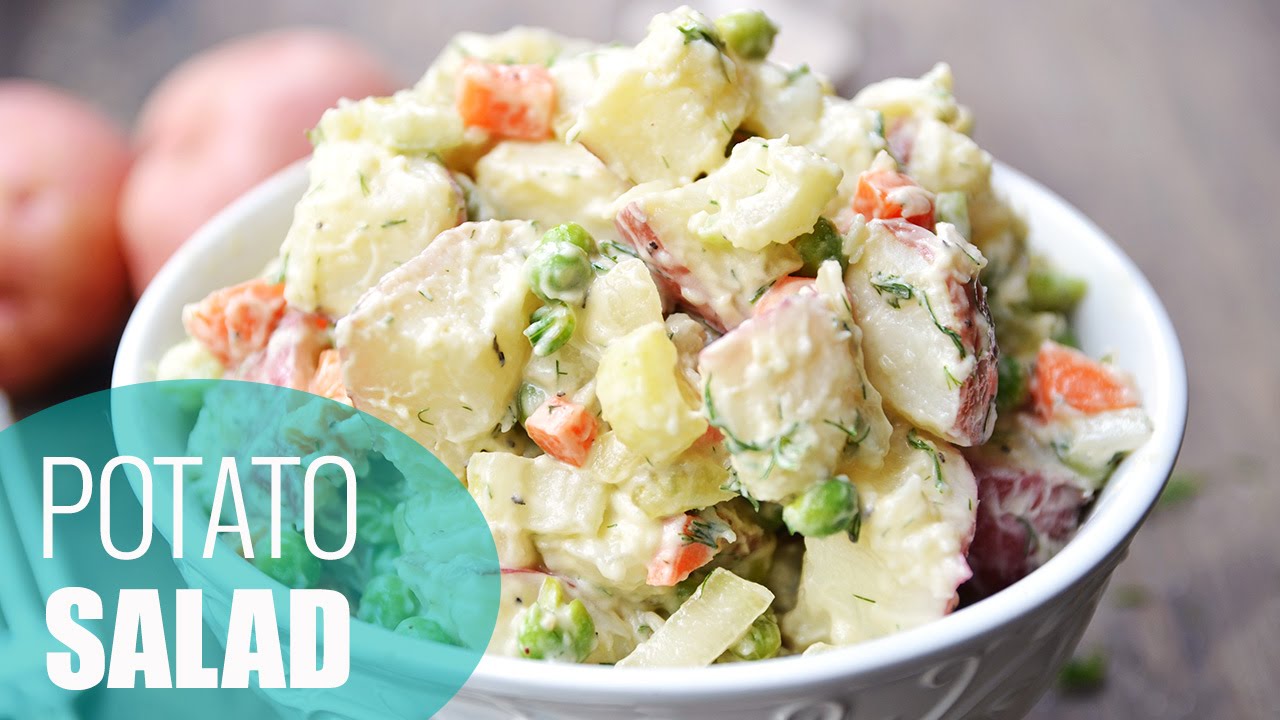
Traditional Potato Salad Recipe: Potato salad is one of those dishes that instantly brings comfort, memories, and a little bit of joy to your plate. Whether you’re at a family picnic, a summer BBQ, or a cozy indoor gathering, traditional potato salad holds its ground as a crowd favorite. It’s creamy, tangy, and full of bite-sized goodness that goes with just about anything from grilled chicken to burgers or sandwiches.
What makes traditional potato salad so enduring? It’s the perfect harmony of boiled potatoes, rich mayo, a splash of mustard, and crunchy celery or onions that give it a refreshing zing. The balance of flavors is key here—you want the potatoes to soak in that creamy dressing without turning mushy, and every bite should offer a contrast in texture and taste.
People love traditional potato salad because it’s customizable, easy to prepare, and always a hit at potlucks. It also ages beautifully in the fridge, often tasting even better the next day. No wonder it’s a staple recipe passed down through generations.
Essential Ingredients for the Perfect Potato Salad
When you’re aiming to make a killer traditional potato salad, ingredients matter. Let’s start with the basics—the essentials that form the core of any classic recipe:
- Potatoes (Yukon gold or russet, more on that below)
- Mayonnaise – full-fat for richness
- Yellow mustard – adds tang and color
- Celery – for that fresh crunch
- Red onions or green onions
- Hard-boiled eggs – chopped, for protein and creaminess
- Vinegar – usually white or apple cider
- Salt and pepper – essential seasoning
- Paprika – optional but great for garnish
Now, for those who like to get a little adventurous, there are optional add-ins that can elevate your potato salad to gourmet status:
- Dill pickles or relish – for a touch of sweetness and acidity
- Fresh herbs like parsley or dill
- Crumbled bacon – because bacon makes everything better
- Chopped bell peppers or carrots for more crunch and color
- Sour cream or Greek yogurt for a lighter, tangier version
The key here is balance—too many add-ins can overwhelm the salad, while just a few thoughtful ones can make it sing.
Choosing the Right Potatoes
Let’s talk taters. Not all potatoes are created equal, especially when it comes to salads. The wrong type can make your salad too mushy or overly firm. Here’s what you should know:
Best potatoes for salad:
- Yukon Gold – These are the gold standard for potato salads. They’re creamy, slightly sweet, and hold their shape beautifully after boiling.
- Red potatoes – Another favorite. They’re waxy and firm, so they don’t fall apart easily.
- Russet potatoes – While they’re fluffy and soft, they can get too mushy if overcooked. Use with caution and always watch the boiling time.
Tips for preparing potatoes:
- Peel or don’t peel? That’s personal preference. Yukon Gold and red potatoes have thin skins that add texture and nutrients, so many folks leave them on.
- Cut before or after boiling? Cutting before boiling helps them cook evenly and faster. Just be sure to cut them into uniform pieces—about 1 to 1.5 inches each.
- Salt the water! Always boil your potatoes in salted water. It’s the first and best chance to season them thoroughly.
Properly cooked potatoes should be fork-tender but not falling apart. Once boiled, let them cool a bit before mixing in the dressing, so they absorb the flavors without turning to mush.
Step-by-Step Guide to Making Potato Salad
Making traditional potato salad is more than just mixing stuff in a bowl. It’s about layering flavors, respecting textures, and creating a dish that’s both comforting and exciting.
Step 1: Boil the Potatoes Properly
Start by washing and scrubbing your potatoes. If you plan to leave the skin on, give them a good cleaning. Cut them into even chunks and place them in a large pot. Cover with cold water, then add a generous amount of salt.
Bring the water to a boil over medium-high heat, then reduce to a simmer. Cook until the potatoes are fork-tender—usually about 10–15 minutes. Be careful not to overcook them, or you’ll end up with mashed potato salad.
Once done, drain and let them sit for a few minutes to cool slightly. You can also rinse them gently with cold water to stop the cooking process.
Step 2: Prepare the Dressing
While your potatoes are cooling, whip up the creamy dressing that brings everything together. In a large mixing bowl, combine:
- 1 cup mayonnaise
- 1 tablespoon yellow mustard
- 1 tablespoon vinegar (apple cider or white)
- Salt and black pepper to taste
- Optional: a dash of sugar for a touch of sweetness
Mix until smooth. This is the flavor foundation—tangy, creamy, and rich. Feel free to taste and tweak it to your liking. Want it tangier? Add more mustard or vinegar. Creamier? More mayo.
Step 3: Mix in the Veggies and Seasonings
Now it’s time to add the crunch and color. Toss in your chopped celery, onions, and hard-boiled eggs. You can also add in any extras like pickles, herbs, or bacon here.
The idea is to mix everything gently so you maintain texture but evenly distribute the flavors. Use a large spoon or spatula and go slow—no mashing allowed!
Step 4: Combine Everything Together
Now comes the fun part—bringing it all together. Take your slightly cooled, cubed potatoes and gently fold them into the bowl with the creamy dressing and crunchy veggies. Use a spatula to combine everything without breaking the potatoes too much. You want them to absorb that flavor but still hold their shape.
Be patient while mixing. Coat each piece of potato with the dressing, ensuring that every bite is flavorful. Don’t worry if the salad looks a bit too saucy at first—after a few hours in the fridge, the potatoes will soak up a lot of the dressing, and the texture will become just right.
Taste again and adjust your seasoning. Need more salt? A little extra vinegar? Don’t be afraid to customize it. Once you’re happy with the taste, cover the bowl tightly with plastic wrap or transfer it into a storage container with a lid.
Chilling and Serving Suggestions
Traditional potato salad is best served cold, which means chilling is not optional—it’s essential. Place your covered bowl in the refrigerator for at least 4 hours, but ideally overnight. This downtime allows the flavors to meld, the dressing to thicken, and the salad to develop that crave-worthy consistency.
When you’re ready to serve it, give it a light stir to fluff it back up. You can also garnish with a sprinkle of paprika, fresh herbs like parsley or chives, or even a few extra slices of hard-boiled egg on top for that picture-perfect presentation.
Perfect pairings:
- BBQ ribs or grilled chicken
- Hamburgers and hot dogs
- Baked beans or corn on the cob
- Fresh lemonade or iced tea
Potato salad is also a great make-ahead side for picnics, holiday spreads, or potlucks. Just keep it cold using a cooler or ice packs if you’re traveling with it.
Storing and Shelf Life
So, what if you made a big batch? Good news—potato salad stores well. Place leftovers in an airtight container and refrigerate immediately. It’ll stay fresh for up to 4–5 days.
Important storage tips:
- Never leave potato salad out at room temperature for more than 2 hours (especially important at summer parties or picnics).
- Keep it in the coldest part of the fridge, not in the door.
- If it starts to smell off or the texture turns watery, it’s time to toss it.
Avoid freezing potato salad—mayonnaise and potatoes don’t freeze well together, and the texture will suffer.
Tips for Making the Best Potato Salad
Want to make a potato salad that guests rave about? Follow these tried-and-true tips from home cooks and kitchen pros:
- Don’t overcook the potatoes. Mushy potatoes = mashed potato salad.
- Season every step. Salt your boiling water, taste the dressing, and adjust as needed.
- Mix while warm. Toss potatoes in dressing while they’re still slightly warm—they absorb flavor better.
- Use quality mayo. The flavor of the mayonnaise really stands out here, so pick a good one.
- Add crunch. Celery, onions, pickles—they’re essential for contrast.
- Garnish like a pro. A dash of paprika or a few chopped herbs make it look restaurant-ready.
Customization Ideas for Potato Salad
The beauty of traditional potato salad is that you can switch it up in countless ways without losing the essence of the dish. Here are some popular variations:
1. Deviled Egg Potato Salad: Add extra mustard, paprika, and chopped eggs for a deviled egg vibe.
2. Bacon Ranch Potato Salad: Mix in cooked bacon and use ranch dressing along with mayo.
3. German-Style Potato Salad: Skip the mayo and use a tangy vinegar-based dressing with bacon.
4. Spicy Kick: Add diced jalapeños or a squirt of sriracha to bring the heat.
5. Mediterranean Twist: Throw in olives, feta cheese, and a splash of lemon juice for a refreshing take.
These ideas let you tailor the salad to your personal tastes or to match the theme of your meal.
Potato Salad for Special Diets
Want to make your potato salad friendly for different diets? No problem.
For Vegan Diets:
- Use vegan mayonnaise
- Skip the eggs
- Add chickpeas for protein
For Gluten-Free Eaters:
- Most traditional recipes are naturally gluten-free, just check all packaged ingredients to be sure
For Lower-Calorie Versions:
- Substitute half or all of the mayo with Greek yogurt
- Use less dressing overall and bulk it up with extra veggies
For Keto or Low-Carb Diets:
- Replace potatoes with cauliflower florets. Similar texture, fewer carbs.
Being mindful of ingredients allows you to serve a dish everyone can enjoy—without sacrificing flavor.
FAQs about Potato Salad Recipe
Q1: Can I make potato salad a day ahead?
Absolutely! In fact, it tastes better the next day. The flavors have more time to meld.
Q2: How do I keep my potato salad from getting watery?
Drain your potatoes thoroughly and let them cool slightly before mixing. Also, don’t overdress—potatoes will release moisture.
Q3: Can I use sweet potatoes instead?
Yes, but it will be a very different flavor. Try roasting them for better texture in the salad.
Q4: Is it safe to eat potato salad that’s been left out?
Only if it’s been out for under two hours. After that, it enters the “danger zone” for bacteria.
Q5: What’s the best vinegar to use?
White vinegar is classic, but apple cider vinegar adds a nice tang and depth.
Conclusion
There’s a reason traditional potato salad has stood the test of time—it’s simple, comforting, and packed with flavor. Whether you’re making it for the first time or tweaking your grandma’s recipe, it’s a dish that never disappoints. With the right potatoes, a creamy dressing, and a bit of love, you’ll have a bowl that everyone will go back for seconds (or thirds).