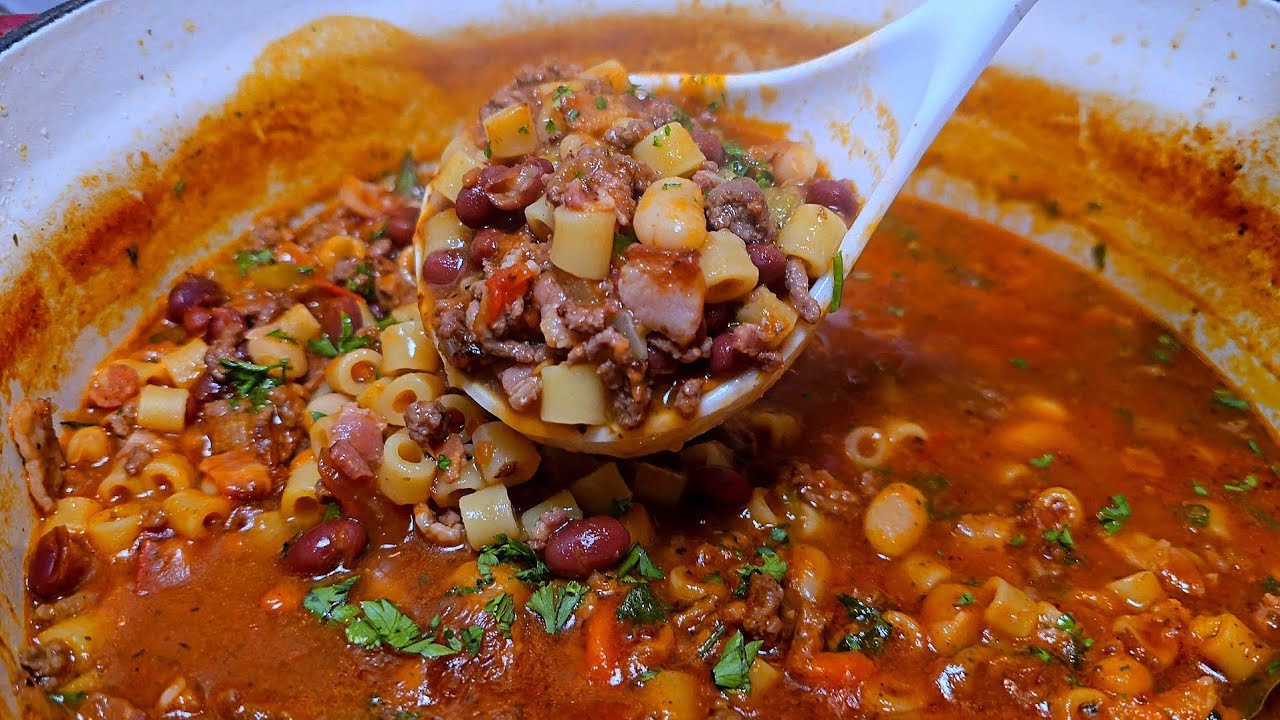
Traditional Italian Pasta Fagioli Recipe: Pasta Fagioli, pronounced “pasta fazool” in some southern Italian dialects, is a hearty and humble dish that has warmed the hearts and stomachs of Italians for generations. Rooted deeply in la cucina povera—or “poor man’s cuisine”—this dish is a celebration of simple ingredients transformed into something magical. It’s more than just pasta and beans; it’s a bowl full of comfort, love, and tradition.
What makes Pasta Fagioli so special? It’s versatile, budget-friendly, and nourishing. Whether you’re enjoying it in a rustic Tuscan village or making it in your own kitchen, the aroma of garlic, herbs, and simmering beans feels like home. This dish has the uncanny ability to transport you to an Italian grandmother’s kitchen with one spoonful.
This guide walks you through the traditional recipe step by step, helping you make an authentic version of this Italian classic right in your own kitchen. Grab a wooden spoon and your favorite soup pot—let’s dive into the flavorful world of Pasta Fagioli.
The History of Pasta Fagioli
The story of Pasta Fagioli stretches back centuries, tracing its roots to rural Italian households that relied on pantry staples for sustenance. Beans and pasta were cheap, filling, and readily available—making them a staple among the working class. But don’t be fooled by the simplicity; this dish is a culinary gem.
In different regions, Pasta Fagioli has taken on various forms. In the north, it’s often richer, featuring pancetta or prosciutto for depth of flavor. In the south, it leans toward the spicier side, sometimes seasoned with chili flakes and garlic-infused oil. Despite its regional variations, the core elements remain consistent—beans, pasta, herbs, and love.
Interestingly, during tough times like World War II and the Great Depression, Pasta Fagioli gained popularity across the globe. Italian immigrants brought it with them to America, where it was embraced for being both nutritious and inexpensive. Today, it continues to serve as a symbol of resilience and tradition, beloved by foodies and families alike.
Ingredients You’ll Need
When it comes to Pasta Fagioli, the magic lies in using fresh, high-quality ingredients. Here’s what you’ll need to recreate this iconic dish:
Beans: The Heart of the Dish
Cannellini beans are the traditional choice, prized for their creamy texture and mild flavor. However, you can also use great northern or borlotti beans. For authenticity, dried beans soaked overnight are best, but canned beans work just fine when you’re short on time.
Pasta: Choosing the Right Shape
Short pasta like ditalini, elbow macaroni, or small shells are perfect. They soak up the flavors and add a chewy contrast to the soft beans. Avoid long pasta—it just doesn’t work here.
Herbs and Spices for Authentic Flavor
Italian parsley, fresh rosemary, bay leaves, and oregano are essential. Don’t forget a generous helping of minced garlic and a hint of crushed red pepper if you like a kick. Olive oil should be extra virgin—always.
Here’s a basic ingredients list:
- 1 cup dried cannellini beans (or 2 cans, drained)
- 1 cup ditalini pasta
- 1 onion, finely chopped
- 2 carrots, diced
- 2 celery stalks, diced
- 3 garlic cloves, minced
- 1 sprig rosemary
- 1 bay leaf
- 1 teaspoon oregano
- Salt and pepper to taste
- 4 cups vegetable broth
- 2 tablespoons tomato paste
- 1/4 cup olive oil
- Fresh parsley and Parmesan for garnish
With all these on hand, you’re already halfway to a delicious bowl of Pasta Fagioli.
Kitchen Tools and Prep Tips
Making Pasta Fagioli doesn’t require fancy gadgets—just a few kitchen essentials. A heavy-bottomed soup pot or Dutch oven is perfect for even cooking. You’ll also need a cutting board, sharp knife, wooden spoon, and a ladle.
Prep Tips:
- If using dried beans, soak them overnight in cold water. This reduces cooking time and improves texture.
- Dice your vegetables uniformly to ensure even cooking.
- Heat the broth in a separate pot so it doesn’t cool down the base when added.
- Always taste as you go—adjust salt, herbs, and spices accordingly.
Preparation and mise en place are the secrets to seamless cooking. Get everything chopped and measured before turning on the stove, and you’ll feel like a true Italian chef in no time.
Step-by-Step Cooking Instructions
Here comes the fun part—bringing everything together into one soul-warming pot of goodness.
Step 1: Preparing the Base (Soffritto)
Begin by heating olive oil in your pot over medium heat. Add chopped onions, carrots, and celery—the holy trinity of Italian cooking. Sauté them until they’re soft and fragrant, about 10 minutes. Then, stir in the minced garlic and cook for another minute.
This base, known as soffritto, is the flavor foundation of your dish. Don’t rush it. Let the vegetables sweat and caramelize slightly—it’ll make all the difference.
Step 2: Cooking the Beans
If you’re using dried beans, drain and rinse them after soaking. Add them to the pot along with the bay leaf, rosemary, and oregano. Pour in enough vegetable broth to cover everything. Bring to a boil, then lower the heat and let it simmer gently for about an hour or until the beans are tender.
Using canned beans? Add them after the vegetables are soft and cook for just 20 minutes to blend the flavors.
Step 3: Adding the Broth and Simmering
Once your beans are nearly tender (or if you’re using canned beans, once they’ve been added and warmed through), it’s time to deepen the flavor. Stir in your tomato paste and let it cook for 2-3 minutes to caramelize slightly—it’ll add a rich, concentrated tomato flavor. Then pour in the remaining vegetable broth, enough to create a hearty, soup-like consistency.
This is where the magic starts. Let everything simmer together for at least 30 minutes. If you want a creamier texture, mash a portion of the beans with the back of your spoon or use an immersion blender to partially purée the mixture right in the pot. You still want to keep some beans whole for texture, but this trick thickens the broth beautifully without cream or flour.
Taste and adjust your seasonings—this is your last chance to tweak the flavor before finishing up.
Step 4: Cooking the Pasta
While the soup is simmering and those flavors are getting cozy, bring a separate pot of salted water to a boil. Add your pasta and cook it until just al dente—firm to the bite. You’ll want to slightly undercook the pasta if you’re planning to store leftovers since it will continue to absorb liquid in the soup.
Drain the pasta and toss it with a splash of olive oil to prevent sticking. Keep it separate until you’re ready to serve. This method prevents your pasta from turning mushy and keeps your broth from being overly starchy.
When ready to serve, add a scoop of pasta to each bowl and ladle the hot soup over the top. Stir gently, garnish with parsley and a generous sprinkle of Parmesan, and enjoy.
Step 5: Finishing Touches
Before serving, take a moment to elevate your dish with a few classic Italian finishing touches. Drizzle each bowl with a bit of high-quality extra virgin olive oil—it adds a silky richness. A few grinds of black pepper, a sprinkle of freshly chopped parsley, and a handful of grated Parmesan or Pecorino Romano bring everything together.
For a bit of heat, try a pinch of crushed red pepper flakes. And if you’ve got it, a splash of good balsamic vinegar adds a layer of complexity and brightness that really makes the dish sing.
These final flourishes aren’t just about looks—they elevate the flavors and make your Pasta Fagioli feel restaurant-worthy.
Serving Suggestions and Garnishes
Pasta Fagioli is hearty enough to serve as a meal on its own, but it pairs wonderfully with a few simple sides. Crusty Italian bread or garlic toast is perfect for dunking. A crisp green salad with a lemony vinaigrette balances the richness of the soup. If you’re in the mood for something more indulgent, try a side of roasted vegetables or even a small antipasto platter with olives, marinated artichokes, and cured meats.
Garnish-wise, fresh herbs like parsley or basil add brightness. Don’t forget the cheese—Parmesan, Romano, or even a dollop of ricotta on top for a creamy contrast. And if you’re feeling festive, pair your bowl with a glass of Chianti or another medium-bodied red wine.
Pasta Fagioli may be simple, but served right, it becomes a meal to remember.
Storage Tips and Leftover Ideas
One of the best things about Pasta Fagioli is that it makes fantastic leftovers. The flavors deepen overnight, making it even more delicious the next day.
To store:
- Separate the pasta and soup if possible to avoid soggy pasta.
- Store soup in an airtight container in the refrigerator for up to 4 days.
- Freeze for up to 3 months, minus the pasta.
To reheat, warm the soup gently on the stove and add fresh-cooked pasta just before serving. You can also reheat in the microwave, but be sure to do it in short bursts and stir in between to heat evenly.
Got leftovers? Try these ideas:
- Blend it into a creamy soup for a different texture.
- Top it with a poached egg for a protein-packed breakfast or lunch.
- Use it as a base for a quick casserole with breadcrumbs and cheese.
Common Mistakes to Avoid
Even a classic like Pasta Fagioli can go wrong if you’re not careful. Avoid these common pitfalls:
- Overcooking the pasta: Always cook it separately and keep it slightly underdone.
- Skipping the soffritto: This step builds flavor—don’t rush it.
- Not seasoning in layers: Taste and adjust throughout the cooking process.
- Using too much water or broth: You want a thick, hearty consistency, not a watery soup.
- Overblending: A little mashed bean action is great, but too much and you lose the dish’s texture.
Keep it simple, trust the process, and remember—Pasta Fagioli isn’t about perfection, it’s about heart.
Health Benefits of Pasta Fagioli
Pasta Fagioli isn’t just warm and comforting—it’s incredibly nutritious. Built around wholesome ingredients like beans, vegetables, and olive oil, this dish delivers a wealth of health benefits without sacrificing flavor.
Beans, especially cannellini or borlotti, are a powerhouse of plant-based protein and fiber. They help stabilize blood sugar levels, support digestive health, and keep you feeling full longer. Fiber also aids in cholesterol management and heart health, making Pasta Fagioli a great addition to a balanced diet.
Vegetables like carrots, celery, and onions are rich in essential vitamins and antioxidants. These help reduce inflammation, support immune function, and contribute to overall vitality. Garlic and herbs like rosemary and parsley not only add flavor but also boast anti-inflammatory and antimicrobial properties.
Olive oil, a staple of the Mediterranean diet, is high in heart-healthy monounsaturated fats and antioxidants. It supports brain health, reduces the risk of heart disease, and promotes healthy aging.
Want to make it even healthier? Try whole wheat or legume-based pasta to boost fiber and protein even further. And if you’re looking to cut sodium, make your own broth and skip pre-salted canned goods.
All these components come together in a bowl of Pasta Fagioli that doesn’t just satisfy your appetite—it nourishes your body, too.
Vegetarian and Vegan Modifications
Pasta Fagioli is naturally vegetarian and can easily be made vegan with just a couple of simple swaps. This makes it an ideal dish for plant-based eaters who crave something hearty and filling.
To make it vegan:
- Use vegetable broth instead of chicken broth.
- Skip the cheese or replace it with a dairy-free alternative like nutritional yeast or vegan Parmesan.
- Avoid adding pancetta or prosciutto, which some recipes include.
For more richness, you can add a swirl of cashew cream, coconut cream, or even a dollop of hummus stirred into the soup. Want to increase the protein content? Stir in extra beans or top with plant-based sausage.
This recipe is flexible, forgiving, and totally delicious regardless of dietary preference. And because it’s made with real, whole ingredients, it fits beautifully into a clean-eating lifestyle.
Regional Variations Across Italy
Though the core of Pasta Fagioli stays the same—pasta, beans, and a savory broth—different regions of Italy have put their own unique spin on it.
- Northern Italy: You might find richer versions here, with pancetta, prosciutto, or even lard used in the base. They often use borlotti beans and fresh herbs like sage and thyme. The soup is thicker, almost like a stew, and served piping hot with crusty bread.
- Central Italy (Tuscany/Umbria): This version leans heavily on olive oil, garlic, and cannellini beans. Tomatoes are used sparingly, allowing the flavor of the beans to shine through.
- Southern Italy (Campania, Calabria): Here, the soup takes on a spicier personality. Garlic, chili flakes, and lots of oregano make an appearance. Tomato paste is more prominent, giving the dish a redder hue.
Some regions also use broken spaghetti or tagliatelle instead of small pasta shapes. Regardless of the version, Pasta Fagioli remains a rustic dish with humble roots—and endless flavor.
Why This Recipe Stands Out
What makes this particular Pasta Fagioli recipe shine is its balance between tradition and accessibility. It captures the essence of classic Italian cooking while being flexible enough for modern kitchens.
- Simple Ingredients: Nothing fancy—just honest, wholesome food.
- Depth of Flavor: From the slow-cooked soffritto to the final drizzle of olive oil, every step adds complexity.
- Adaptable: Vegetarian, vegan, gluten-free? Easy. Meat-lovers? Add pancetta or sausage. Meal-prepping? It freezes beautifully.
This recipe isn’t just a meal—it’s a tribute to the resilience and creativity of generations past. And once you taste it, it’s bound to become a favorite in your kitchen, too.
FAQs about Italian Pasta Fagioli Recipe
Can I use canned beans?
Absolutely! Canned beans are a great time-saver. Just make sure to rinse them well to remove excess sodium and preservatives.
Is Pasta Fagioli a soup or a stew?
It depends on the region and personal preference. Some like it thick and hearty (stew-like), others prefer it more brothy (soup-style).
How do I thicken Pasta Fagioli?
Mash some of the beans or blend a portion of the soup. You can also simmer it longer to reduce the liquid.
Can I freeze Pasta Fagioli?
Yes! Freeze the soup without the pasta, and add fresh-cooked pasta when reheating to maintain texture.
What pasta is best for Pasta Fagioli?
Short pasta like ditalini, small shells, or elbow macaroni works best. Avoid long pasta—it doesn’t blend well with the texture.
Conclusion
Pasta Fagioli is one of those timeless dishes that proves the best food doesn’t need to be complicated. With just a few pantry staples, you can create a soul-satisfying meal that’s as nourishing as it is delicious.
Whether you’re cooking for family, entertaining guests, or just want something cozy and comforting on a cold night, this traditional Italian recipe delivers. So go ahead, grab your pot, chop those veggies, and let your kitchen fill with the irresistible aroma of Italy.
And remember—like any great Italian dish, the secret ingredient is love.