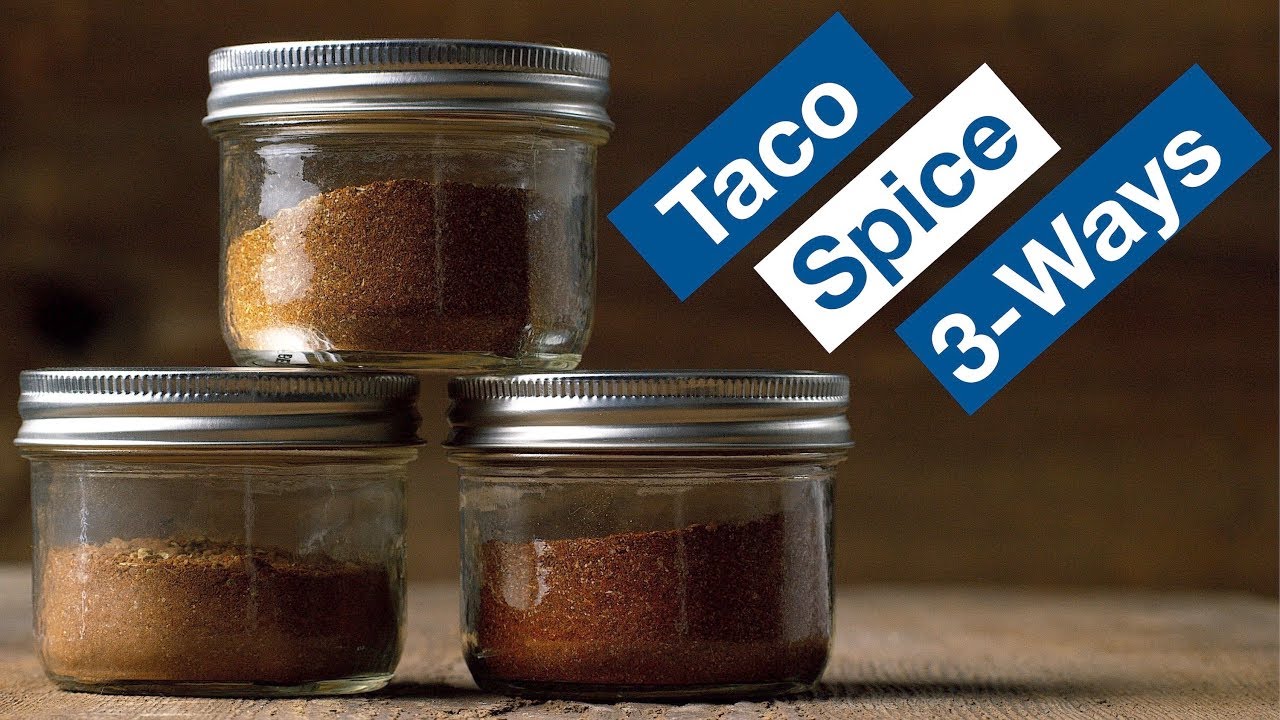
Taco Spice Recipe: Who doesn’t love tacos? They’re fast, customizable, and full of flavor. But the real magic lies in the seasoning. Instead of reaching for the store-bought packet filled with preservatives, sugar, and fillers, why not create your own taco spice blend? It’s fresher, more flavorful, and entirely tailored to your taste.
In this guide, we’ll walk you through a detailed, step-by-step process of crafting the perfect taco seasoning right at home. Whether you like it mild, spicy, smoky, or sweet, this mix will transform your meals into a fiesta of flavors.
What Is Taco Spice?
Taco spice, or taco seasoning, is a dry blend of herbs and spices designed to infuse that unmistakable Tex-Mex flair into meats, beans, and vegetables. Typically associated with ground beef tacos, this seasoning has a wide range of applications—from chicken and shrimp to roasted veggies and even soups.
At its core, taco spice balances savory, spicy, and aromatic flavors. The blend usually includes chili powder, cumin, garlic powder, onion powder, paprika, and oregano. Some versions also add cayenne pepper for heat or sugar for a slight sweetness. Making it at home lets you skip the additives and focus on pure, bold flavors.
Why Make Your Own Taco Seasoning?
Making your own taco spice blend offers several advantages. First, it allows full control over ingredients—perfect if you’re avoiding salt, sugar, or preservatives. You also get to adjust the spice level based on your preference. Want it hotter? Add more cayenne. Prefer a smoky kick? Go heavy on the smoked paprika.
Beyond health and taste, homemade taco spice is more economical. With common pantry spices, you can create a large batch for less than a few store-bought packets. Plus, it stores well, meaning you’ll always have some on hand when taco cravings strike.
Common Ingredients in Taco Seasoning
Core Spices and Their Roles
A good taco spice recipe is all about balance. Here’s a breakdown of the must-have ingredients and what they bring to the mix:
- Chili Powder: This is the base. It provides color, a mild heat, and depth.
- Cumin: Earthy and warm, cumin gives taco seasoning that classic “south of the border” flavor.
- Paprika: Adds color and a sweet, slightly smoky flavor. Smoked paprika intensifies the smokiness.
- Garlic Powder: A savory backbone that enhances the umami.
- Onion Powder: Sweet and tangy, onion powder boosts flavor without overpowering.
- Oregano: Offers a herbaceous note that ties everything together.
- Salt & Pepper: Enhances and sharpens the flavor. Optional if you prefer to salt your food separately.
These ingredients, when combined in the right ratios, create a punchy and versatile spice mix perfect for tacos and more.
Optional Additions for a Twist
Once you’ve nailed the basic mix, get creative:
- Cayenne Pepper: Adds serious heat. Adjust to your comfort level.
- Crushed Red Pepper Flakes: For a different kind of heat and texture.
- Smoked Salt: A great way to add smoky depth.
- Brown Sugar: For a touch of sweetness, especially good with chicken or pork.
- Cocoa Powder: A small pinch adds richness and complexity—great for mole-inspired dishes.
Tools and Equipment Needed
Making taco seasoning doesn’t require fancy gadgets. In fact, you probably already have everything you need:
- Measuring Spoons: Precision is key to replicating your perfect mix every time.
- Mixing Bowl: A small glass or ceramic bowl works best.
- Whisk or Spoon: For thorough blending.
- Glass Jar or Spice Container: Airtight and dark containers are best for storage.
- Label or Marker: Date and name your mix to keep track of freshness.
Optional but helpful tools include a mini funnel (for transferring the spice into jars neatly) and spice grinder (if using whole spices).
Step-by-Step Taco Spice Recipe
Step 1: Gather Your Ingredients
To make a classic taco spice blend, you’ll need:
- 2 tablespoons chili powder
- 1 tablespoon ground cumin
- 1 teaspoon smoked paprika
- 1 teaspoon garlic powder
- 1 teaspoon onion powder
- ½ teaspoon dried oregano
- ½ teaspoon black pepper
- ½ teaspoon salt (optional)
- ¼ teaspoon cayenne pepper (optional for heat)
All these spices are easily found at any grocery store and are probably already sitting in your kitchen cabinet.
Lay them all out on your counter before starting. This helps ensure you don’t miss any ingredient—especially important when you’re doubling or tripling the recipe. Pro tip: Use the back of a spoon to level off each scoop for accuracy.
Step 2: Measure Precisely
Accuracy matters. Spices are powerful, and even a pinch too much can throw off the balance of the entire blend. Start with measuring spoons and level off each ingredient with a flat edge—no heaping allowed unless you love a bit of improvisation.
It’s helpful to measure your spices into small prep bowls or directly into your mixing bowl, one at a time. This way, you can adjust ratios as needed before combining. If you’re creating your own variation, note the quantities you’re using—you’ll want to recreate that perfect batch later.
Precision also matters when scaling the recipe. Doubling or tripling your blend? Multiply every ingredient, not just the main ones. And when adjusting heat or salt, make small changes first—it’s easier to add than to take away.
A good rule of thumb: taste a tiny bit before sealing the deal. While it won’t be as delicious as on meat or veggies, the raw blend will still give you an idea of balance. If anything feels off, fix it now before storing.
Step 3: Mix Thoroughly
Once all your spices are in the bowl, it’s time to mix. Don’t underestimate this step—an uneven blend can result in bites that are too salty, too hot, or completely bland. Use a small whisk or a fork and mix vigorously, ensuring every speck is evenly distributed.
Be patient here. Spend at least a minute mixing, scraping the bottom and edges of the bowl. You want to make sure that all those fine powders—especially things like garlic and onion powder—don’t clump up or stick to each other. Uniformity is key for a consistent flavor when you sprinkle this over your meat or veggies.
If you’re making a big batch, you could even shake the spices together in a mason jar. Just make sure the lid is tight, and shake like you mean it! Bonus: this method also gives you a preview of how the mix will look stored.
Step 4: Store Properly
Storing your taco spice properly ensures it retains its flavor for as long as possible. After mixing, transfer your blend to an airtight container. A small glass spice jar or mason jar with a screw-top lid is ideal.
Avoid plastic if you can—glass doesn’t absorb the smells or oils from spices, which means your mix will stay fresh longer. Label the jar with the name and the date so you know how old it is later.
Spices should be stored in a cool, dark place, away from direct sunlight and moisture. Think pantry shelf or spice cabinet—not above the stove. Exposure to heat and light can break down the oils in the spices, dulling their flavor over time.
If stored properly, your homemade taco spice can last up to 6 months, though it’s best used within 3–4 months for peak flavor.
Tips to Customize Your Taco Spice
Adjusting Heat Levels
One of the biggest benefits of making your own taco spice is being able to control the heat. Don’t like it spicy? Skip the cayenne and go easy on the chili powder. Want more fire? Increase the cayenne or add crushed red pepper flakes.
You can also get creative with different types of chili powders. Ancho chili powder is rich and smoky but not too hot. Chipotle chili powder brings deep heat and a smoky punch. Mixing these with traditional chili powder can create a unique, layered flavor profile.
For families with different spice tolerances, consider making a base mix without heat and adding spice per dish. That way, everyone’s happy—and no one’s mouth is on fire unless they want it to be.
Enhancing Smokiness or Sweetness
Flavor isn’t just about heat. If you love smoky flavors, increase the amount of smoked paprika or try adding a pinch of chipotle powder. Smoked salt or ground coriander can also deepen the blend’s complexity.
For a sweeter twist, especially if you’re seasoning pork or chicken, consider a dash of brown sugar. It caramelizes beautifully when cooked and adds balance to spicy elements. Just remember to use sugar sparingly—too much can make the blend clumpy or overly sweet.
Cinnamon and cocoa powder are two underrated additions that can add surprising depth. In small amounts, they won’t dominate but will add a rich, earthy undertone perfect for beef or mole-inspired tacos.
Storage and Shelf Life
Best Practices for Freshness
Like all spice blends, taco seasoning doesn’t last forever. But by following a few simple tips, you can keep it flavorful and ready to use for months:
- Use airtight containers: Glass jars with tight lids work best.
- Avoid moisture: Never scoop your blend with a wet spoon. Moisture causes clumping and can lead to mold.
- Store in the dark: Light breaks down essential oils in spices. Keep your jar in a cabinet or pantry, away from the stove.
- Don’t make too much: It’s tempting to triple the recipe, but spices lose potency over time. Make what you’ll use in 3–4 months for the best flavor.
To test if your taco spice is still good, give it a sniff. If it doesn’t smell strong or has a faint musty aroma, it’s time for a fresh batch.
Using Taco Spice in Dishes
How Much to Use
A good starting point is about 2 tablespoons of taco spice per 1 pound of meat. Adjust based on your taste. For veggies or soups, start with 1 tablespoon and increase as needed.
When cooking ground beef for tacos, add the spice once the meat is browned and drained. Mix it in with a splash of water or broth and simmer for 5–10 minutes. This allows the spices to bloom and coat the meat evenly.
For grilled chicken, rub the spice directly onto the meat with a bit of oil before cooking. You can also stir it into marinades or sprinkle it on veggies before roasting. The possibilities are endless!
Taco Spice Beyond Tacos
Don’t limit your homemade seasoning to just tacos. Try it in:
- Quesadillas and nachos: Sprinkle it over cheese and fillings.
- Soups and stews: Stir in for an instant flavor boost.
- Roasted vegetables: Especially good on sweet potatoes, cauliflower, or bell peppers.
- Egg dishes: Mix into scrambled eggs or frittatas for a bold breakfast.
- Popcorn: Yep—just a pinch adds a spicy, savory kick.
Once you see how versatile your taco spice is, you’ll want to use it on just about everything.
Health Benefits of Homemade Taco Seasoning
Homemade taco seasoning isn’t just about flavor—it’s also a much healthier option compared to store-bought packets. When you control the ingredients, you also control what goes into your body. Let’s break down the key health advantages.
1. No Preservatives or Additives: Most commercial taco seasoning packets are loaded with anti-caking agents, preservatives, MSG, and artificial colors. These ingredients can cause unwanted side effects, especially for those with sensitivities or allergies. Homemade seasoning, on the other hand, is pure and clean.
2. Low Sodium: Packaged mixes often contain a shockingly high amount of sodium—sometimes over 300mg per serving. Making your own allows you to reduce or eliminate salt entirely, which is great for heart health and managing blood pressure.
3. Sugar-Free: Did you know many pre-made blends include sugar or corn syrup solids? You likely don’t need added sugar in your tacos. With a homemade mix, you can skip the sweeteners or add a tiny pinch of natural options like coconut sugar or honey powder if desired.
4. Customizable for Diets: Whether you’re following keto, Whole30, vegan, paleo, gluten-free, or low-FODMAP, your seasoning can be tweaked to suit your nutritional goals. Want to skip garlic or onion for sensitivity? Easy. Prefer organic, non-GMO spices? Totally possible.
5. Real Spice Benefits: Many of the ingredients used in taco spice have health benefits on their own. For example:
- Cumin aids digestion and boosts metabolism.
- Chili powder is high in antioxidants and may boost immunity.
- Garlic and onion powders have antimicrobial and heart-healthy properties.
So not only are you eating tastier food, but you’re also doing your body a favor.
Common Mistakes to Avoid
Even with a simple recipe, a few missteps can impact the flavor and effectiveness of your taco seasoning. Let’s go over some common mistakes and how to avoid them:
1. Using Stale Spices: Old, flavorless spices won’t do your seasoning justice. Always check expiration dates and give each spice a sniff—if it doesn’t smell like much, it’s probably lost its punch. Use fresh, aromatic spices for the best results.
2. Over-salting: It’s easy to go overboard with salt, especially if you’re seasoning other parts of your dish too. Consider leaving salt out of the mix and adding it separately to the dish as needed.
3. Skipping Proper Mixing: Uneven blending leads to uneven flavor. Always whisk your ingredients thoroughly or shake them in a sealed jar for a uniform mix. You want every scoop to taste the same.
4. Not Labeling Your Blend: It might seem obvious now, but two months down the line, you may forget what’s in that jar. Always label your seasoning mix with the name and date. You’ll thank yourself later.
5. Not Adjusting for Taste Preferences: Everyone’s spice tolerance is different. Start with a basic blend and adjust slowly. If your mix turns out too spicy or bland, write it down and tweak the ratios for next time.
Avoid these mistakes, and your homemade taco seasoning will come out perfect every time.
FAQs about Taco Spice Recipe
Can I make taco spice without salt?
Absolutely. If you’re watching your sodium intake or prefer to add salt separately when cooking, you can skip it in the mix. The spice blend will still taste amazing, and you’ll have full control over how salty your food turns out.
How long does homemade taco seasoning last?
When stored in an airtight container in a cool, dark place, your homemade taco spice can last up to 6 months. For best flavor, try to use it within 3–4 months.
What dishes can I use taco spice in?
It’s incredibly versatile. Besides traditional tacos, use it in soups, stews, casseroles, chili, roasted veggies, eggs, popcorn, and even pasta bakes. It adds a Tex-Mex twist to almost anything.
Can I double or triple the recipe?
Definitely. Just make sure to scale all ingredients evenly and mix thoroughly. Store in a larger jar and enjoy for weeks or months to come.
Is taco seasoning gluten-free?
Yes—if you use pure, single-ingredient spices, your homemade taco seasoning is naturally gluten-free. Just avoid any spice blends or pre-ground seasonings that list “natural flavors” or anti-caking agents unless labeled gluten-free.
Conclusion
Making your own taco spice is one of the easiest kitchen upgrades you can make. It’s cost-effective, customizable, and incredibly flavorful. You get to ditch the additives, reduce sodium, and dial up the spices exactly how you like them. Whether you prefer a mild blend or something that lights a fire on your tongue, this recipe gives you total control over what hits your plate.
From busy weeknight dinners to weekend BBQs, your homemade taco seasoning is bound to become your new go-to. And once you taste the difference, you’ll never look back at store-bought mixes again. Start small, experiment with flavors, and before you know it, you’ll be making bigger batches to share with friends.
So what are you waiting for? Open that spice cabinet, grab a mixing bowl, and whip up your own signature taco spice blend today. Your taste buds—and your wallet—will thank you.