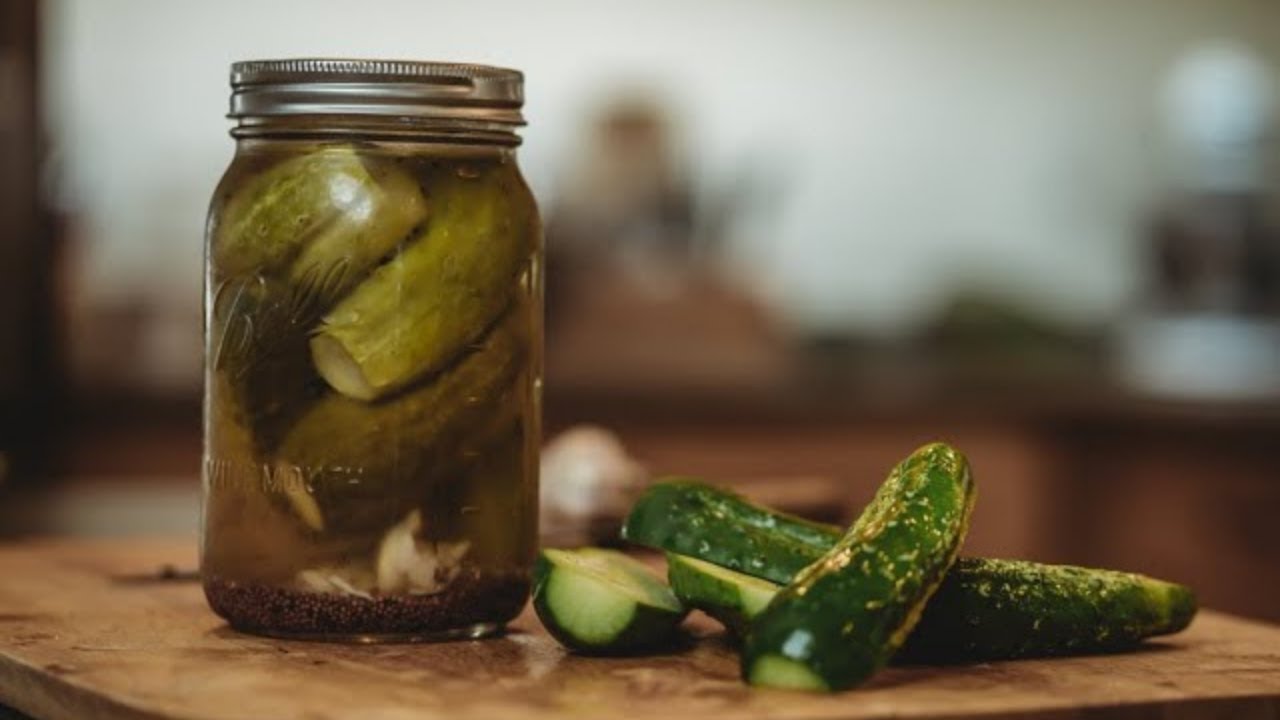
Sweet Pickle Recipe: Sweet pickles are a delightful mix of crisp, tart cucumbers soaked in a tangy-sweet brine. Unlike dill or sour pickles, these have a unique sugary kick that pairs beautifully with spicy dishes, sandwiches, and even cheese boards. The flavor profile includes sugar, vinegar, and a range of spices like mustard seeds, cloves, and celery seeds.
Sweet pickles are a Southern staple, especially popular during summer BBQs and holiday spreads. They balance flavors in hearty meals and add a satisfying crunch to any plate.
Why Make Sweet Pickles at Home?
Homemade pickles let you control every ingredient—from the type of cucumbers used to the sugar-to-vinegar ratio. No preservatives. No strange additives. Just fresh, delicious produce turned into a shelf-stable treat.
Another reason? They’re cost-effective! Store-bought artisan pickles are pricey. With a few basic ingredients, you can make a whole batch for a fraction of the cost. Plus, homemade pickles make great gifts.
Ingredients You’ll Need
Fresh Produce
The heart of this recipe is, of course, cucumbers. But not just any cucumbers—opt for pickling cucumbers (also called Kirby cucumbers). They are shorter, firmer, and have fewer seeds than slicing cucumbers, which makes them ideal for pickling. You’ll need about 2 pounds for a decent batch.
Optional add-ins:
- Sliced onions (for an extra zing)
- Bell peppers (adds color and crunch)
- Garlic cloves (for a spicy kick)
Essential Spices and Vinegar
Here’s what you’ll need:
- 2 cups white vinegar
- 1 cup apple cider vinegar (for added depth)
- 2 ½ cups granulated sugar
- 2 tablespoons mustard seeds
- 1 tablespoon celery seeds
- 1 teaspoon ground turmeric
- 1 tablespoon pickling salt or kosher salt
These ingredients create that signature sweet, tangy, and slightly spicy flavor. Apple cider vinegar softens the sharpness of white vinegar while giving a warm, robust aroma. Mustard and celery seeds bring crunch and a subtle bitterness that complements the sugar.
Kitchen Tools Required
Basic Equipment Checklist
You don’t need fancy gadgets to make sweet pickles, but having the right tools helps. Here’s a quick list:
- Large pot (for brine and boiling cucumbers)
- Sharp knife or mandoline (for even slicing)
- Mixing bowls
- Canning jars with lids (preferably pint-size or quart-size mason jars)
- Jar lifter or tongs (for safety during sterilization)
- Ladle and funnel (for easy brine pouring)
Sterilizing jars is crucial to prevent spoilage. You can either boil them in water or run them through a hot dishwasher cycle.
Step-by-Step Sweet Pickle Recipe
Step 1: Preparing the Cucumbers
Wash your cucumbers thoroughly to remove any dirt. Then, slice them into uniform rounds—about ¼ inch thick. If you prefer spears or halves, that works too, but thinner slices soak up brine faster.
Place the cucumber slices into a bowl with 1 tablespoon of pickling salt. Mix them gently and let them sit for about 2-3 hours. This step helps draw out excess water and improves texture.
After salting, rinse the cucumbers well under cold water and drain them.
Step 2: Making the Brine
In a large pot, combine:
- 2 cups white vinegar
- 1 cup apple cider vinegar
- 2 ½ cups sugar
- 2 tablespoons mustard seeds
- 1 tablespoon celery seeds
- 1 teaspoon turmeric
Heat the mixture over medium heat, stirring occasionally until the sugar completely dissolves. Let the brine come to a gentle boil—this ensures all flavors fuse together nicely.
Step 3: Cooking and Mixing
Add your drained cucumbers into the hot brine. Simmer for about 5-7 minutes, just until they turn a bit translucent and absorb the flavors. If you’re adding onions or peppers, toss them in now.
Do not overcook—cucumbers should still be a little firm when removed from heat.
Step 4: Jar Sterilization and Storage
While the cucumbers are simmering, sterilize your jars by boiling them for 10 minutes or placing them in a hot dishwasher cycle. Dry them carefully.
Using a funnel, ladle the hot pickles and brine into each jar, leaving about ½ inch of space at the top. Seal tightly with a lid.
For longer shelf life, process the sealed jars in a boiling water bath for 10 minutes. Otherwise, allow jars to cool and refrigerate.
Tips for the Best Homemade Pickles
Flavor Enhancement Tricks
The magic of sweet pickles lies in the balance of sweet, sour, and spice. But here’s the secret: you can elevate your pickles with just a few smart tweaks. Want that deep deli-style flavor? Try adding a few whole cloves or a pinch of allspice to the brine. It gives your pickles a subtle warmth that lingers on the tongue.
Another great tip—add thin slices of fresh ginger or a cinnamon stick for a unique twist. These aren’t typical, but they work beautifully in sweet brine. If you want a richer, slightly darker syrup, use brown sugar in place of white sugar.
Lastly, let the pickles sit for at least 48 hours before opening a jar. The flavors need time to settle and mingle. The longer they rest, the better they taste.
Texture Tips
Nobody likes a soggy pickle. To keep them crisp:
- Use fresh, firm cucumbers. Older ones go limp quickly.
- Don’t skip the salting step. Drawing out excess water before adding the brine is essential.
- Consider adding grape leaves or a pinch of alum to each jar. These help preserve crunch, especially if you’re water-bath canning.
- Cool the jars gradually after processing to prevent softening.
These little details make a big difference in the final texture and taste.
Variations You Can Try
Spicy Sweet Pickles
Want a bit of heat with your sweet? Toss in some red pepper flakes, jalapeño slices, or even a whole dried chili to your brine. The spicy notes perfectly balance the sugary syrup, adding a bold layer to the flavor.
If you’re brave, try habanero-infused sweet pickles. Just one small pepper per jar can bring a fiery kick. Remember, a little goes a long way.
Bread and Butter Style
Bread and butter pickles are a classic variation. They are still sweet, but with a touch of tang and complexity. To make them:
- Add sliced onions and bell peppers to the mix.
- Adjust the vinegar ratio (more cider vinegar than white).
- Include a bit more turmeric and a dash of ground cloves.
These pickles are famously served on sandwiches—hence the name—and are a nostalgic staple in many homes.
Common Mistakes to Avoid
Overcooking the Cucumbers
This is one of the biggest pickle-making pitfalls. Once cucumbers are simmered too long, they lose their crunch and turn mushy. You’re not making cucumber soup—pull them off the heat as soon as they look slightly translucent.
Keep your cook time under 10 minutes max. If you’re worried, do a test bite after five minutes.
Wrong Vinegar Choices
Not all vinegars are created equal. Distilled white vinegar and apple cider vinegar are your go-to options. Avoid balsamic or malt vinegar—they’re too strong and will completely overpower the brine.
Also, make sure your vinegar has at least 5% acidity for safe canning and preserving. This helps maintain shelf stability and prevents spoilage.
Another mistake? Skipping the sugar or using sugar substitutes. Artificial sweeteners won’t give you the right texture or flavor and might even alter the shelf life.
Storing and Shelf Life
Fridge Pickles vs. Canned Pickles
Once your jars are filled, you’ve got two options: refrigerate or can them.
- Fridge Pickles: These are quick and easy. Just cool the jars and place them in the fridge. They’ll last about 2-3 months, maybe longer if unopened.
- Canned Pickles: With proper water-bath canning, your sweet pickles can last up to 1 year on the pantry shelf. Just ensure you use sterilized jars and follow safe canning procedures.
Label each jar with the date you made them. Always check for signs of spoilage before eating—like cloudy brine, bad smell, or bubbling.
Serving Suggestions
What to Eat With Sweet Pickles?
Sweet pickles are incredibly versatile. They add brightness and crunch to many dishes. Here are some ideas:
- Sandwiches and Burgers: A classic choice. Layer them on grilled cheese, fried chicken, or roast beef sandwiches.
- Charcuterie Boards: They pair well with hard cheeses, cured meats, and even nuts.
- Tuna or Egg Salad: Chop them finely and stir into your salad mix for extra zing.
- Southern BBQ Plates: A side of sweet pickles cuts through the richness of smoked meats.
- As a Snack: Straight from the jar. No judgment here.
Sweet pickles also work beautifully as a tangy addition to potato salads or as a topping on hot dogs and bratwursts.
FAQs about Sweet Pickle Recipe
1. How long do sweet pickles need to sit before eating?
At least 48 hours in the fridge for the best flavor, but a week is ideal.
2. Can I use regular cucumbers instead of pickling cucumbers?
Yes, but they may be softer and less crunchy. Look for smaller, firmer ones if possible.
3. Is it necessary to use sugar, or can I use honey or agave?
For the traditional flavor and texture, use granulated sugar. Honey or agave may change the taste and consistency.
4. Do I have to sterilize jars if I’m refrigerating the pickles?
It’s still a good idea to sterilize to prevent contamination, even for fridge pickles.
5. Why did my pickles turn cloudy?
Cloudiness can result from impurities in the salt or spices. Use pickling salt and clean equipment to prevent this.
Conclusion
Making sweet pickles at home is easier than you think. With the right ingredients, a little patience, and some creativity, you can whip up jars of delicious, tangy, sweet goodness that rival anything you’ll find in a store.
Homemade pickles let you personalize every bite, experiment with flavors, and enjoy a preserved treat any time of the year. Whether you like them spicy, traditional, or somewhere in between, one thing’s for sure—your sandwiches, salads, and snacks will never be the same again.