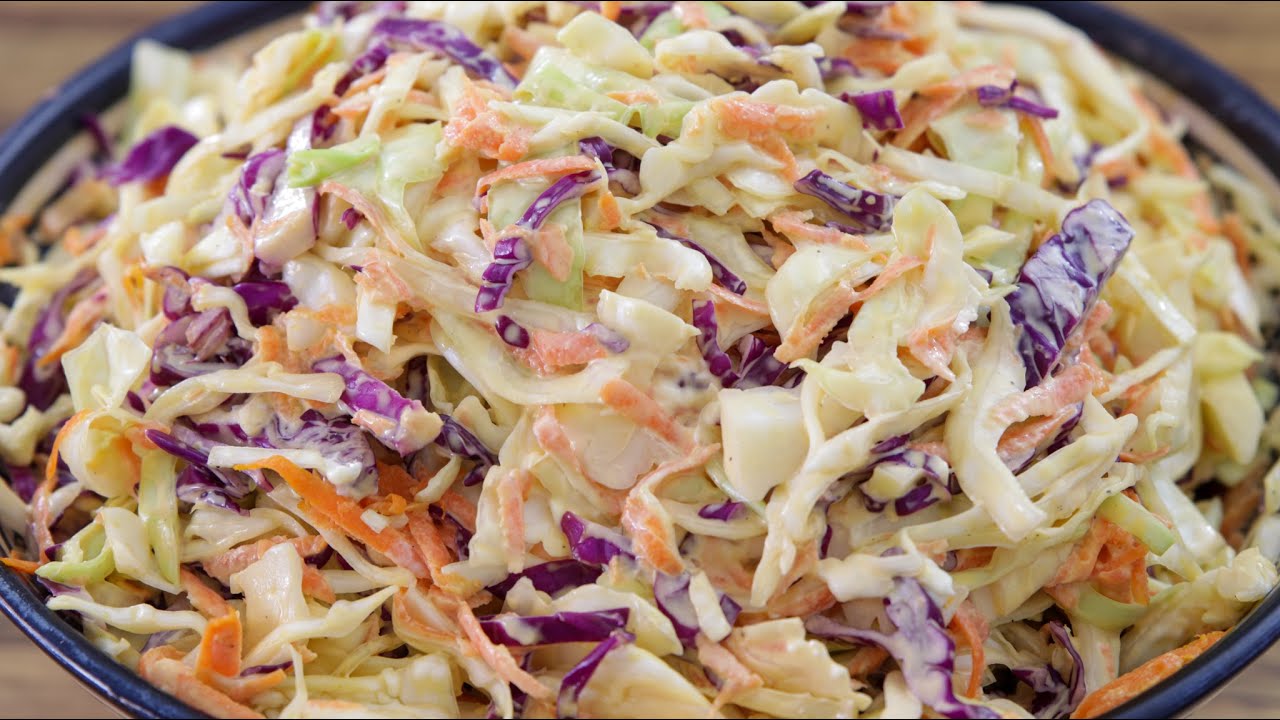
Simple Coleslaw Recipe: Coleslaw is that one dish you’ll find at every picnic, BBQ, or potluck, always sitting confidently next to burgers, hot dogs, or fried chicken. But what makes it so loved? It’s all about balance. Crunchy veggies, creamy tangy dressing, and that refreshing bite—it’s a flavor combo that cuts through rich, greasy foods and makes everything taste better. Plus, it’s ridiculously easy to whip up.
Coleslaw is also incredibly versatile. Want something creamy? Go for the classic mayo-based slaw. Craving a tangy, lighter version? A vinegar-based coleslaw is your answer. Whether you’re making it as a last-minute addition to dinner or preparing for a full-blown backyard cookout, this dish never disappoints.
Origins and Popularity of Coleslaw
The word “coleslaw” comes from the Dutch term “koolsla,” meaning cabbage salad. Though it’s been around for centuries, it didn’t become a staple in American kitchens until mayonnaise became widely available in the 18th century. Now, every family and region has its own take on it—from creamy Southern-style to Asian-inspired versions.
Today, coleslaw is more than just a side dish—it’s an essential part of American culinary culture. You’ll find it piled on pulled pork sandwiches, tucked inside tacos, or even served as a topping on grilled meats. It’s simple, adaptable, and always crowd-pleasing.
Essential Ingredients for Coleslaw
Fresh Vegetables You’ll Need
The soul of any good coleslaw is the fresh, crunchy vegetables. Cabbage is the main star here, and you can go with green cabbage, red cabbage, or a mix of both. Green cabbage has a peppery, slightly sweet flavor and a dense, crisp texture. Red cabbage adds a vibrant color and a little more chew.
Next up is carrots. These sweet, colorful additions not only provide flavor but also make the salad look more appealing. Shred them fine or use a julienne peeler if you want a fancy touch.
Some recipes call for additional veggies like onions, green onions, or even bell peppers. While these are optional, they can add depth and contrast to your coleslaw. Remember, the fresher your produce, the better your slaw will taste.
Best Dressing Components for Flavor
Now for the magic—coleslaw dressing. A classic coleslaw dressing has just the right balance of creamy, tangy, and sweet. Here’s what you typically need:
- Mayonnaise: This forms the creamy base. For a lighter option, try Greek yogurt or a blend of both.
- Vinegar: Apple cider vinegar is a favorite, but white vinegar or even rice vinegar can work well.
- Sugar: Just a touch to balance the acidity and bring out the flavors.
- Salt and Pepper: Basic, but essential for seasoning.
- Mustard or Dijon (optional): Adds a bit of sharpness and depth.
- Celery Seed (optional): A traditional addition that brings a classic coleslaw flavor.
Mix it all together, and you’ve got a dressing that’s rich, tangy, slightly sweet, and ready to bring your veggies to life.
Tools You Need to Prepare Coleslaw
Must-Have Kitchen Utensils
Making coleslaw doesn’t require fancy gadgets, but having the right tools can save time and effort:
- Sharp Knife or Mandoline: For shredding cabbage and slicing carrots.
- Grater or Food Processor: Speeds up the veggie prep.
- Mixing Bowls: You’ll need at least two—one for the veggies and one for the dressing.
- Measuring Cups and Spoons: To get that dressing just right.
- Tongs or Salad Tossers: Makes combining everything easier.
A clean cutting board and a big enough workspace can also go a long way in making your prep more efficient and less messy.
Tips for Efficient Prep Time
Want to make coleslaw without turning your kitchen into a war zone? Here’s how to streamline the process:
- Pre-shred veggies ahead of time and store them in airtight containers in the fridge.
- Use pre-shredded cabbage or coleslaw mix if you’re in a time crunch.
- Double the dressing and keep it in the fridge for a quick batch later.
Being organized in the kitchen isn’t just about saving time—it makes the entire process more enjoyable and stress-free.
Step-by-Step Instructions for Making Coleslaw
Step 1 – Prepping the Vegetables
Start with fresh, washed produce. Remove any wilted or damaged outer leaves from your cabbage, then slice it in half. Cut out the core and then finely shred the cabbage. A knife gives you control, but a mandoline slicer can create uniform thin slices quickly.
Shred the carrots using a box grater or a food processor. You’re aiming for thin strips that’ll mix well with the cabbage. If using onions or bell peppers, slice them very thin so they don’t overpower the mix.
Pro tip: After shredding, salt the cabbage lightly and let it sit for 10 minutes. This draws out excess moisture and keeps your coleslaw from turning watery.
Step 2 – Mixing the Dressing
In a medium bowl, combine your mayonnaise, vinegar, sugar, salt, pepper, and any optional ingredients like mustard or celery seed. Whisk it all together until smooth. Taste it. If it’s too tangy, add a touch more sugar. Too sweet? Add a bit more vinegar.
You want the dressing to be slightly more intense than you think—it’ll mellow out once it mixes with the veggies.
Step 3 – Combining Everything Perfectly
Now the fun part. Toss your shredded veggies into a large mixing bowl. Pour the dressing over the top and use tongs or salad tossers to combine everything thoroughly.
Make sure every piece is coated, but don’t overwork it. You want the slaw to stay crisp, not mushy. Cover and refrigerate for at least 30 minutes before serving. This lets the flavors mingle and gives your coleslaw that delicious, tangy punch.
Expert Tips for the Best Coleslaw
How to Keep It Fresh and Crisp
Nobody likes soggy coleslaw. The key to keeping it crisp lies in a few smart steps. First off, after shredding your cabbage, lightly salt it and let it sit for about 10 minutes. This pulls out excess moisture. Then, pat it dry with a clean towel or paper towels before mixing in the dressing.
Another tip? Don’t add the dressing too early. If you’re making coleslaw ahead of time, keep the veggies and dressing separate until just before serving. This ensures the cabbage stays crunchy and the dressing retains its zesty kick.
Also, be mindful of the type of cabbage you use. Green cabbage tends to stay crunchier longer, while Napa cabbage or other soft-leaf types wilt more quickly. If you’re adding extras like apples or onions, give them a quick toss in lemon juice to keep them from browning or becoming too pungent.
Lastly, always store your coleslaw in an airtight container in the fridge. It’s best eaten within 1-2 days, but can last up to 3 days without losing too much texture or flavor.
Common Mistakes to Avoid
Even though coleslaw is simple, there are a few easy-to-make mistakes that can ruin the dish:
- Overdressing: It’s easy to go overboard with the dressing. Remember, cabbage releases water as it sits, so use less dressing than you think you need. You can always add more later.
- Skipping the chill time: That 30-minute rest in the fridge is crucial. It lets the flavors come together and gives the dressing time to coat every strand evenly.
- Not balancing the flavors: A good coleslaw has a sweet-sour-salty balance. Taste your dressing before combining it with the veggies. Don’t be afraid to adjust!
- Using low-quality ingredients: Since this is such a simple dish, each ingredient really matters. Use fresh cabbage, a quality vinegar, and a mayo you enjoy.
- Not drying the veggies: Wet veggies dilute the dressing, leading to bland, watery slaw. Always blot them dry after salting.
Avoiding these pitfalls ensures your coleslaw comes out restaurant-quality every single time.
Creative Variations of Classic Coleslaw
Vegan Coleslaw Twist
Going plant-based doesn’t mean you have to give up your favorite side dish. Making a vegan version of coleslaw is not only easy but can be even tastier than the traditional one.
Swap out the mayo for vegan mayonnaise—brands like Hellmann’s Vegan Mayo or Vegenaise do a fantastic job. You can also create a creamy dressing using blended cashews or tahini for a more whole-food approach.
For sweetness, use maple syrup or agave instead of refined sugar. Want more tang? Try a splash of lemon juice or white balsamic vinegar. Vegan coleslaw pairs perfectly with veggie burgers, lentil sloppy joes, or grilled tofu.
Another great addition? Finely chopped apples or raisins for that sweet bite, and sunflower seeds for crunch. Just like the classic, let it sit in the fridge for a bit before serving. The result is a fresh, creamy, dairy-free coleslaw that everyone at the table can enjoy.
Spicy Coleslaw for Heat Lovers
If you like your food with a kick, this variation is for you. Spicy coleslaw is a bold twist on the classic, perfect for BBQ lovers, taco night, or adding excitement to a simple grilled sandwich.
Start with your regular base of cabbage and carrots. For the dressing, keep your mayo and vinegar but add in spicy elements like:
- Sriracha or hot sauce
- Chili flakes
- Jalapeños, finely chopped
- Smoked paprika
You can also use a chipotle mayo for a smoky, spicy profile. To balance out the heat, add a little extra sugar or honey. Don’t forget to taste as you go—spice levels vary greatly depending on your ingredients.
Serve it on top of tacos, alongside grilled ribs, or with spicy fried chicken. It’s a game-changer that turns a traditional dish into something unforgettable.
Serving Suggestions and Pairings
What Goes Best with Coleslaw?
Coleslaw isn’t just a standalone side—it’s a flavor enhancer. Its crisp texture and tangy taste balance out heavy, rich foods. That’s why it’s often found next to fried, grilled, or barbecued dishes.
Here are a few top pairings:
- Pulled Pork Sandwiches: Coleslaw adds crunch and contrast to juicy, smoky pork.
- Fried Chicken: The acidity of coleslaw cuts through the grease, making each bite refreshing.
- Burgers: Top your beef, veggie, or chicken burger with a heap of slaw for texture and flavor.
- Fish Tacos: The cool crunch of coleslaw pairs beautifully with spicy grilled fish.
It’s also a great addition to bowls, wraps, and even rice dishes. Think beyond the plate—coleslaw can elevate any meal.
Meal Ideas to Enhance the Side Dish
Want to build a whole meal around coleslaw? Here are a few ideas to make it the star:
- BBQ Plate: Serve with grilled ribs, corn on the cob, and baked beans.
- Southern Comfort: Pair with fried catfish, hush puppies, and mac and cheese.
- Healthy Bowl: Layer quinoa, black beans, grilled tofu, and coleslaw for a balanced lunch.
- Picnic Spread: Add to a platter with cold cuts, potato salad, fresh fruit, and crusty bread.
Coleslaw’s versatility means it fits right in with countless cuisines and meal styles. The key is pairing it with textures and flavors it can complement.
FAQs about Simple Coleslaw Recipe
Q1: Can I make coleslaw ahead of time?
Yes, you can! Just keep the dressing and vegetables separate until you’re ready to serve. Mix them together about 30 minutes before serving for the best texture and flavor.
Q2: How long does homemade coleslaw last in the fridge?
Homemade coleslaw stays fresh for up to 3 days when stored in an airtight container in the refrigerator. However, for the crispiest results, eat it within the first 24-48 hours.
Q3: Can I freeze coleslaw?
Freezing coleslaw isn’t recommended, especially if it has a mayonnaise-based dressing. The texture can become watery and unpleasant once thawed. Vinegar-based slaws freeze better but are still best enjoyed fresh.
Q4: What can I use instead of mayonnaise in coleslaw?
You can use Greek yogurt, sour cream, vegan mayo, or a blend of any of these to replace traditional mayo. For a non-creamy version, stick to oil and vinegar-based dressings.
Q5: How do I fix coleslaw that’s too watery?
If your slaw turns out watery, try draining off the excess liquid and tossing in a paper towel to absorb moisture. You can also add a little more dressing or a sprinkle of cornstarch to thicken it slightly.
Conclusion
There you have it—an easy, foolproof guide to making the perfect coleslaw every single time. Whether you’re a kitchen novice or a seasoned cook, coleslaw is one of those dishes that you can whip up quickly, customize endlessly, and enjoy with just about any meal. Its appeal lies in its simplicity and versatility: crunchy vegetables, creamy dressing, and a tangy twist that ties everything together.
The best part? You don’t need fancy equipment or gourmet ingredients. A knife, a bowl, and a handful of pantry staples are all it takes. From backyard BBQs to casual dinners, coleslaw is always a welcome guest on the table. And with the variations we’ve shared—vegan, spicy, and more—you’ll never get bored.
So next time you’re wondering what to serve on the side, skip the store-bought slaw and make your own. Your taste buds (and your guests) will thank you.