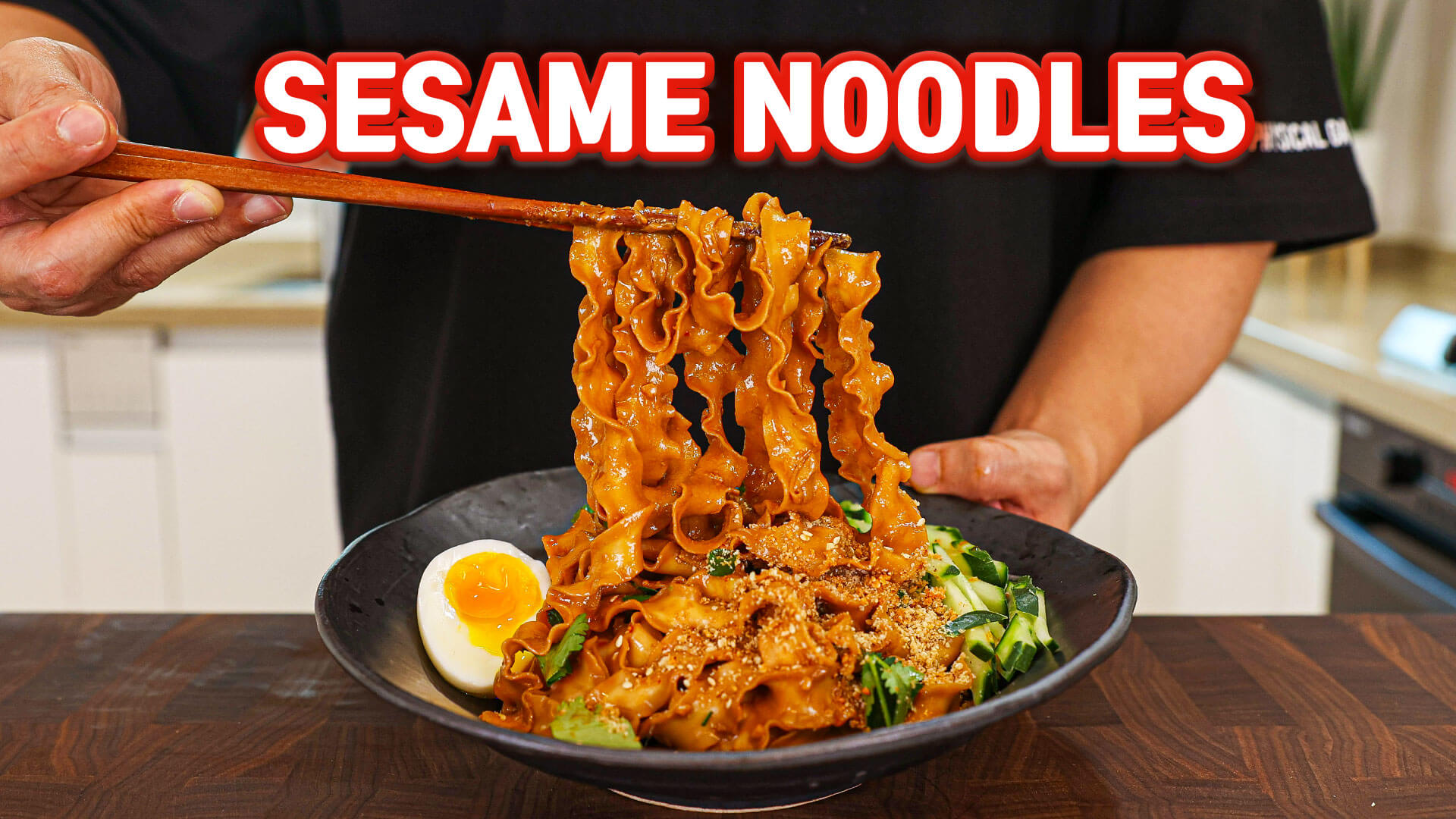
Sesame Noodles Recipe: There’s something magical about a bowl of sesame noodles. Whether you’re looking for a quick weeknight dinner or a cold, satisfying lunch the next day, sesame noodles deliver bold, nutty flavors with a touch of heat and sweetness. Inspired by Asian cuisine, particularly Chinese and Japanese flavors, this dish is a perfect example of simplicity meeting satisfaction. The best part? You can whip it up in under 30 minutes using pantry staples.
What Makes Sesame Noodles So Popular?
The popularity of sesame noodles isn’t just about taste—it’s about versatility. You can enjoy them hot or cold, dress them up with proteins like chicken or tofu, or keep them simple with just the sauce and noodles. They’re also a hit at potlucks, family dinners, and even lunchboxes. Thanks to their creamy, savory, and slightly sweet sauce, sesame noodles appeal to both adults and kids. Plus, the recipe is endlessly customizable, making it a go-to dish for home cooks of all levels.
Essential Ingredients for Sesame Noodles
Before you start cooking, let’s break down the ingredients you’ll need to make an unforgettable bowl of sesame noodles. The beauty of this recipe is its simplicity, but each ingredient plays a key role in building flavor.
Main Ingredients
- Noodles: You can use spaghetti, ramen, soba, or any thin noodle you prefer. Wheat noodles are traditional.
- Sesame Oil: The star of the show, this adds a deep nutty flavor that’s essential to the dish.
- Soy Sauce: Adds saltiness and umami depth.
- Rice Vinegar: Brings a little acidity to balance out the richness.
- Garlic: Freshly minced garlic infuses the sauce with a strong aromatic flavor.
- Ginger: A bit of grated ginger adds a touch of warmth and zing.
- Sugar or Honey: This balances the saltiness and acidity with a hint of sweetness.
- Peanut Butter or Tahini (optional): For a creamier texture and richer flavor.
- Chili Oil or Sriracha (optional): For those who love a little heat.
Optional Add-ins and Toppings
- Green Onions: Add freshness and a mild oniony bite.
- Sesame Seeds: Toasted sesame seeds enhance the sesame flavor.
- Cucumbers or Carrots: Julienne these for a crunchy contrast.
- Cooked Chicken, Tofu, or Shrimp: Protein options that pair perfectly with the noodles.
Tools You’ll Need
You don’t need a gourmet kitchen to make sesame noodles. Here’s what you’ll need:
- Large pot for boiling noodles
- Mixing bowl
- Whisk or fork (for mixing sauce)
- Strainer
- Knife and cutting board (for any toppings)
- Serving bowls or plates
Simple, right? With these tools, you’re fully equipped to dive into the cooking process.
Step-by-Step Cooking Instructions
Let’s walk through the sesame noodle-making process step by step. Even if you’re a kitchen newbie, these instructions will help you master the dish in no time.
Step 1: Prepare the Noodles
Start by boiling water in a large pot. Add a pinch of salt and your chosen noodles. Cook according to the package instructions until al dente. This usually takes about 7–10 minutes. Once they’re done, drain and rinse them under cold water to stop the cooking process and remove excess starch. This also helps keep the noodles from getting too sticky.
Step 2: Make the Sesame Sauce
While the noodles are cooking, grab a mixing bowl. Combine:
- 3 tablespoons of sesame oil
- 2 tablespoons soy sauce
- 1 tablespoon rice vinegar
- 1 tablespoon sugar or honey
- 1 clove garlic, minced
- 1 teaspoon grated ginger
- 1 tablespoon peanut butter or tahini (optional)
- A dash of chili oil or Sriracha (if you want it spicy)
Whisk everything until it’s smooth and creamy. Taste and adjust the seasoning to your liking—more soy sauce for salt, honey for sweetness, or vinegar for tang.
Step 3: Combine and Toss
Place the cooled noodles into a large bowl. Pour the sauce over the top and toss well until every strand is coated in that delicious sesame goodness. This step is key for ensuring even flavor throughout the dish.
Step 4: Garnish and Serve
Top your noodles with chopped green onions, toasted sesame seeds, and any additional toppings like shredded carrots or sliced cucumbers. Serve immediately or refrigerate for a chilled version.
Tips for Perfect Sesame Noodles
Getting sesame noodles just right doesn’t take much effort, but a few tips can elevate your dish from good to restaurant-quality. First, always use toasted sesame oil, not plain sesame oil. Toasted sesame oil is darker and has a much richer, nuttier flavor, which is essential for authentic taste. Also, avoid overcooking the noodles—they should be just tender, not mushy. Rinsing them in cold water stops the cooking immediately and keeps the texture springy.
Next, consistency is key. If your sauce feels too thick, thin it out with a bit of warm water or additional vinegar. Conversely, if it’s too watery, add more peanut butter or sesame paste. Another pro tip? Let the noodles sit for a few minutes after mixing in the sauce. This resting time helps the flavors meld together, resulting in a more cohesive dish.
Lastly, garnish matters! A sprinkle of sesame seeds and some chopped scallions go a long way in adding texture and freshness.
Customizing Your Sesame Noodles
One of the best things about sesame noodles is how customizable they are. Whether you’re accommodating dietary restrictions or simply getting creative with flavors, there’s a version for everyone.
Making it Vegan or Gluten-Free
Going vegan? No problem. The base recipe is already plant-based, but make sure your soy sauce and other condiments don’t contain hidden animal products. Swap soy sauce for tamari or coconut aminos if you’re going gluten-free. Also, use gluten-free noodles like rice noodles or gluten-free spaghetti for a safe option.
If you’re avoiding peanuts, opt for tahini (sesame seed paste) or sunflower seed butter. Both provide creaminess and depth without the allergens.
Protein Additions
Need something heartier? Add a protein source to make the meal more satisfying:
- Grilled Chicken: Sliced thin and laid on top.
- Crispy Tofu: Pan-fried tofu cubes that absorb the sauce beautifully.
- Shrimp: Sautéed with garlic and sesame oil for a quick boost.
- Boiled Eggs: Halved soft-boiled eggs add creaminess and protein.
Marinate your proteins in a bit of the sesame sauce before cooking for extra flavor!
Storage and Reheating Tips
Sesame noodles are the ultimate make-ahead meal. Store leftovers in an airtight container in the refrigerator for up to 4 days. The flavor often gets better after sitting overnight!
Before eating, give the noodles a good stir. If they’ve soaked up too much sauce and become dry, add a splash of warm water or a drizzle of sesame oil to refresh them. These noodles are typically enjoyed cold or at room temperature, but you can microwave them for a warm version—just be sure to heat gently to avoid drying out.
Common Mistakes to Avoid
Even a simple dish like sesame noodles can go wrong if you’re not careful. Here are a few common pitfalls:
- Using the wrong sesame oil: Always use toasted sesame oil for its deep, roasted flavor.
- Skipping the rinse: Not rinsing noodles after cooking leads to clumping and a gummy texture.
- Over-saucing: Too much sauce can overpower the noodles. Always start with a little and add more as needed.
- Not tasting as you go: The sauce should be balanced—salty, sweet, tangy, and nutty.
- Forgetting the garnish: A few simple toppings take the dish from plain to phenomenal.
Serving Suggestions
Sesame noodles are flexible enough to serve as a main course or a side dish. Pair them with:
- Steamed or stir-fried veggies like broccoli, bell peppers, or bok choy
- Asian-style salads with a light vinaigrette
- Dumplings or spring rolls for a fuller meal
- Soup such as miso or hot and sour for a balanced plate
For presentation, serve them in a wide, shallow bowl with a scattering of sesame seeds and herbs on top—it makes the dish feel special, even on a weeknight.
Nutritional Information
While exact values vary depending on the ingredients and portions, here’s a general idea of what a serving of sesame noodles (with sauce) provides:
| Nutrient | Amount (Approx.) |
|---|---|
| Calories | 400–500 kcal |
| Protein | 8–12g |
| Fat | 15–20g |
| Carbohydrates | 50–60g |
| Fiber | 2–4g |
| Sugar | 4–8g |
Adding vegetables and protein can bump up the fiber and protein content significantly while making the dish more balanced overall.
FAQs about Sesame Noodles Recipe
Can I eat sesame noodles cold?
Absolutely! In fact, many people prefer them chilled, especially during warmer months. They make an excellent packed lunch or picnic dish.
How long can I store sesame noodles?
Stored in the fridge in an airtight container, sesame noodles will last up to 4 days. Just stir before serving.
What kind of noodles are best?
Wheat noodles like Chinese lo mein, ramen, or even spaghetti work great. For a gluten-free version, go with rice noodles.
Is sesame oil essential?
Yes! It’s the key ingredient that gives the dish its signature nutty flavor. Always opt for toasted sesame oil for best results.
Can I make it spicy?
Definitely. Add chili oil, red pepper flakes, or a spoonful of Sriracha to kick up the heat.
Conclusion
Sesame noodles are a beloved classic for good reason. They’re easy to make, incredibly tasty, and endlessly customizable. Whether you’re cooking for yourself, your family, or bringing a dish to share, sesame noodles are always a hit. With a few pantry staples and a handful of minutes, you can create a meal that’s satisfying, flavorful, and surprisingly wholesome.