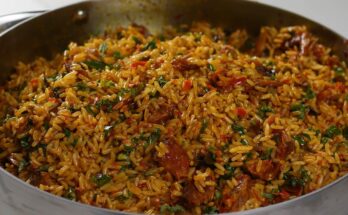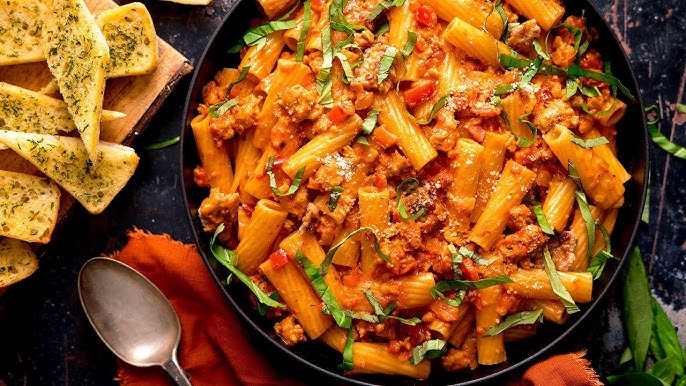
Sausage Pasta Recipe: Craving a hearty, mouthwatering meal that’s ready in under an hour? Sausage pasta is your answer. It’s that perfect blend of rich, savory sausage, tangy tomato sauce, and comforting pasta—all rolled into one flavor-packed dish. Whether it’s a weekday dinner or a weekend indulgence, sausage pasta brings the warmth of a home-cooked meal without the hassle of complicated prep.
What makes sausage pasta a standout? It’s endlessly versatile. From spicy Italian sausages to smoky chorizo or even sweet maple-flavored varieties, the type of sausage you choose can completely transform the dish. Add a creamy base instead of tomato sauce, and you’ve got an entirely different experience. It’s no wonder sausage pasta has carved out a place in cuisines around the globe—from rustic Italian trattorias to American family tables.
Plus, it’s incredibly beginner-friendly. You don’t need to be a gourmet chef to pull this off. With just a few basic steps and ingredients, you can create a restaurant-quality meal that hits all the right notes: salty, savory, slightly spicy, and deeply satisfying. And the best part? You can make it your own—add mushrooms, spinach, or even a splash of cream for that extra kick.
Ingredients You’ll Need
Let’s get down to business. A great sausage pasta starts with quality ingredients. Here’s everything you’ll need to create this culinary masterpiece.
Primary Ingredients:
- Pasta – Penne, rigatoni, or spaghetti (about 400g for 4 servings)
- Sausage – 4 large Italian-style sausages, casings removed
- Olive Oil – 2 tablespoons
- Garlic – 3 cloves, minced
- Onion – 1 medium, finely chopped
- Tomato Paste – 2 tablespoons
- Crushed Tomatoes – 1 can (400g)
- Red Pepper Flakes – ½ teaspoon (optional)
- Salt and Black Pepper – To taste
- Parmesan Cheese – For garnish
- Fresh Basil or Parsley – For garnish
Optional Add-ons for Extra Flavor:
- Heavy Cream – For a creamy version
- White Wine – ¼ cup for deglazing the pan
- Spinach or Kale – Add for a nutritional boost
- Mushrooms – Sliced, adds umami
These ingredients form the backbone of your sausage pasta. But remember, you’re the chef here. Don’t be afraid to swap, add, or skip based on your preferences or what you have on hand.
Tools and Equipment
Before we dive into the cooking process, let’s talk tools. Having the right equipment makes everything smoother.
Basic Kitchen Tools:
- Large skillet or sauté pan
- Large pot for boiling pasta
- Strainer or colander
- Wooden spoon or spatula
- Chef’s knife and chopping board
Pro Tips on Cooking Utensils: Use a non-stick or cast-iron skillet for browning your sausage—it helps in developing that golden, crispy texture. A wide, deep sauté pan is also ideal for simmering the sauce and mixing in the pasta without spillage. If you have a pasta fork or tongs, they’re great for stirring and serving spaghetti-style pasta.
Step-by-Step Cooking Instructions
Now for the fun part. Follow these steps, and you’ll have a rich, flavorful sausage pasta that’ll leave everyone asking for seconds.
Step 1: Prepare the Ingredients
Start by setting up your cooking station. Chop the onions, mince the garlic, remove the sausage casings, and open up your cans. Bring a large pot of salted water to a boil—this saves time later.
Step 2: Cook the Sausage to Perfection
Heat olive oil in your skillet over medium heat. Add the sausage meat, breaking it up with a spatula. Sauté until browned and cooked through, about 8–10 minutes. Remove the sausage and set aside.
Step 3: Sauté Vegetables and Aromatics
In the same skillet (don’t wipe it clean—the browned bits are flavor gold), toss in the onions. Cook until translucent, then add the garlic and cook for another 30 seconds. If you’re using mushrooms or spinach, now’s the time to toss them in.
Step 4: Add Tomato Sauce and Simmer
Stir in the tomato paste, let it cook for a minute to enhance its richness, then pour in the crushed tomatoes. Add salt, pepper, and red pepper flakes. Let it simmer for 10–15 minutes. Add back the sausage and stir to combine. Want a creamy twist? Splash in some cream here.
Step 5: Boil the Pasta
While your sauce simmers, cook the pasta according to the package instructions until al dente. Reserve a cup of pasta water before draining.
Step 6: Combine and Finish Cooking
Toss the drained pasta into the sauce and mix well. If it looks dry, add a splash of the reserved pasta water. Let it cook for another 2–3 minutes so the flavors can marry beautifully.
Serving and Garnishing Tips
Now that your sausage pasta is cooked to perfection, it’s time to elevate it with some pro-level garnishing and serving ideas. Presentation matters—after all, we eat with our eyes first.
Best Herbs and Toppings to Use:
- Freshly Grated Parmesan Cheese: Sprinkle a generous amount on top for a salty, nutty finish.
- Fresh Basil or Parsley: Chopped herbs add color and freshness.
- Crushed Red Pepper Flakes: For those who love a spicy kick.
- Drizzle of Olive Oil: A tiny swirl of good quality olive oil adds shine and richness.
Garnishing isn’t just for looks—it adds layers of flavor and aroma that bring the dish together. If you want to get fancy, try some lemon zest or a light dusting of smoked paprika. These unexpected elements can surprise and delight your taste buds.
Ideal Side Dishes and Presentation Tips:
Pair your pasta with a simple green salad dressed in vinaigrette to balance the richness. Garlic bread or focaccia makes an excellent side to soak up the leftover sauce. When serving, use a wide, shallow bowl rather than a deep one—it makes the meal look more inviting. For a rustic vibe, serve it family-style in a large pan right at the table.
Nutritional Value and Health Tips
Sausage pasta is comforting, no doubt, but how does it fare nutritionally? Let’s break it down.
Calories and Macronutrients (Approx. per serving):
- Calories: 600–750
- Protein: 25–30g
- Fat: 30–35g
- Carbs: 60–75g
Not bad for a filling meal, right? You get a decent balance of macronutrients, especially protein from the sausage. However, it can be high in saturated fat and sodium, depending on the type of sausage and cheese you use.
How to Make It Healthier:
- Choose Lean Sausage: Opt for chicken or turkey sausage to cut down on fat.
- Add More Veggies: Spinach, zucchini, bell peppers, or even broccoli can bulk up the nutrition.
- Whole Wheat Pasta: Swap regular pasta for whole grain to boost fiber.
- Go Light on Cheese: A sprinkle goes a long way.
Eating healthy doesn’t mean sacrificing flavor. With a few smart tweaks, you can enjoy sausage pasta even if you’re watching your diet.
Common Mistakes to Avoid
Even though this recipe is simple, a few common pitfalls can mess up your meal. Let’s make sure you avoid them.
Overcooking Pasta or Sausage:
- Pasta: Always aim for al dente. Overcooked pasta turns mushy and won’t hold sauce well.
- Sausage: If you cook it too long or on high heat, it can get dry or burnt. Medium heat and patience are key.
Wrong Sauce-Pasta Pairings:
- Some sauces cling better to certain shapes. For thick sausage-based sauces, go for tubular pastas like penne or rigatoni. They trap the bits of sausage and sauce in each bite.
Skipping Pasta Water:
- That starchy water helps emulsify the sauce, giving it a silky texture. Don’t skip it.
Not Tasting as You Go:
- Always adjust seasoning after each step. Your taste buds are your best tool.
These small details can make a world of difference between a decent dish and a memorable one.
Storage and Reheating Tips
Got leftovers? Lucky you! Sausage pasta stores and reheats like a dream if done correctly.
How to Store Leftovers Properly:
- Refrigerator: Store in an airtight container for up to 4 days.
- Freezer: You can freeze for up to 2 months. Use freezer-safe containers or zip-top bags and label them.
Best Ways to Reheat Without Drying Out:
- Stovetop: Add a splash of water or broth to loosen the sauce and reheat gently.
- Microwave: Cover and heat in intervals, stirring in between to ensure even warming.
- Oven: Place in a covered oven-safe dish at 350°F (175°C) for about 20 minutes.
The key is to avoid overcooking during reheating. Low and slow is the name of the game.
FAQs about Sausage Pasta Recipe
1. Can I Use Plant-Based Sausages?
Absolutely! Many plant-based sausages work great in this recipe. Just cook them as directed on the package, then proceed as you would with regular sausage.
2. What Pasta Shapes Work Best?
Short pasta like penne, rigatoni, or fusilli work well because they hold onto the sauce and sausage bits better. But feel free to use spaghetti or linguine if that’s what you have.
3. Can I Freeze Sausage Pasta?
Yes! Let it cool completely, then store in airtight containers or freezer bags for up to 2 months. Thaw overnight in the fridge before reheating.
4. How Can I Make It Spicier?
Add more red pepper flakes, use spicy Italian sausage, or even mix in a splash of hot sauce into the tomato base.
5. What Wine Pairs Well with Sausage Pasta?
A bold red like Chianti, Syrah, or Zinfandel pairs beautifully. For creamy versions, try a Chardonnay or Pinot Grigio.
Conclusion
There’s just something special about a plate of sausage pasta—it’s rustic, comforting, and oh-so-satisfying. Whether you’re cooking for family, guests, or just treating yourself, this dish never disappoints. It’s easy to customize, forgiving to make, and always bursting with flavor. Try it once, and you’ll find yourself coming back to it again and again.
Don’t be afraid to experiment with different sausage styles, sauces, and add-ins. The recipe is flexible, so let your taste buds lead the way. Remember, cooking is an art—not a science.
Now grab a fork, pour yourself a glass of wine, and dig in.