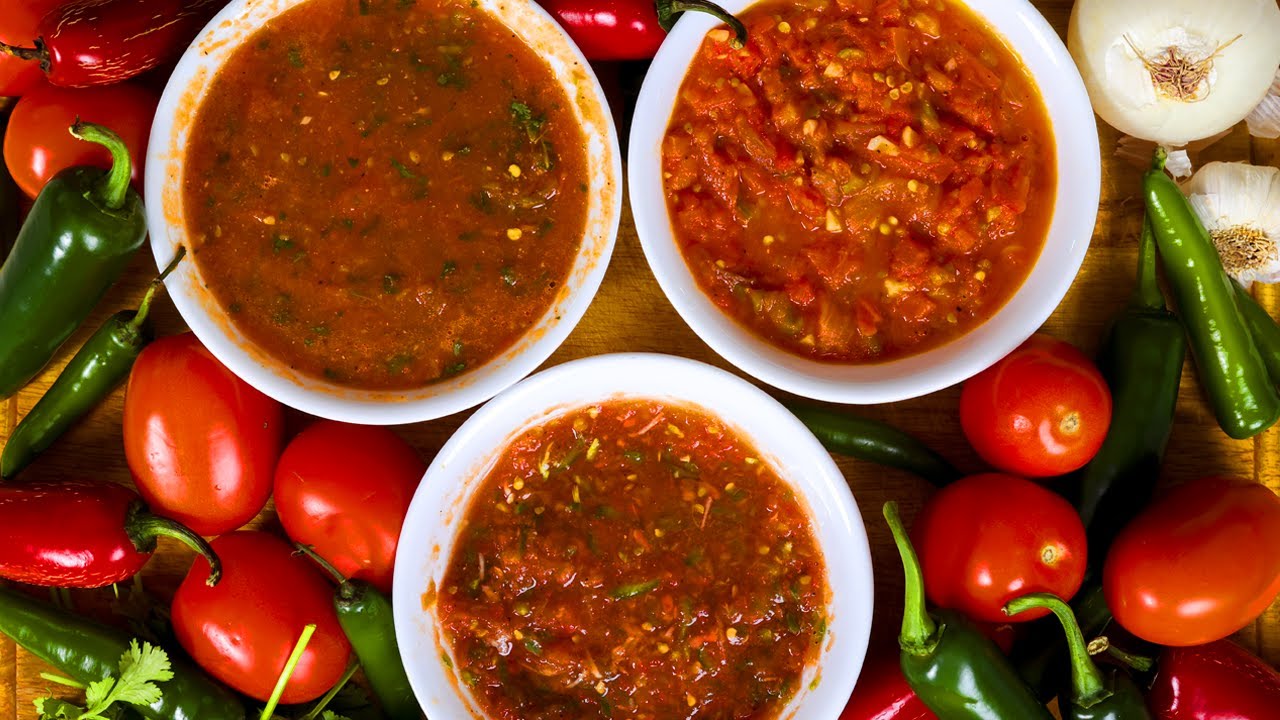
Salsa Roja Recipe: Salsa Roja, or “red sauce” in Spanish, is one of the most iconic and versatile Mexican condiments. It’s the fiery red soul of countless Mexican dishes—spooned over tacos, served as a dip with tortilla chips, or drizzled over grilled meats and enchiladas. Its vibrant color and bold flavor come from a blend of roasted tomatoes, chilies, onions, and garlic, brought together with just the right balance of spices. Unlike store-bought versions that can be overly salty or bland, homemade Salsa Roja delivers freshness in every bite, capturing the earthy essence of authentic Mexican cooking.
But don’t let the simplicity fool you—behind that rich, red hue is a sauce packed with complexity and cultural history. Whether you like it mild, medium, or burn-your-mouth hot, there’s a version of Salsa Roja to match your taste buds. And the beauty of it? Once you learn the basics, you can customize it endlessly.
Why Make It at Home?
There are a dozen reasons to ditch the jar and make Salsa Roja from scratch. First and foremost, flavor. Homemade salsa has a brightness and depth you simply can’t find in store-bought alternatives. The roasted tomatoes are juicy and sweet, the chilies add a smoky kick, and the garlic ties everything together with a robust aroma.
Making your own salsa also puts you in the driver’s seat. You decide how spicy, how smooth, and how salty it is. Want more garlic? Toss in an extra clove. Prefer a chunkier texture? Blend it less. Have dietary concerns? You can make it low-sodium or completely organic. Plus, it’s an incredibly budget-friendly way to add punch to meals.
Once you try making it at home, you’ll never go back to the bottled version. Ready to dive in? Let’s start with the ingredients.
Ingredients Needed
Fresh Ingredients Breakdown
To create an authentic Salsa Roja, quality ingredients are key. Here’s what you’ll need:
- Tomatoes (4-5 medium Roma tomatoes) – These are the foundation of the salsa. Roma tomatoes work best for their firmness and balanced sweetness.
- Garlic cloves (2-3) – Adds depth and a slight pungent bite.
- White or yellow onion (1 medium) – Brings mild sharpness and sweetness.
- Dried or fresh chilies (2-3 dried guajillo, arbol, or fresh jalapeños) – These provide the heat. You can adjust based on your preference.
- Salt (to taste) – Enhances all the natural flavors.
- Fresh cilantro (optional) – Adds a fresh, herbal layer at the end.
- Lime juice (optional) – For a bright, zesty finish.
These ingredients are not only readily available but also affordable, making Salsa Roja a cost-effective kitchen staple.
Optional Add-ins and Substitutions
Don’t have all the traditional ingredients on hand? No worries—Salsa Roja is very forgiving:
- Tomato alternatives: Use canned whole tomatoes if fresh aren’t available. Just drain excess liquid.
- Heat variations: If you can’t find guajillo or arbol chilies, try chipotle for a smoky flavor or crushed red pepper for convenience.
- Onion types: Red onions can substitute white for a slightly sweeter tone.
- No cilantro? Skip it or use parsley if you want a herby taste without the distinctive cilantro punch.
These tweaks won’t ruin your salsa—in fact, they might create a new version you love even more.
Tools and Equipment Required
Basic Kitchen Tools
To make Salsa Roja, you don’t need a fancy setup—just a few kitchen essentials:
- Blender or food processor – For blending everything into that smooth, velvety texture.
- Cast iron skillet or nonstick pan – Perfect for roasting the vegetables evenly.
- Knife and cutting board – To prep your ingredients safely and efficiently.
- Tongs or spatula – Helps with flipping and moving veggies while roasting.
- Medium saucepan – For simmering the blended salsa to bring out the flavors.
Having these tools ready beforehand makes the whole process smoother and faster.
Handy Gadgets for Extra Ease
If you’re a gadget lover, a few extras can make the job even easier:
- Immersion blender – Lets you blend right in the pot (hello, fewer dishes).
- Chili de-seeder – Speeds up prepping dried chilies.
- Garlic press – If you want to skip chopping garlic manually.
None of these are essential, but they definitely upgrade your salsa-making experience.
Step-by-Step Instructions
Step 1 – Prepping the Vegetables
Before anything hits the pan, you’ve got to prep. Start by rinsing all your produce under cold water. Remove the stems from the tomatoes and cut them in half. Peel your onion and slice it into quarters. Peel the garlic but keep it whole so it doesn’t burn easily. If you’re using dried chilies, remove the stems and most of the seeds (unless you want it very spicy), then lightly toast them in a dry pan for a few seconds to wake up their flavors.
Chop everything roughly if you like a shorter cooking time. Remember: the better your prep, the smoother the cooking process.
Step 2 – Roasting for Depth of Flavor
This is where the magic begins. Heat your skillet or pan over medium heat. Add the tomatoes cut-side down, onion slices, and garlic cloves. Let them roast until they get charred and soft—this takes about 10-15 minutes. Don’t rush this step. Roasting builds flavor by caramelizing the natural sugars and giving a smoky depth that’s essential to Salsa Roja.
If you’re using dried chilies, toast them separately and soak them in hot water for 10 minutes to soften. This enhances their flavor and makes blending easier.
Step 3 – Blending to Perfection
Once your veggies are roasted and your chilies are softened, it’s time to blend everything together. Carefully transfer the roasted tomatoes, onions, garlic, and softened chilies into your blender or food processor. Add a pinch of salt and blend until smooth. If you prefer a chunkier texture, pulse the mixture a few times instead of running it on high.
You can also add a splash of the chili soaking water to thin it out and add a deeper flavor. For a smoky or tangy kick, consider squeezing in some fresh lime juice or adding a sprinkle of cumin.
Taste your salsa before moving on—you might want to add more salt or lime based on your personal preference. This is the point where your Salsa Roja starts to take on its final form, and the aroma will already have your mouth watering.
Step 4 – Seasoning and Simmering
Now that your salsa is blended, it’s time to cook it down a bit. Pour the mixture into a medium saucepan and place it over medium heat. Simmer the salsa for 10–15 minutes, stirring occasionally. This step helps meld the flavors and gives your salsa that rich, cooked taste that’s perfect for pairing with food.
As it simmers, you might notice the salsa thickening slightly and darkening in color—this is exactly what you want. It deepens the flavor and gives it a more authentic, restaurant-style texture. Adjust the consistency by adding a bit of water if it thickens too much. At the end, toss in some chopped cilantro if you like that fresh, herbal flavor.
Congratulations, you’ve just made a batch of irresistible Salsa Roja from scratch!
Tips for the Best Salsa Roja
Adjusting Heat and Consistency
Everyone has a different heat tolerance, and the beauty of making Salsa Roja at home is that you can tailor it to yours. If you like it mild, stick with guajillo or pasilla chilies, which are flavorful but not too spicy. For those who crave heat, throw in some chile de arbol or even a serrano or habanero.
You can also control the thickness. Want a pourable salsa for tacos? Blend it longer and add water. Prefer a dip for chips? Keep it thick and chunky. Texture plays a big role in how the salsa complements different dishes.
Here’s a quick guide:
| Salsa Use | Ideal Texture | Chili Suggestion |
|---|---|---|
| Taco topping | Smooth and light | Guajillo + Arbol |
| Enchilada sauce | Medium-thick | Ancho + Chipotle |
| Chip dip | Chunky and thick | Jalapeño + Pasilla |
It’s all about experimenting until you find your favorite combo.
Storing and Preserving Your Salsa
Freshly made Salsa Roja can be stored in an airtight container in the refrigerator for up to one week. For longer storage, consider freezing it. Just portion it into small freezer-safe containers or ice cube trays—perfect for pulling out a little at a time.
Want to can your salsa? You’ll need to follow proper canning procedures to ensure food safety, especially since tomatoes and chilies vary in acidity. Add a splash of vinegar or lemon juice if you plan to preserve it long-term.
Pro tip: The flavors deepen the next day, making leftovers even more delicious. So, don’t hesitate to double your batch!
Serving Suggestions for Salsa Roja
Perfect Pairings for Every Meal
Salsa Roja is as versatile as it gets. It pairs beautifully with a wide range of dishes, whether you’re cooking up a traditional Mexican feast or just spicing up your weekday meals. Let’s break down some of the most mouthwatering ways to enjoy it:
- Tacos: Whether it’s carne asada, al pastor, or veggie tacos, a spoonful of Salsa Roja adds that bold kick you crave.
- Grilled Meats: Serve it on the side or use it as a marinade for grilled chicken, steak, or pork.
- Breakfast Dishes: Drizzle it over eggs, mix it into scrambled eggs, or serve it with huevos rancheros for a breakfast with a bite.
- Chips and Dip: A classic way to enjoy Salsa Roja—grab a bag of tortilla chips and dip away.
- Soups and Stews: Stir a few spoonfuls into soups like tortilla soup or pozole for added depth.
- Quesadillas and Nachos: Elevate your cheesy creations with a salsa drizzle on top.
You’ll find yourself reaching for it again and again—it’s just that addictive.
Creative Twists and Fusion Ideas
Feeling adventurous? Salsa Roja doesn’t have to be limited to traditional uses. Try these creative twists:
- Salsa Roja Pasta: Swap out your usual tomato sauce with Salsa Roja for a smoky Mexican-Italian fusion.
- Spicy Pizza Base: Use it instead of pizza sauce to make a spicy, Latin-inspired pizza.
- Burgers & Sandwiches: Spread a little salsa on buns for a spicy twist to your burgers or pulled pork sandwiches.
- Baked Potatoes or Fries: Drizzle over crispy potatoes for a loaded, fiery treat.
This fiery condiment is limited only by your imagination.
Common Mistakes to Avoid
Skipping the Roasting Process
Roasting is not just a suggestion—it’s a game-changer. Raw tomatoes and onions can taste flat, but roasting brings out a deep, caramelized flavor that defines Salsa Roja. Skipping this step can leave you with a salsa that’s one-dimensional and watery. Always roast for that rich, smoky kick.
Over-blending or Under-blending
Texture matters. Over-blending turns salsa into soup, while under-blending leaves awkward chunks. Aim for a balance—blend long enough for smoothness, but short enough to keep some texture. If you’re unsure, pulse in short bursts.
Using Too Much Salt or Lime Early On
Seasoning is crucial, but always add salt and lime juice gradually. Heat can intensify these flavors as the salsa simmers. Start with less, taste as you go, and adjust after cooking for the best results.
Forgetting to Taste Test
This is your salsa—make sure it fits your taste! Tasting during blending and after simmering helps you perfect the flavor. Maybe it needs more heat, or perhaps a pinch more salt. Don’t skip this essential step.
Health Benefits of Homemade Salsa Roja
Nutritious and Delicious
Not only is Salsa Roja bursting with flavor, but it’s also a healthy addition to your diet. Here’s why:
- Low in Calories: Most homemade versions are naturally low in fat and calories.
- Rich in Vitamins: Tomatoes provide a hearty dose of vitamin C, potassium, and antioxidants like lycopene.
- Immune Boosting: Garlic and onions have natural antimicrobial properties.
- No Preservatives: Unlike store-bought salsas, homemade versions are free from artificial preservatives and high sodium levels.
Adding Salsa Roja to your meals is a guilt-free way to spice things up.
Great for Special Diets
Whether you’re vegan, gluten-free, or following a paleo diet, Salsa Roja fits right in. It’s naturally plant-based and adaptable. Want it oil-free? Just skip sautéing. Watching your sodium? Use less salt or opt for salt-free spice blends.
This flexibility makes it a perfect fit for almost any lifestyle.
FAQs about Salsa Roja Recipe
1. How long does homemade Salsa Roja last in the fridge?
Stored in an airtight container, it lasts up to 7 days in the fridge. For longer storage, freeze it in batches.
2. Can I make Salsa Roja without a blender?
Yes! You can use a mortar and pestle for a chunkier, more rustic version, or finely chop everything and simmer for a rustic salsa.
3. What’s the difference between Salsa Roja and Salsa Verde?
Salsa Roja uses red tomatoes and red chilies, while Salsa Verde is made with tomatillos and green chilies. Both are delicious but have distinct flavors.
4. Is it okay to use canned tomatoes instead of fresh?
Absolutely. Canned tomatoes work well, especially fire-roasted ones. Just be sure to drain the excess liquid.
5. How can I reduce the heat of my salsa if it’s too spicy?
Add more tomatoes, a bit of sugar, or a splash of cream to mellow the heat.
Conclusion
Homemade Salsa Roja is more than just a condiment—it’s a celebration of bold flavors, cultural tradition, and culinary creativity. From the smoky depth of roasted tomatoes and chilies to the customizable heat and texture, this sauce adds vibrancy to anything it touches.
Once you’ve mastered this simple yet satisfying recipe, you’ll never look at store-bought salsa the same way again. It’s fast, fresh, flavorful, and endlessly versatile. So next time your dish needs a lift, remember: a spoonful of homemade Salsa Roja might just be the magic you’re missing.