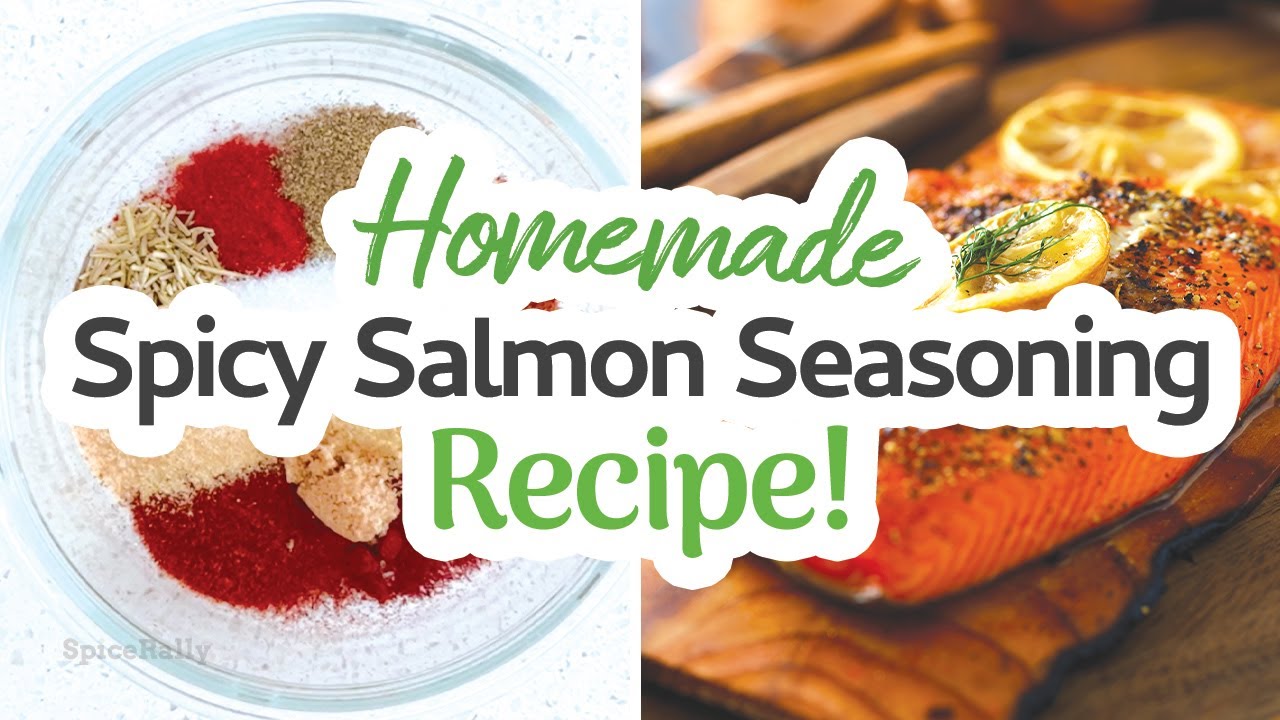
Salmon Seasoning Recipe: Salmon is one of those versatile fish that can go from subtle to stunning depending on how you season it. While the natural flavor of salmon is delicious, it becomes extraordinary when paired with the right blend of herbs, spices, and aromatics. Think of seasoning as your secret weapon—it’s the bridge between a bland bite and a burst of flavor.
The skin and flesh of the salmon soak in seasonings like a sponge, especially when you allow time for the spices to settle in. A well-seasoned piece of salmon not only enhances the flavor but also complements the fish’s natural oils and texture. Whether you’re grilling, baking, or pan-searing, the seasoning creates a mouthwatering crust that locks in moisture and packs a punch.
Salmon is fatty and rich in Omega-3s, so it benefits from bold and bright flavors. A good seasoning blend should balance earthiness with citrusy zest, a touch of heat, and a savory backbone. That’s how you elevate a basic fillet to something truly gourmet.
Flavor Profiles That Complement Salmon
When it comes to seasoning salmon, not every spice in your cabinet is a match made in culinary heaven. The key is harmony. Salmon pairs beautifully with herbs like dill, parsley, and thyme—each bringing a fresh, green flavor that plays well with its richness. Paprika adds a smoky depth, while garlic and onion powder provide a savory base that rounds out the flavor.
Citrusy elements like lemon zest or even dried orange peel add brightness. Want a little heat? A dash of cayenne or crushed red pepper flakes does the trick without overwhelming the dish. Think Mediterranean, Asian, or even Cajun-inspired flavors—salmon is flexible enough to adapt to multiple cuisines.
Balance is crucial. Too much salt or spice can overpower the fish. The perfect salmon seasoning should enhance, not mask. Remember, it’s not about throwing every spice into the bowl—it’s about creating a thoughtful blend that complements the natural flavor of the fish.
Essential Ingredients for the Perfect Salmon Seasoning
Herbs and Spices You Need
Creating the ideal salmon seasoning starts with assembling your core flavor agents. Here’s a powerful and flavorful mix that you can make with pantry staples:
- Paprika (1 tbsp) – Adds color and a mild smoky sweetness.
- Garlic powder (1 tsp) – Provides a rich, savory undertone.
- Onion powder (1 tsp) – Balances out the garlic and enhances umami.
- Dried parsley (1 tsp) – Offers a fresh, herbal note.
- Dried dill (½ tsp) – A classic herb that pairs beautifully with salmon.
- Black pepper (½ tsp) – For a subtle kick and earthiness.
These ingredients form the backbone of your seasoning. They’re universally flattering to salmon’s flavor profile and create a crust that’s golden and flavorful.
You can also consider adding ground coriander, a pinch of cumin, or even turmeric for a more exotic spin. Just be sure to balance strong flavors with milder ones to avoid overwhelming the fish.
The Role of Salt and Pepper
Salt is the foundation of any good seasoning—it brings out the flavors of everything else. For salmon, use kosher salt or sea salt for a cleaner, less metallic taste. A good rule of thumb is about ½ to 1 tsp of salt per pound of fish.
Black pepper isn’t just filler—it gives a subtle bite that enhances the richness of salmon. Freshly cracked black pepper is preferable over pre-ground, as it packs a more potent flavor.
Both salt and pepper should be incorporated evenly in the seasoning mix, ensuring each bite delivers a well-rounded experience. If you’re watching your sodium, you can adjust the salt or try salt alternatives like lemon zest or smoked paprika to maintain flavor without the sodium load.
Optional Add-ins for a Flavor Boost
Looking to personalize your blend? Here are some optional ingredients to give your seasoning an edge:
- Brown sugar (½ tsp) – Adds sweetness and helps caramelize the crust when cooking.
- Lemon zest (1 tsp) – Brightens up the whole mix with citrusy zing.
- Cayenne pepper (¼ tsp) – For those who love a bit of heat.
- Smoked paprika – Enhances that grill-like, charred flavor even when oven-baked.
- Mustard powder (½ tsp) – Adds a subtle tang and complexity.
These additions aren’t essential, but they can bring your seasoning mix to the next level. Don’t be afraid to experiment and tweak quantities based on your personal taste or the cooking method you plan to use.
Step-by-Step Guide to Making Salmon Seasoning
Step 1: Measure Out Ingredients
Start by measuring your base spices accurately. Use standard measuring spoons for consistency:
- 1 tbsp paprika
- 1 tsp garlic powder
- 1 tsp onion powder
- 1 tsp dried parsley
- ½ tsp dried dill
- ½ tsp ground black pepper
- 1 tsp kosher salt
Lay them out in small prep bowls or directly into a mixing bowl. Accuracy matters—too much paprika or salt, and your seasoning could taste off-balance.
This is also where you can add any optional spices (e.g., ½ tsp brown sugar, 1 tsp lemon zest, or ¼ tsp cayenne) based on your flavor goals.
Step 2: Mix and Blend for Consistency
Once all the ingredients are measured, it’s time to mix. Use a small whisk or spoon and combine the spices until they’re fully integrated. You want a uniform blend with no clumps. The colors should meld together—paprika red, green herbs, specks of salt and pepper—into a visually balanced mix.
Make sure to break up any lumps from powders like garlic or onion powder. If you’re making a large batch, a spice grinder or mini food processor can ensure a super fine blend.
This step ensures every spoonful of seasoning you scoop has the same flavor profile—no surprises or flavor imbalances during cooking.
Step 3: Taste and Adjust
Before using the seasoning, give it a tiny taste. Yes, it’s raw spices, but it gives you a sense of the balance. Is it too salty? Add more paprika or herbs. Too bland? Consider adding a pinch of lemon zest or mustard powder.
You can also sprinkle a bit on a plain cracker or mix with olive oil to taste-test before committing it to your salmon. This tiny step prevents seasoning regret and helps you fine-tune your blend to perfection.
How to Apply the Seasoning to Salmon
Best Practices for Rubbing the Seasoning
Once your seasoning mix is ready, it’s time to bring your salmon to life. Start with clean, dry salmon fillets. Patting them dry with paper towels ensures the seasoning sticks better and creates a nice crust when cooked. Wet salmon can dilute your seasoning and prevent a proper sear.
Place the fillets skin-side down on a plate or board. Drizzle a little olive oil over the top and sides—this acts like a glue for the seasoning and helps the spices bloom during cooking. Use about 1 teaspoon of oil per fillet.
Next, generously sprinkle the seasoning mix over the salmon. Don’t be shy—make sure the top is fully coated. Use your fingers to rub the seasoning gently into the flesh, making sure it adheres well. You can even lift the fillet and pat some seasoning on the bottom for an all-around flavor hit.
Rub evenly but don’t overdo it. You want to enhance the salmon, not bury it. A uniform, even coating is key for consistent flavor and presentation. If you have extra seasoning, store it in an airtight jar—it keeps well for several weeks.
Marination Time and Techniques
Salmon is relatively quick to absorb flavors, so you don’t need to marinate it overnight. A seasoning rub, unlike a liquid marinade, works quickly. Ideally, let the seasoned salmon sit for 15 to 30 minutes before cooking. This resting period allows the flavors to penetrate the surface and the salt to start tenderizing the fish.
If you want to intensify the flavor, wrap the seasoned salmon in plastic wrap and refrigerate it for an hour. For an even deeper infusion, add a splash of lemon juice or olive oil to the rub. This turns it into a paste-like marinade that can soak into the fillet more deeply.
Avoid marinating too long—especially with acidic ingredients like lemon juice—as they can break down the fish’s delicate texture, turning it mushy. If you’re planning ahead, store the dry-rubbed salmon in the fridge, uncovered, for up to 6 hours.
Cooking Methods That Work Well with This Seasoning
This salmon seasoning blend is incredibly versatile, making it ideal for a range of cooking methods. Here are the top three that bring out the best in your spice mix:
- Grilling – The spices char beautifully on a hot grill, creating a flavorful crust. Preheat your grill, oil the grates, and cook the salmon skin-side down for 6–8 minutes, then flip for a couple more minutes.
- Baking – Lay the seasoned fillets on a lined baking sheet and cook at 375°F (190°C) for 12–15 minutes. Baking locks in the moisture and evenly distributes the seasoning.
- Pan-searing – Heat a tablespoon of oil in a non-stick pan, place the salmon skin-side down, and sear for 4–5 minutes. Flip and cook the other side for 2–3 more minutes.
Each method brings out different qualities in the seasoning—from the crispy edges on a grill to the mellow infusion from baking. Choose based on your mood, time, or the occasion.
Pro Tips for Enhancing Flavor
Pairing with Marinades and Sauces
Even the best dry rub can be elevated with the right sauce or marinade. Here’s where you can have fun:
- Honey Garlic Glaze – Mix honey, soy sauce, minced garlic, and lemon juice. Brush it on during the last few minutes of cooking for a sweet-savory finish.
- Lemon Dill Cream Sauce – Perfect for a baked fillet, this sauce is tangy, creamy, and herbaceous.
- Spicy Mango Salsa – A great complement for grilled salmon, adding freshness and heat.
If you plan to marinate the salmon before applying the seasoning, reduce the salt in both to avoid an overly salty dish. Liquid marinades work best when they have both acid (like lemon or vinegar) and oil, helping the salmon absorb flavor while staying moist.
Seasoning blends and sauces should harmonize. For instance, if your seasoning is spicy, pair it with a creamy sauce to balance the heat.
When to Add Lemon or Garlic
Lemon and garlic are classic partners for salmon. You can:
- Add lemon zest directly into the seasoning for a bright flavor.
- Squeeze fresh lemon juice over the salmon just before serving for a tangy finish.
- Roast garlic cloves and serve on top of the salmon for an umami punch.
Avoid adding lemon juice to the seasoning before cooking, especially if you’re baking or grilling. The acid can cook the fish prematurely and alter its texture. Instead, use lemon as a finishing touch.
Crushed garlic can be mixed into a marinade or sautéed in butter to drizzle on top. Powdered garlic works great in the dry rub for a more mellow flavor.
Avoiding Common Mistakes
Many home cooks make small but avoidable errors when seasoning salmon. Here are a few tips to stay on track:
- Don’t overseason – More isn’t always better. Too much spice can mask the salmon’s natural taste.
- Avoid wet salmon – Always pat the fillets dry before seasoning.
- Don’t skip the oil – A light coat of olive oil helps seasoning stick and prevents burning.
- Be mindful of salt – Especially if your seasoning already contains salty ingredients like soy sauce or miso.
- Cook to the right temperature – Overcooked salmon becomes dry. Aim for an internal temp of 125–130°F (52–54°C).
Following these tips ensures your salmon isn’t just edible—it’s memorable.
FAQs about Salmon Seasoning Recipe
1. Can I make this seasoning mix in advance?
Absolutely! In fact, making it ahead of time can save you effort during meal prep. Store the mix in an airtight container or spice jar, and keep it in a cool, dark place. It should stay fresh and flavorful for up to 3 months. Just make sure it’s tightly sealed to prevent moisture or clumping.
2. How long should I marinate the salmon?
For dry rubs like this one, 15 to 30 minutes is ideal. That’s enough time for the seasoning to absorb into the surface of the fish. If you’re using a wet marinade with lemon juice or vinegar, limit it to 30 minutes to avoid breaking down the texture of the salmon.
3. Is this seasoning suitable for grilling?
Yes! This seasoning is fantastic for grilling. The paprika and herbs help form a beautiful crust, while the oil helps it stick. Just make sure to oil the grill grates before cooking and avoid flipping the salmon too early—it needs time to sear and release naturally.
4. Can I use this for other fish?
Definitely. This seasoning mix works well with other fatty fish like trout or arctic char, and even lighter ones like tilapia and cod. You can also try it on shrimp or scallops for a similar flavor boost.
5. How can I make it spicier?
Want to turn up the heat? Add more cayenne pepper, chili powder, or even red pepper flakes. Start with ¼ teaspoon and adjust to taste. You can also serve the cooked salmon with a spicy sauce or salsa for an extra kick.
Conclusion
This step-by-step guide gave you not only the ingredients and ratios but also how to apply them for maximum flavor. Whether you’re baking, grilling, or pan-searing, this seasoning mix will bring out the best in your salmon. And remember, seasoning is personal. You can tweak the mix to your liking—maybe a bit more heat, a bit less salt, or a dash of something exotic like cumin or turmeric. It’s your kitchen, your rules.
Don’t just use this seasoning for salmon either. Try it on other fish like tilapia or cod, or even on shrimp, roasted veggies, or chicken. Once you’ve mastered the base blend, the possibilities are endless. So go ahead, spice things up—you’ll never look at plain salmon the same way again.