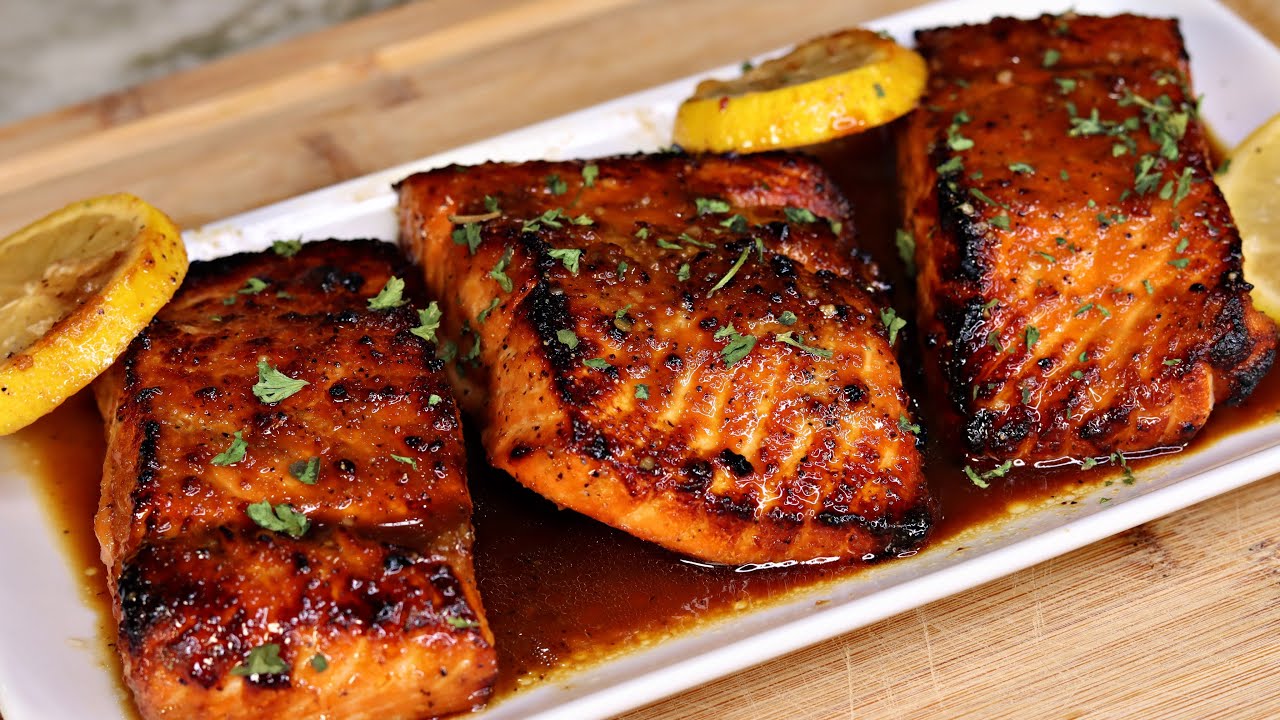
Salmon Glaze Recipe: Let’s face it, salmon is already a flavorful fish on its own. But when you add a rich, sticky glaze to it? Absolute magic happens. The combination of a sweet and savory glaze on tender, flaky salmon creates a mouthwatering dish that’s hard to resist. Whether you’re preparing a weeknight dinner or impressing guests at a dinner party, glazed salmon never fails to deliver. The beauty of this recipe lies in its simplicity—it’s easy to make, quick to prepare, and tastes like something straight out of a fancy restaurant.
Glazed salmon isn’t just about looks and taste, though. The glaze acts as both a flavor enhancer and a moisture lock, helping the fish stay succulent and juicy as it cooks. It caramelizes beautifully under high heat, creating a glossy finish and crispy edges. So if you’ve ever wondered how to make your salmon pop with flavor and visual appeal, this guide is your golden ticket.
Benefits of Using a Glaze
So what’s the big deal about using a glaze on salmon? A glaze adds a rich depth of flavor that a simple seasoning can’t match. It’s the combination of sweet, salty, tangy, and sometimes spicy notes that make each bite a flavor explosion. And unlike dry rubs or marinades that get soaked in or cooked off, a glaze clings to the surface of the salmon, locking in taste and moisture.
Another benefit? Glazes are customizable. You can go with a honey garlic base for a sweet-savory kick, or add a little soy sauce and ginger for an Asian-inspired twist. And because glazes are so versatile, they can work with a variety of cooking techniques—whether you bake, pan-sear, or grill your salmon, the glaze is your best friend.
Essential Ingredients for the Perfect Salmon Glaze
Sweet Ingredients to Balance the Flavor
A good glaze always starts with something sweet. Sweetness provides the sticky, caramelized finish and balances the stronger, saltier elements in the dish. Here are some of the most popular sweet ingredients used in salmon glazes:
- Honey: Rich and natural, honey adds body and helps the glaze thicken as it cooks.
- Maple Syrup: Adds a subtle earthiness and depth that pairs beautifully with salmon.
- Brown Sugar: A caramel-like sweetness that enhances the glaze’s richness.
Each of these sweeteners offers a different profile. Honey provides floral notes, maple syrup brings a woodsy touch, and brown sugar gives that classic molasses-like richness. Depending on what kind of flavor you’re aiming for, you can even combine them to create a unique blend.
Savory and Tangy Components
Sweetness is just the beginning. To make the glaze complex and balanced, you’ll need savory and tangy elements that contrast and elevate the dish. Here are some must-have components:
- Soy Sauce: This salty umami bomb is essential for depth of flavor.
- Garlic: Minced or crushed, it adds a sharp, aromatic punch.
- Ginger: Fresh or ground, it brings a zesty warmth.
- Dijon Mustard: For a bit of sharpness and complexity.
- Lemon or Lime Juice: Adds brightness and a slight acidic edge to cut through the richness.
This combination of ingredients ensures that the glaze hits all the right notes—sweet, salty, tangy, and just a hint of heat if you like.
Optional Flavor Enhancers
Want to take your glaze up a notch? Here are some optional add-ins that can elevate the taste profile:
- Chili Flakes or Sriracha: For a spicy kick.
- Sesame Oil: Adds a toasty, nutty flavor.
- Balsamic Vinegar: A deep, fruity acidity that adds complexity.
- Orange Zest: Adds a citrusy fragrance and freshness.
These enhancers are all about personal taste. You can experiment with different combinations until you find your signature glaze.
Step-by-Step Instructions for Making the Glaze
Step 1: Gather All Your Ingredients
First things first—before you even turn on the stove, make sure you’ve got everything you need. Nothing’s worse than starting a recipe and realizing you’re out of soy sauce halfway through. For a basic but delicious glaze, you’ll want:
- 1/4 cup honey
- 2 tablespoons soy sauce
- 1 tablespoon Dijon mustard
- 2 teaspoons minced garlic
- 1 teaspoon grated fresh ginger
- 1 tablespoon lemon juice
Optional: chili flakes, sesame oil, or a splash of balsamic vinegar for extra flair.
Step 2: Mix the Ingredients Thoroughly
Now it’s time to bring the flavors together. In a small saucepan or bowl, combine all the ingredients. Stir them well until the honey dissolves and everything is evenly mixed. If you’re using garlic and ginger, make sure they’re finely minced to blend into the glaze smoothly. This step is crucial—an uneven glaze can lead to burnt spots or clumpy texture when cooking.
Step 3: Simmer for a Perfect Consistency
Place the saucepan on low to medium heat and let the glaze simmer gently for 5–7 minutes. Stir occasionally to prevent sticking or burning. You’ll notice the glaze starting to thicken as it reduces, becoming syrupy and glossy. That’s exactly what you want.
Once it reaches a slightly thick consistency—enough to coat the back of a spoon—remove it from the heat. Don’t overcook it, as it can become too thick or burn. Let it cool slightly before using it on your salmon.
How to Apply the Glaze to Salmon
Before Cooking: Marinating the Salmon
If you want your salmon packed with flavor from the inside out, marinate it in the glaze for 15–30 minutes before cooking. This gives the fish a chance to soak up all those delicious flavors. Just pour half of your glaze over the salmon in a shallow dish, cover it, and refrigerate it. Save the remaining glaze for basting and drizzling later.
During Cooking: Basting for Extra Flavor
As your salmon cooks—whether you’re baking, grilling, or pan-searing—don’t forget to baste. This is where the real magic happens. Basting means brushing the glaze over the salmon multiple times during the cooking process. It helps the flavor seep deeper into the fish while also creating that shiny, sticky finish that makes glazed salmon so irresistible.
Use a basting brush or spoon to apply more glaze every 3–5 minutes. If you’re baking the salmon, you can open the oven and carefully brush the top with more glaze. On the grill or stovetop, flip and glaze both sides as you cook. The heat helps the glaze caramelize and lock in flavor, making every bite sweet, savory, and perfectly juicy.
After Cooking: Adding the Final Touch
When the salmon is fully cooked—flaky in the center and lightly crisped on the edges—it’s time for the finishing touch. Take the leftover glaze (if you saved any earlier) and give it a quick warm-up if needed. Then drizzle it over the top of the salmon just before serving. This step gives the dish an extra burst of flavor and a beautiful, glossy look that screams “restaurant quality.”
Pro tip: Garnish with sesame seeds, chopped green onions, or a few slices of fresh chili to elevate the presentation and add a bit more flavor complexity.
Cooking Methods for Glazed Salmon
Baking Method
Baking is one of the easiest and most foolproof ways to cook glazed salmon. It’s hands-off, consistent, and perfect for achieving that melt-in-your-mouth texture with a beautiful caramelized top.
Here’s how to do it:
- Preheat your oven to 400°F (200°C).
- Place the marinated salmon fillets on a lined baking sheet or oven-safe dish.
- Bake for 12–15 minutes, depending on the thickness of the fillets.
- Halfway through baking, baste with additional glaze.
- For a sticky, caramelized finish, switch the oven to broil for the last 2–3 minutes.
Baking is ideal for family meals or when you’re cooking for a group because it allows you to cook several pieces at once with minimal effort.
Pan-Seared Method
If you love a crispy crust on your salmon, pan-searing is the way to go. It gives the glaze a rich, golden finish and adds an irresistible texture.
Steps for pan-searing:
- Heat a non-stick or cast-iron skillet over medium-high heat and add a splash of oil.
- Place the salmon fillets skin-side down (if they have skin) and sear for 4–5 minutes.
- Flip carefully and brush the top with glaze.
- Continue to cook for another 3–4 minutes, basting occasionally.
- Let rest for a minute before serving with extra glaze.
This method is great when you’re short on time but still want maximum flavor and presentation.
Grilling Method
Grilling adds a smoky dimension to the flavor profile and pairs incredibly well with the sweet-savory glaze.
To grill glazed salmon:
- Preheat the grill to medium-high and lightly oil the grates.
- Place the salmon fillets skin-side down.
- Grill for about 4–6 minutes per side, depending on thickness.
- Baste with glaze each time you flip.
- Watch closely to avoid burning the glaze.
Grilling works well for outdoor meals, barbecues, or when you want to enjoy salmon with a little char and crisp edges.
Serving Suggestions for Glazed Salmon
Perfect Side Dishes to Complement the Glaze
Pairing your glazed salmon with the right side dishes can take your meal from good to unforgettable. Because the glaze typically has a sweet and savory profile, it’s best balanced with sides that are either fresh, starchy, or slightly tangy. Here are some winning options:
- Garlic Mashed Potatoes: Creamy and comforting, mashed potatoes help soak up the glaze for a rich, satisfying bite.
- Steamed Jasmine Rice or Wild Rice: The neutral flavor of rice balances the bold salmon glaze and adds an earthy tone.
- Roasted Asparagus or Green Beans: The slight bitterness of roasted greens pairs wonderfully with the sweetness of the glaze.
- Cucumber Salad: Light, crisp, and refreshing—perfect for cleansing the palate.
- Quinoa or Couscous: Nutty, fluffy, and a great way to make the dish feel complete without being too heavy.
Don’t forget to garnish with lemon wedges and fresh herbs like parsley, dill, or cilantro to add a pop of color and brightness.
Wine and Drink Pairings
Want to make it a full-on gourmet experience? Let’s talk beverages. The right drink can elevate the flavors of your glazed salmon dish. Here are some pairing ideas:
- White Wine: A chilled glass of Chardonnay or Sauvignon Blanc offers crisp acidity that cuts through the richness.
- Rosé: Light and fruity, rosé complements the sweet elements of the glaze beautifully.
- Sparkling Water with Citrus: For a non-alcoholic option, try sparkling water infused with lemon or lime for a clean, refreshing touch.
- Light Beer or Lager: If you’re into beer, go for something light and crisp to balance the meal’s flavors.
Storing and Reheating Glazed Salmon
Proper Storage Tips
Got leftovers? No problem. Glazed salmon stores well and can be just as delicious the next day—if stored properly. Here’s how to do it:
- Cool Completely: Let the salmon come to room temperature before storing.
- Airtight Container: Place the fillets in an airtight container to keep them from drying out.
- Refrigerate: Store in the fridge for up to 3 days.
- Freeze for Later: If you want to keep it longer, freeze the salmon with a layer of parchment paper between fillets to prevent sticking.
Reheating Without Drying It Out
Reheating glazed salmon can be tricky—it’s easy to overdo it and end up with dry, rubbery fish. Follow these methods for best results:
- Oven Reheat: Preheat to 275°F (135°C), place the salmon on a baking tray, cover with foil, and heat for 10–15 minutes until warmed through.
- Microwave (with Caution): Use a microwave-safe dish, add a splash of water or lemon juice, cover, and heat in 30-second intervals.
- Skillet Method: Reheat gently over low heat with a little oil or leftover glaze for added moisture.
Avoid high heat at all costs—it will cook the fish further and ruin that perfect texture you worked so hard to create.
Tips for Customizing Your Glaze
Adjusting Sweetness and Acidity
Not all taste buds are the same. Some like it sweeter, others prefer a bit more zing. Here’s how to tweak your glaze to your liking:
- Too Sweet? Add a splash of vinegar or lemon juice to brighten it up.
- Too Tangy? Stir in more honey or maple syrup for balance.
- Need More Depth? Soy sauce or Worcestershire can add a deeper umami kick.
Remember, the glaze should taste great on its own before it even hits the salmon.
International Flavor Twists
If you’re feeling adventurous, why not take your salmon glaze global? Here are some international variations:
- Asian-Inspired: Add hoisin sauce, rice vinegar, sesame oil, and a dash of Sriracha.
- Mediterranean Style: Use balsamic vinegar, garlic, oregano, and a touch of honey.
- Latin Flavor: Mix lime juice, chipotle peppers, cumin, and agave syrup.
Experimenting with flavors is half the fun. Once you get the hang of the base glaze, the possibilities are endless.
FAQs about Salmon Glaze Recipe
1. Can I use the same glaze for other types of fish?
Yes! This glaze works great on other oily fish like trout or mackerel, and even milder white fish like cod or halibut.
2. How can I tell when salmon is perfectly cooked?
Look for a flaky texture and an internal temperature of 145°F (63°C). The fish should easily separate with a fork.
3. Is it okay to use frozen salmon for this recipe?
Absolutely. Just make sure to thaw it completely and pat it dry before applying the glaze.
4. Can I make the glaze ahead of time?
Yes, you can store the glaze in an airtight jar in the refrigerator for up to a week. Reheat slightly before using.
5. What’s the best type of honey or maple syrup to use?
Go for raw or pure maple syrup and unprocessed honey for the most authentic flavor and best texture.
Conclusion
There you have it—a complete, foolproof guide to crafting the perfect salmon glaze and cooking it to perfection. Whether you’re hosting a dinner party, prepping a quick weekday meal, or simply treating yourself to something special, glazed salmon is a dish that never disappoints. With a harmonious blend of sweet, savory, and tangy flavors, it’s both easy to make and impressive to serve.
Remember, the secret is in the glaze—so take your time to taste, adjust, and perfect it. Once you’ve nailed your signature version, you’ll find yourself coming back to this recipe time and time again. So go ahead, fire up that oven or skillet, and give your salmon the glow-up it deserves!