Round Steak Recipe: Round steak is a lean cut of beef taken from the rear leg of the cow, often labeled as top round, bottom round, or eye of round. Unlike more marbled cuts like ribeye or sirloin, round steak is known for its leanness and affordability. Because it contains less fat and connective tissue, this cut requires proper preparation to bring out its full potential. Despite being a tougher piece of meat, when prepared correctly, it transforms into a hearty, flavorful, and tender meal.
Round steak is a favorite in many households because of its versatility. You can cook it in the skillet, braise it, or even toss it into a slow cooker. It’s perfect for those looking for a budget-friendly beef option that still delivers on taste. Plus, it absorbs marinades beautifully, allowing you to get creative with flavors.
Why Choose Round Steak?
The number one reason to choose round steak is its cost-effectiveness. Compared to premium cuts, round steak gives you more value for your money. But it’s not just about savings—it’s about health, too. Since it’s a leaner cut, it’s lower in fat and calories, making it a great option for those watching their diet.
Another benefit is its cooking flexibility. Whether you’re in the mood for a comforting stew or a sizzling skillet dinner, round steak can handle it. It works well with various flavor profiles—from garlic and onion to soy sauce and Worcestershire—so you can tailor it to your taste buds.
Choosing the Best Cut
Where to Buy Round Steak
You can find round steak in most grocery stores, butcher shops, and meat markets. If you want the best quality, go for locally sourced beef from a reputable butcher. They often offer fresher and more ethically raised meat. Don’t hesitate to ask the butcher for recommendations on which type of round steak suits your dish—whether it’s top round for roasting or bottom round for slow-cooking.
Online meat delivery services are also an option. They offer premium cuts, vacuum-sealed and shipped fresh or frozen. While it might cost a bit more, the quality and convenience can be worth it, especially if you’re planning a special dinner or trying to impress guests.
How to Select the Right Piece
When shopping, look for a cut with a deep red color, minimal gristle, and a uniform thickness. Avoid pieces with too much connective tissue or uneven fat distribution, as these can cook inconsistently. Also, check the packaging date to ensure freshness.
Top round is excellent for slicing thin after cooking, making it perfect for sandwiches or stir-fries. Bottom round is better for braising, while the eye of round is best cooked low and slow to enhance tenderness. Always consider your cooking method when choosing your cut.
Ingredients You’ll Need
Essential Ingredients
To make a mouthwatering round steak dish, start with the basics. Here’s what you’ll need:
- 2 pounds round steak (top or bottom round)
- Salt and black pepper to taste
- 2 tablespoons olive oil
- 1 large onion, sliced
- 3 garlic cloves, minced
- 1 cup beef broth
- 1 tablespoon Worcestershire sauce
These ingredients form the foundation of the recipe, delivering classic savory flavors that pair well with the beef’s natural richness. Salt and pepper enhance the meat’s flavor, while olive oil ensures a nice sear. Onions and garlic add depth, and the broth creates a juicy braising liquid.
Optional Add-Ons for Extra Flavor
Want to elevate your round steak even more? Here are some flavorful additions:
- Mushrooms: Add a meaty, umami-rich bite.
- Bell peppers: For a pop of color and sweetness.
- Tomato paste: Adds richness to the sauce.
- Red wine: Adds complexity to the braising liquid.
- Herbs: Thyme, rosemary, or bay leaves can bring out earthy tones.
These ingredients aren’t required, but they can take your round steak from good to gourmet. Customize according to what you have in your pantry or your preferred flavor profile.
Tools and Equipment
Kitchen Tools You’ll Need
Before you get started, make sure you have the right tools on hand. These essentials will make your cooking process smooth and efficient:
- Sharp knife (for trimming fat and slicing)
- Meat mallet (for tenderizing)
- Cutting board
- Large skillet or Dutch oven
- Tongs or spatula
- Measuring cups and spoons
- Mixing bowl (for marinades, if using)
These tools ensure you handle your steak properly and cook it evenly. A Dutch oven or heavy skillet is especially important for maintaining consistent heat.
Prep Tips Before Cooking
Take your steak out of the fridge 30 minutes before cooking to bring it to room temperature. This helps it cook more evenly. If you’re marinating the meat, let it soak for at least 1-2 hours—or overnight for best results.
Trim any excess fat or silver skin, and pat the steak dry with paper towels. This ensures a better sear when the meat hits the hot pan. Prepping everything beforehand will also streamline your cooking process, especially when you’re dealing with a hot skillet and sizzling ingredients.
Step-by-Step Cooking Instructions
Step 1: Tenderize the Steak
Round steak can be tough, so tenderizing is key. Use a meat mallet to pound the steak on both sides until it’s about ½ inch thick. This breaks down tough fibers and helps the seasoning penetrate the meat. If you don’t have a meat mallet, you can use the back of a heavy pan or even pierce the meat with a fork multiple times.
Once tenderized, you’ll immediately notice a difference in the texture—it feels softer and more pliable. This step sets the stage for a juicier, more enjoyable eating experience.
Step 2: Season the Meat
Now that your steak is tenderized, it’s time to layer on the flavor. Generously season both sides of the meat with salt and black pepper. If you’re feeling adventurous, try adding a pinch of smoked paprika, garlic powder, or a steak seasoning blend for an extra punch. Let the steak sit for 10-15 minutes so the seasoning begins to infuse.
For an added depth of flavor, you can also marinate the steak. Combine olive oil, Worcestershire sauce, minced garlic, and a splash of vinegar or lemon juice. Let the steak rest in the marinade in the fridge for at least an hour—or overnight if possible. Marination not only adds taste but also helps further tenderize the meat.
Let the steak return to room temperature before cooking if you’ve refrigerated it. Cold meat in a hot pan can lead to uneven cooking, and we want every bite to be just right.
Step 3: Sear to Perfection
Time to lock in all that delicious flavor. Heat a large skillet or Dutch oven over medium-high heat and add 2 tablespoons of olive oil. Once the oil shimmers, place the steak in the pan. You should hear an instant sizzle—music to any cook’s ears.
Sear the steak for about 4–5 minutes on each side until a rich, brown crust forms. This step is not about cooking the meat through; it’s about developing flavor through the Maillard reaction—the magical process that gives seared meat its signature taste and aroma.
Avoid overcrowding the pan. If you’re cooking more than one piece, sear them in batches. And resist the urge to move the steak around too much—let it develop that beautiful crust undisturbed.
Step 4: Simmer Low and Slow
Once your steak is beautifully seared, remove it from the pan and set it aside. In the same skillet, toss in your sliced onions and a bit more oil if needed. Sauté them for 3–4 minutes until they’re soft and slightly caramelized. Add minced garlic and cook for another minute.
Now it’s time to deglaze the pan. Pour in one cup of beef broth and one tablespoon of Worcestershire sauce, scraping up the browned bits from the bottom—that’s pure flavor gold right there.
Return the steak to the pan, nestling it into the broth and onions. Cover with a lid, reduce the heat to low, and let it simmer for about 1.5 to 2 hours. This slow-cooking method breaks down the muscle fibers, turning a tough cut into fork-tender goodness.
You can also place everything in a slow cooker at this point and cook on low for 6–8 hours. Either way, low and slow is the secret sauce here.
Step 5: Rest and Serve
Once the steak is tender and juicy, remove it from the heat and let it rest for 5–10 minutes. This lets the juices redistribute, so you don’t lose them all when slicing. Trust me—this short wait makes a huge difference.
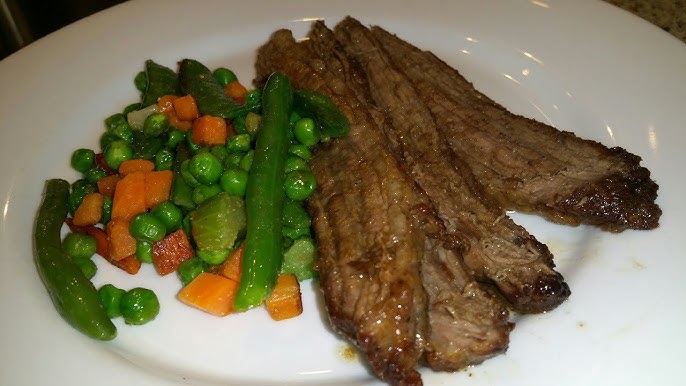
Slice the steak against the grain for maximum tenderness. You’ll notice how easily the knife glides through, and how juicy and flavorful the meat looks.
Serve it up with your favorite sides, spoon some of that savory onion gravy over the top, and dig in. You’ve just created a round steak masterpiece from scratch—and it’s packed with flavor, comfort, and satisfaction.
Serving Suggestions
Best Side Dishes
What pairs well with round steak? Just about everything! Here are some top choices:
- Mashed Potatoes – Creamy spuds make the perfect base for soaking up all that delicious gravy.
- Roasted Vegetables – Carrots, Brussels sprouts, and green beans bring freshness and balance.
- Steamed Rice or Egg Noodles – A simple way to stretch the meal and mop up the sauce.
- Buttered Corn – Adds a sweet crunch that complements the beef.
- Crusty Bread – Ideal for sopping up every last drop of pan sauce.
These sides turn your round steak dinner into a full-blown feast. Choose what matches your mood or pantry.
Plating Tips for a Beautiful Meal
Plating might not be the most important step, but it sure adds to the experience. Start by placing a scoop of mashed potatoes or a bed of rice on the plate. Lay a few slices of the round steak on top. Spoon over some of the onion gravy, letting it cascade naturally over the sides.
Garnish with chopped parsley or green onions for a pop of color. A side of roasted veggies arranged neatly brings both nutrition and visual appeal. Remember, we eat with our eyes first—so make it a plate worth showing off!
Storing and Reheating Leftovers
Storage Tips
Leftovers? Lucky you! Round steak keeps beautifully if stored right. First, allow the steak to cool to room temperature. Don’t leave it out for more than 2 hours to avoid bacterial growth. Once cooled, transfer it to an airtight container along with any leftover sauce or gravy. This helps keep the meat moist.
Store in the refrigerator for up to 3–4 days. If you don’t plan on eating it within that time, go ahead and freeze it. Use freezer-safe containers or heavy-duty freezer bags. Be sure to label with the date, and it should last in the freezer for up to 3 months.
To avoid freezer burn, press out as much air as possible from the bag before sealing. For best results, freeze in portion-sized containers so you can thaw and reheat only what you need.
Reheating Without Drying Out
The trick to reheating round steak is low and slow—just like cooking it. Here are some methods:
- Stovetop: Add a bit of broth or water to a pan, add the steak, cover with a lid, and heat on low until warmed through.
- Oven: Preheat to 300°F, place steak in a baking dish with a splash of broth, cover with foil, and heat for about 20 minutes.
- Microwave: Not the ideal method, but it works. Use a microwave-safe plate, cover the steak with a damp paper towel, and microwave in 30-second bursts until hot.
No matter the method, avoid high heat—it can make the steak rubbery and dry. And remember to heat the sauce separately if needed to preserve texture and flavor.
Common Mistakes to Avoid
Overcooking or Undercooking
Because round steak is lean, overcooking can turn it into a tough, chewy mess. Undercooking, especially in a braised dish, leaves it stringy and unpleasant. Aim for that sweet spot where the meat has broken down just enough to become tender but still holds its shape.
Use a meat thermometer to check internal temps if you’re unsure—160°F is ideal for braised beef. If the steak feels like it’s still firm after an hour of simmering, give it more time. Patience really pays off here.
Skipping the Tenderizing Step
This is a big one. Skipping the tenderizing step is like baking a cake without preheating the oven. Round steak is naturally tough, so giving it a quick hammer with the meat mallet or marinating it beforehand can make all the difference.
Not only does it make the steak easier to chew, but it also enhances the flavor absorption. Even if you’re short on time, don’t skip this step—it’s quick and essential.
Also, avoid slicing with the grain. Always cut against the grain to shorten muscle fibers, which results in a more tender bite.
FAQs about Round Steak Recipe
Can I cook round steak in the oven?
Absolutely! After searing, you can place the steak in a covered baking dish with broth and veggies. Bake at 325°F for 1.5 to 2 hours until fork-tender.
What’s the best marinade for round steak?
A mix of olive oil, soy sauce, Worcestershire sauce, garlic, and a splash of vinegar or lemon juice works wonders. Let it marinate for at least 2 hours—or overnight for best results.
Is round steak the same as flank steak?
No, they’re different cuts. Round steak comes from the rear leg of the cow, while flank steak is from the abdominal muscles. Flank is usually more tender and used for quick grilling.
Can I grill round steak?
Yes, but it must be tenderized and marinated first. Grill over medium-high heat for a few minutes on each side, then slice thinly against the grain.
How do I make round steak more tender?
Tenderize it with a meat mallet, marinate it for flavor, and cook it low and slow. Always slice against the grain to shorten muscle fibers for a softer bite.
Conclusion
Round steak might not be the fanciest cut on the block, but when cooked right, it becomes a melt-in-your-mouth, flavor-packed meal that’s both hearty and satisfying. From selecting the right cut and prepping it like a pro to slow-simmering it into submission, you now have everything you need to make a stellar round steak dinner.
Whether it’s a weeknight comfort meal or the centerpiece of a Sunday family dinner, this recipe delivers big on taste without breaking the bank. Pair it with your favorite sides, serve it up with love, and watch it disappear from the plate.
And remember, the secret to a great round steak is patience, proper prep, and a whole lot of flavor. Now grab that skillet—and get cooking!