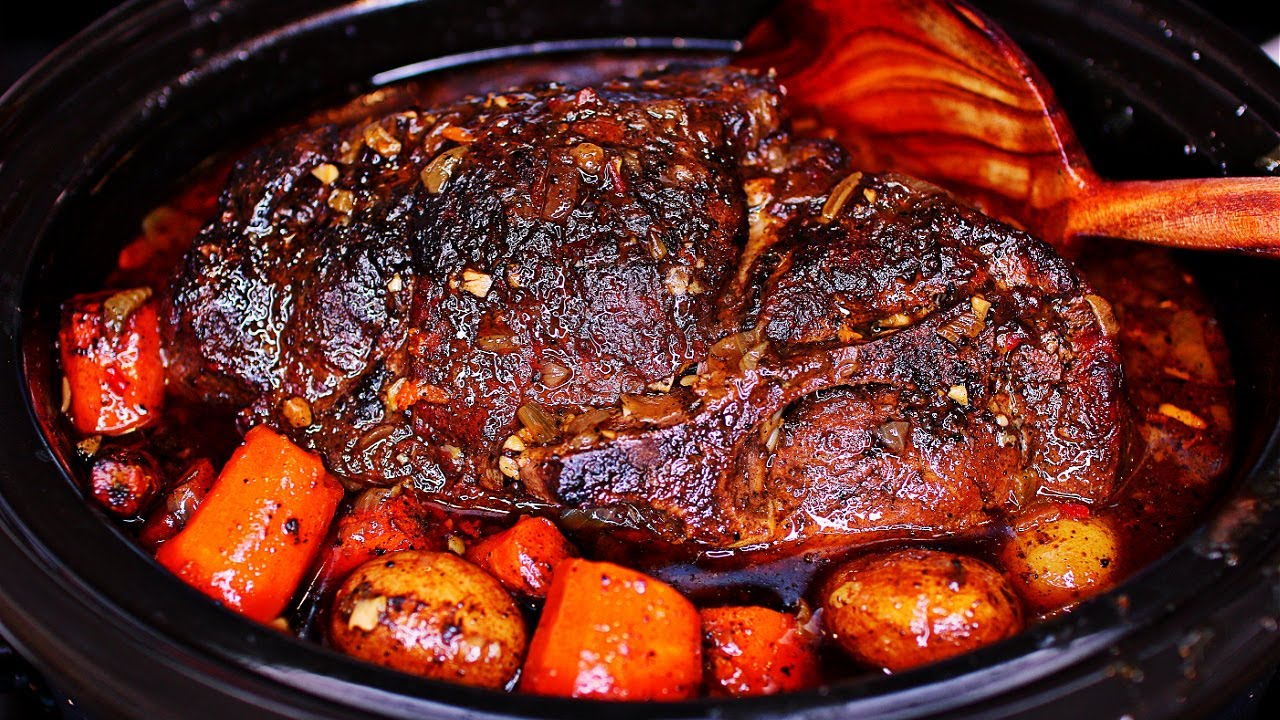
Roast Pork Loin Recipe: There’s nothing quite like a beautifully roasted pork loin—golden brown on the outside, juicy and tender inside. It’s the kind of meal that makes you look like a pro, even if you’re a kitchen newbie. Pork loin is a versatile, budget-friendly, and crowd-pleasing cut of meat that works for both weeknight dinners and special occasions. But don’t confuse it with pork tenderloin—they’re completely different cuts! The pork loin is wider and thicker, making it perfect for roasting, while the tenderloin is thinner and more delicate, usually cooked quickly at high heat.
A properly roasted pork loin is all about the details—seasoning, temperature control, and resting time. With a few simple steps, you can transform this humble cut into a juicy, flavorful masterpiece. This guide will take you through every stage of the process, from picking out your meat to plating it with style.
So, roll up your sleeves and let’s dive into the ultimate pork roast experience.
Ingredients You’ll Need
To make a mouthwatering roast pork loin, you don’t need a long grocery list. The magic lies in a few key ingredients and how you use them. Here’s what you’ll need:
Essential Ingredients
- 3 to 4-pound pork loin roast (boneless)
- 2 tablespoons olive oil
- 4 garlic cloves (minced)
- 1 tablespoon fresh rosemary (chopped)
- 1 tablespoon fresh thyme (chopped)
- 1 teaspoon salt
- 1/2 teaspoon black pepper
- 1 teaspoon smoked paprika
- 1/2 teaspoon onion powder
Optional Add-ins for Extra Flavor
- 1 tablespoon Dijon mustard
- 1/2 teaspoon crushed red pepper flakes (for a kick)
- Sliced onions and carrots for the roasting pan
- Apple cider or white wine for deglazing
These ingredients not only season the meat but also create a savory crust that seals in all the juices. Fresh herbs bring an aromatic freshness, while olive oil helps the seasoning stick and crisps the outer layer during roasting.
Feel free to adjust according to your taste preferences. Like it spicy? Add cayenne. Want it sweeter? A dash of brown sugar or maple syrup does wonders.
Equipment Checklist
Before we start cooking, let’s make sure you’ve got all the right tools on hand. The right equipment can make or break your kitchen success.
Tools That Make Cooking Easier
- Roasting pan or oven-safe skillet
- Meat thermometer (digital recommended)
- Aluminum foil
- Sharp knife
- Cutting board
- Mixing bowl (for seasoning mix)
- Tongs or spatula (for searing)
- Basting brush (optional but handy)
A meat thermometer is non-negotiable if you want that perfect doneness. Searing is best done in a cast-iron skillet, which retains heat well and helps develop that deep brown crust. A roasting rack is optional, but it allows air to circulate under the meat, helping it cook evenly.
Now that you’re stocked and ready, it’s time to move on to the meat of the matter—cooking!
Step-by-Step Preparation
Let’s get into the nitty-gritty of how to roast pork loin like a seasoned chef. Each step builds flavor and ensures the perfect texture.
Step 1: Choose the Right Pork Loin
Start with a good-quality, boneless pork loin, about 3 to 4 pounds. Look for one with a nice fat cap on top—that layer of fat will render and keep the roast moist during cooking. Avoid pork tenderloin for this recipe; it’s too small and cooks much faster.
Step 2: Seasoning the Meat Properly
Mix your olive oil, garlic, rosemary, thyme, salt, pepper, and paprika in a bowl. Rub this flavorful paste all over the pork, making sure to cover all sides. If you have time, let it marinate in the fridge for 2 to 4 hours, or even overnight. This gives the flavors time to penetrate the meat.
Want even more flavor? Cut small slits into the pork and stuff them with garlic or herb sprigs before seasoning.
Step 3: Searing for Extra Flavor
Heat some olive oil in a skillet over medium-high heat. Once hot, sear the pork loin on all sides—about 2 minutes per side—until it develops a golden-brown crust. This step adds depth of flavor and locks in the juices. Don’t skip it!
Step 4: Roasting the Pork Loin
Preheat your oven to 375°F (190°C). Transfer the seared pork loin to a roasting pan. If you want, add sliced onions, carrots, or potatoes around it for a complete one-pan meal. Roast for about 25 minutes per pound, or until the internal temperature reaches 145°F (63°C).
Halfway through, baste with the juices in the pan or a bit of apple cider to keep it moist.
Step 5: Let It Rest Before Slicing
Once your pork loin hits the right temperature, remove it from the oven and tent it loosely with foil. Let it rest for at least 10–15 minutes. This allows the juices to redistribute, so your slices stay tender and juicy—not dry and crumbly.
Tips for the Juiciest Pork Loin
The difference between a dry, tough roast and a juicy, flavorful one often comes down to just a few techniques. Mastering these tricks ensures your pork loin is always restaurant-worthy.
Avoiding Overcooking
This is the number one culprit behind dry pork. People tend to overcook pork out of fear that it’s unsafe when pink. But the USDA says pork is safe at 145°F (63°C) with a 3-minute rest period. Cooking past that can cause your pork loin to become stringy and dry. Stick to the temp and trust the science.
If you’re using an older oven, consider checking the temperature halfway through cooking. Oven temperatures can fluctuate more than you think, and even 10–15 degrees can make a big difference.
Using a Meat Thermometer
A digital meat thermometer is your best friend here. Insert it into the thickest part of the roast, making sure it doesn’t touch bone (if your loin has one). This ensures the reading is accurate.
Some thermometers even come with alarms you can set to alert you when your roast hits the target temp. No more guesswork, just perfect pork every time.
Also, remember to take the pork out of the oven just before it hits 145°F. It will continue to cook from residual heat as it rests, rising a few more degrees.
Bonus tip: For added moisture, consider brining your pork loin for a few hours before cooking. A simple saltwater brine can work wonders for texture and juiciness.
Serving Suggestions
Once you’ve cooked the perfect pork loin, it’s time to plate it up with style. The right sides and sauces can take this dish from delicious to unforgettable.
Best Side Dishes
Here are some crowd-pleasing sides to serve with roast pork loin:
- Garlic mashed potatoes – Creamy, buttery, and a perfect pairing for pork.
- Roasted vegetables – Think carrots, Brussels sprouts, or parsnips for a rustic touch.
- Apple slaw or chutney – The sweetness of apples pairs beautifully with pork.
- Buttery green beans – Add a little crunch and color to your plate.
- Rice pilaf or couscous – Light grains balance the hearty meat.
Try mixing and matching based on the season or what you’ve got in your pantry. Pork is a blank canvas for many flavors.
Sauce Pairings
If you want to elevate your pork loin even more, whip up one of these sauces:
- Apple cider reduction – Sweet and tangy.
- Mustard cream sauce – A bit fancy, a lot delicious.
- Balsamic glaze – Adds depth and slight acidity.
- Pan gravy – Use the drippings and a splash of wine for a rich, savory sauce.
Presentation tip: Slice your pork against the grain and fan it out over a bed of mashed potatoes. Drizzle with your sauce of choice and garnish with fresh herbs for a show-stopping meal.
Storing and Reheating Leftovers
Let’s face it—pork loin is almost always made in larger portions than you’ll finish in one sitting. But that’s a good thing! Leftovers can be just as tasty if handled correctly.
Best Practices for Storage
Let your pork loin cool completely before storing. Wrap it tightly in foil or place it in an airtight container. It can stay fresh in the fridge for up to 4 days.
For longer storage, freeze it. Slice it first, lay the slices in a single layer on a baking sheet to freeze quickly, then transfer them to a freezer-safe bag. This way, you can thaw only what you need.
Label everything with the date—trust us, you’ll forget otherwise.
How to Reheat Without Drying Out
The microwave is quick but can zap your pork of moisture. For best results:
- Reheat in the oven at 300°F (150°C) covered with foil, with a splash of broth or apple juice to keep it moist.
- Alternatively, use a skillet on low heat with a lid and a little liquid.
- If using the microwave, cover and use the “low power” setting in short bursts.
Leftover pork loin is great in sandwiches, wraps, salads, or stir-fries. Just chop it up and get creative!
FAQs about Roast Pork Loin Recipe
1. How long should I roast pork loin per pound?
Generally, roast pork loin for about 25 minutes per pound at 375°F (190°C), but always check with a meat thermometer to ensure doneness.
2. Can I cook pork loin in an air fryer?
Yes! Set your air fryer to 375°F (190°C) and cook for about 20–25 minutes, depending on the size. Check the internal temperature to ensure it reaches 145°F (63°C).
3. Should I cover pork loin while roasting?
Not necessarily. Leaving it uncovered helps develop a crust. If the outside is browning too fast, loosely tent it with foil.
4. What temperature is safe for pork?
The USDA recommends cooking pork to an internal temperature of 145°F (63°C) followed by a 3-minute rest.
5. Can I marinate pork loin overnight?
Absolutely! Marinating overnight enhances the flavor. Just be sure to use an acid-balanced marinade (with lemon, vinegar, or wine) and keep it refrigerated.
Conclusion
Roast pork loin is a dish that delivers every time—tender, juicy, flavorful, and perfect for nearly any occasion. Whether you’re feeding your family on a weeknight or hosting guests for a weekend dinner, this step-by-step guide equips you with everything you need to knock it out of the park.
By choosing the right cut, seasoning it well, and cooking it to the perfect temperature, you’ll never have to suffer through dry, boring pork again. And with the endless side and sauce options, every meal can feel like a new creation.
So next time you’re staring at a pork loin in the butcher’s case wondering what to do—now you know. Roast it, rest it, slice it, and savor every bite.