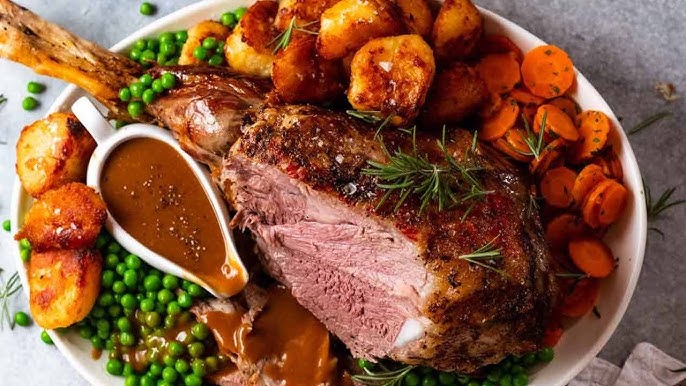
Roast Lamb Recipe: There’s something timeless and comforting about the smell of roast lamb wafting through the kitchen. Whether it’s Easter Sunday, a festive celebration, or a hearty Sunday dinner, roast lamb has earned its place as a staple in many households. The succulent texture, the rich, savory flavor, and the way it pairs perfectly with herbs and roasted veggies make it a truly satisfying centerpiece for any meal.
But here’s the good news—you don’t need to be a Michelin-starred chef to make the perfect roast lamb at home. With just a little preparation, some patience, and the right ingredients, you’ll have a golden, juicy roast that’ll impress your guests (and your taste buds).
In this guide, we’re breaking it all down for you—step-by-step.
Ingredients You’ll Need
First things first—gathering your ingredients. A successful roast starts with the right mix of quality components. Here’s a simple but flavor-packed list of essentials:
Main Ingredients:
- 1 leg of lamb (around 4-5 lbs)
- 4 cloves garlic, sliced
- 2 tablespoons olive oil
- Fresh rosemary sprigs
- Salt and freshly ground black pepper
- 1 lemon (zested and juiced)
Optional Ingredients (for extra flavor):
- 1 tablespoon Dijon mustard
- 1 teaspoon paprika or chili flakes
- A splash of red wine or balsamic vinegar
- Vegetables like carrots, onions, and potatoes for roasting alongside
The key to great lamb is balance. You want enough herbs and seasoning to elevate the meat’s natural richness without overpowering it. Garlic and rosemary are classic companions, while olive oil helps bind the flavors and keeps the meat moist during cooking.
Choosing the Right Cut of Lamb
Not all lamb cuts are created equal, especially when it comes to roasting. Some cuts offer tenderness and juiciness, while others are better suited for slow cooking or grilling.
Best Cuts for Roasting:
- Leg of Lamb: The classic choice. It’s large, meaty, and perfect for feeding a crowd.
- Shoulder of Lamb: A bit fattier but incredibly flavorful and ideal for slow-roasting.
- Rack of Lamb: Fancy, tender, and great for individual portions or smaller gatherings.
- Boneless Rolled Lamb: Easier to carve and often already seasoned or stuffed.
When choosing your cut, look for firm meat with a light pink color and fine marbling. Avoid anything that looks too dark or feels mushy to the touch. A little fat is good—it adds flavor and moisture—but too much can make the dish greasy.
Preparing the Lamb
Now that you’ve picked the perfect cut, it’s time to prep. This step is crucial—don’t rush it.
Trimming and Cleaning:
- Use a sharp knife to trim away excess fat or silver skin.
- Pat the meat dry with paper towels—dry meat sears better.
Marinating Tips:
Marinating your lamb infuses it with flavor and helps tenderize the meat. For best results:
- Mix olive oil, garlic, rosemary, lemon zest, mustard, and a pinch of salt and pepper.
- Rub the marinade all over the lamb, making sure to press garlic slices into small slits in the meat.
- Cover and refrigerate for at least 4 hours—overnight is even better.
Marinating doesn’t just add taste; it also ensures your roast is juicy and aromatic throughout.
Step-by-Step Guide to Cooking Roast Lamb
Let’s get into the real action. This step-by-step method ensures your lamb turns out perfectly golden and mouth-wateringly tender.
Step 1: Preheat the Oven and Prep the Pan
Start by preheating your oven to 375°F (190°C). While the oven heats up:
- Take the marinated lamb out of the fridge and let it sit at room temperature for 30 minutes.
- Line your roasting pan with chopped veggies or a rack to elevate the lamb. This allows heat to circulate evenly and prevents the meat from stewing in its own juices.
Step 2: Seasoning and Marinating the Lamb
If you didn’t marinate earlier, now’s your last chance. Drizzle the lamb with olive oil and season it generously with salt, pepper, and any herbs you love. Insert slices of garlic and rosemary into small slits in the meat to infuse flavor deep within.
Step 3: Searing for Extra Flavor
Searing is optional, but it really adds depth to the crust. Heat a skillet over medium-high heat and sear the lamb on all sides until browned. This locks in juices and gives you that beautifully golden exterior.
Step 4: Roasting to Perfection
Place the lamb in the roasting pan, fat side up. Roast for:
- 20 minutes per pound for medium-rare
- 25 minutes per pound for medium
Baste the meat with pan juices halfway through for extra moisture.
Step 5: Letting It Rest
Once the roast reaches your desired internal temperature (more on that in a bit), remove it from the oven and cover loosely with foil. Let it rest for 15-20 minutes before slicing. This helps redistribute the juices and keeps every bite succulent.
Cooking Times and Temperature Guide
Getting the internal temperature right is the secret to roast lamb that’s juicy and tender, not dry and tough. Lamb can be enjoyed at different levels of doneness depending on your preference. Here’s a quick reference chart to help you:
| Doneness | Internal Temp (°F) | Internal Temp (°C) | Description |
|---|---|---|---|
| Rare | 125°F | 52°C | Deep pink, very juicy |
| Medium-Rare | 130-135°F | 54-57°C | Slightly pink and tender |
| Medium | 140-145°F | 60-63°C | Firm but still moist |
| Well-Done | 150-160°F | 65-71°C | Fully cooked, slightly drier |
How to Use a Meat Thermometer:
- Insert it into the thickest part of the meat, avoiding the bone.
- Always remove the lamb from the oven 5°F before the desired temperature—it will continue to cook while resting.
- Let it rest under a tent of foil for about 15-20 minutes.
The difference between good and great lamb often lies in just a few degrees—so trust the thermometer over your instincts.
Making the Perfect Gravy
What’s roast lamb without rich, velvety gravy to drizzle over the slices? Making gravy from pan drippings is both easy and incredibly rewarding.
Ingredients:
- Pan drippings (from the roasting pan)
- 1-2 tablespoons flour
- 1 cup beef or vegetable broth
- A splash of red wine (optional)
- Salt and pepper to taste
Method:
- After removing the lamb from the pan, place the pan over medium heat on the stovetop.
- Sprinkle flour over the drippings and stir to form a roux.
- Gradually add the broth, whisking to remove lumps.
- Add red wine for depth and simmer until thickened.
- Strain for a smooth finish and season to taste.
This gravy adds an extra layer of comfort and richness to every forkful.
Side Dishes to Serve with Roast Lamb
Roast lamb is a showstopper, but the sides make the meal complete. Here are a few delicious ideas to complement your roast:
Classic Side Dishes:
- Roast Potatoes: Crispy on the outside, fluffy inside.
- Minted Peas: A fresh, herby contrast to the richness of the lamb.
- Glazed Carrots: Slightly sweet and earthy—perfect with savory lamb.
Modern Twists:
- Garlic and Parmesan Mashed Cauliflower: Low-carb, but packed with flavor.
- Roasted Brussels Sprouts with Bacon: Smoky and crunchy.
- Israeli Couscous Salad with Lemon and Herbs: Light and zesty.
The key is to balance flavors—choose one starchy side, one green veggie, and a fresh salad or relish to lighten the plate.
Common Mistakes to Avoid
Even seasoned cooks can slip up when roasting lamb. Here are a few pitfalls to watch for:
- Overcooking: Lamb can go from juicy to dry fast. Use a thermometer, not guesswork.
- Skipping the Rest: Letting the lamb rest redistributes the juices—don’t skip it!
- Underseasoning: Lamb has a bold flavor, but it still needs a good rub of herbs, garlic, and seasoning.
- Using a Cold Roast: Always let lamb sit at room temperature before roasting.
- Crowding the Pan: Airflow is key to a crispy crust—don’t overload your roasting pan with veggies.
Avoid these mistakes, and you’ll be well on your way to roast lamb perfection.
Tips for Leftovers
Roast lamb is just as delicious the next day—if not better. Here’s how to store and enjoy it later:
Storage:
- Store sliced lamb in an airtight container in the fridge for up to 3 days.
- Freeze leftovers for up to 3 months (wrap in foil then a freezer bag).
Leftover Ideas:
- Lamb Sandwiches: Add arugula, tomato, and tzatziki on ciabatta.
- Lamb Tacos: Use sliced lamb, feta, and chopped herbs in warm tortillas.
- Lamb Curry: Dice and simmer with curry paste, coconut milk, and veggies.
- Shepherd’s Pie: Layer leftover lamb with mashed potatoes and bake.
Get creative—leftover roast lamb is incredibly versatile and flavors deepen overnight.
Nutritional Information
Roast lamb isn’t just tasty—it’s also packed with nutrients. Here’s a quick overview:
- Protein: Around 25g per 3-ounce serving—great for muscle repair.
- Iron: Supports energy and red blood cells.
- Zinc: Boosts immunity and wound healing.
- Vitamin B12: Essential for brain and nerve function.
While lamb does have a higher fat content than chicken or turkey, much of it is unsaturated—especially if you trim the visible fat. When enjoyed in moderation and paired with plenty of veggies, roast lamb can be part of a balanced diet.
FAQs about Roast Lamb Recipe
1. Can I cook roast lamb without marinating?
Yes, but marinating adds flavor and helps tenderize the meat. Even 1-2 hours of marinating can make a difference.
2. How do I keep the lamb from drying out?
Use a meat thermometer, don’t overcook it, and always let it rest before slicing.
3. Can I roast lamb from frozen?
It’s best to thaw lamb completely before roasting to ensure even cooking and better flavor.
4. What’s the best way to reheat roast lamb?
Wrap it in foil and heat in a 300°F oven for about 10-15 minutes to avoid drying it out.
5. Is lamb healthier than beef?
Lamb and beef have similar nutrients, but lamb often contains more omega-3 fatty acids. Choose lean cuts and trim visible fat for a healthier option.
Conclusion
Roasting a leg of lamb might sound fancy, but it’s actually a down-to-earth, foolproof way to create a hearty and satisfying meal. Whether you’re serving it for a holiday feast or a cozy weekend dinner, following this step-by-step guide will ensure your roast lamb turns out golden, juicy, and bursting with flavor. From choosing the right cut to letting it rest before slicing, each step matters—and the result? A meal worth remembering. Don’t be surprised if everyone comes back for seconds.