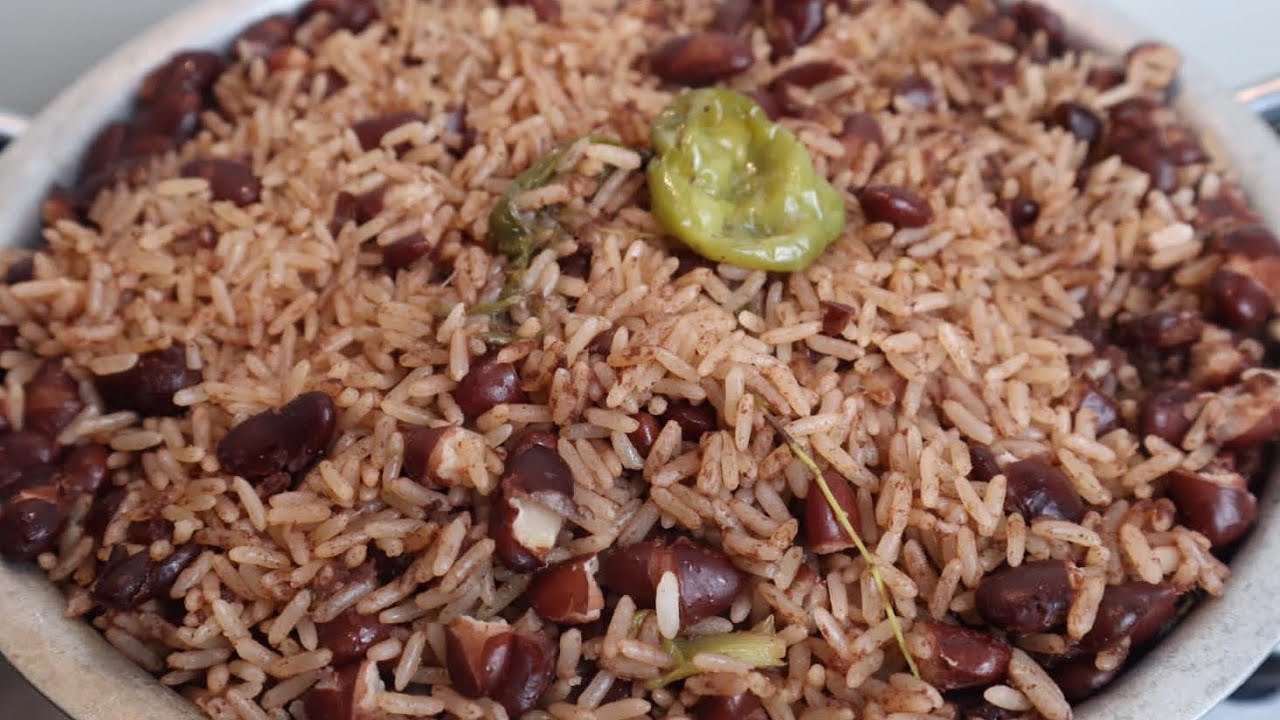
Rice and Peas Recipe: Rice and peas is the heart and soul of Caribbean cooking. You’ve likely heard about it, tasted it at a Jamaican restaurant, or seen it featured in travel food shows. But let’s be real—nothing beats a homemade version with that rich, coconut-simmered flavor that wraps around every grain. This iconic dish, despite its name, is not made with green peas. Instead, it’s all about red kidney beans or pigeon peas, infused with spices and creamy coconut milk.
This isn’t just a side dish—it’s a mainstay in Caribbean homes, especially on Sundays and holidays. Families pass down their versions from one generation to the next. Making rice and peas is almost like a family ritual, and learning how to make it properly connects you to a long-standing tradition of bold flavors, love, and celebration.
Today, I’m going to walk you through a foolproof, step-by-step method to make authentic rice and peas. Whether you’re new to Caribbean cooking or looking to perfect your skills, this guide has you covered.
Ingredients You’ll Need
Creating a memorable pot of rice and peas starts with gathering the right ingredients. Here’s what you’ll need for a traditional Jamaican-style recipe. These ingredients serve about 4–6 people:
- 1 cup dried kidney beans (or pigeon peas)
- 2 cups long-grain white rice (or basmati)
- 2 cups coconut milk (preferably full fat)
- 2 cups water (plus more for soaking beans)
- 3–4 cloves garlic, minced
- 2–3 sprigs fresh thyme
- 1 Scotch bonnet pepper (whole, not cut)
- 1 stalk scallion, chopped
- 1 teaspoon salt (adjust to taste)
- ½ teaspoon black pepper
- ½ teaspoon all-purpose seasoning (optional)
- 1 tablespoon butter or coconut oil
Optional Add-Ins:
- 1 bay leaf
- A few slices of fresh ginger
- A small chopped onion for extra savory depth
Fresh ingredients matter. Coconut milk from a can works fine, but if you can get fresh coconut and make your own milk, you’ll taste the difference. Likewise, dried beans offer the most flavor and texture, but canned ones can be used if you’re short on time.
Preparation Tips Before You Start
Before diving into the cooking process, you need to make a few smart prep choices. These will impact the final taste and texture of your dish.
Choose the Right Rice: Go for long-grain white rice or basmati. Avoid sticky or short-grain rice—they won’t give you that light, fluffy texture rice and peas is known for. Wash your rice thoroughly until the water runs clear. This helps remove excess starch and prevents clumping.
Prepping Your Peas: Dried kidney beans or pigeon peas are best. Soak them overnight in plenty of water to soften them up and speed up cooking. If you forget to soak them, you can do a quick soak: boil for 5 minutes, then let sit for an hour before cooking.
Canned beans? You can totally use them if you’re in a pinch, but know that they won’t soak up the seasoning as well as dried ones during the cooking process.
Spice Prep: Always use whole thyme sprigs and a whole Scotch bonnet pepper. Don’t cut the pepper unless you want serious heat. Just drop it in whole—it adds flavor without overwhelming spiciness.
Step-by-Step Cooking Instructions
Step 1 – Rinse and Soak the Peas
If using dried peas, rinse them well, then soak in water overnight. The next day, discard the soaking water and give them another quick rinse.
This step is crucial for removing any grit and softening the beans for faster cooking. If using canned beans, rinse them under cold water to remove any preservatives and reduce the salty taste.
Step 2 – Boil Peas with Seasoning
Add the soaked peas to a large pot with enough water to cover them by about 2 inches. Toss in the garlic, thyme, scallion, salt, pepper, and any optional spices (like bay leaf or ginger). Bring to a boil, then reduce to a simmer.
Cook the peas for about 45 minutes to 1 hour or until tender. If water starts evaporating too quickly, add a bit more to ensure the peas stay submerged.
Once the peas are tender, you should have about 2 cups of liquid left in the pot. If there’s more, remove the excess. If there’s too little, top it up with some water or coconut milk to get to that level.
Step 3 – Add Rice and Coconut Milk
Here’s where the magic happens. Stir in your coconut milk and bring everything to a simmer. Add the washed rice to the pot, along with butter or coconut oil. Drop in the Scotch bonnet pepper whole (don’t break it unless you want fire-level spice).
Taste the liquid. It should be salty and flavorful because the rice will absorb this as it cooks. Adjust seasoning if needed.
Bring to a gentle boil, cover the pot with a tight lid, and reduce heat to low. Let it simmer for about 15–20 minutes, or until the rice absorbs all the liquid.
Step 4 – Simmer to Perfection
After about 20 minutes, check the rice. If it’s tender and fluffy, turn off the heat but keep the lid on. Let it steam in its own heat for another 10 minutes.
Remove the Scotch bonnet, thyme sprigs, and any bay leaves you used. Fluff the rice with a fork to loosen it up.
You should be looking at a beautifully fragrant pot of rice and peas—rich, coconutty, and packed with bold, earthy Caribbean flavors.
Serving Suggestions
Rice and peas is wonderfully versatile—it’s a dish that plays well with nearly every protein you can think of. In Caribbean homes, it’s often the centerpiece of a meal, proudly sitting next to jerk chicken, curried goat, or oxtail. But it can also be served with simpler options like fried fish, roasted vegetables, or even plantains for a wholesome vegetarian plate.
If you’re hosting a dinner or just want to enjoy a complete meal, here are some pairing ideas:
- Jerk Chicken or Pork: The smokiness and spice from jerk seasoning balance perfectly with the creaminess of rice and peas.
- Curry Goat or Chicken: A saucy curry spooned over rice and peas is heavenly.
- Escovitch Fish: A vinegar-pickled, peppery fish dish that brings brightness to the meal.
- Steamed Cabbage or Callaloo: These greens provide freshness and balance to the richness of the rice.
- Fried Plantains: Slightly sweet and caramelized, they contrast beautifully with the savory rice and peas.
Presentation matters too. Serve your rice and peas in a deep bowl or plate with colorful sides. Garnish with a sprig of thyme or a few chopped scallions to make it pop visually. It’s an easy way to turn a comforting dish into a showstopper.
If you’re packing it for lunch or a potluck, it travels well and reheats beautifully. Just be sure to keep it sealed to retain moisture.
FAQs about Rice and Peas Recipe
1. Can I use canned beans instead of dried?
Yes, canned kidney or pigeon peas are a time-saving option. Rinse them thoroughly to remove excess salt and preservatives. Reduce cooking time, since they’re already soft.
2. What type of rice is best for rice and peas?
Long-grain rice such as jasmine or basmati works best. These varieties cook up fluffy and absorb the coconut flavor without becoming sticky.
3. Is rice and peas vegetarian or vegan?
Yes! Traditional rice and peas is completely vegan unless you add meat stock or butter. Just use vegetable broth and coconut oil instead of butter to keep it plant-based.
4. Can I make rice and peas in a rice cooker?
Absolutely. After boiling the peas with seasoning, transfer the mix to a rice cooker, add your rice and coconut milk, and let the machine handle the rest. Just keep the Scotch bonnet whole.
5. How long does rice and peas last in the fridge?
It stays fresh for up to 4–5 days when stored in an airtight container. You can reheat it on the stove with a splash of water or in the microwave.
Conclusion
There you have it—an authentic, foolproof, and absolutely mouth-watering rice and peas recipe that brings the spirit of the Caribbean right into your kitchen. From soaking the beans to simmering the rice in seasoned coconut milk, each step is designed to build flavor and create a dish that’s as comforting as it is delicious.
Whether you’re cooking for your family, prepping a holiday meal, or just craving something warm and hearty, rice and peas fits the bill every time. It’s not just food—it’s a celebration, a memory, and a connection to culture all rolled into one pot.
Try it once, and you’ll be hooked. Adjust the spice level, experiment with different beans, and make it your own. That’s the beauty of cooking—it evolves with you.