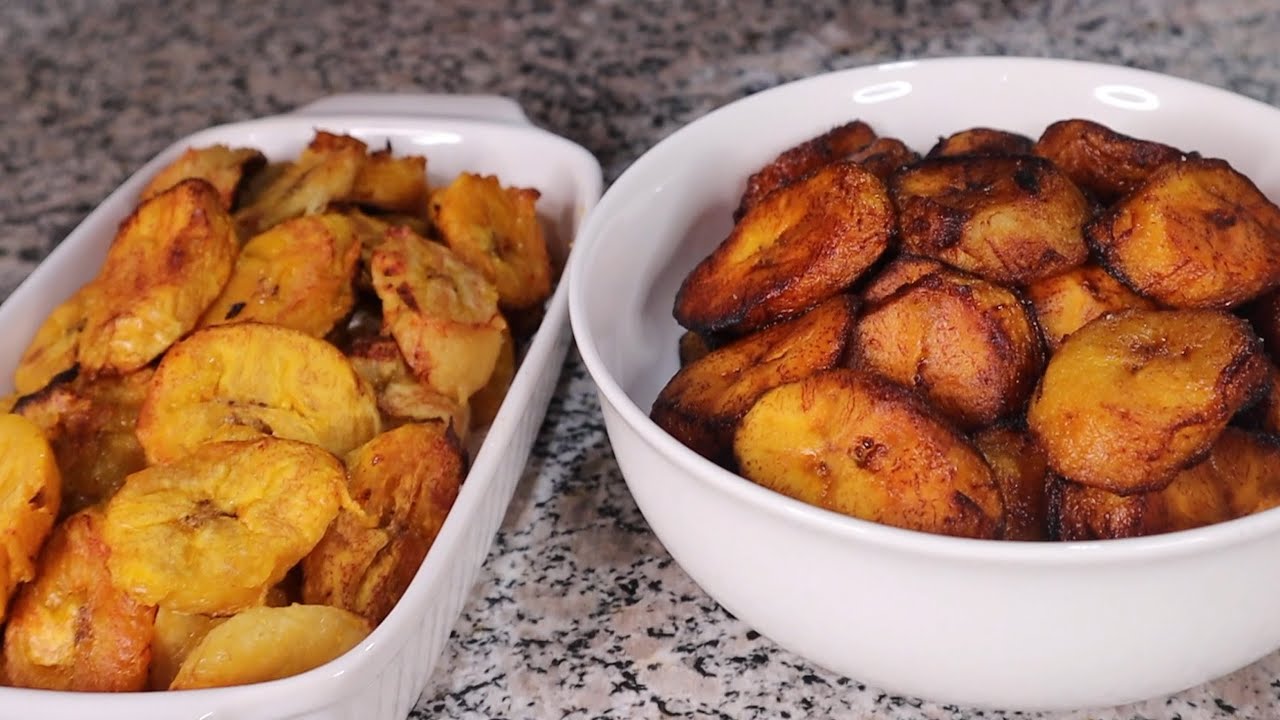
Plantains Recipe: Plantains are an incredibly versatile and tasty staple in many Caribbean, Latin American, African, and Southeast Asian cuisines. While they look like bananas, they are starchier, denser, and used mostly in savory or cooked dishes rather than eaten raw.
This guide walks you through everything you need to know—from choosing the right plantains to cooking them to crispy, golden perfection.
Whether you’re craving something sweet, salty, or just looking to expand your cooking skills, this step-by-step guide has got you covered.
What Are Plantains?
Plantains are a member of the banana family, but unlike sweet bananas, they are primarily used for cooking. With a thicker skin and a firmer texture, they can be boiled, baked, grilled, or fried depending on the ripeness. Their flavor varies significantly based on the stage of ripeness—green plantains are more savory and firm, while ripe black plantains are soft and sweet, perfect for dessert-style preparations.
Difference Between Plantains and Bananas
It’s easy to mistake plantains for bananas, but there are key differences. Bananas are sweet and typically eaten raw, whereas plantains are starchy and need to be cooked. Also, plantains are generally larger, have a thicker skin, and take longer to ripen. Cooking bananas can turn mushy when heated, but plantains maintain their structure, making them ideal for frying or baking. Understanding this difference is the first step in mastering any plantain-based recipe.
Choosing the Right Plantains
Selecting the right plantains is essential to achieving the flavor and texture you want. Depending on whether you want them savory or sweet, the ripeness of your plantains will dramatically impact the outcome of your dish.
Green vs. Yellow vs. Black Plantains
- Green Plantains: Firm, starchy, and slightly bitter. Ideal for tostones or savory dishes.
- Yellow Plantains: Softer with a slight sweetness. Great for frying to a caramelized, golden finish.
- Black Plantains: Very ripe, super sweet, and tender. Best used in sweet dishes or desserts.
Each color stage offers unique flavors and textures, so choose accordingly based on your desired recipe.
Tips for Selecting the Best Plantains
When shopping for plantains, look for ones that match your recipe’s needs:
- For crispy fried plantains, choose yellow plantains with some black spots—they’re perfectly sweet and soft inside.
- If you want something savory, go with firm green plantains.
- Avoid plantains with broken skins, mold, or too many soft spots unless you’re making a sweet mash or dessert.
Ingredients You’ll Need
Let’s keep it simple. One of the beauties of cooking plantains is that the ingredient list is short and sweet—literally.
Basic Ingredients List
- 2–3 ripe plantains (yellow with black spots)
- Vegetable oil (canola, peanut, or sunflower)
- Sea salt (optional)
Optional Add-Ons for Flavor Variations
Want to spice it up a bit? Try these:
- A pinch of cinnamon or nutmeg for a sweeter twist
- Garlic powder or smoked paprika for savory
- A drizzle of honey or maple syrup after frying for dessert-style plantains
Tools and Equipment
You don’t need fancy tools to cook plantains, but having the right kitchen essentials can make things easier and more efficient.
Essential Kitchen Tools
- Cutting board and knife
- Skillet or frying pan (non-stick or cast iron recommended)
- Tongs or a slotted spoon
- Paper towels
- Plate or cooling rack
Optional Gadgets to Make Cooking Easier
- Mandoline slicer for uniform cuts
- Deep-fry thermometer for perfect oil temperature
- Air fryer if you want a healthier, oil-free alternative
Step-by-Step Plantain Recipe (Fried Sweet Plantains)
Here’s the delicious part. We’re making classic fried sweet plantains, also known as “maduros” in Spanish-speaking regions. Crispy on the outside, sweet and tender on the inside—absolute perfection.
Step 1: Peel the Plantains Properly
Start by cutting off both ends of the plantain. Score the skin lengthwise with a knife, being careful not to cut too deep. Use your fingers to peel off the thick skin—it’s tougher than a banana, but not hard to manage.
Pro tip: If the skin is sticking, soak the plantain in warm water for a few minutes to loosen it.
Step 2: Slice the Plantains Evenly
Cut the plantains into diagonal slices, about ½ inch thick. The diagonal cut increases the surface area, allowing for more caramelization during frying.
Uniform slicing is crucial—uneven pieces will cook at different speeds, and you might end up with some burnt or undercooked bits.
Step 3: Heat the Oil to the Right Temperature
Pour oil into a skillet so it’s about ½ inch deep. Heat over medium until the oil reaches around 350°F (175°C). If you don’t have a thermometer, test with a piece of plantain—it should sizzle immediately.
Too cold? They’ll soak up oil and turn greasy.
Too hot? They’ll burn before cooking through.
Step 4: Fry the Plantains Until Golden Brown
Carefully add the slices into the oil in a single layer, leaving space between each. Don’t overcrowd the pan—cook in batches if needed. Fry each side for about 2–3 minutes, or until they’re golden brown and caramelized.
Flip them once during cooking for even browning. They should be soft and slightly puffed up when done.
Step 5: Drain and Serve
Once golden and crispy, remove the plantains with a slotted spoon and place them on a paper towel-lined plate to drain excess oil. Sprinkle with a little sea salt if desired. Serve hot and enjoy!
Common Mistakes to Avoid
Cooking plantains seems simple, but there are a few easy-to-make mistakes that can mess with the taste, texture, or even the safety of your dish. Let’s break down what to watch out for so your fried plantains come out perfectly golden and delicious every time.
Overcrowding the Pan
This is a mistake almost everyone makes at some point. When you try to fry too many plantain slices at once, the oil temperature drops rapidly. The result? Soggy, oily, unevenly cooked plantains. Nobody wants that.
Here’s how to avoid it:
- Always fry in small batches.
- Give each slice enough space to sizzle.
- Allow the oil to reheat between batches.
It may take more time, but the payoff is crispier, tastier plantains. Think of it like making pancakes—better to wait and do it right than rush and regret it.
Using the Wrong Oil or Temperature
Not all oils are created equal when it comes to frying. Using olive oil, for example, which has a low smoke point, can lead to a burnt taste and smoking pan.
Stick with these:
- Canola oil
- Peanut oil
- Vegetable oil
- Sunflower oil
These have high smoke points and neutral flavors. Also, make sure your oil is hot enough—around 350°F (175°C). If it’s too cold, the plantains soak up oil like a sponge. Too hot, and you’ll burn the outside before the inside cooks through.
Health Benefits of Plantains
Yes, fried plantains are a treat, but plantains themselves are full of nutrients that your body will thank you for. They’re not just tasty—they’re good for you in so many ways.
Nutritional Value
Here’s a quick look at what plantains offer per 100g (cooked):
- Calories: ~120
- Carbs: 31g
- Fiber: 2.3g
- Potassium: 499mg
- Vitamin A: 63% of your daily need
- Vitamin C: 22% of your daily need
- Vitamin B6 and magnesium: Plenty!
This makes them great for energy, digestion, immune support, and even heart health. The potassium alone helps regulate blood pressure and fluid balance.
Dietary Uses
Plantains are naturally gluten-free, making them ideal for people with celiac disease or gluten sensitivity. They’re also:
- Dairy-free
- Nut-free
- Vegan-friendly
- Easily adaptable for paleo and Whole30 diets
For a lighter version, skip the frying and go for baking or air-frying. Add a little seasoning or herbs and you’ve got a guilt-free snack or side dish packed with flavor and nutrients.
Serving Suggestions
The best part about plantains? Their versatility. You can serve them as a snack, side, or even as the main event in a creative, flavor-packed dish.
Side Dish Ideas
Fried sweet plantains pair wonderfully with:
- Jollof rice
- Caribbean jerk chicken
- Cuban black beans and rice
- Grilled meats
- Tacos or burrito bowls
They balance out savory dishes with a touch of sweetness, adding a satisfying texture contrast.
Main Course Pairings
Make it a meal by getting creative:
- Top plantains with a fried egg, avocado, and hot sauce
- Serve them with shredded beef or pulled pork
- Use as a base for a tropical stir-fry with bell peppers and pineapple
- Build a plantain sandwich with grilled chicken and spicy slaw
Plantains also go great with seafood—try them alongside grilled shrimp or tilapia for a tropical island vibe.
Storing and Reheating
Cooked too many? Don’t worry. Fried plantains store and reheat well if you do it the right way.
How to Store Fried Plantains
Let them cool completely, then place in an airtight container:
- In the fridge: good for up to 3 days
- In the freezer: good for up to 2 months
When freezing, place a layer of parchment paper between layers to prevent sticking.
Best Ways to Reheat Without Losing Texture
Microwaving can make plantains rubbery, so try these instead:
- Oven: Reheat at 350°F (175°C) for 10–12 minutes
- Air fryer: 3–5 minutes at 350°F
- Stovetop: Quick pan-fry in a little oil to bring back the crispiness
Avoid covering them while reheating—they’ll steam and lose that delicious caramelized edge.
FAQs about Plantains Recipe
1. Can I bake instead of fry plantains?
Absolutely! Just slice and arrange them on a baking sheet, brush with oil, and bake at 400°F (200°C) for 15–20 minutes, flipping halfway through.
2. Are plantains keto-friendly?
Unfortunately, no. Plantains are high in carbohydrates, so they don’t align with a strict keto diet. They’re great for balanced or high-carb diets, though.
3. What can I use instead of oil for frying?
For a healthier version, use an air fryer. You can also roast them with just a light brushing of olive oil or coconut oil.
4. How do I ripen plantains quickly?
Place them in a paper bag with an apple or banana and leave at room temperature. It speeds up ripening in a couple of days.
5. Can I freeze plantains?
Yes! You can freeze both raw peeled slices and cooked plantains. Store in airtight containers or freezer bags with parchment paper between layers.
Conclusion
Plantains are more than just a banana look-alike—they’re a culinary superstar with endless possibilities. Whether you’re frying them to a golden crisp or baking them for a healthier twist, plantains can take your meals to the next level. This step-by-step guide was built to help you get it right every time—no soggy slices, no guesswork, just sweet, crispy perfection.
So grab a few ripe plantains, fire up that skillet, and let your kitchen fill with the warm, caramel scent of one of the most beloved dishes around the world. Once you master this, you’ll never look at a banana the same way again.