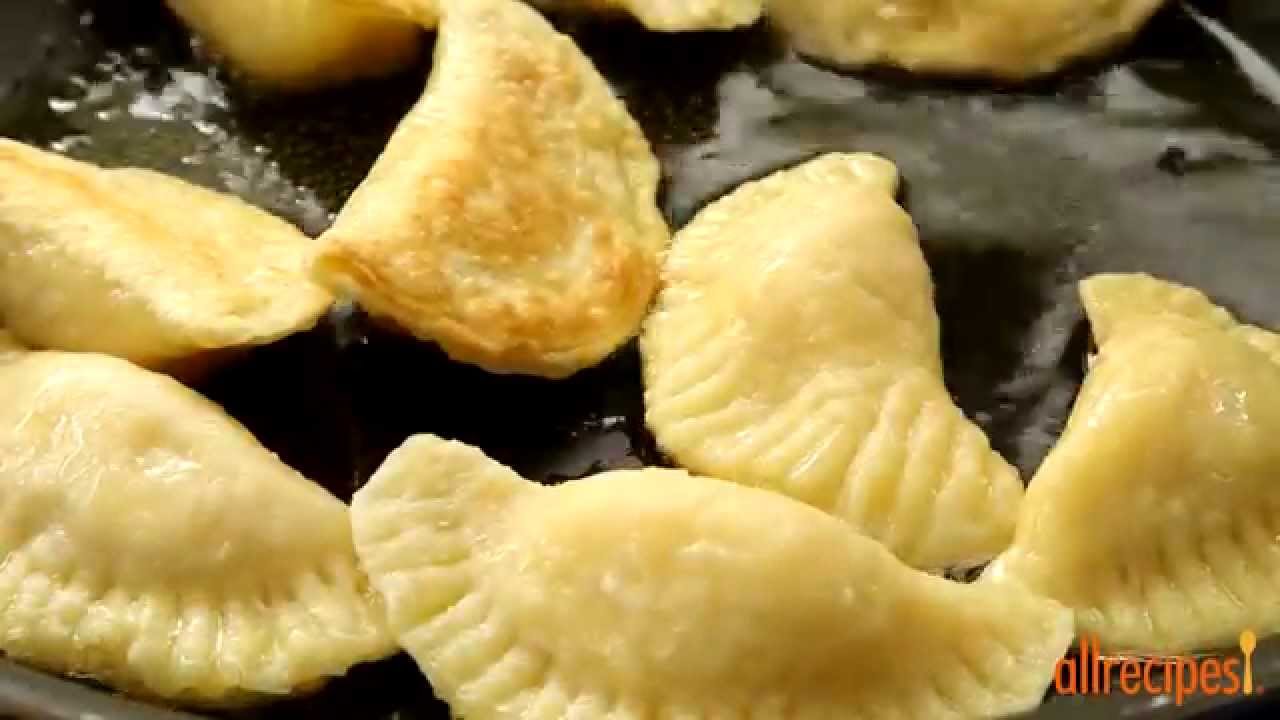
Pierogi Dough Recipe: Pierogi are delightful Eastern European dumplings that bring together the comforting taste of homemade dough with a variety of fillings like potatoes, cheese, meat, or fruit. These little crescent-shaped parcels are typically boiled, and sometimes pan-fried afterward for a golden finish. They’re a staple in Polish cuisine and are beloved across countries like Ukraine, Slovakia, and beyond. The best part? You can tailor them to your personal taste—sweet or savory, it’s all up to you.
If you’ve never made pierogi from scratch before, it may seem intimidating. But making the dough is actually quite simple and rewarding. All it takes is a handful of ingredients, some patience, and a bit of elbow grease.
A Brief History of Pierogi
Pierogi date back to the 13th century and are said to have been brought to Poland by Saint Hyacinth, who supposedly introduced them after a trip to Kyiv. Originally prepared for religious holidays and festive occasions, pierogi have evolved into an everyday comfort food cherished by millions. They were traditionally filled with what was seasonally or locally available—cabbage, mushrooms, or farmer’s cheese in the winter, and berries or plums in the summer.
Despite their humble origins, pierogi are now a beloved symbol of Polish heritage, making appearances at family gatherings, weddings, and national celebrations. Making pierogi from scratch is often a family affair passed down from one generation to the next, filled with laughter, stories, and the smell of dough and butter in the air.
Ingredients You’ll Need
The Essential Ingredients for Pierogi Dough
Pierogi dough is beautifully simple and made with ingredients most people already have in their kitchens. Here’s what you’ll need:
- All-purpose flour – This forms the structure of the dough.
- Warm water – Helps bind the dough and keeps it pliable.
- Egg – Adds richness and makes the dough easier to handle.
- Salt – Enhances the flavor.
- Vegetable oil or melted butter – Adds softness and moisture to the dough.
A classic pierogi dough recipe might look like this:
- 2 ½ cups all-purpose flour
- 1 large egg
- ½ cup warm water (plus extra if needed)
- 2 tablespoons vegetable oil (or melted butter)
- ½ teaspoon salt
These quantities are enough to make about 20-30 medium-sized pierogi, depending on how thick you roll the dough.
Optional Add-ins and Variations
While the traditional dough is already a winner, there are plenty of ways to experiment:
- Sour cream or yogurt – Adding a tablespoon or two can make the dough richer and softer.
- Milk instead of water – A more decadent twist on the traditional recipe.
- Whole wheat flour – For a nuttier flavor and a bit more fiber.
- Herbs or spices – Add finely chopped dill or onion powder into the dough for a unique flavor.
These tweaks can be fun to try, especially if you’re already familiar with the standard version. Just keep an eye on the dough’s texture—it should be soft, pliable, and just slightly tacky.
Tools and Equipment for Making Pierogi
Must-Have Kitchen Tools
Before you dive into the dough-making process, make sure you’ve got the right tools on hand:
- Mixing bowl – For combining the ingredients.
- Measuring cups and spoons – Precision matters.
- Wooden spoon or spatula – To bring the dough together.
- Rolling pin – Essential for rolling out the dough evenly.
- Round cutter or glass – To cut out circles of dough (about 3 inches in diameter).
- Clean surface – For kneading and rolling out your dough.
Helpful Extras to Make the Job Easier
- Stand mixer with dough hook – Saves time and effort if you’re making a large batch.
- Pastry board or silicone mat – Makes rolling easier and cleanup a breeze.
- Plastic wrap or damp towel – To cover the dough as it rests and prevent it from drying out.
- Bench scraper – Helps lift and move the dough as you work with it.
While you can definitely make pierogi dough with just your hands and a few basic items, having a few of these extras can make the process smoother and more enjoyable.
Step-by-Step Pierogi Dough Recipe
Step 1: Measuring and Prepping Ingredients
Making pierogi dough is part science, part art—and it all starts with accurate measurements. Unlike other dishes where you can eyeball quantities, dough needs a precise balance of flour, water, egg, and fat. If you’re off by even a little, it can change the texture drastically.
Start by scooping your flour into the measuring cup and leveling it off with a knife. Avoid packing it down, as that will give you more flour than needed. Next, lightly beat the egg in a small bowl, warm your water slightly (not hot—it should feel lukewarm to the touch), and measure your oil or melted butter.
Once you’ve got all your ingredients ready, clear a spacious countertop or table. You’ll need room to knead and roll the dough later. Dust the surface lightly with flour and keep extra flour nearby for dusting as you work.
Laying everything out ahead of time streamlines the process and helps prevent mistakes, especially if you’re working with dough for the first time.
Step 2: Mixing the Dough
In a large mixing bowl, combine the flour and salt. Make a well in the center and pour in the egg, oil or butter, and a little bit of warm water. Using a wooden spoon or your hands, slowly incorporate the flour from the sides of the well into the liquid center.
You’ll notice the dough start to form clumps. This is perfectly normal. Continue mixing and gradually add more water a tablespoon at a time, until the dough starts coming together. You want the dough to be soft and slightly sticky but not overly wet.
Once most of the flour is incorporated and you have a rough dough, transfer it to your lightly floured surface. The goal here is not perfection yet—just bring everything into a shaggy, cohesive ball that’s ready for kneading.
This step doesn’t take long—maybe 5 minutes—but it sets the foundation. The dough should already feel pliable and have a bit of bounce to it. Don’t worry if it’s not perfectly smooth yet. That’s coming in the next step.
Step 3: Kneading the Dough
Now it’s time to roll up your sleeves. Kneading is what gives pierogi dough its signature elasticity and chew. This step is essential.
Start by pressing the dough away from you with the heels of your hands. Fold it back over itself, rotate it a quarter turn, and repeat. You’re aiming for a rhythmic, consistent movement. If the dough sticks to your surface or hands, sprinkle just a little flour—but avoid over-flouring. Too much flour makes the dough dry and tough.
Knead the dough for about 8 to 10 minutes. By the end, it should be smooth, elastic, and slightly tacky to the touch. A good test? Press your finger gently into the dough—it should bounce back slowly, not sink in like wet clay.
If your dough feels too stiff or dry, wet your hands and knead again. If it’s too sticky and impossible to work with, add flour a tablespoon at a time.
This step is not only functional—it’s meditative. Play some music or get lost in the rhythm. This is where the magic happens.
Step 4: Resting the Dough
After all that kneading, your dough needs a nap. Resting allows the gluten to relax, making it easier to roll out and shape. It also helps the dough become more tender and elastic—two things you definitely want in your pierogi.
Form your dough into a smooth ball and place it in a bowl. Cover it with a clean kitchen towel, plastic wrap, or a damp cloth. Let it rest at room temperature for at least 30 minutes, though an hour is even better.
If you’re not using the dough right away, wrap it tightly in plastic wrap and refrigerate it. You can keep it in the fridge for up to 2 days, though you’ll want to let it come to room temperature before rolling it out.
This rest period is crucial. Skipping it can lead to dough that shrinks back when rolled or breaks apart when you try to shape your pierogi. Trust the process. Give your dough a break, and it’ll return the favor.
Step 5: Rolling and Cutting the Dough
Once your dough is rested and ready, it’s time to roll. Divide it into smaller sections—working with a portion at a time makes it easier to manage. Keep the remaining dough covered to prevent drying out.
Lightly flour your surface and rolling pin, then roll the dough out to about 1/8-inch thickness. You want it thin enough to cook evenly but sturdy enough to hold the filling without tearing.
Use a round cutter, glass, or biscuit cutter (3 inches in diameter works great) to cut out circles. Gather up the dough scraps, knead them briefly, let them rest again for a few minutes, and repeat the process.
Each round is now a blank canvas for your favorite filling—whether that’s classic potato and cheese, sauerkraut, mushrooms, or something sweet like blueberries or strawberries.
Once filled, seal the edges by pressing them firmly together. You can use a fork to crimp the edges or pinch and twist them into a decorative edge. Just make sure they’re sealed tight to avoid leaks while boiling.
Tips and Tricks for Perfect Pierogi Dough
Common Mistakes and How to Avoid Them
Even though pierogi dough is made with simple ingredients, it’s surprisingly easy to make mistakes—especially if you’re trying it for the first time. One of the most common errors? Adding too much flour. Many people panic when the dough feels sticky and keep adding flour until it becomes tough and dry. The trick is to let the dough rest and knead it gently—it usually comes together without needing extra flour.
Another common mistake is overworking the dough. While kneading is important, kneading too much or too aggressively can make the dough rubbery and difficult to roll out. Remember: gentle and patient wins the race.
Skipping the resting time is also a big no-no. Gluten needs time to relax after kneading, or else your dough will resist rolling and possibly tear during shaping.
Also, avoid cutting the dough too thick or too thin. If it’s too thick, it’ll take too long to cook and might feel chewy. If it’s too thin, it may tear when filling or boiling.
Lastly, don’t forget to keep your working surface and tools lightly floured, especially when rolling and cutting. This keeps the dough from sticking without drying it out.
Texture and Consistency Checkpoints
How should pierogi dough feel? That’s a question you’ll learn to answer with your hands over time, but here are some good guidelines:
- Before kneading: The dough should be shaggy and slightly sticky.
- After kneading: It should be smooth, soft, and slightly tacky but not wet.
- After resting: It will become even softer and easier to roll out.
When rolling, the dough should stretch without tearing and bounce back slightly when touched. If you’ve added ingredients like sour cream or extra fat, expect a slightly softer texture.
One pro tip: Try pinching off a small piece and rolling it into a thin circle to test the thickness. If it rolls easily and holds shape, you’ve nailed it.
Storing and Freezing Pierogi Dough
Refrigerating Fresh Dough
Not ready to make your pierogi immediately? No problem. You can store fresh pierogi dough in the refrigerator for up to 48 hours. Simply wrap it tightly in plastic wrap or place it in an airtight container to prevent it from drying out or absorbing fridge odors.
Before you use it, let it come to room temperature for at least 30 minutes. Cold dough can be stiff and hard to roll out, so patience is key. You can even prepare the dough one evening and roll it out the next day for convenience.
If you’re making dough for a party or event, prepping it a day ahead is a great time-saver—and the flavors and texture often improve after resting overnight.
Freezing for Long-Term Storage
Want to plan even further ahead? Pierogi dough freezes beautifully. To freeze, divide it into portions (so you don’t have to thaw the whole batch at once), wrap each one in plastic wrap, then place them in a freezer bag. Label the date and contents for easy reference.
When you’re ready to use it, transfer a portion to the refrigerator to thaw overnight. Then, let it rest on the counter for 30 minutes before rolling out.
Another option: Freeze fully assembled pierogi. After shaping and sealing, place them on a parchment-lined tray and freeze until solid. Transfer to a freezer bag and cook directly from frozen—no need to thaw.
Freezing helps you always have fresh dough ready, especially during holidays or family gatherings. Just be sure not to freeze dough that has fillings in it unless it’s already been assembled.
FAQs about Pierogi Dough Recipe
1. Can I make pierogi dough without eggs?
Yes! While eggs add richness and structure, you can make a simple vegan pierogi dough using just flour, salt, water, and a bit of oil or plant-based butter.
2. Why is my dough too sticky?
If your dough is overly sticky, you might have added too much water or not enough flour. Add flour 1 tablespoon at a time and knead gently until it’s smooth and pliable.
3. Can I use gluten-free flour for pierogi dough?
Yes, but it takes experimentation. Gluten-free flour lacks the elasticity of wheat flour, so you may need xanthan gum or a mix of GF flours designed for pasta.
4. How long should I rest the dough?
Rest the dough for at least 30 minutes. For best results, let it rest for up to 1 hour. This allows the gluten to relax and makes rolling easier.
5. Can I make pierogi dough in advance?
Absolutely! Make the dough ahead, wrap it tightly, and refrigerate for up to 2 days or freeze it for up to 3 months. Just thaw and bring to room temperature before using.
Conclusion
Serve your homemade pierogi boiled until they float, then enjoy them as is or pan-fry them in a bit of butter until golden and crispy. Top with sour cream, caramelized onions, or even crispy bacon for a rich, satisfying dish.
And don’t stop at just one type. The beauty of pierogi is their versatility. Try experimenting with fillings, dough flavors, or even different cooking methods. Whether you’re preparing a simple family dinner or a traditional holiday feast, pierogi will always bring comfort and joy.
Making pierogi dough is more than just cooking—it’s tradition, connection, and creativity rolled into one.