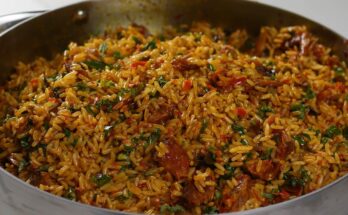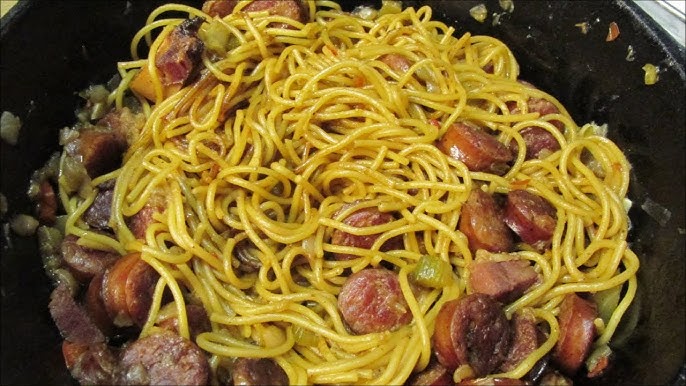
Pastalaya Recipe: If you’ve ever had jambalaya, you’re already halfway to understanding pastalaya. Picture the same rich, smoky, and spicy Cajun flavor, but instead of rice, it’s all tossed with pasta. That’s right—pastalaya is essentially the pasta-lover’s twist on the iconic Louisiana jambalaya. It’s hearty, comforting, and full of flavor. Think of it as Cajun spaghetti with an attitude. Unlike your typical pasta dishes drenched in sauce, pastalaya is cooked in a single pot where the noodles soak up all the seasoning and meat juices, giving every bite a bold, well-rounded taste.
What makes pastalaya stand out is its ability to blend diverse textures and flavors—juicy chunks of meat, the crunch of bell peppers, the softness of noodles, and the heat of Cajun spices. Whether you’re cooking for a crowd or just looking to spice up your weeknight dinner, this one-pot wonder delivers with minimal cleanup and maximum flavor.
History and Cajun Roots
Pastalaya isn’t just a clever twist—it has roots deep in Louisiana’s culinary traditions. Born from jambalaya, a dish that reflects Spanish, French, and African influences, pastalaya simply replaces rice with pasta, often rotini or penne. Cajun cuisine, developed by French-speaking Acadians in southern Louisiana, is all about making the most out of what’s available. So when pasta became a pantry staple, Cajun cooks found a way to adapt.
The dish is especially popular at gatherings, cook-offs, and tailgates in Louisiana. It’s practical, flavorful, and scalable—which makes it perfect for feeding a crowd. Over time, pastalaya has grown in popularity outside the South thanks to food bloggers, TikTok chefs, and YouTube cooking channels. But at its core, it remains a symbol of Cajun creativity and resourcefulness.
Ingredients Needed
Proteins
The soul of pastalaya lies in its meaty foundation. Most traditional versions use a combination of chicken, smoked sausage (like andouille), and sometimes pork. You can mix and match depending on what you have or prefer. Here’s what you’ll need for a classic recipe:
- 1 lb of boneless chicken thighs or breast, diced
- 1 lb of andouille sausage, sliced
- Optional: ½ lb of pork shoulder or ham for an extra layer of smokiness
The meat is seared first, which not only locks in flavor but creates those delicious browned bits at the bottom of the pan—perfect for deglazing later with broth.
Vegetables
Cajun cooking relies heavily on what’s known as the “holy trinity”—onions, bell peppers, and celery. These veggies form the aromatic base of the dish and bring a rich depth of flavor.
- 1 large onion, chopped
- 1 green bell pepper, chopped
- 2 stalks celery, chopped
- 4 cloves garlic, minced
Feel free to add jalapeños or red bell peppers if you want to add color or heat. The vegetables should be finely diced so they melt into the pasta and don’t overpower each bite.
Spices and Seasonings
Cajun and Creole dishes are known for bold, spicy flavor. Pastalaya is no different. You’ll need the following to pack a punch:
- 2 tablespoons Cajun seasoning
- 1 teaspoon smoked paprika
- 1 teaspoon black pepper
- 1 teaspoon thyme
- Salt to taste
- Optional: Red pepper flakes or hot sauce for more heat
You can also make your own Cajun seasoning if you like to control the salt and spice levels. A homemade blend of paprika, garlic powder, onion powder, cayenne, oregano, and thyme works great.
Pasta Type and Broth
The best pasta for pastalaya is one that holds sauce and structure well. Short noodles like penne, rotini, or rigatoni are your best bets.
- 12 oz to 1 lb of dry pasta (penne or rotini preferred)
- 4 cups of chicken broth (low-sodium if possible)
The broth is crucial because it acts as both the cooking liquid for the pasta and the sauce. As the pasta cooks, it absorbs the seasoned broth, turning each bite into a flavor bomb.
Essential Cooking Tools
Pots and Pans
To cook authentic pastalaya the way it’s meant to be made, you need the right tools. A heavy-bottomed pot or Dutch oven is ideal. This allows for even heat distribution and helps develop the fond (those flavorful brown bits at the bottom of the pan) that gives the dish depth.
- 6 to 8-quart Dutch oven or stockpot
- Large skillet (if cooking meats separately)
A nonstick pan won’t do here—you want a pot that can take some high heat and caramelization.
Utensils and Prep Gear
Cooking pastalaya is a one-pot operation, but that doesn’t mean you won’t need good prep tools:
- Sharp chef’s knife for chopping
- Cutting board (preferably separate ones for meat and veggies)
- Wooden spoon or silicone spatula (something that can scrape the bottom of the pot)
- Measuring cups and spoons
- Ladle or serving spoon for plating
Having everything prepped and within reach before you start will make the process smoother. This dish comes together quickly once you get going, so prep is key.
Step-by-Step Cooking Instructions
Step 1: Preparing the Ingredients
Before you turn on the stove, let’s get organized. Dice all your meats into bite-sized chunks. Slice the sausage into ¼-inch rounds. Dice your onion, bell pepper, and celery, and mince the garlic. Measure out your spices and set them aside.
Doing this mise en place (a fancy French term for “everything in its place”) helps ensure you’re not scrambling later. With a dish like pastalaya, the process moves quickly once the heat is on. You don’t want to be chopping onions while your sausage is burning.
Also, set out your broth and pasta so it’s ready when it’s time to add it in. The more organized you are up front, the smoother your cooking process will be. Trust me—prepping everything ahead of time makes the whole experience way more enjoyable.
Step 2: Cooking the Meat
Heat a large, heavy-bottomed pot or Dutch oven over medium-high heat and add a splash of oil. Start by browning the sausage. Let it cook for about 5–7 minutes until it’s nice and caramelized. That crispy edge on sausage is gold—it adds a smoky depth that anchors the whole dish.
Once browned, remove the sausage with a slotted spoon and set it aside. Next, toss in your chicken (and pork if you’re using it). Season lightly with Cajun spices while it browns. Cook until the meat is seared on the outside but not necessarily cooked through—it’ll finish later when simmering with the pasta.
This step is critical not just for flavor, but also for texture. Browning the meat creates the savory foundation for everything else, and it leaves behind browned bits that are the secret to flavor-packed pastalaya.
Step 3: Sautéing the Vegetables
Now that your meats are browned, keep the heat on medium and toss your diced onions, bell peppers, and celery directly into the same pot. Scrape the bottom as they cook so those delicious browned bits loosen into the mix. That’s where your flavor lives.
Cook the veggies for about 5–8 minutes until they’re soft and aromatic. Add the minced garlic in the last minute so it doesn’t burn. You should notice a sweet, savory aroma at this point—that’s how you know you’re doing it right.
Once the veggies are softened and the fond has deglazed a bit, sprinkle in your Cajun seasoning, smoked paprika, and thyme. Stir well so everything is evenly coated with spices. This step builds the signature layered flavor of Cajun cuisine.
Step 4: Adding Pasta and Broth
Return your cooked sausage and chicken to the pot. Stir everything together to combine. Now it’s time for the magic: add in the dry pasta and pour in the chicken broth.
Give everything a good stir, making sure the pasta is fully submerged. Turn the heat up to bring the mixture to a boil, then immediately reduce to a simmer. Cover the pot and let it cook for about 10–12 minutes, stirring occasionally to prevent sticking.
As the pasta cooks, it absorbs the spiced broth, creating a rich, creamy texture without any cream at all. If the liquid cooks down too quickly, just add a little more broth or water to keep things moist until the pasta is fully tender.
This is the step where everything comes together. You’ll notice the color deepening, the aroma intensifying, and the pasta becoming infused with that spicy, meaty goodness.
Step 5: Simmering and Finishing Touches
When the pasta is al dente and most of the liquid has been absorbed, it’s time to taste and adjust. Add salt if needed, or a dash of hot sauce if you like it fiery. You can also stir in a splash of cream or a pat of butter for extra richness, though that’s optional.
Let the dish sit uncovered for a few minutes so the flavors can settle and meld. The final consistency should be thick and saucy, not soupy. If you’ve done it right, every noodle will be packed with bold Cajun flavor, and each bite will have bits of meat and veggies.
Just before serving, you can garnish with chopped green onions or parsley for a fresh finish. If you like, top with a sprinkle of shredded Parmesan or sharp cheddar for a melty bonus.
Tips for the Perfect Pastalaya
Balancing Flavor and Texture
Great pastalaya is all about balance—getting the right ratio of meat to pasta, making sure the pasta isn’t overcooked, and hitting that Cajun sweet spot between spicy and savory. One trick to elevate the flavor is to layer your seasoning. Don’t just dump it all in at once. Season the meat, season the vegetables, and season again once the pasta is in. This builds flavor in stages.
Also, don’t shy away from using quality broth. It’s a huge flavor driver. A homemade or high-quality store-bought chicken broth can make a world of difference. If you’re feeling adventurous, try using a splash of beer or white wine to deglaze the pan before adding the broth—it adds depth that’s hard to beat.
Texture-wise, keep an eye on your pasta. Since it cooks right in the broth, it can go from perfect to mushy quickly. Taste it a few minutes before the package instructions suggest. You want it just barely al dente when you take it off the heat—it’ll keep softening as it sits.
Common Mistakes to Avoid
Pastalaya might be simple, but there are a few common pitfalls to avoid:
- Overcrowding the pan: If you’re making a big batch, cook the meat in batches. Overcrowding causes it to steam instead of sear, which mutes the flavor.
- Undercooked vegetables: Sauté them until truly soft. Crunchy onions in pastalaya? No thanks.
- Under-seasoning: Cajun food should pop with flavor. Taste and adjust seasoning throughout the process, not just at the end.
- Not enough liquid: If your pasta runs out of broth while cooking, it’ll stick or burn. Always have an extra cup of broth or water nearby.
- Using the wrong pasta: Avoid thin or delicate noodles like spaghetti or angel hair—they’ll fall apart. Stick to sturdy shapes like penne or rotini.
Variations of the Recipe
Spicy Pastalaya
Love heat? Then you’ll want to turn up the volume on your pastalaya. Increase the Cajun seasoning, add a couple of diced jalapeños, or toss in a teaspoon of cayenne pepper. You can also add a few dashes of your favorite Louisiana-style hot sauce, either during cooking or just before serving.
Andouille sausage already brings a spicy kick, but if that’s not enough, try using spicy Italian sausage or even chorizo for a different flavor profile. If you’re a fan of smoky heat, a little chipotle powder or adobo sauce can take your pastalaya in a bold new direction.
Seafood Version
For a coastal twist, swap out the chicken and pork for shrimp, crawfish tails, or even chunks of crab meat. Seafood pastalaya is lighter but still packs a punch, especially when paired with seafood stock instead of chicken broth.
Start by sautéing the vegetables and sausage, then add the seafood in the last 5 minutes of cooking so it doesn’t overcook. Shrimp especially cook fast—when they turn pink and curl, they’re done.
You could even toss in a few mussels or clams if you’re feeling fancy. Just remember: seafood cooks quickly, so timing is key.
Vegetarian Pastalaya
Yes, you can absolutely make a killer vegetarian pastalaya. Ditch the meat and bulk up the dish with hearty veggies like mushrooms, zucchini, and eggplant. Add canned beans (like red kidney or black beans) for protein and texture.
Use vegetable broth instead of chicken broth, and amp up the Cajun spices to make sure the dish still delivers that signature bold flavor. A splash of soy sauce or Worcestershire (vegan versions are available) can mimic the umami meatiness you’d otherwise get from sausage or chicken.
Top with a little crumbled feta or smoked cheddar for added depth—or keep it vegan with nutritional yeast.
Serving Suggestions
Best Side Dishes
Pastalaya is filling on its own, but pairing it with the right side dishes can elevate your dinner to a whole new level. Here are a few ideas:
- Cornbread: The sweet and crumbly texture is the perfect foil for spicy pastalaya.
- Garden Salad: A light salad with vinaigrette can cut through the richness.
- Garlic Bread: Let’s be honest—bread that’s crispy on the outside and soft on the inside makes everything better.
- Fried Okra: A Southern classic that adds crunch and flavor.
- Grilled Veggies: Bell peppers, squash, and asparagus go great alongside this dish.
If you’re serving a crowd, consider offering a little of everything on a buffet-style table.
Garnishing Ideas
Presentation matters—even for comfort food like pastalaya. A simple garnish can make the dish feel special and restaurant-quality.
- Chopped green onions or parsley: Adds color and freshness.
- Shredded Parmesan or cheddar cheese: For a creamy finish.
- Lemon wedges: For seafood versions, a squeeze of lemon brightens everything.
- Crushed red pepper flakes: For those who want even more heat.
A sprinkle of paprika or a drizzle of hot sauce on top also adds a nice visual and flavor punch.
Storing and Reheating
Refrigeration Tips
Pastalaya stores beautifully, making it a great option for meal prep or leftovers. Once it’s cooled to room temperature, transfer the dish to an airtight container. It will keep well in the refrigerator for up to 4 days.
When storing, it’s best to divide the pastalaya into smaller portions. This makes it easier to reheat only what you need and ensures even heating. If your pastalaya seems a little dry when reheated, a splash of chicken broth or water stirred in will revive its texture.
Another tip—label your container with the date. Cajun food ages well flavor-wise, but for food safety, you want to keep track of how long it’s been in the fridge.
Freezing Instructions
Want to stretch your efforts? Freeze your pastalaya for long-term storage. Once cooled, scoop portions into freezer-safe bags or containers. Remove as much air as possible before sealing.
Pastalaya can be frozen for up to 2 months. When you’re ready to enjoy it again, thaw it overnight in the fridge and reheat on the stovetop or in the microwave. Add a splash of broth to help loosen the pasta as it warms up.
Note: Pasta can get a little softer after freezing, so aim to slightly undercook it if you plan to freeze a batch. This way, it won’t turn to mush when reheated.
FAQs about Pastalaya Recipe
Q1: Can I use a different type of pasta?
Yes! While penne or rotini are traditional, you can use any sturdy pasta like rigatoni or shells. Avoid thin pasta like spaghetti as it tends to break apart.
Q2: Is pastalaya spicy?
It has a bold, savory flavor with a touch of heat. You can easily adjust the spice level by adding more or less Cajun seasoning and hot sauce.
Q3: Can I make pastalaya in advance?
Absolutely. It stores well in the fridge and even better in the freezer. Just reheat with a splash of broth to revive its texture.
Q4: What’s the difference between jambalaya and pastalaya?
Jambalaya uses rice as its base, while pastalaya swaps in pasta. The flavors are very similar, rooted in Cajun seasoning and smoky meats.
Q5: Can I make this in a slow cooker?
Yes! Brown the meat and sauté veggies first, then combine everything in the slow cooker except the pasta. Add the pasta during the last 30–45 minutes of cooking.
Conclusion
Pastalaya is more than just a meal—it’s a Southern comfort food tradition that blends bold Cajun flavors with the heartiness of pasta. Whether you’re feeding a crowd or whipping up a cozy weeknight dinner, this dish brings together the best of both worlds: smoky meats, spicy seasonings, tender veggies, and perfectly cooked noodles.
It’s easy to customize, budget-friendly, and ideal for prepping ahead. Plus, it’s a one-pot wonder—so cleanup is a breeze. From classic sausage and chicken to seafood and vegetarian twists, there’s a version for everyone to love.
Once you’ve mastered the basic technique, the variations are endless. Turn up the heat, throw in your favorite veggies, or make it creamy with a splash of dairy. Whatever your style, pastalaya delivers big flavor with minimal fuss.