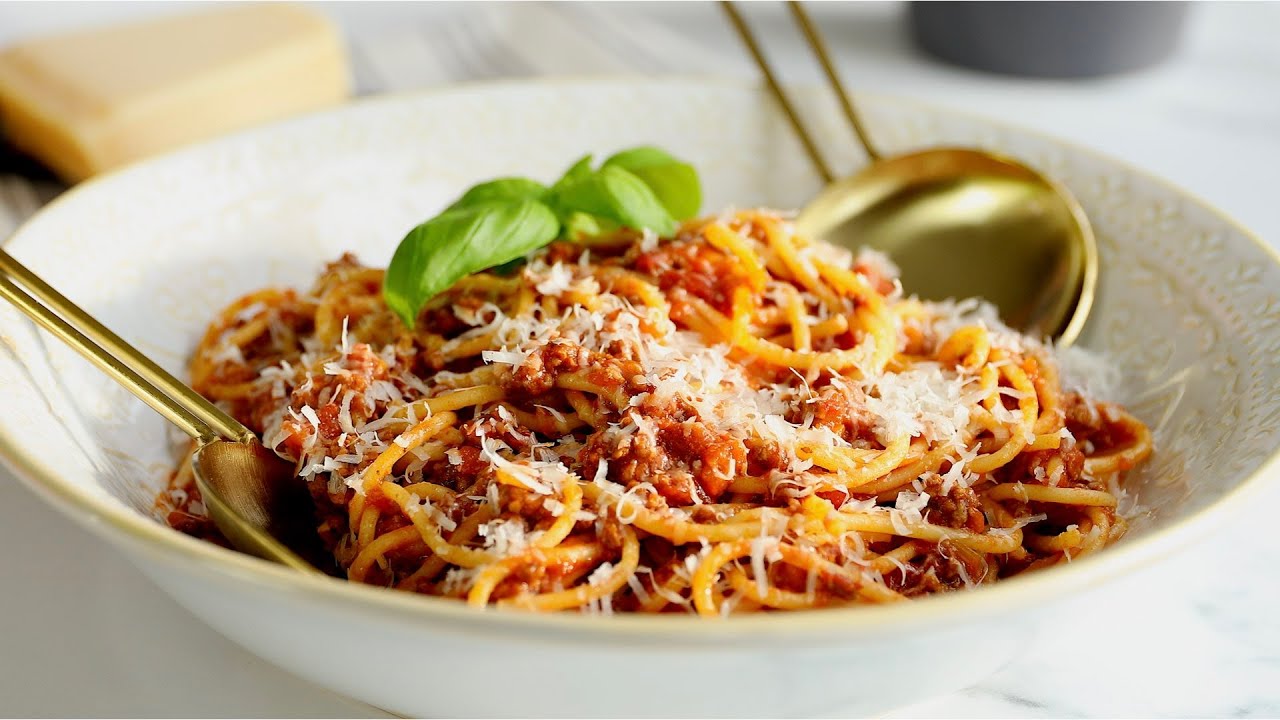
Pasta Bolognese Recipe: Bolognese sauce, known in Italy as “Ragù alla Bolognese,” is a rich, hearty meat sauce originating from the city of Bologna. Unlike other tomato-based pasta sauces, traditional Bolognese is meat-dominant, slow-cooked, and layered with deep, savory flavors. It’s not your typical red spaghetti sauce; instead, it’s a luxurious blend of ground meat, aromatic vegetables, wine, tomatoes, and milk or cream, slowly simmered to bring out its full-bodied taste.
This sauce is comfort food at its best. When you think of a cozy Italian meal, Bolognese is often the first dish that comes to mind. It pairs beautifully with thick pasta like tagliatelle, fettuccine, or pappardelle, but it’s also commonly served with spaghetti in many Western households.
Its origins may be humble, but the flavor is anything but. The secret to an authentic Bolognese isn’t just the ingredients—it’s the technique. Taking your time to develop layers of flavor is what separates a mediocre sauce from a mind-blowing one.
Why This Recipe Works
This step-by-step guide isn’t just about following a list of instructions. It’s about understanding the “why” behind each step so you can cook like a pro. We’ve tested and refined this recipe to strike the perfect balance between rich meatiness and bright acidity, delivering a sauce that clings to your pasta and satisfies every bite.
What sets this Bolognese recipe apart is its simplicity paired with traditional Italian cooking techniques. No complicated ingredients or fancy gadgets—just good food made with care. It’s beginner-friendly, yet delivers gourmet-level results.
Whether you’re cooking for a cozy dinner at home, meal prepping for the week, or trying to impress someone special, this Bolognese sauce will not disappoint.
Ingredients You’ll Need
Essential Ingredients
To create a classic and flavorful Bolognese, you’ll need the following key ingredients:
- Ground beef (or a mix of beef and pork): 500g (1 lb)
- Onion: 1 medium, finely chopped
- Carrots: 2 small, finely diced
- Celery stalks: 2, finely diced
- Garlic cloves: 3, minced
- Crushed tomatoes: 400g (14 oz) can
- Tomato paste: 2 tablespoons
- Red wine: ½ cup (optional, but highly recommended)
- Whole milk or cream: ½ cup
- Olive oil: 2 tablespoons
- Salt and black pepper: to taste
- Bay leaf: 1
- Dried oregano and thyme: ½ teaspoon each
- Fresh basil or parsley: for garnish
These are the backbone of any proper Bolognese. The soffritto (onion, carrot, celery) forms the flavor base. The combination of beef and pork adds depth, while the milk tenderizes the meat and smooths out acidity from the tomatoes.
Optional Add-ins for Extra Flavor
While the essentials give you a fantastic Bolognese, here are some optional additions to elevate the dish:
- Pancetta or bacon: for an extra layer of umami
- Mushrooms: chopped and sautéed for a more earthy flavor
- Parmesan rind: tossed into the pot during simmering
- Chili flakes: for a subtle kick
- Nutmeg: just a pinch, for a subtle warmth
Feel free to mix and match based on what’s in your pantry or your personal taste preferences. Bolognese is forgiving—it’s about building flavor slowly and deliberately.
Kitchen Tools Required
Must-Have Cooking Tools
To make this recipe smooth and enjoyable, gather these tools before you begin:
- Large, heavy-bottomed pot or Dutch oven: Ideal for slow simmering without burning.
- Wooden spoon or spatula: For stirring the sauce gently.
- Sharp knife and cutting board: Essential for finely dicing vegetables.
- Measuring cups and spoons: Accuracy matters, especially for seasonings and liquids.
- Colander: For draining the pasta once it’s cooked.
A good pot makes a world of difference when cooking Bolognese. You want something that distributes heat evenly and maintains a steady simmer without sticking.
Helpful Extras for Convenience
While not strictly necessary, these tools can speed things up or enhance your cooking:
- Food processor: Speeds up the veggie chopping, especially if you’re making a large batch.
- Garlic press: If you’re not into mincing garlic by hand.
- Tongs: For transferring pasta from pot to sauce without draining completely.
- Ladle: To help mix pasta water into the sauce for better emulsification.
Having everything within reach keeps your workflow efficient, especially during the critical sautéing stages when timing matters.
Step-by-Step Instructions
Step 1: Preparing the Ingredients
Before you turn on the stove, do all your prep work. Trust us, it makes the cooking process so much smoother.
- Dice your onion, carrot, and celery as finely as possible. This mix is known as a soffritto and it’s crucial to the base flavor.
- Mince the garlic finely or use a garlic press.
- Measure out your wine, tomatoes, and milk so you’re not scrambling mid-recipe.
- If using pancetta or mushrooms, prep them now too.
Having your mise en place (everything in its place) not only saves time but keeps your kitchen experience stress-free. Plus, finely chopped veggies melt into the sauce better, giving you that luxurious, restaurant-style texture.
Step 2: Cooking the Aromatics
Now it’s time to build the flavor base. This is where your kitchen will start to smell incredible.
- Heat olive oil in your large pot over medium heat.
- Add the diced onion, carrot, and celery. Cook gently for 8–10 minutes until the vegetables are softened and translucent.
- Stir frequently to prevent browning. You want the vegetables to sweat and become tender, not burn or caramelize.
- Add in the minced garlic and stir for another minute until fragrant.
This stage lays the groundwork for the depth of flavor that defines Bolognese. Take your time here—don’t rush. The soffritto should almost melt into the base, not sit in chunks. If you’re using pancetta or bacon, now is the time to add it and cook until the fat renders.
Season lightly with salt and pepper to start layering in the flavor.
Step 3: Browning the Meat
Next up: browning the meat. This is a crucial step in creating that rich, meaty taste.
- Add your ground beef or meat mixture to the pot. Use a spoon or spatula to break it up into small crumbles.
- Cook until browned all over, about 10–12 minutes.
- Don’t stir constantly. Let the meat sit for a minute or two between stirs so it gets some nice browning and caramelization on the edges.
- As the meat cooks, you’ll notice fat and liquid being released. You can drain some of the excess fat if it seems too much, but keep a bit in for flavor.
This is where the umami magic starts to happen. That deep, brown crust on the meat is full of savory flavor that will carry through the whole sauce. Browning also helps remove excess moisture, which gives the sauce a more concentrated, luxurious finish.
If using mushrooms, add them in now and cook for 5 minutes until softened.
Step 4: Deglazing and Adding Liquids
Once your meat is nicely browned, it’s time to bring in the liquid elements and build the sauce.
- Pour in the red wine, scraping up any brown bits from the bottom of the pot. These bits, called fond, are flavor gold.
- Let the wine simmer for about 5 minutes until it reduces by half. This step cooks off the alcohol and intensifies the flavor.
- Stir in the tomato paste and let it cook for 2 minutes to caramelize slightly.
- Add the crushed tomatoes, bay leaf, and a pinch of oregano and thyme.
Mix everything well and reduce the heat to low.
This stage is about layering acidity and sweetness. The wine adds complexity, while the tomato paste deepens the flavor. The herbs bring a subtle aroma that makes the sauce feel warm and homey.
Some people add a touch of sugar here to balance the acidity—totally optional, depending on your tomatoes and taste.
Step 5: Simmering to Perfection
This is the heart of the Bolognese process. Great flavor takes time—and simmering is where the transformation happens.
- Reduce the heat to a low simmer and partially cover the pot.
- Let the sauce cook for at least 1.5 to 2 hours, stirring occasionally.
- Add whole milk or cream halfway through the simmering process. This mellows the acidity and gives the sauce a velvety finish.
- If the sauce gets too thick, add a splash of water or broth to loosen it up.
During this time, your sauce will thicken, deepen in color, and develop an incredibly rich taste. It’s a slow dance of flavors marrying together—the meat, the aromatics, the herbs, and the tomatoes all becoming one.
You’ll know it’s done when it’s thick, saucy, and clings to a spoon without being runny.
Step 6: Cooking the Pasta
You’re in the home stretch now! Let’s get that pasta cooked just right.
- Bring a large pot of salted water to a boil.
- Cook your pasta al dente according to the package instructions. Tagliatelle, pappardelle, or even spaghetti all work great.
- Reserve ½ cup of the pasta water before draining.
Don’t skip salting the water—it’s your only chance to season the pasta itself. Cooking al dente means the pasta will still have a slight bite, which pairs beautifully with a hearty sauce like Bolognese.
Want to take it up a notch? Instead of draining the pasta fully, transfer it directly from the pot into the sauce using tongs or a slotted spoon. That way, some of the starchy water comes along for the ride and helps the sauce cling better.
Step 7: Combining and Serving
Now for the most satisfying part—bringing it all together.
- Add the drained or transferred pasta directly into the pot of simmered Bolognese.
- Toss everything gently to coat the pasta in the sauce. If it seems too thick, add a little of the reserved pasta water to loosen it up.
- Let it simmer together for 1–2 minutes so the flavors fully marry.
Finish with a generous sprinkle of grated Parmesan cheese and freshly chopped basil or parsley for a pop of color and freshness.
Serve hot with a side of crusty bread, a simple salad, or even a glass of red wine if you’re feeling fancy.
This final step is all about synergy. The pasta absorbs the sauce, the sauce thickens with the starch, and the result is a bowl of pure comfort that tastes like it took all day to make (because it kinda did—and it was worth every minute).
Tips for the Perfect Bolognese
Common Mistakes to Avoid
Even simple recipes can go wrong without a few helpful heads-ups. Here are common pitfalls to steer clear of:
- Rushing the process: This sauce needs time. Shortcuts kill the flavor.
- Skipping the mirepoix (soffritto): This veggie base is non-negotiable—it adds essential depth.
- Not browning the meat properly: Browning builds flavor. Gray, steamed meat? No thanks.
- Over-seasoning early: Season lightly at first. Let it simmer, then adjust at the end.
- Boiling instead of simmering: A slow simmer melds the flavors; boiling can break them down.
Patience really pays off with Bolognese. Don’t be tempted to rush any of the steps. Every phase adds something important to the final product.
Flavor Enhancing Tricks
If you want to go from good to gourmet, try these extra tips:
- Use a Parmesan rind: Toss it in during the simmer and fish it out before serving.
- Deglaze with white wine instead of red: Gives a slightly different but still delicious flavor.
- Simmer uncovered for the last 30 minutes: This thickens the sauce naturally.
- Add a pat of butter before serving: Richness and shine in one move.
Remember, Bolognese is about layering flavor over time. Small tweaks and additions can make a big difference when done intentionally.
Variations and Substitutions
Vegetarian Bolognese Option
Want to go meatless? No problem! Bolognese can still be rich and hearty without the meat. Here’s how:
- Swap ground meat with lentils, mushrooms, or plant-based meat crumbles.
- Use vegetable broth instead of any meat-based stock.
- Add soy sauce or miso paste for a boost of umami.
- Stick to the same soffritto base, wine, and tomato components.
Lentils mimic the texture of ground meat surprisingly well, especially when combined with finely chopped mushrooms. This version is filling, flavorful, and packed with fiber—perfect for vegetarians and even meat-lovers who want a lighter option.
Gluten-Free Adaptation
Need to avoid gluten? Easy.
- Use gluten-free pasta such as rice pasta, chickpea pasta, or gluten-free tagliatelle.
- Double-check your tomato paste, broth, and wine to make sure they’re certified gluten-free.
- For thickening, avoid flour-based additives. This recipe doesn’t need them anyway.
Gluten-free doesn’t mean flavor-free. With a few mindful swaps, you can enjoy all the richness of classic Bolognese without the gluten crash.
Storing and Reheating Leftovers
One of the best things about Bolognese is that it tastes even better the next day.
- Store any leftovers in an airtight container in the fridge for up to 4 days.
- To reheat, warm the sauce gently on the stove with a splash of water or broth.
- You can also microwave it, but stir it halfway through to heat evenly.
Want to make a big batch and freeze it? Go for it.
- Bolognese sauce freezes beautifully for up to 3 months.
- Portion it into freezer-safe bags or containers. Lay them flat to save space.
- Thaw overnight in the fridge and reheat gently on the stove.
This makes Bolognese the ultimate meal prep champion. Cook once, eat many times. It’s like getting a warm Italian hug from your freezer on a rainy day.
FAQs about Pasta Bolognese Recipe
1. Can I make Bolognese sauce in advance?
Yes! It actually tastes better after a day in the fridge. Just reheat slowly on the stove and enjoy.
2. Is Bolognese the same as meat sauce?
Not exactly. Bolognese is thicker, creamier, and typically uses milk or cream. It’s more complex than standard meat sauce.
3. What pasta works best with Bolognese?
Tagliatelle, pappardelle, or any wide noodle is ideal. Spaghetti works too if that’s what you have.
4. Can I use ground turkey or chicken?
Absolutely. Just keep in mind these meats are leaner, so you might need to add more oil or butter for richness.
5. How do I make it spicy?
Add chili flakes or a touch of cayenne when cooking the aromatics. You can also stir in a spoonful of chili paste at the end.
Conclusion
There’s something timeless and heartwarming about a good Pasta Bolognese. It’s not just about feeding your stomach—it’s about satisfying your soul. From the first chop of vegetables to the final sprinkle of cheese, every step in this recipe is a celebration of slow, mindful cooking.
This Bolognese isn’t just dinner—it’s an experience. A ritual. A reminder that some things are worth waiting for. Whether you’re feeding a crowd or just treating yourself, this recipe delivers every time.
So next time you’re craving comfort food, skip the takeout. Tie on an apron, open a bottle of wine, and let this rich, savory sauce simmer its way into your kitchen—and your heart.