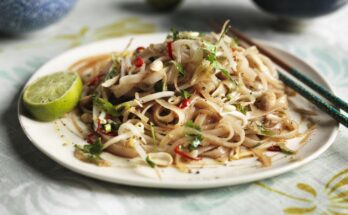
Nasi Goreng Recipe: Nasi Goreng, which translates literally to “fried rice” in Indonesian, is far more than just a basic rice dish. It’s a flavor-packed, aromatic, and slightly smoky meal that embodies the essence of Southeast Asian street food. What makes Nasi Goreng special is its savory blend of sweet soy sauce (kecap manis), garlic, shallots, chilies, and often a touch of shrimp paste, all stir-fried with day-old rice to perfection. The result? A bold, umami-rich dish that’s both comforting and exciting.
This dish is versatile—served for breakfast, lunch, or dinner. Whether you add chicken, shrimp, a fried egg on top, or just keep it simple with veggies, it never fails to satisfy. The smoky flavor, often referred to as “wok hei,” is key and comes from high-heat cooking, which caramelizes the sauces and ingredients into the rice beautifully.
History and Cultural Significance
Nasi Goreng has deep roots in Indonesian culture and is considered the national dish of Indonesia. It reflects a fusion of Chinese cooking techniques with local ingredients and flavors. Historically, it was a way to use up leftovers, especially rice, to avoid food waste. Over time, it evolved into a beloved comfort food enjoyed across Southeast Asia.
Every family in Indonesia might have its own version of Nasi Goreng, passed down through generations. From high-end restaurants to roadside warungs (food stalls), this dish remains a staple that brings people together. It has even gained international fame, with chefs around the world experimenting and putting their own spin on it.
Ingredients Needed
Main Ingredients
To make authentic Nasi Goreng, you’ll need a handful of basic yet flavor-rich ingredients. Here’s what goes into a classic version:
- Cooked rice (preferably day-old rice for better texture)
- Garlic – 3 to 4 cloves, minced
- Shallots – 2 small, finely chopped
- Red chilies – 1 or 2, thinly sliced (adjust to taste)
- Sweet soy sauce (Kecap Manis) – 2 to 3 tablespoons
- Salt and pepper – to taste
- Vegetable oil – for stir-frying
- Eggs – 2, one mixed into the rice and one fried for topping
- Protein of choice – chicken, shrimp, tofu, or beef (optional)
- Scallions or spring onions – chopped, for garnish
These basic ingredients are what make Nasi Goreng instantly recognizable. Kecap Manis is a must—it gives the rice a unique sweet-savory depth and caramel color.
Optional Add-ons for Extra Flavor
Depending on your taste or what’s in your fridge, you can customize the dish further:
- Shrimp paste (terasi or belacan) – for deeper umami
- Vegetables – such as carrots, green beans, or cabbage
- Crispy shallots or fried onions – for crunch
- Cucumber and tomato slices – served on the side for freshness
- Pickled vegetables (Acar) – a classic Indonesian side dish
By mixing and matching these extras, you can create a version of Nasi Goreng that’s entirely your own.
Tools and Equipment Required
Essential Cooking Tools
Making Nasi Goreng at home doesn’t require fancy gear. Here’s what you’ll need:
- Wok or large frying pan – for even high-heat cooking
- Spatula or wooden spoon – for stirring and tossing the rice
- Sharp knife and chopping board – for prepping aromatics and vegetables
- Small bowls – for organizing your prepped ingredients
If you have a carbon steel wok, even better! It adds that authentic “wok hei” or smoky flavor from high-heat stir-frying.
Tips for Preparation Efficiency
Before you turn on the stove, prep everything first. Dice the aromatics, chop the vegetables, and have the sauces measured out and ready to go. Once the wok gets hot, things move fast, and there’s no time to fumble.
Another tip? Don’t overcrowd the wok. Cook in batches if needed, especially if you’re making a large quantity. This prevents the rice from steaming and keeps the texture perfectly fried.
Preparing the Ingredients
Cooking the Rice in Advance
The secret to great Nasi Goreng lies in the rice itself. Freshly cooked rice tends to be too moist and sticky, which can lead to a soggy final dish. Day-old rice is ideal because it’s drier and firmer, making it perfect for frying.
To prep your rice:
- Cook your rice a day before, spread it on a tray or plate, and let it cool completely.
- Store it in the refrigerator uncovered or lightly covered overnight.
- Break up any clumps with your hands or a fork before frying.
If you’re in a rush, cook rice in the morning, spread it thin on a baking tray, and pop it into the fridge for a couple of hours to dry out.
Prepping the Meats and Vegetables
Choose your protein—chicken, beef, tofu, or shrimp—and cut it into small, bite-sized pieces. Season lightly with salt and pepper. For vegetables, go with what you like or have on hand. Dice them uniformly for even cooking.
Some common options:
- Carrots – diced
- Cabbage – shredded
- Green beans – chopped
- Bell peppers – thinly sliced
Keep all your prepped ingredients in small bowls, mise en place style. This keeps your cooking process smooth and stress-free.
Step-by-Step Cooking Instructions
Step 1: Preparing the Sauce Base
The flavor of Nasi Goreng starts with a robust sauce base. This is where the umami magic happens. To prepare the sauce base:
- Mix 2 tablespoons of Kecap Manis, 1 tablespoon of regular soy sauce, and a pinch of salt and pepper in a small bowl.
- Optionally, add 1 teaspoon of shrimp paste (terasi) for an authentic umami boost.
- Stir until well combined and set aside.
This sweet and salty mixture will later coat every grain of rice with that iconic flavor and rich caramel color. The shrimp paste, though optional, adds a punchy, earthy flavor that elevates the dish to the next level. If you’ve never tried it, give it a shot—it’s a game-changer.
Step 2: Sautéing the Aromatics
Now it’s time to bring the aroma to life.
- Heat 2 tablespoons of vegetable oil in a wok or large pan over medium-high heat.
- Add the chopped garlic, shallots, and chilies.
- Stir-fry for 1-2 minutes until fragrant and golden.
Be careful not to burn the garlic. Stir constantly and adjust the heat if needed. This step is crucial—the sizzling aromatics lay the foundation for all the flavors that follow. Your kitchen will start smelling amazing, and that’s how you know you’re on the right track.
If you’re using shrimp paste, this is when you add it in. Stir it into the aromatics for about 30 seconds until it dissolves and blends into the oil.
Step 3: Cooking the Meat and Veggies
Now let’s build the body of the dish.
- Add your protein—whether it’s sliced chicken, beef, shrimp, or tofu—to the wok.
- Cook until browned and fully cooked through, about 3-5 minutes depending on your choice of protein.
- Next, toss in the vegetables. Start with harder veggies like carrots and green beans, then add softer ones like cabbage last.
- Stir-fry everything for another 2-3 minutes.
Everything should be cooked but still have a bit of crunch. Don’t overdo it. The goal is to keep the dish lively, colorful, and full of texture.
Step 4: Adding the Rice and Seasoning
Here’s where it all comes together.
- Add the cold, day-old rice to the wok.
- Break up any clumps and stir to mix with the meat and veggies.
- Pour the sauce base over the rice and stir-fry vigorously.
Use a spatula to press down and flip the rice, making sure every grain is coated evenly. You’ll notice the rice taking on a deep brown color and a rich sheen from the sauce. The rice should sizzle as it hits the hot wok, adding a subtle smokiness.
Keep stir-frying for 3-5 minutes until everything is evenly mixed and heated through. The rice should be dry, not wet or mushy. Taste and adjust seasoning if needed—maybe a splash more soy sauce or a pinch of salt.
Step 5: Final Touches and Garnishing
To finish off:
- Push the rice to one side of the wok and crack in an egg.
- Scramble it in the empty space until just set, then mix it into the rice.
- Alternatively, fry an egg separately and place it on top of the finished dish for that classic presentation.
Garnish with chopped scallions, crispy shallots, and sliced cucumbers or tomatoes on the side. Want more heat? Serve with sambal oelek or chili sauce.
You now have a fragrant, flavor-packed Nasi Goreng that’s ready to devour. Whether you’re serving it for breakfast or dinner, it’s a complete, satisfying meal.
Serving Suggestions
What to Serve with Nasi Goreng
While Nasi Goreng is often eaten as a standalone meal, pairing it with the right sides can elevate the experience:
- Fried egg – A sunny-side-up egg with a runny yolk is a must-have topping.
- Fried chicken or satay skewers – For a heartier plate.
- Acar (pickled vegetables) – Adds tang and cuts through the richness.
- Krupuk (prawn crackers) – A crunchy contrast that’s wildly addictive.
- Sambal or chili sauce – For those who like it hot.
Serve with a wedge of lime on the side for a refreshing citrus zing. It balances out the richness of the dish beautifully.
Presentation Tips
Presentation matters—even with comfort food. Here are some tips:
- Use a shallow bowl or plate to showcase the layers of ingredients.
- Place the fried egg neatly on top.
- Garnish with scallions and crispy onions for texture and color.
- Add fresh cucumber and tomato slices along the edges for brightness and visual appeal.
Eating with your eyes first makes the experience even more enjoyable!
Variations of Nasi Goreng
Vegetarian Nasi Goreng
If you’re looking for a meat-free version, you’re in luck—Nasi Goreng is incredibly adaptable. A vegetarian version is just as rich and satisfying when done right. Simply remove the meat and seafood elements and replace them with hearty, flavorful plant-based alternatives.
Here’s how to do it:
- Use tofu or tempeh as your main protein. Cube and pan-fry it until golden for added texture.
- Load up on vegetables. Great options include mushrooms (especially shiitake for umami), bok choy, peas, bell peppers, spinach, or even corn.
- Use vegetarian-friendly Kecap Manis (check the label for fish sauce) and soy sauce.
- Add toasted cashews or peanuts for extra crunch and protein.
To keep that smoky depth of flavor, make sure to cook at high heat and don’t skip the garlic, shallots, and chilies. You can even use a dash of vegetarian oyster sauce or hoisin sauce for more punch.
Don’t forget to top your vegetarian Nasi Goreng with a fried egg (if you’re not vegan), a sprinkle of sesame seeds, and some spring onions. For a vegan twist, skip the egg or use a plant-based substitute.
Nasi Goreng with Seafood or Chicken
If you’re a meat lover, the classic versions featuring seafood or chicken are absolute crowd-pleasers.
For Seafood Lovers:
- Shrimp is the go-to ingredient. Clean and devein before stir-frying.
- You can also add squid rings or flaked crab meat.
- Sear seafood quickly to avoid rubbery textures—just 2–3 minutes on high heat.
For Chicken Fans:
- Use boneless, skinless chicken thighs for the best flavor and juiciness.
- Slice thinly or cube for faster cooking.
- Marinate in soy sauce and a bit of garlic before cooking for extra flavor.
Want to go all out? Combine both for a surf-and-turf version. Just cook the chicken first, then add the seafood later to avoid overcooking.
Tips and Tricks for the Best Nasi Goreng
Common Mistakes to Avoid
Even though Nasi Goreng is simple at its core, a few missteps can dull its magic. Here are some common mistakes—and how to avoid them:
- Using freshly cooked rice – This will turn your dish mushy. Always use day-old, cold rice for the best texture.
- Skipping high heat – Medium or low heat won’t caramelize the sauce and ingredients. Crank up the heat and work fast.
- Overcrowding the wok – This causes steaming instead of stir-frying. If making a big batch, cook in two rounds.
- Too much soy sauce – Drowning the rice can overpower the delicate balance. Use sauces sparingly, and taste as you go.
- Not prepping ahead – The cooking process moves fast. Have everything chopped and measured before turning on the stove.
Flavor Enhancing Secrets
Want to take your Nasi Goreng from good to restaurant-quality? Try these tricks:
- Add a splash of fish sauce or oyster sauce for more umami.
- Use butter instead of oil for a richer taste.
- Incorporate a bit of caramelized onion or brown sugar for depth.
- Add a squeeze of lime juice at the end for brightness and balance.
- Include anchovy paste or sambal for a bold kick.
For that unbeatable street-food taste, use a seasoned carbon-steel wok and cook over an open flame if you can. The wok hei (breath of the wok) is what gives it that authentic charred essence.
FAQs about Nasi Goreng Recipe
Can I make Nasi Goreng with brown rice?
Absolutely! Brown rice adds a nutty flavor and more fiber. Just make sure it’s cooked and cooled thoroughly before using, as it tends to hold more moisture.
Is Nasi Goreng spicy?
It can be—but doesn’t have to be. Traditional versions use red chilies, but you can adjust the heat level to your liking or omit chilies altogether.
How do I store leftover Nasi Goreng?
Let it cool completely, then store it in an airtight container in the fridge. It stays good for up to 3 days. Reheat in a pan for best results.
Can I freeze Nasi Goreng?
Yes, Nasi Goreng freezes well. Portion it into freezer-safe containers and store for up to a month. Reheat directly from frozen or let it thaw overnight in the fridge.
What kind of soy sauce should I use?
Sweet soy sauce (Kecap Manis) is essential. For extra depth, mix with regular light soy sauce or dark soy sauce depending on your taste.
Conclusion
Nasi Goreng isn’t just another fried rice dish—it’s a celebration of flavors, textures, and culinary heritage. Whether you’re whipping it up for a quick weeknight dinner or impressing guests at a weekend gathering, this dish delivers every single time. With just a few simple ingredients, a hot wok, and a love for bold flavors, you can transform plain rice into a masterpiece that’ll have everyone asking for seconds.
The best part? It’s endlessly customizable. From the protein you choose to the level of spice, Nasi Goreng welcomes your creativity. So, roll up your sleeves, fire up that wok, and enjoy every aromatic, flavorful bite of this Indonesian treasure.