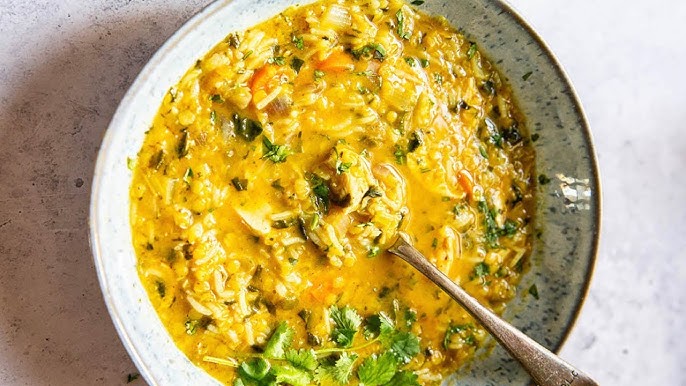
Mulligatawny Soup Recipe: Ever heard of a soup that’s part British, part Indian, and 100% delicious? That’s Mulligatawny for you! This unique dish blends the rich spices of Indian cuisine with hearty British comfort food elements. The name “Mulligatawny” comes from the Tamil words milagu (pepper) and tanni (water), literally translating to “pepper water.” But don’t be fooled—it’s not just spicy broth. It’s a hearty, flavorful soup packed with layers of taste from spices, vegetables, meat, and often rice or lentils.
Mulligatawny soup is the kind of dish that makes you close your eyes after the first spoonful—it’s warm, aromatic, slightly spicy, and oh-so-satisfying. It’s perfect for cold days, meal prep Sundays, or when you just want something that’s out of the ordinary.
What makes it special is its flexibility. Whether you’re a meat lover, vegetarian, or following a gluten-free diet, you can tweak this recipe and make it yours. It’s more than just a soup—it’s a whole meal in a bowl.
The Origins of Mulligatawny Soup
The story behind Mulligatawny is just as rich as its flavor. This soup originated in South India during the British colonial period. British officers in India craved a soup course similar to what they had back home. In response, local cooks adapted a traditional peppery water broth called milagu tanni by adding meat, rice, and vegetables to cater to British tastes.
Over time, Mulligatawny evolved into a fusion dish—part Indian spice, part British comfort. Today, it’s popular worldwide, especially in the UK and North America, with countless variations to match regional tastes and dietary needs. You’ll find it on restaurant menus and home kitchens alike, often alongside naan or crusty bread.
Now that we’ve covered its delicious roots, let’s dive into how you can whip up this magical soup in your kitchen.
Ingredients Needed
Main Ingredients
You don’t need to raid a specialty store to make Mulligatawny soup. Most of the ingredients can be found in your pantry or at a local supermarket. Here’s a solid base to get started:
- Protein: Chicken breast or thighs (or use lentils for vegetarian)
- Vegetables: Onion, carrot, celery, apple (yes, apple!)
- Grains: Cooked white rice or basmati
- Fat: Butter or ghee
- Liquid: Chicken or vegetable broth
- Spices: Curry powder, turmeric, cumin, cinnamon, salt, pepper
- Creaminess: Coconut milk or heavy cream
- Aromatics: Garlic and ginger
The apple might surprise you, but it adds a hint of sweetness that balances the spices beautifully. And coconut milk makes everything luscious and smooth, while curry powder provides that signature warmth and depth.
Optional Add-ins and Substitutions
Want to make it your own? Go ahead! Mulligatawny is incredibly forgiving. Here are some great swaps and additions:
- Vegetarian/Vegan: Skip the chicken, use lentils or chickpeas, and go for vegetable broth.
- Gluten-Free: The recipe is naturally gluten-free, just double-check the broth ingredients.
- More Veggies: Add bell peppers, zucchini, or spinach for a veggie boost.
- Spice Level: Add fresh chili or chili flakes if you want more heat.
- No Coconut? Use cream or a mix of yogurt and milk for richness.
Think of this soup as a canvas—start with the basics, and add whatever ingredients you love or need to use up. That’s the beauty of home cooking!
Preparation Steps
Step 1: Preparing the Ingredients
Before you light up the stove, let’s get everything ready. Good prep is the secret sauce to a smooth cooking process. Start by chopping your vegetables finely. Dice one medium onion, two carrots, two celery stalks, and one apple (preferably green for a tart twist). Peel and mince three garlic cloves and about an inch of fresh ginger.
For the protein, cube about 1 pound of chicken breast or thighs into bite-sized pieces. If you’re going vegetarian, rinse and sort ¾ cup of red lentils or prep a can of chickpeas.
Measure out your spices and set them aside—1 tablespoon curry powder, 1 teaspoon turmeric, ½ teaspoon cumin, ½ teaspoon cinnamon, salt, and pepper to taste.
Also, cook about 1 cup of white or basmati rice ahead of time. Mulligatawny is best with already cooked rice—it saves time and ensures the rice doesn’t get mushy later.
Having everything prepped and within arm’s reach makes the cooking process not only faster but also more enjoyable.
Step 2: Sautéing Aromatics
Now let’s turn up the heat—literally! In a large soup pot or Dutch oven, heat 2 tablespoons of butter or ghee over medium heat. Once melted, toss in the diced onion, garlic, and ginger. Sauté until the onion is translucent and the kitchen starts smelling like heaven—this usually takes about 5-7 minutes.
Next, stir in the spices: curry powder, turmeric, cumin, and cinnamon. Toasting these spices for a minute or two brings out their oils and deepens the flavor profile. You’ll notice a transformation in the aroma—it gets richer and slightly nutty, a telltale sign you’re on the right track.
This base is the foundation of your Mulligatawny. Take your time here. Let the flavors layer themselves like a good song—slow, deliberate, and building up to something amazing.
Step 3: Cooking the Base
Once the aromatics and spices are perfectly sautéed, it’s time to build the body of the soup. Add the chopped carrots, celery, and apple. Stir well to coat the veggies with the spice mixture, letting them soften slightly—about 5 minutes.
Now, pour in about 4 cups of chicken or vegetable broth. Stir to combine and bring everything to a gentle boil. Once boiling, reduce the heat and let it simmer for about 10-15 minutes so the veggies can fully soften and the flavors start to mingle.
At this point, the soup will look and smell like a warm hug in a pot. You’ll notice how the apple adds a subtle sweetness that cuts through the earthiness of the spices. It’s a beautiful balance of savory and sweet, and we’re just getting started.
Step 4: Adding Protein and Veggies
Now it’s time to introduce the chicken. If you’re using raw chicken, add it now and let it cook in the simmering soup for 10-15 minutes until tender. If you’re using pre-cooked or shredded rotisserie chicken, add it in the last 5 minutes of cooking to heat through without drying out.
Vegetarian route? Stir in the lentils now and let them cook until tender—usually around 20 minutes. Canned chickpeas? Just rinse and toss them in 5-10 minutes before the soup is done.
Keep stirring occasionally and check for seasoning. Add more salt or a dash of pepper if needed. If the soup looks too thick, splash in a bit more broth or water. Too thin? Let it simmer a little longer uncovered.
Step 5: Final Touches and Simmering
Once your protein is cooked and your veggies are fork-tender, it’s time for the finishing touches. Stir in ½ to 1 cup of coconut milk depending on how creamy you like it. Want it even richer? Add a tablespoon of cream or a spoonful of yogurt for that extra silkiness.
Now, gently fold in the cooked rice. Be careful not to stir too aggressively so the grains don’t break apart. Let everything simmer together for another 5-10 minutes, allowing all those amazing flavors to come together.
Do one final taste test. Want more warmth? Add a pinch of cayenne. A squeeze of lemon at the end can brighten the whole dish if it feels a bit heavy.
Once it’s ready, turn off the heat and let it sit for 5 minutes before serving. Mulligatawny soup is best enjoyed when it’s had a moment to breathe—it allows the flavors to mellow and deepen.
Serving Suggestions
What to Serve With Mulligatawny Soup
Mulligatawny soup is rich and filling on its own, but pairing it with the right side dish can elevate your meal to a whole new level. The most classic pairing? Fresh, warm naan or roti. These soft flatbreads are perfect for scooping up every last bit of soup. You can even toast them slightly with a brush of garlic butter to really impress your taste buds.
If you prefer something more Western-style, crusty French bread or sourdough is a great companion. Toasted with a little olive oil or served plain, it provides that crunchy contrast to the creamy soup.
Craving something a bit lighter? A simple cucumber or tomato salad with lemon vinaigrette works beautifully to cleanse the palate between bites.
For a heartier meal, you can serve Mulligatawny alongside a bowl of steamed basmati rice or even a plate of grilled vegetables. If you’re having guests over, pair the soup with some Indian-style appetizers like samosas or pakoras. These bite-sized treats add an extra layer of fun and texture to the meal.
Want to make it a dinner party winner? Add a dollop of yogurt on top of each serving and sprinkle some fresh chopped cilantro or mint for a burst of freshness.
Garnishing Ideas
A well-garnished soup isn’t just beautiful—it’s more flavorful and exciting to eat. Mulligatawny lends itself to so many garnish options that you can switch it up every time you serve it.
Here are a few favorites:
- Fresh Herbs: Chopped cilantro or mint adds a cool, fresh pop.
- Toasted Nuts: A few slivered almonds or cashews give a nice crunch and a nutty depth.
- Yogurt or Cream Swirl: A drizzle of yogurt, coconut cream, or even heavy cream adds richness and contrast.
- Lemon Wedge: Serving it with a lemon wedge allows each person to adjust the brightness to their taste.
- Chili Oil or Hot Sauce: For spice lovers, a drop of chili oil on top makes the heat customizable.
Garnishing isn’t just about looks—it enhances the flavor and adds a little excitement with every bite.
Storage and Reheating Tips
How to Store It
One of the best things about Mulligatawny soup? It tastes even better the next day. That makes it a perfect candidate for batch cooking and meal prep.
Let the soup cool completely before transferring it to an airtight container. It’ll keep well in the fridge for up to 4-5 days. If your soup has rice in it, you might notice it thickens over time as the rice absorbs the liquid. No problem—just stir in a little water or broth before reheating.
Want to freeze it? Go ahead, but with a small tweak. For best results, freeze the soup without the rice (rice tends to get mushy after freezing). Store in freezer-safe containers or heavy-duty freezer bags, and it should stay fresh for up to 3 months.
Label it with the date so you don’t lose track. When you’re ready to enjoy it again, thaw overnight in the fridge or gently reheat on the stovetop.
Reheating Without Losing Flavor
Reheating Mulligatawny soup is easy, but you’ll want to do it gently to preserve the taste and texture.
Stovetop Method: Pour the soup into a saucepan and warm it over low to medium heat. Stir occasionally to ensure it heats evenly and doesn’t stick to the bottom. If the soup is too thick, add a splash of broth or water.
Microwave Method: Place your soup in a microwave-safe bowl. Cover it loosely to avoid splatters and heat in 1-minute increments, stirring in between. Add a bit of water if it thickens too much.
To freshen things up, you can add a little extra coconut milk, a squeeze of lemon juice, or a sprinkle of herbs just before serving. That’ll make it taste like you just made it fresh.
Nutritional Value and Health Benefits
Mulligatawny soup doesn’t just taste amazing—it’s also packed with nutrients that do wonders for your body. Whether you’re watching your diet, boosting immunity, or simply trying to eat more wholesome foods, this soup checks a lot of boxes.
1. Protein-Packed Goodness
If you’re using chicken or lentils, Mulligatawny becomes a powerhouse of protein. Protein helps repair tissues, build muscles, and keeps you full for longer, making it a perfect choice for lunch or dinner.
2. Rich in Vitamins and Minerals
The mix of vegetables—carrots, celery, onions, and apples—means you’re getting a wide range of nutrients like Vitamin A, Vitamin C, potassium, and fiber. Apples also bring in antioxidants and a mild sweetness that enhances the flavor without adding refined sugar.
3. Anti-Inflammatory Spices
Turmeric, ginger, and garlic are known for their anti-inflammatory and immune-boosting properties. These spices not only elevate the flavor but also support overall health, especially in colder months when colds and flu are more common.
4. Gut-Friendly Fiber
Thanks to veggies and optionally lentils, Mulligatawny soup is high in dietary fiber. Fiber keeps your digestion smooth, helps in detoxifying your system, and even aids in maintaining healthy cholesterol levels.
5. Heart-Healthy Fats
Using coconut milk adds a creamy texture, but it also introduces healthy fats that support brain function and heart health. If you opt for ghee or olive oil, you’re adding another layer of healthy fat to the mix.
6. Gluten-Free & Customizable
Naturally gluten-free and easy to adapt to various dietary needs—this soup is safe for celiac patients and those with gluten sensitivities. Skip the cream or use plant-based milk for a fully vegan option.
All this, and it still feels like a comfort meal? That’s what makes Mulligatawny soup a winner on every level—flavor, health, and satisfaction.
FAQs about Mulligatawny Soup Recipe
1. Can I make Mulligatawny soup vegetarian?
Absolutely! Just skip the chicken and replace it with red lentils or chickpeas. Use vegetable broth instead of chicken broth, and you’ll have a hearty, flavorful vegetarian version.
2. How spicy is Mulligatawny soup?
It’s mildly spicy, with warmth from curry powder and turmeric. You can always dial up the heat with chili flakes or tone it down by using less spice. It’s all customizable to your taste.
3. Can I freeze Mulligatawny soup?
Yes! Just be sure to freeze it without the rice to avoid sogginess. Store in airtight containers and freeze for up to 3 months. Thaw and reheat with fresh rice when ready.
4. What’s the best rice for this soup?
Basmati rice is a popular choice due to its aromatic nature and fluffy texture. However, white rice or even brown rice works well too. Just make sure it’s pre-cooked before adding.
5. Is Mulligatawny soup gluten-free?
Most traditional recipes are naturally gluten-free. Just double-check your broth or spice blends to ensure there’s no hidden gluten.
Conclusion
Mulligatawny soup is one of those timeless recipes that perfectly balances comfort and complexity. It’s a rich fusion of Indian spices and British heartiness, crafted into a warm, creamy bowl of joy. Whether you stick to the traditional chicken version or switch it up with lentils for a vegan twist, this soup delivers bold flavor, satisfying texture, and a whole lot of personality.
It’s perfect for cozy weeknights, meal prepping, or impressing guests at your next dinner party. Plus, with easy-to-find ingredients and flexible cooking methods, anyone can make a delicious pot of Mulligatawny from scratch—no fancy tools or culinary degree needed.
So go ahead—grab your favorite pot, fill your kitchen with the aroma of simmering spices, and serve up some soul-soothing soup that brings people together with every spoonful.