Mexican Pinto Beans Recipe: Pinto beans are at the heart of traditional Mexican cuisine. Their creamy texture and earthy flavor make them a versatile ingredient that pairs well with everything from tacos to burritos, or even enjoyed on their own. These humble legumes have stood the test of time, becoming a beloved comfort food across many Latin American households.
But what really makes Mexican pinto beans stand out? It’s all about the flavor built up from simple ingredients: garlic, onion, cumin, bay leaves, and a touch of chili. Whether served whole or refried, this dish delivers that deep, satisfying taste of home-cooked Mexican food.
Aside from their rich flavor, pinto beans are budget-friendly, filling, and packed with nutrients. They’re a fantastic protein source for vegetarians and offer a healthy dose of fiber, iron, magnesium, and antioxidants.
So, if you’ve never made them from scratch, you’re in for a treat. Let’s dive into how to make authentic Mexican pinto beans, step by step, right from your kitchen.
Why Pinto Beans Are a Staple in Mexican Cuisine
Pinto beans (or “frijoles pintos”) are more than just a side dish—they’re a core component of Mexican culinary tradition. Generations have passed down family recipes, with each household adding its own twist. You’ll find them featured in tacos, enchiladas, burritos, tamales, and even soups.
One of the reasons they’re so common is accessibility. Pinto beans are inexpensive, easy to grow, and store well when dried. In rural parts of Mexico, pots of beans often simmer on the stove all day, filling the home with a comforting aroma.
In many Mexican homes, beans are not only nourishment but also a symbol of tradition. They’re typically served with rice (known as “arroz y frijoles”), forming a complete, hearty meal that’s loaded with energy and sustenance.
Nutritional Value of Pinto Beans
Let’s talk health. Pinto beans are a powerhouse of nutrition. A single cup of cooked beans provides:
- About 15 grams of protein
- Nearly 15 grams of fiber
- Only 1 gram of fat
- A good dose of iron, potassium, magnesium, and folate
The high fiber content supports digestion and helps regulate blood sugar levels. Their low fat and high protein content make them ideal for weight management. Plus, they’re heart-healthy—thanks to their antioxidant compounds, which fight inflammation and lower cholesterol.
And guess what? Pinto beans are naturally gluten-free and vegan. Whether you’re a health nut or just trying to eat more home-cooked meals, these beans check all the boxes.
Ingredients You’ll Need
To make the perfect pot of Mexican pinto beans, start with quality ingredients. Most of these are pantry staples, so you might already have them on hand.
Traditional Ingredients:
- 2 cups dried pinto beans
- 6 cups water (or enough to cover beans by 2 inches)
- 1 small white onion, halved
- 3 cloves garlic, peeled
- 1 teaspoon ground cumin
- 2 bay leaves
- Salt (to taste)
Optional Add-ins for More Flavor:
- 1-2 dried chili peppers (like ancho or guajillo)
- 1 tablespoon olive oil or bacon fat (for extra richness)
- Fresh cilantro
- Chopped tomatoes
- Ham hock or pork bones (for a smoky, meaty flavor)
The best part? You can adjust the ingredients to your taste. Want it spicier? Add some jalapeños. Want it richer? Stir in a spoonful of lard or butter at the end.
Soaking Pinto Beans – Overnight or Quick Soak?
Here’s a debate among bean lovers: to soak or not to soak?
Overnight Soak (Recommended):
- Rinse your beans under cold water.
- Place them in a large bowl and cover with plenty of water.
- Let sit for at least 8 hours or overnight.
Quick Soak Method:
- Rinse the beans and place them in a pot with water.
- Bring to a boil for 2 minutes.
- Remove from heat, cover, and let sit for 1 hour.
Soaking softens the beans, reduces cooking time, and helps reduce bloating by removing some of the indigestible sugars. If you forget to soak them—no worries! Just expect to simmer them longer.
Rinsing and Cleaning Tips
Before cooking any dried beans, always rinse and sort them. Why?
Because dried beans can carry dirt, small stones, or other debris from harvesting. You don’t want any surprises in your dish.
Here’s how to do it:
- Spread the beans out on a baking tray and check for stones or discolored beans.
- Rinse thoroughly under cold running water using a fine-mesh sieve or colander.
- If you soaked them, rinse again after draining the soak water.
This little extra effort pays off. Clean beans taste better, cook more evenly, and are safer to eat.
Cooking Methods
Now that your beans are clean and soaked, it’s time to cook them! There are several methods you can use, and each brings out a slightly different texture and flavor. Whether you prefer the old-school stovetop approach or the convenience of an Instant Pot, these methods will get you the delicious results you’re after.
Stovetop Method
This is the most traditional method—and for many, the most flavorful. Cooking beans low and slow allows all the ingredients to meld into a rich, hearty pot.
How to cook pinto beans on the stovetop:
- Drain and rinse your soaked beans.
- Place them in a large pot with water (about 6 cups for 2 cups of beans).
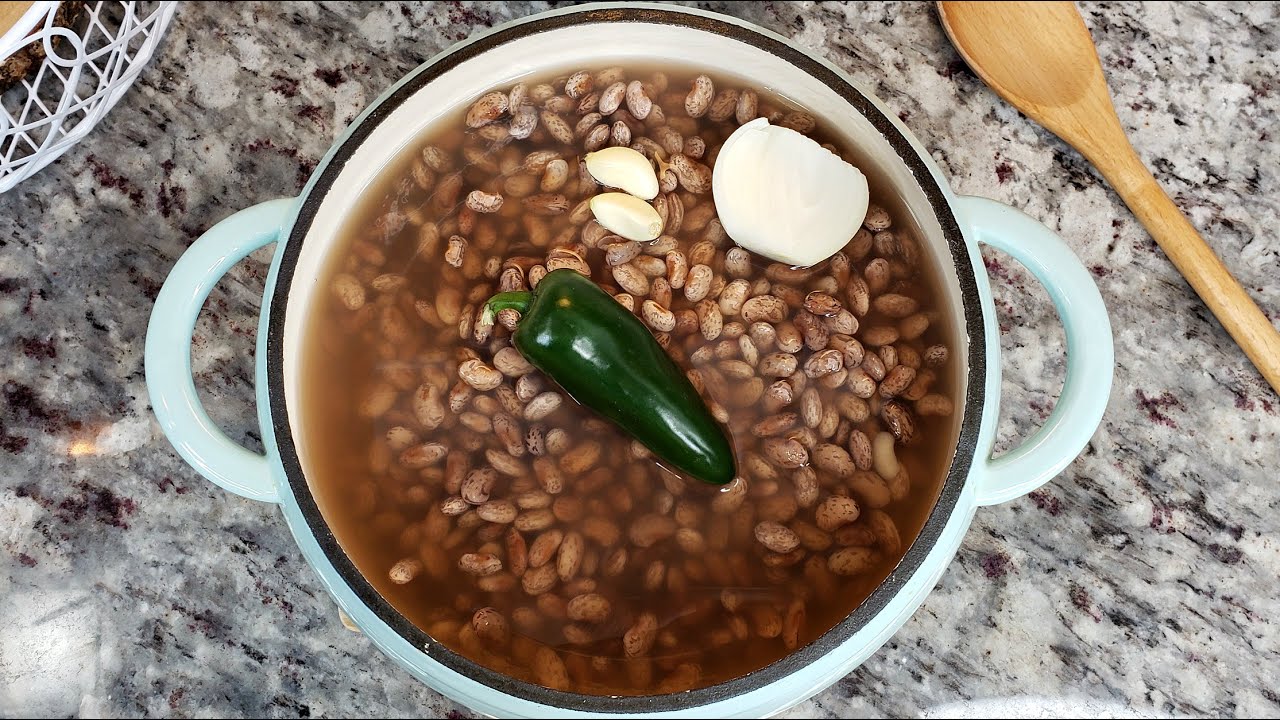
- Add onion, garlic, cumin, bay leaves, and any other flavorings.
- Bring the pot to a boil, then reduce the heat to low.
- Simmer uncovered for 1.5 to 2.5 hours, stirring occasionally and checking for doneness.
Pro tips:
- Don’t add salt until the beans are nearly done; salting too early can toughen them.
- Add more water if the beans soak it up too quickly.
- Once tender, season generously and serve or mash for refried beans.
This method fills your kitchen with a comforting aroma and produces creamy, flavorful beans perfect for any Mexican dish.
Slow Cooker Method
If you love set-it-and-forget-it meals, the slow cooker is your best friend. It’s perfect for busy days when you want a warm, home-cooked meal ready by dinner.
Steps:
- Add soaked and rinsed beans to your slow cooker.
- Cover with water and add all your aromatics.
- Set on LOW for 6–8 hours or HIGH for 3–4 hours.
Slow-cooked pinto beans have an incredibly soft texture and deep flavor. It’s a foolproof method and requires minimal attention. Just stir occasionally and taste for seasoning near the end.
Bonus: You can use the leftover liquid (called “pot liquor”) as a soup base. It’s full of flavor and nutrients.
Instant Pot Method
Need beans fast? The Instant Pot is a game-changer. It cuts down cooking time significantly without sacrificing flavor or texture.
Instructions:
- Add soaked beans, aromatics, and water to the pot.
- Lock the lid and set the valve to sealing.
- Cook on high pressure for 25–30 minutes.
- Allow a natural release for 15 minutes, then quick release any remaining pressure.
You’ll get perfectly tender beans in under an hour, making this the go-to method for weeknight meals. It’s also energy-efficient and retains more nutrients than boiling.
Step-by-Step Recipe Instructions
Alright, let’s walk through the entire recipe from start to finish. This is your go-to guide for making the ultimate Mexican pinto beans.
Step 1: Gather and Prep Ingredients
Preparation is key to a smooth cooking experience. Gather your ingredients and measure everything out before you begin. You’ll need:
- 2 cups dried pinto beans (soaked overnight)
- 6 cups water
- 1 small onion (halved or chopped)
- 3 garlic cloves (smashed)
- 1 tsp cumin
- 2 bay leaves
- Salt (to taste)
- Optional: jalapeño, bacon fat, cilantro, tomato, dried chilis
Chop the aromatics and get your beans rinsed and ready. Having everything prepped will make the cooking process quicker and more enjoyable.
Step 2: Soak and Rinse the Beans
This step is crucial for digestibility and even cooking. After soaking the beans overnight:
- Drain the soaking water.
- Rinse thoroughly under cold water.
- Set aside to add to your pot.
This removes excess starch and helps get rid of the compounds that cause gas. Skipping this step can lead to longer cooking times and tougher beans.
Step 3: Cook with Aromatics
Now, let the flavor-building begin.
In your pot or cooker:
- Add soaked beans and water.
- Toss in onion, garlic, cumin, and bay leaves.
- Optional: Add a dash of olive oil or a small piece of bacon for richness.
- Bring to a boil, then reduce to a gentle simmer.
Simmer gently so the beans don’t burst open too soon. Let those aromatics infuse their magic—it’s what turns plain beans into a deeply flavorful side dish or main course.
Step 4: Simmer and Season
This is where the beans reach their peak.
- Continue simmering gently until the beans are creamy and tender.
- Around the 90-minute mark, start checking for doneness.
- Add salt once beans are nearly cooked (about 1 to 1.5 tsp for 2 cups beans).
- If desired, add extra spices like smoked paprika, chili powder, or oregano.
The beans should be soft but not mushy, with just a slight bite. Adjust the seasoning to your liking—Mexican beans should be bold and savory.
Step 5: Serve and Enjoy
Once the beans are tender and flavorful, remove from heat. Take out the bay leaves and garlic cloves if you prefer a smoother texture.
Serving Ideas:
- As a side with rice and grilled meats
- Inside burritos or tacos
- Topped with cheese and hot sauce
- Blended into refried beans
Add fresh cilantro, a squeeze of lime, or diced tomatoes right before serving for a pop of freshness.
Serving Suggestions
Mexican pinto beans are delicious on their own, but they also pair beautifully with a wide variety of dishes. Their rich, savory flavor makes them a perfect side, base, or even main component of your meal. Let’s explore a few ways to serve and enjoy them.
Pairing Ideas
Here are some tried-and-true pairing ideas that will elevate your meal:
- With Mexican Rice: The classic combo—”arroz y frijoles”—offers a complete, plant-based protein meal.
- In Burritos: Spoon beans into a warm tortilla with rice, salsa, cheese, and avocado for the ultimate comfort food.
- As a Taco Topping: Use whole beans or lightly mashed beans in tacos alongside meat or grilled veggies.
- On Tostadas: Spread refried beans on a crispy tortilla and top with lettuce, tomatoes, crema, and cheese.
- As a Soup Base: Blend some of the beans with broth for a hearty, warming bean soup or stew.
- With Grilled Meats: Serve alongside carne asada, chicken tinga, or pork carnitas for a full Mexican plate.
Don’t be afraid to get creative—pinto beans are flexible and forgiving. They absorb flavors beautifully and complement just about any savory dish.
Storing and Reheating Tips
Made too much? Don’t worry—pinto beans store and reheat wonderfully.
Storage:
- Let beans cool to room temperature.
- Store in an airtight container in the refrigerator for up to 5 days.
- Keep the beans in their cooking liquid to retain moisture and flavor.
Freezing:
- Freeze in portions (1–2 cups) with some liquid in freezer-safe containers or bags.
- Label with the date—beans keep well for up to 3 months.
Reheating:
- Reheat on the stovetop over medium heat until warm.
- Add a splash of water or broth to loosen if they’ve thickened.
- Microwave in a covered dish for 2–3 minutes, stirring halfway through.
Beans often taste even better the next day after the flavors have had time to meld. That’s a win-win for meal prep and busy weeknights.
Common Mistakes to Avoid
Cooking pinto beans is simple, but a few common mistakes can affect the outcome. Avoiding these errors will ensure your beans turn out perfect every time.
Overcooking or Undercooking
Getting the cooking time just right is essential. Undercooked beans are tough and unpleasant, while overcooked beans become mushy and fall apart.
Tips:
- Keep a close eye on the pot in the final hour.
- Test a few beans by pressing them between your fingers or tasting them.
- Use fresh dried beans—older beans take longer and may not cook evenly.
Not Seasoning Properly
Underseasoned beans are bland, no matter how long you cook them.
Tips:
- Add salt only after the beans are mostly cooked to avoid tough skins.
- Don’t be shy with garlic, onion, and cumin.
- Taste as you go and adjust the flavor near the end of cooking.
Seasoning is what transforms your beans from basic to irresistible. Don’t skip this crucial step.
FAQs about Mexican Pinto Beans Recipe
Q1: Can I use canned pinto beans instead of dried?
Yes! If you’re short on time, canned beans work well. Just rinse and drain them before using. They’re already cooked, so you’ll only need to heat and season them.
Q2: How long do cooked pinto beans last in the fridge?
Cooked beans last about 4–5 days when stored in an airtight container in the refrigerator. Keep them in their cooking liquid to retain flavor and moisture.
Q3: Are pinto beans healthy for weight loss?
Absolutely! They’re low in fat, high in protein, and packed with fiber—which helps you feel full longer. They also support digestion and stable blood sugar levels.
Q4: Can I freeze cooked pinto beans?
Yes, they freeze beautifully. Let them cool completely, then portion into freezer-safe containers. Add some of the cooking liquid to prevent drying out.
Q5: What can I do if my beans are still hard after cooking?
If beans are still tough, they may be old or need more cooking time. Continue simmering and check periodically. You can also add a pinch of baking soda to help soften them faster.
Conclusion and Final Tips
Cooking Mexican pinto beans from scratch is a rewarding process that yields rich, hearty, and flavorful results. Whether you enjoy them as a side, blend them into refried beans, or include them in your favorite Mexican dishes, they’re sure to become a staple in your kitchen.
With just a handful of ingredients and a bit of patience, you can create a dish that’s not only nourishing and budget-friendly but also absolutely delicious. From stovetop to slow cooker to Instant Pot, each method gives you different textures and experiences—but all lead to that comforting, authentic Mexican flavor.
Final Tips:
- Always use fresh dried beans for the best texture and taste.
- Season generously—but do it at the right time.
- Customize with your favorite herbs, spices, or proteins.
Happy cooking—your next favorite meal starts with a simple pot of pinto beans.