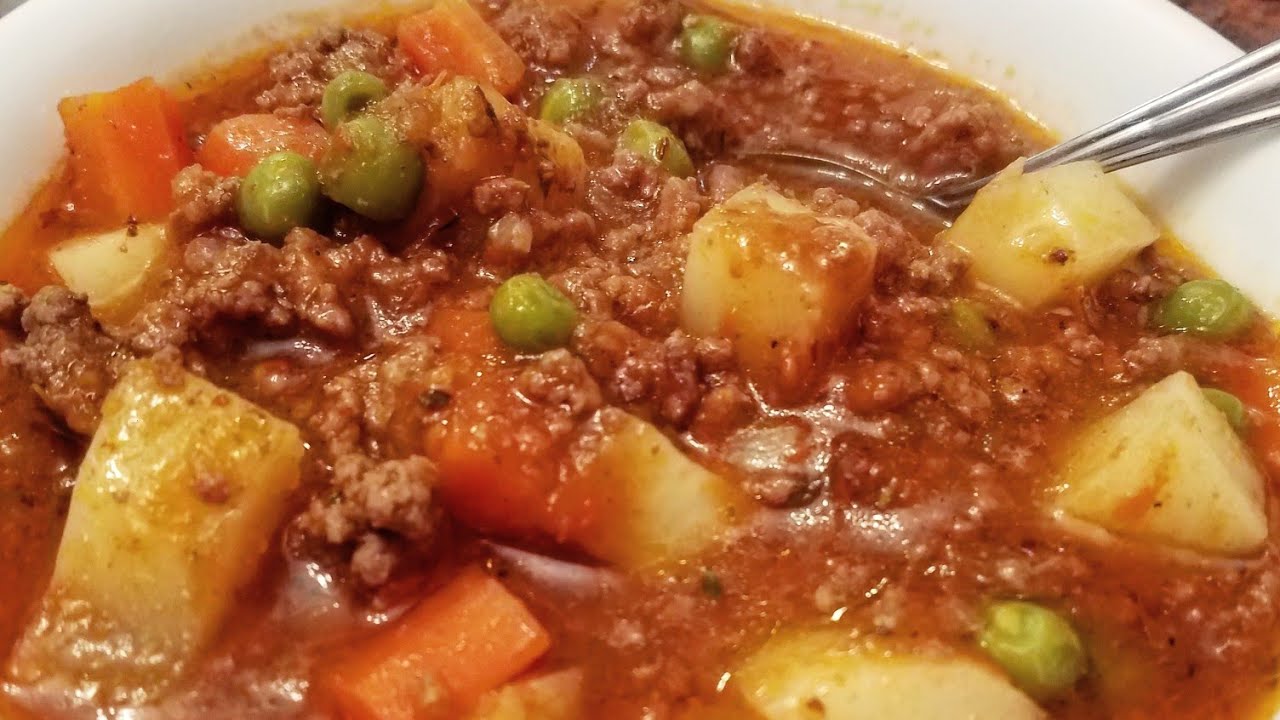
Mexican Picadillo Recipe: Picadillo is a hearty and comforting dish that’s as versatile as it is delicious. Imagine a flavorful blend of ground meat, tomatoes, spices, and vegetables all simmered together into a savory stew—that’s Mexican picadillo in a nutshell. Originating from the Spanish word “picar,” which means to mince or chop, picadillo typically features finely chopped ingredients cooked to perfection.
In Mexico, this dish holds a special place in home kitchens and family dinners. While the exact ingredients may vary by region and personal taste, the essence remains the same: a humble, affordable, and incredibly tasty meal that can be served in a variety of ways. Think tacos, burritos, empanadas, or even as a main dish with rice—picadillo is all that and more.
But it’s not just about convenience. What makes picadillo stand out is its balance of textures and flavors—soft potatoes, juicy meat, and the gentle acidity of tomatoes coming together in a rich, spiced broth. It’s a dish that tells a story of tradition and practicality, passed down through generations.
Cultural Significance of Picadillo in Mexican Cuisine
In Mexico, picadillo is more than just comfort food—it’s a culinary staple. It’s one of those dishes that brings families together around the table, often made in big batches to share during family gatherings or holidays. While you’ll find picadillo versions in countries like Cuba and the Philippines, the Mexican take has its own flair: typically less sweet, more earthy, and often featuring potatoes and carrots for heartiness.
Many Mexican households have their own cherished version of the recipe. Some include peas, olives, or even raisins (though the latter is more common in Cuban-style picadillo). It reflects the adaptability of the dish—affordable, flexible, and deeply rooted in home-style cooking. Whether served in tacos, over rice, or used as stuffing, Mexican picadillo continues to be a go-to meal that never fails to satisfy.
Ingredients Needed for Mexican Picadillo
Essential Ingredients
To make authentic Mexican picadillo, you don’t need anything fancy. The ingredients are simple, everyday items you likely already have in your pantry and fridge. Here’s what you’ll need:
- 1 lb ground beef – Preferably lean, but any variety works.
- 1 small white onion, finely chopped.
- 2 cloves garlic, minced.
- 2 medium tomatoes, chopped or 1 cup canned diced tomatoes.
- 2 medium potatoes, peeled and cubed.
- 1 large carrot, diced.
- Salt and pepper, to taste.
- 1 teaspoon cumin – Adds that signature earthy aroma.
- 1 teaspoon oregano – Preferably Mexican oregano for authenticity.
- 1 bay leaf – Optional but adds depth.
- 1 tablespoon cooking oil – For sautéing.
These ingredients form the foundation of the dish. You’ll be amazed how such simple elements come together to create a richly flavorful meal.
Optional Add-Ins for Extra Flavor
Want to add your own twist to the classic recipe? Here are some optional ingredients you can experiment with:
- Green peas – Add a pop of color and sweetness.
- Chopped green bell peppers – For an added veggie crunch.
- Raisins – For a touch of sweetness (though more common in Cuban variations).
- Green olives or capers – For a salty, briny punch.
- Jalapeños or chipotle in adobo – To turn up the heat.
- Tomato sauce or paste – For a richer, deeper tomato base.
These variations can elevate your picadillo to new heights or help you customize it to your family’s taste preferences.
Preparing for Cooking
Kitchen Tools You’ll Need
Before you get cooking, make sure you’ve got your tools ready to go. Mexican picadillo doesn’t require anything fancy, but here’s what helps:
- Large skillet or sauté pan – You’ll need plenty of space for all the ingredients to cook evenly.
- Cutting board and sharp knife – For prepping your veggies.
- Wooden spoon or spatula – To stir the mixture without breaking the veggies too much.
- Measuring spoons – For your spices, though you can eyeball them if you’re confident.
- Lid for the skillet – Helps simmer the dish without drying it out.
Having everything laid out beforehand makes the process smooth and stress-free.
Tips Before You Start Cooking
Here are some pro tips to ensure your picadillo turns out perfect:
- Prep all ingredients first: Picadillo comes together quickly, so chop everything ahead of time.
- Use fresh ingredients: Fresh tomatoes, garlic, and onions will give a more vibrant flavor than their canned or powdered counterparts.
- Keep the potatoes small: Smaller cubes cook faster and absorb more flavor.
- Don’t rush the simmering: Letting the mixture simmer allows the flavors to meld beautifully.
- Taste as you go: Adjust salt, pepper, and spices to suit your palate.
With all the ingredients and tools ready, you’re set to dive into the actual cooking part!
Step-by-Step Cooking Instructions
Step 1: Sauté the Aromatics
Start by heating a tablespoon of oil in a large skillet over medium heat. Once hot, toss in your finely chopped onion and garlic. This is where the magic begins. Sauté them for about 3–4 minutes or until the onions become translucent and the garlic releases that mouthwatering aroma. This step forms the flavor base for the entire dish, so don’t rush it.
If you’re using bell peppers or jalapeños, add them now so they can soften and infuse their flavor into the oil. You’ll notice a fragrant, savory base starting to form, which will perfectly complement the meat and vegetables added later. Stir occasionally to prevent anything from sticking or burning.
Getting this part right ensures that every bite of your picadillo has that foundational savory kick. It’s simple but crucial—like laying the concrete for a sturdy, flavorful house.
Step 2: Brown the Ground Beef
Next, it’s time to introduce the ground beef. Push the onions and garlic to one side of the skillet and add the beef directly into the hot pan. Break it up with your wooden spoon or spatula, spreading it out so it cooks evenly.
Cook the beef until it’s no longer pink—this usually takes around 6–8 minutes. As it browns, mix it with the sautéed onions and garlic to let those flavors mingle. You might see some liquid in the pan; you can drain a bit off if it looks too greasy, but don’t remove all of it—that fat carries flavor.
Add your cumin, oregano, salt, and pepper at this point. Stir it all together, coating the meat in spices. Browning the meat is essential because it adds depth and a slightly crispy texture, making your picadillo far more satisfying than simply boiling ground beef in tomato sauce.
Step 3: Add Tomatoes and Simmer
Once the meat is browned and seasoned, stir in your chopped tomatoes or canned diced tomatoes. If you’re going for a richer base, add a tablespoon of tomato paste or a small can of tomato sauce here too.
Let everything simmer for about 5–7 minutes. The tomatoes will start to break down, blending into the meat and creating a savory, slightly tangy sauce. If you’re using bay leaves, toss them in now.
As the sauce thickens, it will cling to the beef, forming the signature base of Mexican picadillo. Stir occasionally and lower the heat slightly if things start to stick. You can add a splash of water or broth if it becomes too thick.
This simmering step allows the meat and sauce to harmonize, enhancing both flavor and texture. It’s like the moment in a band rehearsal when everyone finally hits the same note—it just works.
Step 4: Mix in Potatoes and Other Veggies
Now it’s time to bulk things up. Add your diced potatoes and carrots to the skillet. If you’re using peas or other quick-cooking veggies, save them for later so they don’t get mushy.
Pour in about 1/2 cup of water or beef broth—just enough to help the vegetables cook without drying out the pan. Give everything a good stir, cover the skillet, and let it simmer on low heat for 15–20 minutes. Stir occasionally to make sure nothing sticks and everything cooks evenly.
You’ll know it’s ready when the potatoes and carrots are fork-tender and the sauce has thickened slightly. Taste and adjust your seasoning—maybe a pinch more salt, a dash more cumin, or a hit of black pepper.
This is where picadillo truly transforms from a meat dish to a hearty stew-like meal. The starchiness from the potatoes thickens the sauce naturally, and the veggies soak up all those glorious spices.
Step 5: Season and Cook Until Tender
Once all the ingredients are in, this final cooking phase is about refining the flavor and getting the perfect texture. Remove the lid and let the picadillo simmer for another 5–10 minutes. This reduces the liquid slightly, allowing the sauce to cling better to the meat and vegetables.
If you opted for raisins or olives, now’s the time to add them. Stir them in and let everything cook together for a few more minutes. You’ll get sweet, salty, and savory in every bite.
The final product should be a thick, flavorful mixture with perfectly tender meat and vegetables. Not soupy, not dry—just right. Turn off the heat and let it sit uncovered for 5 minutes. This allows the flavors to settle and makes the dish easier to serve.
Congratulations—you’ve just made an authentic Mexican picadillo that’s full of heart, soul, and mouthwatering flavor!
Serving Suggestions
Traditional Ways to Serve Picadillo
The beauty of Mexican picadillo is its versatility. Traditionally, it’s served in some of the most comforting ways imaginable:
- With white rice: A classic pairing that balances the savory richness of the picadillo.
- Inside tacos: Spoon it into warm corn tortillas and top with diced onions and cilantro.
- As a filling for chiles rellenos: Elevate your dinner game by stuffing poblano peppers with picadillo.
- Stuffed in empanadas: Perfect for a snack or lunch on the go.
- With a side of refried beans and warm tortillas: A full Mexican-style meal on one plate.
It’s a dish that works equally well for a quick weekday dinner or a festive family meal. Leftovers even taste better the next day—more reason to make a big batch!
Creative Twists and Pairings
Want to get a little adventurous? Try these creative serving ideas:
- Over baked sweet potatoes: The sweetness of the potato contrasts beautifully with the savory meat.
- On nachos: Layer it over tortilla chips, sprinkle with cheese, and broil until melty.
- With zoodles or cauliflower rice: A low-carb, high-flavor alternative.
- As a sandwich filling: Think sloppy joe, but way more flavorful.
- With fried plantains: A nod to Caribbean flavors, this pairing is sweet, savory, and totally satisfying.
Whether you stick to tradition or get creative, Mexican picadillo is incredibly adaptable. It’s like a culinary chameleon—delicious in any form you serve it.
Storage and Reheating Tips
How to Store Leftover Picadillo
One of the best things about Mexican picadillo is how well it stores. If you’ve made a big batch—intentionally or not—don’t worry. It keeps beautifully and can be used throughout the week in different meals.
To store, let the picadillo cool to room temperature. Then transfer it to an airtight container. You can refrigerate it for up to 4 days without any loss of flavor or texture. Make sure the container is sealed tightly to keep the moisture and aroma in while keeping other fridge odors out.
For longer storage, freezing is a great option. Use freezer-safe bags or containers. If using bags, lay them flat in the freezer to save space. Picadillo can last in the freezer for up to 3 months. Label the bags with the date so you’ll know how long they’ve been in there.
When you’re ready to enjoy it again, you’ll find that the flavors have deepened even more, making leftovers taste like an upgraded version of the original.
Best Practices for Reheating
When it comes to reheating, you’ve got a few options depending on how much time you have.
Stovetop method (best for flavor and texture): Add your leftovers to a pan with a splash of water or broth. Heat over medium-low, stirring occasionally, until everything is warmed through. This helps prevent drying out and ensures an even temperature.
Microwave method (quick and easy): Place your picadillo in a microwave-safe bowl, cover it with a lid or paper towel, and heat in 1-minute intervals. Stir between intervals to distribute the heat. Total time usually takes 2–3 minutes depending on portion size.
Oven method (for reheating large amounts): Place picadillo in an oven-safe dish, cover with foil, and heat at 350°F (175°C) for about 20 minutes. This is great if you’re reheating a family-size portion.
Avoid overcooking during reheating to maintain the best texture, especially for the veggies. If the sauce thickens too much, just stir in a little broth or water to loosen it up.
Nutritional Information
Calories and Macronutrients
Mexican picadillo is a balanced dish that provides a solid mix of protein, carbs, and fats. A typical serving (about 1 cup) includes approximately:
- Calories: 300–350 kcal
- Protein: 20–25g
- Carbohydrates: 20–30g
- Fat: 15–20g
- Fiber: 3–5g
These numbers can vary based on your specific ingredients. For instance, using lean beef or turkey can lower the fat content, while adding extra vegetables will bump up the fiber and vitamins.
It’s a well-rounded meal on its own, especially if served with rice or tortillas. The potatoes provide complex carbs, the beef supplies protein and iron, and the tomatoes and carrots add valuable vitamins like A and C.
Health Benefits of Key Ingredients
Let’s break down some of the nutritional benefits of the core components in picadillo:
- Ground beef: Packed with protein, zinc, and iron. Choose leaner cuts for a healthier option.
- Tomatoes: Rich in lycopene, a powerful antioxidant that supports heart health.
- Potatoes: Provide fiber, potassium, and vitamin C. Use red or Yukon gold for added nutrients.
- Carrots: Loaded with beta carotene, which is great for eyesight and immunity.
- Garlic and onion: Known for their anti-inflammatory and immune-boosting properties.
If you’re watching your intake, try swapping in ground turkey or adding more vegetables in place of some of the meat. You can also reduce the portion size and pair it with a large salad for a lighter meal.
FAQs about Mexican Picadillo Recipe
Can I use ground turkey instead of beef?
Absolutely! Ground turkey works great in this recipe. It’s leaner and still soaks up all the delicious flavors. Just be sure to add a little extra oil or broth if the mixture seems too dry while cooking.
How spicy is traditional picadillo?
Mexican picadillo isn’t typically spicy on its own. But you can easily add jalapeños, chipotle, or chili flakes to give it some heat. It’s totally customizable based on your spice tolerance.
Can I make it in advance?
Yes, and it actually tastes better the next day. Make a big batch and store it in the fridge or freezer. Just follow the reheating tips to bring it back to life with all its rich flavor.
What other vegetables can I use?
Feel free to toss in peas, corn, zucchini, or even spinach. This dish is incredibly flexible, and more veggies just mean more flavor and nutrition.
Is Mexican picadillo keto-friendly?
Not quite, because it usually contains potatoes and sometimes carrots. But you can easily make it keto by swapping those out for low-carb veggies like cauliflower or green beans.
Conclusion
Mexican picadillo is a dish that perfectly blends comfort, nutrition, and versatility. With just a handful of ingredients, you can create a meal that tastes like it came straight from your abuela’s kitchen. Whether you stick to the traditional version or put your own twist on it, this dish is bound to become a staple in your home.
From sautéing aromatics to simmering everything into a rich and hearty stew, each step adds a layer of flavor that makes picadillo irresistible. Serve it with rice, stuff it into tacos, or spoon it over a bed of greens—the possibilities are endless.
Plus, it’s make-ahead and freezer-friendly, making it a smart choice for meal preppers and busy families. With this step-by-step guide, you’re now fully equipped to make the best Mexican picadillo right in your own kitchen.