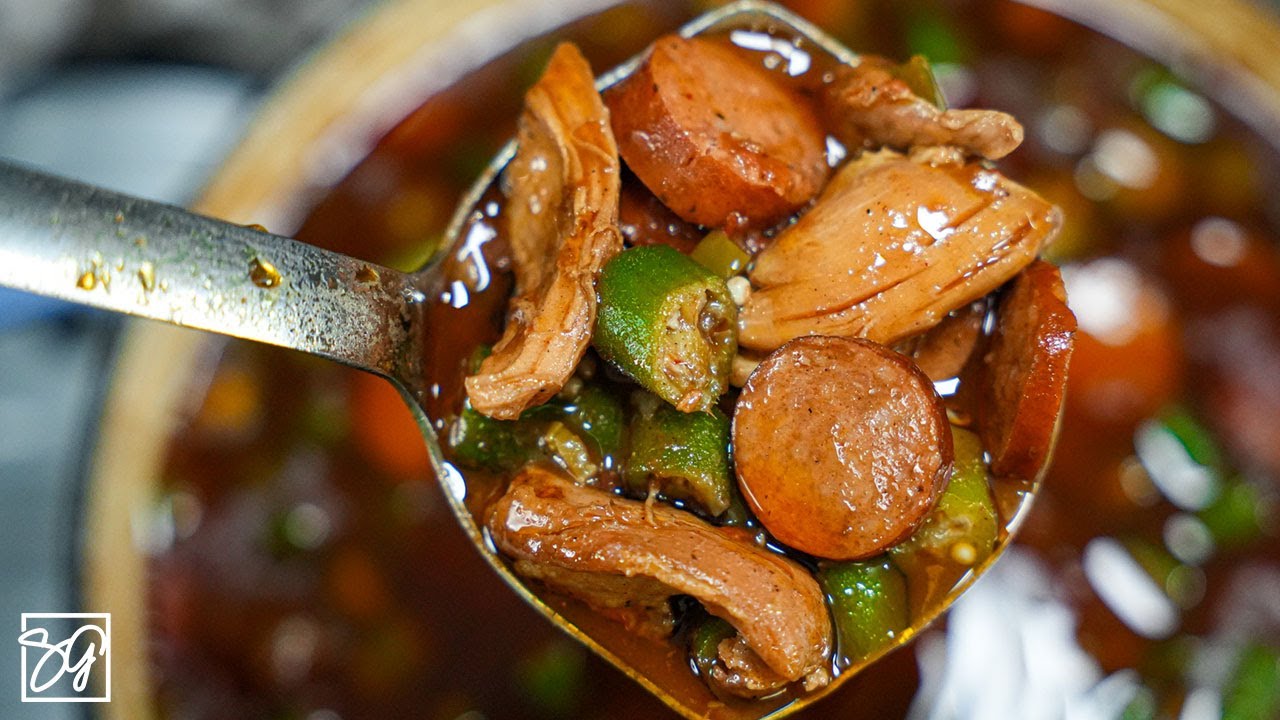
Louisiana Gumbo Recipe: Gumbo is not just a dish; it’s a rich, soulful embodiment of Louisiana’s culinary heritage. It’s a thick, flavorful stew that’s been warming hearts and bellies for generations in the American South. Typically served over rice, gumbo blends diverse cultures—African, French, Spanish, and Native American—into one savory, spicy pot of comfort food.
This iconic Southern dish can include various proteins like chicken, sausage, shrimp, or crab, and is often thickened with roux (a cooked mixture of flour and fat) and enriched with vegetables known as the “holy trinity”—onions, bell peppers, and celery. Whether you like it mild or blazing hot, every bowl of gumbo is a delicious, spicy adventure.
A Brief History of Gumbo
The origins of gumbo trace back to the 18th century in Louisiana. Its name likely comes from the West African word for okra, “ki ngombo.” Over the years, gumbo evolved with influences from the French (who brought roux), Spanish (who introduced peppers and tomatoes), and Native Americans (who used ground sassafras leaves called filé as a thickener).
What makes gumbo truly special is its diversity—every family in Louisiana seems to have its own recipe passed down through generations. Some gumbos are dark and rich with andouille sausage and roux; others are lighter and loaded with seafood. Regardless of the variation, gumbo is more than food—it’s a tradition.
Ingredients You’ll Need
Proteins – Chicken, Sausage, and Seafood
The beauty of gumbo lies in its flexibility. For a hearty, flavor-packed gumbo, you’ll want a combination of proteins:
- Chicken thighs or drumsticks: Bone-in, skin-on chicken pieces add depth to the stock.
- Andouille sausage: This spicy, smoky sausage is a gumbo staple.
- Seafood: Shrimp, crab, or crawfish add a briny sweetness and are especially popular in coastal Louisiana.
Pro Tip: Always sear the meats before adding them to your pot. This step locks in flavor and builds a richer base for your gumbo.
Vegetables and Aromatics
The vegetable base is essential for flavor. The holy trinity of Cajun cooking—onions, bell peppers, and celery—is non-negotiable, but you’ll also need:
- Garlic
- Scallions
- Parsley
- Tomatoes (optional, often used in Creole-style gumbo)
Each vegetable brings something to the table. The onions add sweetness, the bell peppers provide bite, and the celery gives that crisp aromatic touch.
Spices and Seasonings
To give your gumbo that classic Louisiana punch, you’ll need a pantry full of bold spices:
- Cajun or Creole seasoning
- Paprika
- Thyme
- Bay leaves
- Black pepper
- Cayenne pepper
- Salt
The heat level is adjustable, so don’t be afraid to taste as you go. Spice should elevate, not overwhelm.
The Holy Trinity of Cajun Cooking
In gumbo, the holy trinity (onion, celery, and green bell pepper) acts much like mirepoix in French cuisine. This trio is sautéed together and serves as the aromatic foundation of nearly every Cajun and Creole dish.
Here’s the breakdown:
- 1 part onion
- 1 part celery
- 1 part green bell pepper
For a classic gumbo flavor, this mix is sautéed until it’s soft, aromatic, and just starting to caramelize. The scent alone will make your kitchen smell like the heart of New Orleans.
Preparing the Roux – The Foundation of Gumbo
What is Roux?
Roux is the backbone of gumbo. It’s made by slowly cooking flour and oil together until it reaches a rich, chocolate-brown color. This deep, nutty roux adds color, body, and an unmistakably toasty flavor to your gumbo.
Think of it as the magic sauce that ties everything together—it’s that important.
Step-by-Step Instructions for Making a Perfect Roux
Making a roux isn’t hard, but it demands patience and attention:
- Combine equal parts oil and flour (e.g., ½ cup each) in a heavy-bottomed pot.
- Stir continuously over medium heat. Do not walk away! Roux can burn in seconds.
- Watch the color change slowly—from pale beige to golden, then to peanut butter brown, and finally to dark chocolate.
- Turn off the heat once the roux reaches a deep brown color. Keep stirring as it cools slightly.
The darker the roux, the deeper the flavor—but be careful. A burned roux is bitter and unusable, so stir like your gumbo depends on it (because it does).
Step-by-Step Cooking Process
Browning the Meats
Once your roux is ready, it’s time to build the body of your gumbo. First up: the proteins.
Start by searing your seasoned chicken pieces in a large pot or Dutch oven over medium-high heat. Let each side get nicely browned—this caramelization builds tremendous flavor. Once browned, remove the chicken and set it aside. Repeat this process with the andouille sausage slices. As they cook, they’ll release oils that flavor the pot further.
If you’re making a seafood gumbo, you’ll add your shrimp and crab toward the end of the cooking process. Seafood is delicate and doesn’t need as much cooking time as chicken or sausage. The goal here is layering flavors, step by step.
Once the meats are browned, you’ll have a glorious fond (those brown bits stuck to the bottom of the pot) that will make your gumbo sing with richness.
Sautéing the Vegetables
With the meats set aside, it’s time to turn your attention to the holy trinity. In the same pot with all that good fond, add the onions, bell peppers, and celery. Stir constantly to scrape up the browned bits on the bottom—this is where deep flavor hides.
After about 5–7 minutes, when the vegetables are softened and aromatic, toss in your minced garlic, chopped scallions, and a touch of tomato (if you’re going for the Creole version). Let everything cook together for another few minutes until the garlic is fragrant but not burnt.
If needed, add a splash of chicken broth to help deglaze the pot and pull up any remaining bits.
Combining Ingredients and Simmering
Now comes the magic moment when everything begins to come together.
- Slowly stir your dark roux into the sautéed vegetables.
- Gradually pour in the chicken or seafood stock, stirring to prevent lumps.
- Return your browned chicken and sausage to the pot.
- Add bay leaves, thyme, and Cajun or Creole seasoning to taste.
Bring the pot to a gentle boil, then reduce the heat and simmer uncovered for about 45 minutes to an hour. This gives the flavors time to meld and the meats to tenderize.
You can skim off any fat that rises to the top if you prefer a lighter dish, but many say that’s where the real flavor lies. Your call.
At this stage, the gumbo should already look and smell irresistible. The broth will thicken, the vegetables will soften into the mix, and you’ll be left with a deep, dark stew that tastes like Louisiana in a bowl.
Adding Seafood and Finishing Touches
If you’re using seafood, now’s the time to shine. Add your shrimp, crab, or crawfish to the gumbo during the last 10–15 minutes of cooking. Overcooked seafood turns rubbery fast, so keep a close eye.
This is also the perfect time to stir in chopped parsley and green onions for a fresh, herbaceous pop.
If you’re using file powder (ground sassafras leaves), sprinkle a teaspoon into the pot just before serving. File adds an earthy flavor and helps thicken the gumbo. Some folks prefer to let each person sprinkle file in their own bowl—it’s up to you.
Finally, taste and adjust your seasoning. Add salt, pepper, or hot sauce if needed. Your gumbo should be bold, rich, and layered with flavor.
Serving and Pairing Ideas
Traditional Sides to Serve with Gumbo
The classic way to serve gumbo? Over a scoop of warm, fluffy white rice. It’s the perfect canvas to soak up all that spicy, savory broth.
But if you want to go full Southern, here are a few more delicious options:
- Cornbread – Soft, buttery, and slightly sweet—perfect for sopping up gumbo juices.
- French bread or baguette – Crusty and ideal for dipping.
- Potato salad – In some parts of Louisiana, people plop a spoonful of creamy potato salad in their gumbo. Sounds weird? Try it. You might never go back.
- Collard greens or mustard greens – A bit of bitterness balances the richness of the gumbo.
- Fried okra or hush puppies – Crunchy side dishes that complement the soft, stew-like texture of gumbo.
Best Beverages for Gumbo Meals
Pairing gumbo with the right drink takes your meal to another level. Here are some drink ideas:
- Beer – A cold, crisp lager or a hoppy IPA cuts through the richness.
- Sweet tea – The Southern classic that refreshes and balances the spice.
- Wine – A dry Riesling or a chilled glass of Pinot Gris can complement a seafood gumbo nicely.
- Sazerac or Hurricane – For a true New Orleans vibe, serve a local cocktail.
Gumbo is meant to be savored slowly, so whatever drink you choose, make it one that enhances your meal and brings good company around the table.
Tips for Perfect Gumbo Every Time
Common Mistakes to Avoid
Even the most seasoned home cooks can fumble a gumbo if they’re not careful. Here are some pitfalls to watch out for:
- Rushing the Roux: This is the most critical component. Undercooking it won’t give you the depth of flavor gumbo is known for. Burn it, and you’ll need to start over. Take your time, stir constantly, and watch the color like a hawk.
- Adding Seafood Too Early: If you’re using shrimp or crab, don’t throw them in at the beginning. Overcooked seafood turns rubbery and ruins the texture. Always add seafood in the last 10–15 minutes.
- Overloading with Seasoning: Cajun and Creole seasonings are potent. Start with less than you think you need—you can always add more later.
- Skipping the Stock: Using water instead of stock is like leaving money on the table. Stock adds depth and ties all the flavors together. Homemade is best, but quality store-bought works in a pinch.
- Neglecting the Holy Trinity: Onion, bell pepper, and celery form the base of your gumbo’s flavor. Don’t skimp here, and make sure they’re properly sautéed to draw out their full taste.
- Using the Wrong Rice: Gumbo should be served with plain white rice—not flavored or sticky rice. The rice should complement the gumbo, not compete with it.
By avoiding these mistakes, you set yourself up for a deeply flavorful, soul-satisfying gumbo that’ll make you feel like you’re dining in the French Quarter.
Best Practices for Flavor Enhancement
Want your gumbo to go from good to unforgettable? Follow these expert tips:
- Use Chicken Thighs Instead of Breasts: Thighs stay moist and flavorful even after long simmering.
- Brown Your Meat Well: This adds layers of umami and complexity.
- Toast Your Spices: Add dry spices to the roux or during the vegetable sauté for deeper aroma and taste.
- Simmer Low and Slow: Give your gumbo time to develop. A rushed gumbo is a bland gumbo.
- Let it Rest: Gumbo tastes even better the next day after the flavors have mingled overnight. Make it ahead if you can.
- Add a Dash of Acid: A few drops of lemon juice or vinegar at the end can brighten the flavors.
By following these practices, your gumbo won’t just be another stew—it’ll be a flavorful, authentic dish that your family and friends beg you to make again.
Variations of Louisiana Gumbo
Seafood Gumbo vs. Chicken and Sausage Gumbo
Gumbo comes in many forms, and two of the most popular are Seafood Gumbo and Chicken and Sausage Gumbo.
Seafood Gumbo:
- Features shrimp, crab, oysters, or crawfish.
- Often includes okra and is thickened with file powder.
- Typically lighter but with a briny depth that seafood lovers adore.
Chicken and Sausage Gumbo:
- Uses dark meat chicken and andouille sausage.
- Richer and smokier in flavor.
- Great for cold nights or when you’re feeding a hungry crowd.
Both types use the same foundational techniques, but the ingredients change the character completely. Some people even blend both versions, adding shrimp to their sausage gumbo. There are no strict rules—just regional traditions and personal taste.
Vegetarian Gumbo Options
Yes, you can make gumbo without meat and still pack in tons of flavor. Here’s how:
- Replace the proteins with hearty veggies like mushrooms, okra, and eggplant.
- Use vegetable stock instead of chicken or seafood stock.
- Add smoked paprika or liquid smoke for depth.
- Beans, chickpeas, or tofu can be added for protein.
Vegetarian gumbo, when done right, has all the comfort and complexity of the original—minus the meat. It’s a great way to accommodate dietary restrictions without sacrificing tradition.
FAQs about Louisiana Gumbo Recipe
1. Can I freeze leftover gumbo?
Absolutely! Gumbo freezes very well. Let it cool completely, then store it in airtight containers for up to 3 months. Reheat on the stove for best results.
2. How thick should gumbo be?
It should be somewhere between a soup and a stew—not too watery, but not thick like gravy either. A good gumbo coats the back of a spoon.
3. What’s the difference between Cajun and Creole gumbo?
Creole gumbo often includes tomatoes and seafood, while Cajun gumbo usually relies on a dark roux and focuses on meat like sausage and chicken.
4. Can I make gumbo in a slow cooker?
Yes, you can transfer your browned meat, sautéed veggies, and roux into a slow cooker. Cook on low for 6–8 hours, adding seafood in the final hour if needed.
5. What should I serve with gumbo besides rice?
Try cornbread, potato salad, French bread, or even a side of collard greens for a full Southern feast.
Conclusion
Making Louisiana gumbo at home isn’t just about following a recipe—it’s about embracing a cultural legacy. Each stir of the roux, every sprinkle of seasoning, and the slow simmer of the pot connects you to generations of cooks who’ve made this dish their own.
Whether you’re cooking for a holiday, a family dinner, or just because you crave a taste of the South, gumbo brings warmth, flavor, and community to the table. Don’t be intimidated by the steps. With a bit of patience and a lot of love, you’ll find the process just as rewarding as the result.
So grab your pot, fire up the stove, and let’s get gumbo-ing.