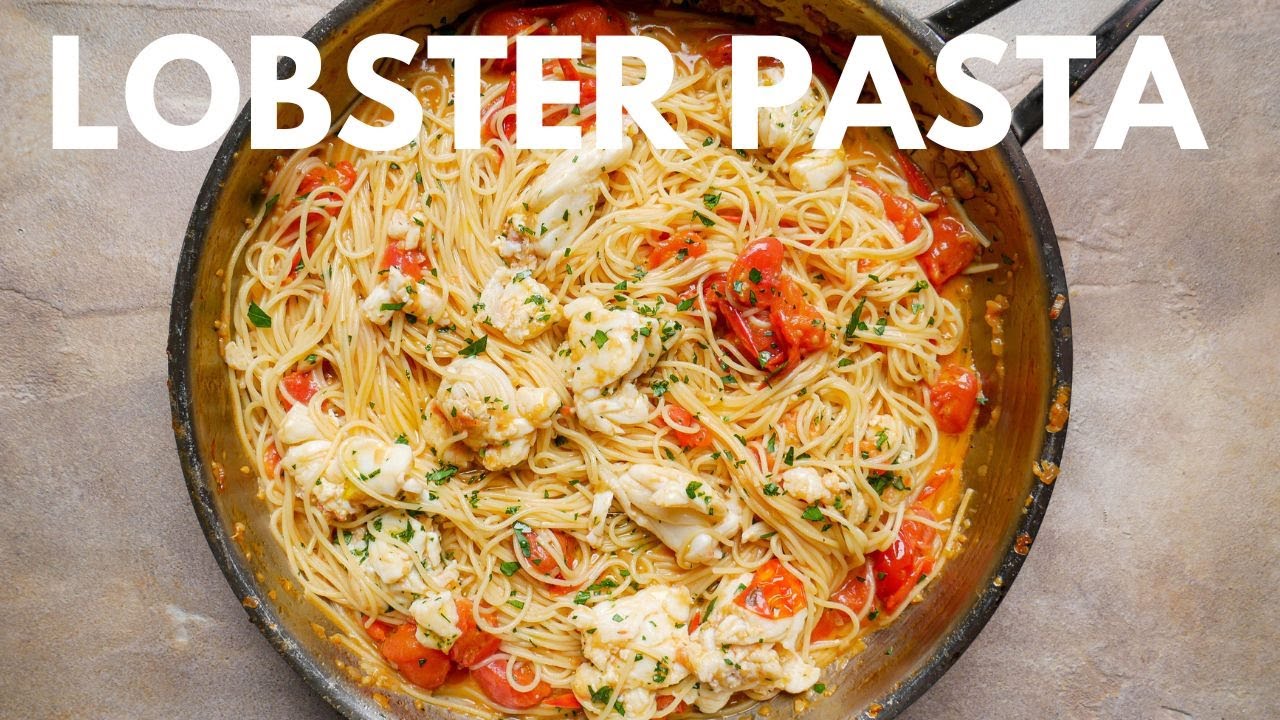
Lobster Pasta Recipe: Lobster pasta combines the rich, luxurious flavor of fresh lobster with the comforting heartiness of pasta—creating an unforgettable dish that screams elegance. Whether you’re planning a romantic dinner, celebrating a special occasion, or simply craving something indulgent, lobster pasta hits the spot. The sweet, tender lobster meat pairs perfectly with the creamy or tomato-based sauce and al dente pasta. It’s a dish that blends decadence with homestyle comfort food, all in one bowl.
What makes this dish stand out is how surprisingly simple it is to make. You don’t need to be a professional chef to pull off this restaurant-worthy dish at home. All you need are fresh ingredients, a little bit of patience, and a love for bold, savory flavors. From boiling the lobster to preparing a flavorful sauce, every step brings you closer to culinary bliss.
Ideal Occasions to Serve Lobster Pasta
Lobster pasta isn’t your everyday weeknight dinner—unless you’re living large! It’s perfect for:
- Date nights at home
- Anniversary dinners
- Holiday feasts like Christmas Eve or New Year’s Eve
- Dinner parties when you want to impress guests
It’s also a fantastic way to treat yourself. Who says luxury is only for special events? Make it a weekend tradition or reward after a tough week—you deserve it.
Ingredients You’ll Need
Fresh vs. Frozen Lobster – Which One to Use?
If you can get your hands on fresh lobster, go for it—it offers unbeatable texture and flavor. Live lobster yields the most tender, juicy meat. However, if fresh lobster is hard to find or out of your budget, frozen lobster tails or claws are excellent alternatives.
Make sure to choose high-quality frozen lobster that has been properly stored to avoid rubbery or dry meat. Thaw it completely in the refrigerator overnight before cooking.
List of Ingredients for Lobster Pasta
Here’s a simple ingredient list for a lobster pasta that serves two:
For the Lobster:
- 1½ pounds of lobster (fresh or frozen tail/claws)
- Salt for boiling
For the Pasta:
- 8 oz of linguine or fettuccine
- Salted water for boiling
For the Sauce (Creamy Garlic Butter Style):
- 3 tablespoons unsalted butter
- 1 tablespoon olive oil
- 4 garlic cloves, minced
- 1 shallot, finely chopped
- ½ cup white wine (optional, for deglazing)
- 1 cup heavy cream
- ¼ teaspoon crushed red pepper flakes
- ½ cup grated Parmesan cheese
- Juice of ½ lemon
- Salt and black pepper to taste
- Chopped parsley for garnish
This ingredient list can be modified based on your preferences. You can opt for a tomato-based sauce with cherry tomatoes, basil, and a splash of white wine if you want something lighter and tangier.
Prepping the Lobster
How to Boil or Steam Lobster
If using fresh lobster:
- Boiling Method:
- Fill a large pot with salted water.
- Bring it to a rolling boil.
- Add the lobster and boil for about 8–10 minutes for a 1½ lb lobster.
- Once it turns bright red and the tail curls, it’s ready.
- Steaming Method:
- Add 2 inches of water and a steamer basket to a pot.
- Bring water to a boil.
- Place lobster in basket, cover, and steam for 10–12 minutes.
If using frozen lobster tails:
- Boil in salted water for 6–8 minutes or until fully cooked.
Removing the Meat from the Shell
Let the cooked lobster cool slightly before handling. Here’s how to extract the meat:
- Tail: Twist off the tail and cut down the center with kitchen shears to remove the meat.
- Claws: Crack open the claws using a lobster cracker or the back of a knife.
- Knuckles: Use a skewer or seafood pick to push the meat out.
Be gentle to keep the chunks whole—they’re the star of your dish.
Making the Sauce
Building the Flavor Base – Garlic, Shallots, and More
Now comes the magic—the sauce. This is where all the flavors come together, wrapping around the lobster and pasta like a warm, luxurious blanket. Start by heating butter and olive oil in a large skillet over medium heat. The butter brings richness, while olive oil prevents it from burning.
Once it’s hot, add finely chopped shallots and minced garlic. Let them sizzle for about 1–2 minutes until fragrant and translucent. This step is critical. It’s your flavor foundation, so take your time and don’t rush it.
Next, if you’re going the indulgent route, deglaze with white wine. Pour about ½ cup into the pan and scrape up any brown bits from the bottom. This adds acidity and depth to balance out the richness of the lobster and cream.
Let the wine reduce for 2–3 minutes, then stir in the heavy cream. Add in crushed red pepper flakes for a subtle kick and freshly ground black pepper to enhance the aroma. Don’t forget a splash of lemon juice—it cuts through the richness and brightens the entire dish. Simmer the sauce for 5–7 minutes until it thickens slightly.
Finally, stir in Parmesan cheese. This adds a nutty, salty flavor that’s irresistible. Taste and adjust seasoning if needed. Remember, the lobster is naturally sweet, so you don’t want an overly salty sauce.
Choosing the Right Sauce – Creamy vs. Tomato-Based
Choosing between a creamy or tomato-based sauce is entirely up to your taste and the vibe you want.
Creamy Sauce Pros:
- Rich and indulgent
- Perfect for winter or cozy meals
- Pairs beautifully with Parmesan
Tomato-Based Sauce Pros:
- Lighter and more refreshing
- Great for summer nights
- Compliments fresh herbs like basil
If you’re going the tomato route, swap the cream for crushed cherry tomatoes or tomato puree, and add fresh basil, oregano, and maybe a hint of chili for a light, Mediterranean feel.
Want to level it up? Try a lobster bisque-inspired sauce, using the shells to make a quick seafood stock and then folding it into your creamy base. It’s a bit more work, but worth every second.
Cooking the Pasta
Best Pasta Types for Lobster Pasta
Choosing the right pasta is more than just grabbing what’s in the pantry. The goal is to find something that holds sauce well and complements the tender lobster meat.
Top Choices:
- Linguine – A classic pairing; slightly flat, holds creamy sauces well.
- Fettuccine – Thicker, richer, and ideal for heavy cream-based sauces.
- Spaghetti – Versatile and easy to find, but slightly less luxurious.
- Pappardelle – Wide ribbons that scream decadence—amazing with thick sauces.
Avoid delicate pastas like angel hair—they tend to get lost in the richness and don’t do the lobster justice.
Tips for Perfectly Cooked Pasta
Here’s where attention to detail matters. Use plenty of salted water—it should taste like the sea. Cook your pasta just until al dente, usually a minute or two less than the package suggests.
Why al dente? Because you’ll finish cooking the pasta in the sauce, where it absorbs all the lobster flavor goodness. Before draining, always reserve about 1 cup of pasta water. This starchy liquid is gold—it helps bind the sauce to the pasta and gives you control over consistency.
Drain the pasta but don’t rinse—you want that surface starch. Immediately transfer it to your skillet with the sauce.
Combining Everything
How to Toss Pasta with Lobster and Sauce
With the sauce ready and pasta cooked, it’s time for the grand finale. Gently toss the pasta into the sauce over medium-low heat. If it feels too thick, add a splash of the reserved pasta water until it’s just right—silky, glossy, and clinging to every strand.
Now, fold in the lobster meat. Be gentle—you want to keep those chunks intact. Heat everything through for about 1–2 minutes, just enough to warm the lobster without overcooking it.
Taste again—this is your moment to shine. Adjust salt, pepper, and maybe a touch more lemon juice if you like it bright.
Garnishing for a Stunning Presentation
Presentation matters—especially when serving something as fancy as lobster pasta. Here’s how to plate it like a pro:
- Twirl the pasta with tongs into a high mound in the center of the plate.
- Top with lobster chunks for drama.
- Sprinkle with chopped fresh parsley for color and freshness.
- Add lemon zest or a wedge on the side for extra flair.
- Drizzle a little olive oil or melted butter over the top for shine.
Want to wow your guests? Serve with a glass of chilled white wine—Sauvignon Blanc or Chardonnay is a great pick.
Final Tips and Tricks
Common Mistakes to Avoid
Even the best intentions can go sideways if you’re not careful in the kitchen—especially when working with lobster. Here are the most common mistakes people make and how to avoid them:
- Overcooking the Lobster
Lobster is delicate. Overcooking can turn that sweet, tender meat into something chewy and rubbery. Stick to the timing—whether you’re boiling, steaming, or reheating it in the sauce, keep it brief. - Using the Wrong Pasta
We’ve all been there: reaching for angel hair or penne just because it’s available. But those shapes don’t do justice to the dish. Stick with wider or longer pastas like fettuccine or linguine that soak up the sauce and cradle the lobster. - Too Much Sauce
Lobster pasta should be balanced. If your pasta is drowning in sauce, you’ll lose the delicate flavor of the lobster. Keep the sauce just enough to coat the pasta, not smother it. - Skipping the Pasta Water
That starchy pasta water isn’t just for show. It’s a powerful emulsifier that helps the sauce cling better to the noodles. Don’t forget to reserve some before draining. - Not Tasting and Adjusting
Tasting as you go is crucial. Sauce too rich? Add lemon. Too tangy? Stir in some extra cream or butter. Don’t serve until it’s perfectly balanced for your taste.
Making It Kid-Friendly or Spicy
The beauty of lobster pasta is its versatility. Whether you’re serving kids or spice-lovers, there are easy adjustments to please every palate.
Kid-Friendly Version:
- Skip the wine and red pepper flakes.
- Use a mild cream sauce with garlic, butter, and cheese.
- Chop lobster finely and mix it evenly for better texture integration.
Spicy Upgrade:
- Add extra crushed red pepper or fresh chili slices.
- Use Cajun or Old Bay seasoning for a zesty twist.
- Try a tomato base with chili oil for a fiery kick.
You can also experiment with add-ins like mushrooms, peas, or even a sprinkle of truffle oil for extra indulgence.
FAQs about Lobster Pasta Recipe
Q1: Can I make lobster pasta ahead of time?
A: Yes, you can prep the lobster and even the sauce ahead of time. Cook pasta fresh and toss everything together before serving to keep it fresh and flavorful.
Q2: What wine pairs best with lobster pasta?
A: A dry white wine like Chardonnay, Sauvignon Blanc, or Pinot Grigio pairs beautifully. Go with buttery notes for creamy sauces, or citrus-forward wines for tomato-based versions.
Q3: How do I store leftovers?
A: Store in an airtight container in the fridge for up to 2 days. Reheat gently on the stove with a splash of cream or pasta water to revive the sauce.
Q4: Can I substitute shrimp or crab for lobster?
A: Absolutely! Shrimp and crab are great alternatives and more budget-friendly. The cooking method remains almost the same.
Q5: What sides go well with lobster pasta?
A: Keep it light—think garlic bread, a fresh arugula salad, or steamed asparagus. These sides complement the richness of the dish without overpowering it.
Conclusion
Lobster pasta isn’t just a dish—it’s an experience. It brings together luxury, comfort, and simple ingredients in a way that feels both special and soul-satisfying. Whether you’re wooing a date, celebrating a holiday, or simply indulging your taste buds, this recipe is your golden ticket to gourmet at home.
With the right lobster, the perfect pasta, and a sauce that sings with flavor, this dish will make you feel like a Michelin-star chef—even if you’re just cooking in your pajamas. So don’t wait for a fancy occasion—create one at your own table.