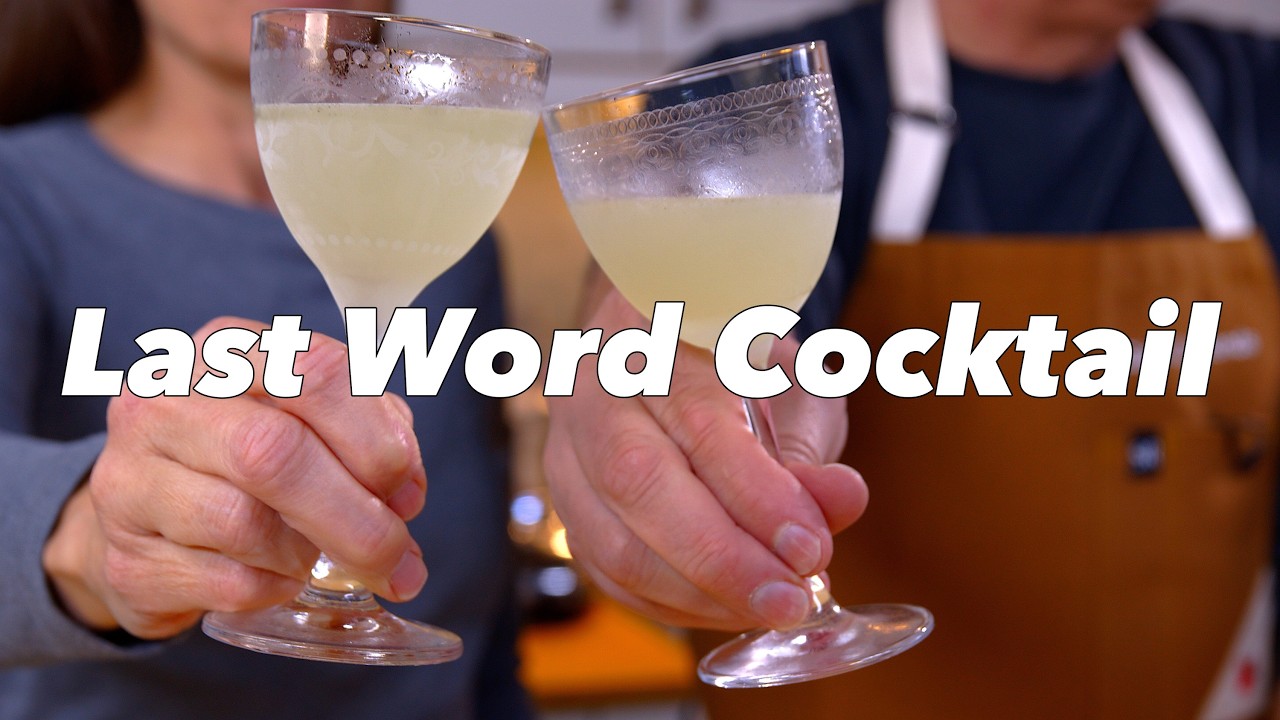
Last Word Recipe: The Last Word isn’t just a drink—it’s a time machine in a glass. This cocktail dates back to the Prohibition era, first served at the Detroit Athletic Club in the early 1920s. It was rediscovered in the early 2000s by Seattle bartender Murray Stenson, who stumbled upon it in an old cocktail book and reintroduced it to the world. Since then, it’s become a cult favorite among bartenders and cocktail aficionados.
Its legacy lies in its balance. While some drinks lean too heavily on one note—whether it’s sweet, sour, or boozy—the Last Word hits a perfect harmony. It’s bold but not brash, herbal yet approachable, tart but never puckering. A green-hued elixir that’s stood the test of time and trended its way into modern mixology’s hall of fame.
Why This Cocktail Is Still a Favorite
So, what makes the Last Word endure in a world of ever-evolving drink trends? It’s the blend of simplicity and sophistication. Equal parts gin, green Chartreuse, maraschino liqueur, and fresh lime juice—that’s it. Four ingredients that, when combined, make magic.
This drink’s flavor profile is complex yet inviting. The gin provides a juniper-forward base, the Chartreuse adds a botanical earthiness, the maraschino offers subtle sweetness, and the lime juice cuts through it all with bright acidity. That balance is key. It’s why the Last Word doesn’t just flirt with your taste buds—it leaves a lasting impression.
Key Ingredients of the Last Word
Gin – The Backbone of the Drink
The choice of gin can make or break your Last Word. Traditionally, a London Dry gin is used, known for its clean, crisp profile and strong juniper notes. This gin style allows the other ingredients to shine while providing a solid foundation.
Some modern variations play with different styles of gin—Old Tom, Plymouth, or even barrel-aged versions—to tweak the drink’s personality. But for the purist, a good quality London Dry remains the gold standard.
When selecting gin, look for brands with balanced botanicals. Overly citrusy or floral gins can clash with the herbal Chartreuse and the nutty-sweet maraschino. Aim for harmony.
Green Chartreuse – The Unique Herbal Kick
Green Chartreuse is the soul of the Last Word. This French liqueur is crafted from a closely guarded recipe of 130 herbs and plants, creating a bold, vegetal, and slightly spicy character. It’s potent—coming in at 55% ABV—so a little goes a long way.
What sets Green Chartreuse apart is its dynamic flavor arc. It starts herbal and peppery, evolves into floral and sweet, then lingers with a minty finish. This complexity is what gives the Last Word its unforgettable punch.
No substitutes here—Green Chartreuse is irreplaceable. There’s no other liqueur quite like it, and using anything else changes the DNA of the drink.
Maraschino Liqueur – Sweet with a Hint of Cherry
Not to be confused with the syrup from those bright red cherries, maraschino liqueur is a clear, dry cherry-based spirit with a nutty backbone. Made from crushed Marasca cherries, including the pits, it offers a subtle bitterness and complex sweetness that rounds out the drink.
Luxardo is the most famous brand and the go-to for most bartenders. It gives the Last Word a delicate, floral fruitiness and helps balance the strong herbal notes of the Chartreuse.
This ingredient ties everything together, acting as the mediator between the bold gin and the vibrant Chartreuse, while complementing the acidity of the lime.
Fresh Lime Juice – Adding Zesty Brightness
Freshly squeezed lime juice is non-negotiable. It provides the necessary acidity to cut through the rich, boozy elements of the cocktail. Bottled juice just doesn’t compare—it lacks the brightness and complexity that fresh citrus brings.
Use a citrus press to extract the juice right before mixing. A good rule of thumb: one medium lime yields about 1 ounce of juice, which is exactly what you’ll need for this equal-parts cocktail.
Lime juice not only lifts the drink but ensures it’s refreshing, crisp, and completely balanced. Without it, the Last Word would feel heavy and flat.
Essential Tools You’ll Need
Barware and Glassware
To craft a perfect Last Word, a few tools are essential:
- Cocktail shaker – A Boston shaker or cobbler shaker works fine. You’ll need it for a thorough mix and proper chilling.
- Strainer – A Hawthorne strainer for your shaker, and optionally a fine mesh strainer to catch any pulp or shards of ice.
- Jigger – Precise measurement is crucial since this is an equal-parts cocktail.
- Citrus press – For squeezing fresh lime juice on the spot.
- Coupe or Nick & Nora glass – A stemmed glass adds elegance and keeps your drink colder longer.
Proper tools make the difference between a passable cocktail and a professional-level pour. It’s about getting the texture, dilution, and presentation just right.
Optional Tools for Enhancing the Experience
If you’re feeling fancy, you can elevate your Last Word experience with these extras:
- Herb spritz or mist – A light spray of Chartreuse on top can intensify the aroma.
- Chilling glassware – Pop your coupe in the freezer beforehand for that frosty finish.
- Zester or garnish tool – While traditionally served without a garnish, a lime twist can add an aromatic touch.
These small touches can take your home bartending to the next level—think of it like plating a gourmet dish at home.
Step-by-Step Guide to Making the Last Word
Step 1 – Measure Out Your Ingredients
Here’s the classic ratio:
- ¾ oz Gin
- ¾ oz Green Chartreuse
- ¾ oz Maraschino liqueur
- ¾ oz Fresh lime juice
Use a jigger for accuracy. This cocktail is all about balance, and eyeballing can throw it off. Precision ensures every sip is just as delicious as the last.
Step 2 – Shake with Ice for Perfect Chill and Dilution
Now it’s time to bring those ingredients together with a good shake. Add all the measured components—gin, Green Chartreuse, maraschino liqueur, and lime juice—into your cocktail shaker. Then, fill the shaker with ice. Don’t hold back—use plenty of ice to properly chill and dilute the drink.
Shake vigorously for about 15 to 20 seconds. You want the shaker to feel ice-cold in your hands. This process doesn’t just cool the drink; it also slightly dilutes it, mellowing the strong alcohol flavors and blending the components into a smooth, cohesive mix.
Think of this step as the cooking phase of a recipe—it’s where all the flavors fuse and become more than the sum of their parts. Skip or short-change this step, and you’ll end up with a harsh, unbalanced cocktail that lacks finesse.
Step 3 – Strain into a Chilled Glass
Once you’ve finished shaking, it’s time to strain the drink. Place your strainer over the top of the shaker and pour the cocktail into a chilled coupe or Nick & Nora glass. These stemmed glasses not only enhance presentation but also keep the drink cool longer.
For a cleaner pour, you can use a double-straining technique: pour through a Hawthorne strainer and a fine mesh strainer at the same time. This catches any small shards of ice or pulp from the lime juice, leaving a silky-smooth texture in your glass.
The color should be a pale green—inviting, mysterious, and subtly elegant. It’s not just a drink; it’s a piece of art you’ve created, and the presentation deserves attention.
Step 4 – Garnish and Serve
Traditionally, the Last Word is served without a garnish, allowing its vibrant color and complex aroma to speak for itself. But that doesn’t mean you can’t add a personal touch. A simple lime twist, a cherry, or even a sprig of mint can enhance the visual appeal and add a hint of aroma as you sip.
Serve immediately while it’s cold and fresh. The first sip will hit you with herbal notes from the Chartreuse, followed by the sweet nuttiness of the maraschino, balanced by the gin and brightened by the lime. It’s refreshing, bold, and undeniably sophisticated.
Whether you’re impressing friends or enjoying a solo nightcap, the Last Word delivers a bar-quality experience at home.
Variations on the Classic Last Word
The Paper Plane – A Modern Sibling
If you love the Last Word, chances are you’ll also enjoy its modern cousin: the Paper Plane. Invented in 2008 by bartender Sam Ross, the Paper Plane swaps gin and Chartreuse for bourbon and Aperol. Though different in base spirit, it keeps the equal-parts balance and offers a similarly complex flavor profile—bittersweet, citrusy, and entirely refreshing.
This cocktail is proof that the Last Word’s structure is flexible and ripe for creative reinterpretation. Try the Paper Plane when you’re in the mood for something with a little more weight and warmth but still crave that beautifully balanced sip.
The Final Ward – A Whiskey Twist
Another popular riff on the Last Word is the Final Ward, created by bartender Phil Ward. It replaces gin with rye whiskey and uses lemon juice instead of lime. The green Chartreuse and maraschino remain, creating a deeper, spicier version of the original.
This version appeals to whiskey lovers looking for a herbal and citrus-forward cocktail. It’s especially nice during colder months, where the rye’s warmth shines. If the Last Word is your go-to summer sipper, the Final Ward could be its autumnal counterpart.
Other Creative Spins to Explore
Bartenders and home mixologists alike have taken the Last Word template and run wild with it. Here are a few inventive variations:
- Mezcal Word – Swap gin for mezcal for a smoky version.
- Last Laugh – Use aquavit instead of gin for a Nordic herbal twist.
- East Word – Infuse the base with sake or soju for a lighter, umami-driven alternative.
The beauty of the Last Word lies in its formula. Once you understand the balance of herbal, sweet, and sour, you can start experimenting confidently.
Common Mistakes to Avoid
Overpouring or Underpouring Ingredients
This drink is all about balance. One of the most common mistakes is eyeballing measurements. Even a slight deviation can throw off the cocktail’s harmony. Stick to the ¾ oz for each ingredient rule. It’s precise for a reason.
If you’re doubling the recipe, remember to double each component. Don’t adjust just one—it will overpower the rest and ruin the flavor profile.
Using Bottled Lime Juice
This is a big no-no. Bottled citrus juice lacks the fresh acidity and natural oils of freshly squeezed limes. The result? A flat, lifeless drink that misses the mark. Always juice your limes right before mixing. It makes all the difference.
Poor Quality Spirits
While you don’t need top-shelf spirits, using cheap or artificial-tasting ingredients can ruin the experience. Go for reputable brands, especially for the Chartreuse and maraschino. These ingredients are the stars—treat them with respect.
Serving Suggestions and Pairings
When to Serve the Last Word
This cocktail works in many settings. It’s refreshing enough for a summer garden party yet elegant enough for a formal dinner. It also makes a great aperitif thanks to its zesty acidity, which preps your palate for food.
It’s not just a bar drink. The Last Word is perfect for:
- Small gatherings
- Cocktail hours
- Romantic date nights
- Solo wind-downs after a long day
Food Pairings That Complement the Cocktail
Pairing food with cocktails can elevate both the drink and the dish. The Last Word’s bright acidity and herbal depth make it a good match for:
- Charcuterie and cheese boards
- Grilled seafood (like shrimp or scallops)
- Thai or Vietnamese dishes with lemongrass and lime
- Spicy Mexican cuisine
- Light pasta dishes with herbs and lemon
The goal is to complement, not compete. Let the drink shine, and the food echo its notes.
Storing and Prepping Ahead
Can You Batch the Last Word?
Yes, absolutely! If you’re planning to serve a group, batching the Last Word in advance can save time and ensure consistency. Just scale up the ingredients using the same ratio: equal parts gin, Green Chartreuse, maraschino liqueur, and fresh lime juice.
For example, for 8 servings, you’d use:
- 6 oz Gin
- 6 oz Green Chartreuse
- 6 oz Maraschino liqueur
- 6 oz Fresh lime juice
Combine the ingredients in a large container and refrigerate. When it’s time to serve, shake each individual serving with ice and strain into chilled glasses. This preserves the texture and coldness without compromising the freshness.
How Long Will a Batched Last Word Last?
Because lime juice is perishable, it’s best to consume your batched mix within 24–36 hours. If you’re batching ahead of time, consider mixing just the spirits (gin, Chartreuse, maraschino) and adding the lime juice right before serving.
This keeps the citrus from oxidizing and helps maintain that bright, zesty profile the Last Word is known for.
FAQs about Last Word Recipe
1. Can I use lemon juice instead of lime juice in a Last Word cocktail?
Yes, you can substitute lemon juice, though it will slightly alter the flavor. Lemon juice tends to be slightly sweeter and less sharp than lime juice, resulting in a softer profile. This variation is often used in the Final Ward version.
2. What can I use instead of Green Chartreuse if I don’t have it?
Green Chartreuse is unique and hard to replicate, but some people try substitutes like Dolin Genepy or other herbal liqueurs. However, note that these won’t provide the same bold herbal character. For an authentic Last Word, Chartreuse is a must.
3. Is the Last Word a strong drink?
Yes, it’s quite potent due to the high alcohol content in Chartreuse and gin. However, the fresh lime juice and maraschino liqueur balance it well, making it deceptively smooth and drinkable.
4. Can I make a non-alcoholic version of the Last Word?
You can try! Use a non-alcoholic gin, an herbal syrup to mimic Chartreuse, a cherry syrup for maraschino, and fresh lime juice. The flavor won’t be identical, but you can achieve a refreshing mocktail version.
5. What glass should I serve a Last Word in?
Traditionally, the Last Word is served in a coupe or Nick & Nora glass. These stemmed glasses keep the cocktail cool and elevate its presentation.
Conclusion
The Last Word cocktail is a timeless classic that continues to earn its place on bar menus and in home kitchens around the world. Its history, balance, and bold personality make it a standout in the cocktail canon. With just four ingredients, it delivers an experience that’s anything but simple—herbal, tangy, slightly sweet, and completely memorable.
Whether you’re a cocktail novice or a seasoned mixologist, mastering the Last Word will not only expand your drink-making repertoire but also introduce you to a world of variations and possibilities. It’s more than just a recipe—it’s an invitation to explore, to taste, and to share.
So go ahead, mix one up. You’ve earned the Last Word.