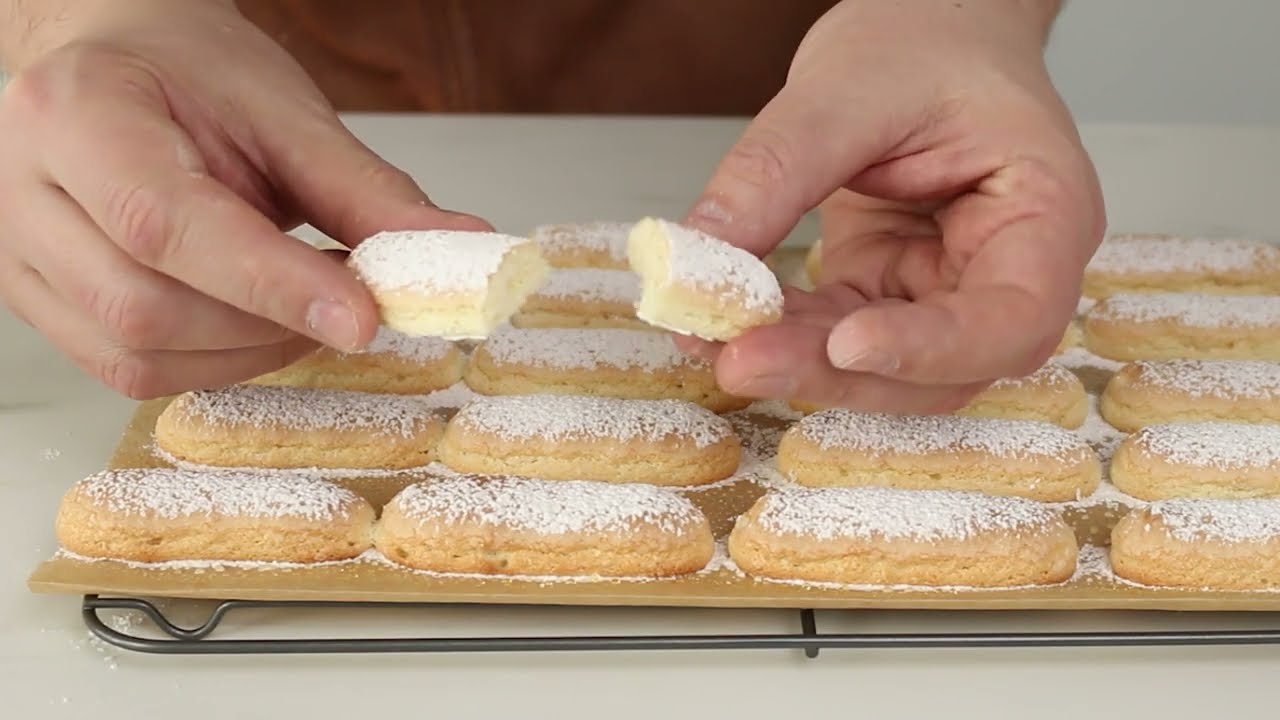
Ladyfingers Recipe: Ladyfingers, also known as savoiardi, are delicate, light sponge biscuits shaped like fat fingers—hence the name. These sweet treats are soft, airy, and slightly crisp on the outside, which makes them a staple in many classic desserts. They’re incredibly versatile, often used as the base in recipes like tiramisu, charlottes, and trifles. With their neutral flavor and spongy texture, they soak up syrups, coffee, and liqueurs like a dream without getting mushy too quickly.
Think of them as the MVPs of the dessert world. Whether you’re whipping up a fancy layered dessert or just want something to pair with your coffee or tea, these biscuits can play the lead role or a supporting one. They’re quick to bake and require minimal ingredients, which makes them perfect even for beginner bakers.
Origins and Popularity in Desserts
Ladyfingers originated in Italy during the late 15th century and were created to honor a visit from the King of France. Over time, their fame spread across Europe and beyond. Today, they are a key ingredient in one of the most beloved desserts in the world: tiramisu. You’ll also find them starring in many French pastries and even modern no-bake cakes.
What makes ladyfingers so special isn’t just their flavor—it’s their structure. When baked just right, they hold their shape and texture even after being soaked, which is a rare trait among sponge-based confections. This quality is precisely why they’ve stood the test of time and remained a favorite among bakers and dessert lovers alike.
Ingredients Required
Basic Ingredients for Traditional Ladyfingers
One of the best things about making ladyfingers is the simplicity of the ingredient list. Here’s what you’ll need:
- 4 large eggs, separated
- 2/3 cup (130g) granulated sugar (divided)
- 1 teaspoon vanilla extract
- 1 cup (120g) all-purpose flour (sifted)
- 1/4 teaspoon salt
- Powdered sugar (for dusting)
Each of these ingredients plays a crucial role. The egg whites help create that iconic airy texture, while the yolks add richness and color. Granulated sugar sweetens and stabilizes the egg whites, and flour gives the biscuit structure without weighing it down. A light dusting of powdered sugar before baking gives them a lovely crust and a gentle sweetness.
Optional Additions for Flavor Enhancements
While traditional ladyfingers are subtly sweet and simple, you can easily add flair with a few extras:
- Lemon zest or orange zest for a citrusy kick
- Almond extract for a deeper, nutty flavor
- Cocoa powder (replacing a small portion of flour) for a chocolatey twist
These optional ingredients can tailor the taste of your ladyfingers to complement specific desserts. For instance, lemon zest pairs beautifully with berry-based trifles, while cocoa-enhanced ladyfingers are perfect for a decadent chocolate mousse cake.
Tools and Equipment You’ll Need
Baking Essentials
Making ladyfingers doesn’t require a professional kitchen setup, but having the right tools makes a difference. Here’s what you’ll need:
- Mixing bowls (glass or metal work best)
- Electric mixer or stand mixer (for whipping egg whites)
- Rubber spatula (for gentle folding)
- Sifter or fine-mesh sieve (to sift flour evenly)
- Piping bag with a round tip (1/2 inch diameter is ideal)
- Baking sheets
- Parchment paper
These tools help you achieve the right consistency, shape, and bake. Using parchment paper prevents sticking and makes cleanup a breeze, while the mixer ensures you reach the necessary volume in your egg whites.
Tips for Choosing the Right Piping Tools
The key to perfectly shaped ladyfingers is the piping. If you don’t have a piping bag, you can improvise with a ziplock bag and snip the corner. Still, a sturdy piping bag with a round metal tip gives you more control.
When piping, keep a steady hand and aim for uniform length—around 4 inches. Space them about an inch apart to allow for spreading. If you’re after more professional-looking results, draw guide lines on the back of the parchment paper for consistency.
Step-by-Step Instructions to Make Ladyfingers
Step 1: Prepping Your Ingredients
Start by separating your eggs while they’re cold—it’s easier that way. Let them sit for a few minutes to come to room temperature. This helps them whip up better. Meanwhile, preheat your oven to 375°F (190°C) and line your baking sheets with parchment paper. Lightly dust the parchment with powdered sugar; this prevents sticking and adds that classic sugary finish.
Also, sift your flour ahead of time. This aerates the flour and removes any clumps, ensuring a smoother batter and fluffier ladyfingers.
Step 2: Whipping the Egg Whites
In a clean mixing bowl, whip the egg whites with a pinch of salt until soft peaks form. Gradually add half of the granulated sugar and continue whipping until you achieve stiff, glossy peaks. This step is critical because your egg whites will provide the structure and rise.
Make sure there’s no trace of yolk in your whites and that your bowl and beaters are free of grease—any fat will prevent the whites from reaching full volume.
Step 3: Blending the Yolks and Sugar
In a separate bowl, beat the egg yolks with the remaining sugar until the mixture becomes thick and pale. This usually takes about 3-5 minutes with an electric mixer. Add in the vanilla extract and beat until combined.
This mixture should look creamy and almost doubled in volume. It’s the rich base that balances the airy whites and gives your ladyfingers their golden hue.
Step 4: Combining Mixtures and Adding Flour
Now comes the delicate part—combining the whipped egg whites and the yolk mixture. Start by gently folding one-third of the egg whites into the yolk mixture to lighten it up. Use a rubber spatula and fold with a lifting motion rather than stirring. Once that’s incorporated, add the remaining egg whites in two additions, folding just until there are no white streaks.
Next, gradually sift the flour over the mixture in parts and fold gently to maintain as much air as possible. Be patient here; overmixing will deflate the batter and give you dense ladyfingers. The batter should be smooth, light, and airy.
This is also where you can fold in any optional ingredients like zest or almond extract for a twist in flavor. Just remember to keep your touch light—think of it as coaxing the ingredients to mingle rather than forcing them.
Step 5: Piping and Baking the Batter
Transfer the batter to a piping bag fitted with a 1/2-inch round tip. Hold the bag at a 45-degree angle and pipe 4-inch long strips onto the prepared baking sheets, leaving about 1 inch of space between each. If you’re unsure about size, you can lightly draw guide lines on the underside of the parchment paper beforehand.
Once piped, sift a generous layer of powdered sugar over the top of each ladyfinger. This not only adds a sweet finish but also helps develop that iconic slightly crisp crust during baking.
Bake the ladyfingers in a preheated oven at 375°F (190°C) for 10 to 12 minutes, or until the tops are lightly golden and the edges feel firm to the touch. Don’t overbake—these should remain soft inside with a bit of crispness outside.
After removing them from the oven, let the ladyfingers cool on the tray for a couple of minutes. Then, carefully transfer them to a wire rack to cool completely. They’ll firm up more as they cool, so don’t worry if they feel a bit soft straight out of the oven.
Tips for Perfect Ladyfingers
Common Mistakes to Avoid
Even though ladyfingers seem simple, they can be finicky if you’re not careful. Here are some common mistakes to steer clear of:
- Over-whipping or under-whipping egg whites – This is crucial. If you don’t reach stiff peaks, your batter won’t hold its shape. If you over-whip, the whites may become dry and difficult to fold in.
- Mixing too aggressively – Folding is not the same as stirring. Over-mixing deflates the batter and results in flat, chewy biscuits.
- Skipping the sifting step – Sifting your flour helps create an even texture and ensures no clumps ruin the delicate batter.
- Not using parchment paper – Ladyfingers can stick to the baking tray like glue. Parchment is essential for easy removal.
- Incorrect oven temperature – A too-hot oven will brown them too quickly without baking through. A too-cool oven won’t give them the lift they need.
How to Achieve the Right Texture
The perfect ladyfinger is light, airy, and just a bit crisp on the outside. Here’s how to ensure you hit the mark every time:
- Use room temperature eggs: They whip up with more volume and integrate better.
- Sift flour directly into the batter: This keeps the batter from deflating and ensures even distribution.
- Pipe immediately after mixing: Letting the batter sit too long allows it to lose air.
- Cool properly: Let the ladyfingers cool fully before storing to keep them crisp. If you want them softer for certain desserts, you can store them in a slightly humid container.
How to Store and Freeze Ladyfingers
Storing Fresh Ladyfingers
Freshly baked ladyfingers are best enjoyed within a couple of days, but you can extend their shelf life if stored properly. Allow them to cool completely before transferring to an airtight container. Store them at room temperature away from direct sunlight and moisture.
If stored correctly, they’ll stay good for up to 3 days. Keep in mind, the longer they sit, the more they lose that crisp outer texture. If you plan to use them in layered desserts, even slightly soft ladyfingers work perfectly since they soak up liquids better.
Freezing for Later Use
Need to prep ahead? Good news—ladyfingers freeze beautifully. Once cooled, layer them between sheets of parchment paper and place in a freezer-safe container or zip-top bag. They’ll keep for up to 2 months in the freezer.
To thaw, remove the desired number and leave them out at room temperature for 30–45 minutes. If you need to crisp them up, a quick 3–5 minutes in a 300°F (150°C) oven will do the trick. This makes it easy to always have ladyfingers on hand for spontaneous tiramisu cravings or tea time treats.
Ladyfingers in Desserts: Delicious Ways to Use Them
Tiramisu: The Classic Showstopper
Ladyfingers are the backbone of tiramisu. Soaked in strong coffee and layered with creamy mascarpone, they transform into a luscious, indulgent treat. Their absorbent texture ensures the coffee flavor gets evenly distributed without becoming mushy.
To make the best tiramisu:
- Dip ladyfingers quickly in cooled espresso or coffee (with optional coffee liqueur).
- Layer them in a dish and spread mascarpone cream on top.
- Repeat layers and chill for several hours before serving.
The result? A dessert that’s both sophisticated and comforting.
Creative Trifles and Layered Desserts
Beyond tiramisu, ladyfingers shine in trifles. They add structure between layers of custard, whipped cream, and fruit. You can alternate them with fresh berries, lemon curd, or chocolate mousse for a stunning presentation.
Some fun ideas:
- Berry trifle with strawberry compote and whipped cream
- Chocolate banana trifle with pudding and crushed nuts
- No-bake cheesecake cups with crushed ladyfingers as the base
Their neutral flavor lets other ingredients shine while adding an elegant texture.
Making Gluten-Free or Vegan Ladyfingers
Gluten-Free Version
Want to make gluten-free ladyfingers? It’s easier than you might think. Just swap the all-purpose flour with a 1:1 gluten-free flour blend (preferably one with xanthan gum). Almond flour can also work for a slightly denser, nuttier twist.
Keep all other steps the same, but be gentle with folding since gluten-free flour tends to absorb more moisture. You might need to adjust baking time slightly—keep an eye on them after the 10-minute mark.
Vegan Alternatives
Vegan ladyfingers are trickier since eggs are the main structure provider. However, it’s possible with a few smart swaps:
- Use aquafaba (the liquid from canned chickpeas) in place of egg whites
- Use a vegan egg replacer or flaxseed meal for yolks
- Incorporate plant-based sugar and a neutral oil or vegan butter for richness
While the texture might be slightly different, the flavor remains delightful—especially in layered or soaked desserts.
FAQs about Ladyfingers Recipe
1. Can I make ladyfingers without a piping bag?
Yes! Use a ziplock bag and cut a hole in one corner. It won’t be as precise, but it works in a pinch.
2. Why did my ladyfingers turn out flat?
Flat ladyfingers are often the result of overmixing or under-whipped egg whites. Always fold gently and check for stiff peaks before combining.
3. Can I use ladyfingers right after baking?
Yes, but they’re best once fully cooled. For desserts like tiramisu, they actually work better when made a day ahead.
4. Are ladyfingers and sponge cake the same?
Not exactly. They’re both sponge-based, but ladyfingers are firmer and drier, designed to soak up liquids in layered desserts.
5. How do I make crispy ladyfingers?
Dust with powdered sugar before baking and let them cool completely on a wire rack. You can also bake a few minutes longer for extra crispness.
Conclusion
Ladyfingers might look delicate, but they pack a powerful punch when it comes to flavor and versatility. Whether you’re whipping them up for a classic tiramisu, using them in a festive trifle, or simply enjoying with coffee, these sponge-like biscuits are an essential treat for any baker to master.
With the step-by-step guide above, even a beginner can make bakery-worthy ladyfingers at home. All it takes is a bit of care with the folding and baking—and you’ll have a batch of golden, crisp-on-the-outside, soft-on-the-inside delights ready in no time.
So go ahead, preheat that oven, grab your eggs, and let the sweet magic begin!