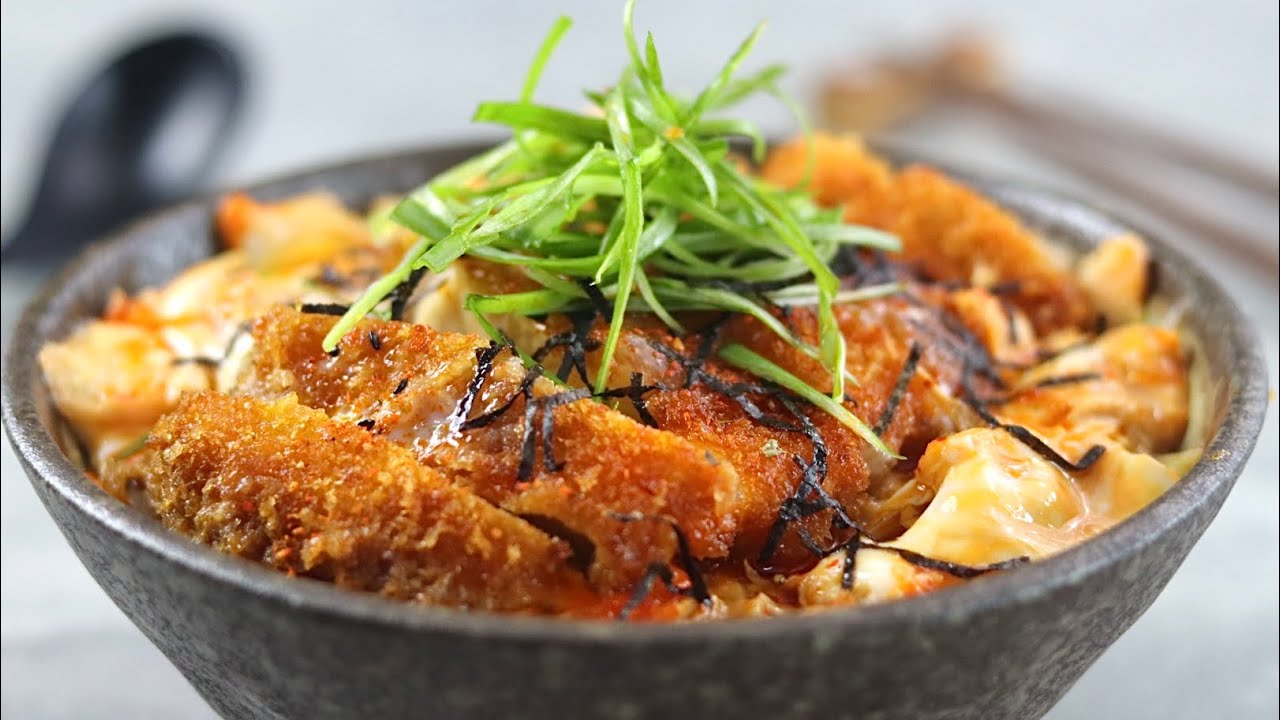
Katsudon Recipe: Katsudon, a savory and satisfying Japanese rice bowl dish, perfectly blends comfort food with culinary art. If you’re unfamiliar, “katsu” means breaded and deep-fried pork cutlet, while “don” is short for “donburi,” meaning rice bowl. Put together, you get a warm bowl of steamed rice topped with a juicy pork cutlet, simmered in a sweet and savory broth, and gently bound with fluffy egg.
But Katsudon isn’t just another delicious meal—it’s a dish deeply rooted in Japanese culture. Known as the meal of victory, students in Japan often eat it before exams, believing it brings good luck and success. This fusion of meaning and flavor makes it much more than a recipe—it’s a bite of tradition.
So if you’re ready to try something both cozy and culturally rich, making katsudon at home is a rewarding culinary adventure.
Ingredients You’ll Need
Creating an authentic katsudon starts with gathering the right ingredients. Let’s break it down so you’re fully prepped:
Main Ingredients:
- 2 boneless pork loin chops – preferably about ½ inch thick
- Salt and pepper – to season the pork
- ½ cup all-purpose flour
- 1 large egg (for breading)
- 1 cup panko breadcrumbs – Japanese style for that signature crunch
- Vegetable oil – for deep frying
- 2 cups cooked Japanese short-grain rice
For the Katsudon Sauce:
- 1 cup dashi stock – the flavorful base
- 3 tbsp soy sauce
- 2 tbsp mirin (sweet rice wine)
- 1 tbsp sugar
- ½ onion, thinly sliced
- 2 large eggs (for topping)
Optional Add-ons:
- Green onions or parsley – for a fresh garnish
- Pickled ginger – adds a tangy contrast
- Shichimi togarashi – a spicy Japanese seven-pepper blend for heat
The ingredient list may seem long, but many are pantry staples if you often cook Asian cuisine. If not, most Asian grocery stores stock them easily.
Tools and Equipment
Don’t worry—you don’t need a professional Japanese kitchen to make this dish. Here’s what you’ll need and what you can substitute if necessary:
Essential Kitchen Tools:
- Deep frying pan or skillet – for frying the pork cutlet
- Small saucepan – to make the katsudon sauce
- Wire rack or paper towels – to drain the tonkatsu
- Mixing bowls – for breading stations
- Chopsticks or tongs – for flipping the pork
- Lid for your pan – to gently steam the egg when simmering
Alternative Tools:
- No deep fryer? Use a deep skillet or cast-iron pan.
- Don’t have a Japanese rice cooker? A regular pot will work just fine for short-grain rice if you follow water ratios closely.
A few simple tools, and you’re already halfway to a delicious homemade katsudon.
Preparing the Pork Cutlet (Tonkatsu)
Here comes the star of the dish—the crispy pork cutlet. This step is crucial because a perfectly breaded and fried tonkatsu sets the tone for the entire bowl.
Step-by-step Instructions:
- Prep the Pork: Start by trimming excess fat from the pork chops and gently pounding them to an even thickness. This ensures even cooking and tenderness. Season both sides with a pinch of salt and pepper.
- Breading Station: Set up three bowls—one with flour, one with beaten egg, and one with panko breadcrumbs. First, dredge the pork in flour (tap off the excess), dip it in egg, then coat it generously in panko. Press the breadcrumbs firmly so they stick.
- Frying: Heat about 1-1.5 inches of vegetable oil in your pan over medium-high heat. Once the oil reaches around 350°F (175°C), gently lower the pork cutlet in. Fry for about 4–5 minutes on each side or until golden brown and cooked through. Internal temperature should hit 145°F (63°C).
- Drain: Let the tonkatsu rest on a wire rack or paper towels. This keeps it crispy and avoids sogginess when it meets the sauce.
Pro Tips:
- Don’t overcrowd the pan—fry one cutlet at a time if needed.
- If you want extra crunch, do a double breading layer (egg and panko twice).
A golden, crunchy tonkatsu is the heart of any great katsudon. You’ll want to snack on it before it even hits the bowl!
Cooking the Katsudon Sauce
The magic of katsudon lies in how it marries crispy with savory and soft. That’s where the sauce comes in—infused with umami from dashi and soy, sweetness from mirin and sugar, and aroma from onion.
Step-by-step Instructions:
- Simmer the Sauce Base: In a small saucepan, combine 1 cup dashi, 3 tbsp soy sauce, 2 tbsp mirin, and 1 tbsp sugar. Add the sliced onions and bring it all to a gentle boil over medium heat.
- Cook the Onions: Let the onions simmer until they become soft and translucent. This usually takes about 5–7 minutes and helps sweeten the sauce naturally.
- Add the Cutlet: Slice your cooked tonkatsu into strips and gently place it on top of the simmering onions and sauce.
- Add the Egg: Beat 1–2 eggs lightly and pour them over the pork and onion mixture. Cover the pan and reduce heat to low. Cook for about 1–2 minutes, just until the egg is set but still a little runny.
- Layer on Rice: Place a generous scoop of hot steamed rice in a donburi bowl. Slide the entire tonkatsu and egg mixture over the rice, pouring a little extra sauce for flavor.
The result? A steaming, flavorful bowl with crispy cutlet, soft egg, sweet onion, and savory broth—all resting on fluffy rice. It’s a hug in a bowl.
Assembling the Katsudon Bowl
Now that all the elements are ready—the rice, the crispy tonkatsu, the umami-rich sauce with tender onions, and the delicate cooked egg—it’s time to put it all together. This is the part where your kitchen starts smelling like a traditional Japanese eatery, and the magic truly happens.
Layering for Perfection:
- Start with Rice: In your donburi or regular deep bowl, scoop a generous serving of hot steamed Japanese short-grain rice. Make sure it’s fluffy and not overly wet—too much moisture will ruin the texture of your cutlet.
- Add the Simmered Cutlet: Gently lift the cooked pork cutlet with onions and egg from the sauce pan. Try to keep the egg intact as much as possible—this gives katsudon its signature look. Place the entire mixture over the rice evenly.
- Drizzle with Sauce: Don’t forget to ladle a bit of the leftover sauce onto the rice. This ties everything together with that rich, sweet-savory flavor profile.
- Top It Off: Sprinkle chopped green onions, a touch of parsley, or even a few pickled ginger slices for a visual and flavor boost. A small shake of shichimi togarashi (if you like heat) adds a nice kick.
The assembled bowl should be a balance of textures—fluffy rice, crispy yet tender pork, silky egg, and soft onions—delivered in every bite.
Serving Suggestions
Katsudon is already a complete meal, but if you want to turn your dinner into a Japanese-style feast or impress guests, pairing it with complementary dishes can elevate the experience.
Ideal Side Dishes:
- Miso Soup: The salty, umami flavors pair wonderfully with the sweetness of the katsudon sauce.
- Cucumber Sunomono (Vinegar Salad): Its tangy and refreshing crunch balances out the richness of the pork.
- Steamed Edamame: Light, healthy, and satisfying.
- Pickled Daikon or Radish: Adds a crisp and tart counterpoint.
Perfect Beverages:
- Green Tea: Hot or cold, it refreshes the palate between bites.
- Cold Beer or Sake: If you’re feeling festive, Japanese beer or warm sake pairs beautifully with katsudon’s richness.
- Sparkling Water with Lemon: Keeps things light and aids digestion.
For presentation, use a traditional donburi bowl if you have one. Otherwise, any deep bowl will do. Clean up the edges for a neat look and serve immediately while hot.
Variations of Katsudon
The beauty of katsudon is that it can be customized to suit dietary needs or flavor preferences. Here are some popular variations:
1. Chicken Katsudon:
Swap the pork for a chicken breast cutlet. Prepare it the same way—season, bread with panko, and deep-fry. The rest of the process remains identical. This version is slightly lighter and often preferred by those who avoid pork.
2. Tofu Katsudon (Vegetarian):
Use firm tofu as your cutlet base. Press out moisture, slice into slabs, season, and bread with flour, egg, and panko. Pan-fry or deep-fry until golden. The tofu absorbs the sauce beautifully, making this a great vegetarian option.
3. Spicy Katsudon:
Add a spoonful of gochujang (Korean chili paste) or some chili flakes to the sauce to bring heat. You can also drizzle spicy mayo on top after assembling for a creamy, spicy twist.
Katsudon is incredibly versatile—feel free to get creative while staying true to its comforting roots.
Common Mistakes to Avoid
Even simple recipes have their pitfalls. Here’s what to watch out for when making katsudon:
1. Overcooking the Pork:
Pork loin is lean, so it can go dry fast. Monitor the frying process closely and aim for golden brown on the outside and just-cooked through inside. Use a thermometer if you’re unsure.
2. Soggy Tonkatsu:
The cutlet will naturally soften a bit when simmered in sauce and egg, but don’t let it sit too long. Add it only just before the egg goes in and serve immediately after the egg sets.
3. Undercooked Egg:
While some prefer slightly runny eggs, make sure they’re at least softly set. Pour the beaten eggs over the simmering pork and onions and cover the pan briefly—don’t overcook it into scrambled eggs.
4. Weak Sauce:
A bland sauce will ruin your dish. Taste it before adding the egg. Adjust with extra soy sauce for salt, mirin for sweetness, or dashi for depth.
Avoiding these mistakes will ensure your katsudon hits all the right notes—crispy, juicy, flavorful, and utterly satisfying.
Tips for Perfect Katsudon Every Time
Making a flawless katsudon isn’t just about following a recipe—it’s about mastering the little things. These tips will help you elevate your katsudon game every time you step into the kitchen.
1. Rice Matters:
Start with high-quality Japanese short-grain rice. It has a sticky, chewy texture that’s essential for a proper donburi base. Rinse it thoroughly until the water runs clear—this removes excess starch and prevents mushiness. Use a rice cooker if you have one for consistent results.
Pro Tip: Let your rice sit covered for 10 minutes after cooking. This resting period lets it finish steaming and improves texture.
2. Control the Sauce:
Everyone’s palate is different. Some like it sweeter, some saltier. Taste the sauce before you add the pork and egg—adjust with a bit more soy sauce for salt, mirin for sweetness, or dashi to boost umami. You can also add a splash of sake for depth.
3. Egg Texture:
You can control how runny or firm your eggs turn out by adjusting cooking time. For a traditional look and feel, the egg should be just barely set and slightly runny. If you’re not into runny eggs, cook it a bit longer, but avoid scrambling.
Pro Tip: Pour the egg over the pork in a circular motion so it spreads evenly.
4. Crispy Tonkatsu:
Let the breaded cutlet rest for 5–10 minutes after frying—this helps the crust stick and makes slicing easier. Use a serrated knife and cut into ¾-inch strips. If you’re making ahead, keep the cutlet in the oven at low heat to stay crispy.
5. Storage Tips:
Katsudon is best fresh, but you can store components separately for easy reheating. Store the rice and tonkatsu in airtight containers. Reheat the tonkatsu in the oven or air fryer to regain crispiness. Re-simmer the sauce and assemble just before eating.
These simple tweaks make a huge difference in consistency, flavor, and overall satisfaction. Practice makes perfect, and before long, you’ll be making katsudon that rivals your favorite Japanese restaurant.
FAQs about Katsudon Recipe
1. Can I make katsudon without frying the pork cutlet?
Yes! For a healthier version, you can air-fry or bake the pork cutlet instead of deep frying. It won’t be as crispy, but it will still be delicious.
2. What if I can’t find dashi stock?
You can substitute dashi with low-sodium chicken broth or vegetable broth in a pinch. Adding a bit of soy sauce and mirin can help mimic the flavor.
3. How long does katsudon last in the fridge?
Katsudon is best eaten fresh, but you can store leftovers in the fridge for up to 2 days. Reheat the tonkatsu in the oven to retain crispiness.
4. Is it possible to make katsudon gluten-free?
Absolutely! Use gluten-free soy sauce and panko, and make sure your flour and mirin are also certified gluten-free.
5. Can I make katsudon with beef or seafood?
Traditionally, katsudon uses pork, but beef or shrimp cutlets can be a delicious alternative. Just follow the same breading and sauce method.
Conclusion
Katsudon isn’t just a dish—it’s a complete experience. From the crispy tonkatsu to the umami-rich sauce and that comforting bowl of rice, every element comes together to create a hearty, soul-satisfying meal. Whether you’re preparing it for a comforting solo dinner or a delightful meal for friends and family, this Japanese classic never disappoints.
With the detailed step-by-step guide, tips, and variations above, you’re now equipped to make the perfect katsudon at home. So go ahead—grab your apron, turn on some mellow Japanese jazz, and bring the warmth of a Tokyo diner into your kitchen.