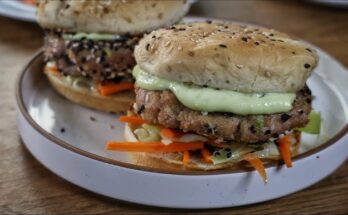
Homemade Rolls Recipe: There’s something incredibly comforting about the smell of fresh-baked rolls drifting through the house. Whether it’s a cozy dinner, a special holiday feast, or a regular weekday evening, homemade rolls have the magical ability to turn any meal into a memorable experience. Unlike store-bought rolls that can often be bland or packed with preservatives, homemade rolls bring unmatched freshness, warmth, and love straight to the table.
Making bread from scratch might sound intimidating, but it’s truly simpler than you might think. With just a few basic ingredients and some patience, you’ll be on your way to creating soft, fluffy, golden-brown rolls that melt in your mouth. And the best part? You control everything—ingredients, flavor, and size—so they’re always just the way you like them.
Ingredients You’ll Need
Basic Pantry Staples
Before diving into the steps, let’s take stock of what you’ll need. These rolls use ingredients most people already have in their kitchen, making them an easy go-to option:
- All-purpose flour – The foundation of any bread recipe. You can also use bread flour for a chewier texture.
- Active dry yeast – This magical ingredient is what helps the rolls rise and get that light, airy texture.
- Sugar – A small amount helps feed the yeast and gives the rolls a slightly sweet flavor.
- Salt – Crucial for flavor balance.
- Warm water or milk – This activates the yeast and brings the dough together. Milk adds richness.
- Butter or oil – For flavor and a soft, tender crumb.
- Egg (optional) – Makes the rolls richer and helps with browning.
Optional Flavor Enhancers
If you want to get creative, consider adding:
- Herbs like rosemary or thyme for a savory touch
- Grated cheese for cheesy rolls
- Honey for a sweeter note
- Garlic powder for a flavorful punch
The base recipe is delicious on its own, but these extras can elevate your rolls depending on the meal or occasion.
Tools and Equipment Required
Must-Have Kitchen Tools
You don’t need a fancy bakery setup—just a few key tools will do:
- Mixing bowls – One large and one medium is ideal.
- Measuring cups and spoons – Accuracy matters!
- Wooden spoon or spatula – For initial mixing.
- Clean towel or plastic wrap – To cover the dough while it rises.
- Baking tray or dish – Greased or lined with parchment paper.
- Oven – Preheated and reliable.
Useful but Optional Gadgets
These tools aren’t necessary but can make your job easier:
- Stand mixer with a dough hook – Saves time and effort on kneading.
- Dough scraper – Helps with shaping and transferring dough.
- Pastry brush – Great for brushing butter on top after baking.
- Instant-read thermometer – To check if rolls are baked perfectly (190-200°F internally).
Step-by-Step Guide to Making Homemade Rolls
Step 1: Activating the Yeast
Start by proofing your yeast. In a medium bowl, mix warm water or milk (about 110°F), sugar, and yeast. Stir gently and let it sit for 5–10 minutes until it becomes frothy. If it doesn’t foam, the yeast might be dead—discard it and try again with fresh yeast.
This is a critical step because active yeast is what gives your rolls their lift and airy texture. Think of it as waking up your dough starter for the day.
Step 2: Mixing the Dough
In a large mixing bowl, combine the flour and salt. Pour in the yeast mixture and start mixing with a spoon or spatula. Add your butter or oil and the egg if using. Mix until a sticky dough begins to form.
It should be soft and slightly tacky but not too wet. If it’s overly dry, add a bit more warm water or milk, a tablespoon at a time. If too sticky, add flour little by little.
Once everything is incorporated, it’s time to roll up your sleeves.
Step 3: Kneading to Perfection
Now, transfer the dough to a floured surface and knead it for about 8–10 minutes (or use your mixer for 5 minutes). The goal is to develop gluten, which gives the bread its structure and chewiness.
You’ll know it’s ready when the dough becomes smooth, elastic, and bounces back when pressed lightly with a finger.
This process is therapeutic and makes all the difference in texture—like giving your dough a gentle massage to build its character.
Step 4: First Rise – Letting It Proof
Place your kneaded dough into a lightly oiled bowl. Cover it with a damp towel or plastic wrap and let it rise in a warm place for 1 to 1.5 hours, or until it doubles in size.
This is where the yeast works its magic, creating air pockets that make the rolls light and fluffy. If your kitchen is cold, place the bowl in an unheated oven with the light on or near a warm stove.
Avoid peeking too often—yeast is shy when people watch!
Step 5: Shaping the Rolls
Once your dough has risen and doubled in size, it’s time to punch it down gently—this releases some of the built-up gas and helps with shaping. Turn the dough onto a lightly floured surface and divide it into equal portions. You can use a kitchen scale for precision or simply eyeball it.
For classic dinner rolls, divide the dough into 12–15 pieces. Roll each portion into a smooth ball by pulling the dough edges underneath and pinching them together at the bottom. Then, gently cup your hand over the dough ball and roll it in a circular motion on the countertop to smooth it out.
Arrange the dough balls evenly on a greased or parchment-lined baking tray. Leave space between them if you want individual rolls, or place them close together for pull-apart rolls.
The shaping process not only creates that perfect round appearance but also ensures even baking and a consistent crumb throughout each roll.
Step 6: Second Rise – Giving Them Volume
Cover the shaped rolls loosely with a clean towel or lightly greased plastic wrap and let them rise again for 30–45 minutes. They should nearly double in size and become pillowy to the touch.
This second proof is just as important as the first—it gives the rolls their final shape and ensures a tender, fluffy texture inside. Skipping or rushing this step could result in dense, underwhelming bread.
To test if they’re ready for baking, gently press one roll with your finger. If the indentation slowly bounces back, they’re good to go. If the dough springs back too quickly, let them rise a bit more.
During this time, preheat your oven to 375°F (190°C) so it’s ready once your rolls are proofed and beautiful.
Step 7: Baking to Golden Perfection
Slide your tray into the preheated oven and bake the rolls for 15–20 minutes, or until they turn golden brown on top. Oven times may vary, so start checking at the 15-minute mark. You can also insert a thermometer into the center of a roll—an internal temp of 190–200°F means they’re perfectly baked.
As they bake, your kitchen will fill with that unmistakable, mouthwatering aroma. It’s the kind of scent that turns heads and gets people gathering around the oven, waiting for the first taste.
Once done, take them out and brush the tops with melted butter while they’re still warm. This adds a glossy finish and a buttery flavor that seals the deal.
Step 8: Cooling and Serving
Let the rolls cool for 5–10 minutes before serving, although we won’t judge if you sneak one right away. Cooling slightly allows the structure to set and keeps the inside tender and steamy.
Serve them warm with butter, honey, or jam. These rolls make the perfect accompaniment to soups, stews, roasts, or even as a base for mini sandwiches or sliders.
You can also freeze any leftovers (if there are any!) or store them for later enjoyment.
Tips for Perfect Rolls Every Time
Common Pitfalls to Avoid
- Water temperature too hot: This can kill the yeast. Always aim for lukewarm water (around 110°F).
- Skipping the rise: Proofing time is critical—don’t rush it.
- Too much flour: Adding excessive flour during kneading can make the dough dense. Only add enough to handle the dough comfortably.
- Underbaking: Rolls might look done on the outside but still be doughy inside. Always check the internal temperature or use a toothpick.
Ingredient Substitutions and Variations
Want to mix it up? Here are some fun alternatives:
- Use whole wheat flour for a healthier option (replace up to 50% of all-purpose).
- Add a tablespoon of honey for a sweet, golden crust.
- Mix in shredded cheese, herbs, or roasted garlic for savory rolls.
- Brush with egg wash before baking for a shiny, golden crust.
These little tweaks can personalize your rolls for different occasions or meals.
Storing and Reheating Homemade Rolls
Short-Term and Long-Term Storage
Homemade rolls taste best fresh, but you can absolutely store them for later. For short-term storage (up to 2 days), keep the rolls in an airtight container or zip-top bag at room temperature. Just be sure they’re fully cooled before storing, or you’ll trap steam that can make them soggy.
If you want to store them longer, the freezer is your best friend. Wrap each roll individually in plastic wrap and place them in a freezer-safe bag or container. They can stay frozen for up to 3 months. When you’re ready to enjoy them, you have a few easy reheating options.
Pro tip: You can even freeze the dough before baking. After shaping the rolls, freeze them on a tray, then transfer to a bag. When you’re ready to bake, thaw and let them rise before popping them in the oven.
Best Reheating Methods
Want that fresh-baked flavor again? Here’s how to reheat your rolls the right way:
- Oven (best method): Wrap rolls in foil and bake at 300°F (150°C) for 10–15 minutes. This keeps the inside soft while warming them through.
- Microwave (quick fix): Wrap one roll in a damp paper towel and heat for 15–20 seconds. This method is fast but may cause rolls to become chewy if overdone.
- Toaster oven: Place unwrapped rolls directly on the rack for a lightly crispy finish.
Avoid reheating more than once, as it can dry them out. If you’re hosting or meal prepping, make extra and store them right—it’ll save you time and still taste homemade!
FAQs about Rolls Recipe
1. Can I use instant yeast instead of active dry yeast?
Yes! Instant yeast can be added directly to the dry ingredients without proofing. Just reduce the rise time slightly since it works faster.
2. Why didn’t my rolls rise properly?
Your yeast might have been expired, or the water could’ve been too hot or cold. Also, make sure the dough is proofed in a warm, draft-free environment.
3. How do I make the rolls more buttery?
Brush with melted butter before and after baking. You can also add a bit more butter to the dough itself for a richer flavor.
4. Can I prepare the dough ahead of time?
Absolutely. After the first rise, cover the dough and store it in the fridge overnight. Let it come to room temperature before shaping and baking.
5. How can I make the rolls vegan?
Use plant-based milk and substitute butter with vegan butter or oil. Skip the egg or use a flaxseed egg substitute.
Final Thoughts
There you have it—a complete, step-by-step guide to baking homemade rolls that rival your favorite bakery’s. Whether you’re a seasoned baker or just starting out, these rolls are a joy to make and even better to eat. The ingredients are simple, the process is therapeutic, and the results are downright delicious.
Once you’ve mastered this basic recipe, the sky’s the limit. Get creative with herbs, cheese, or sweet additions. Customize the size, shape, and flavor to suit every occasion—from Thanksgiving dinners to everyday weeknight meals.
With practice, baking rolls will become second nature. And every time you serve them up, you’ll feel that deep, satisfying pride of saying, “I made these.”