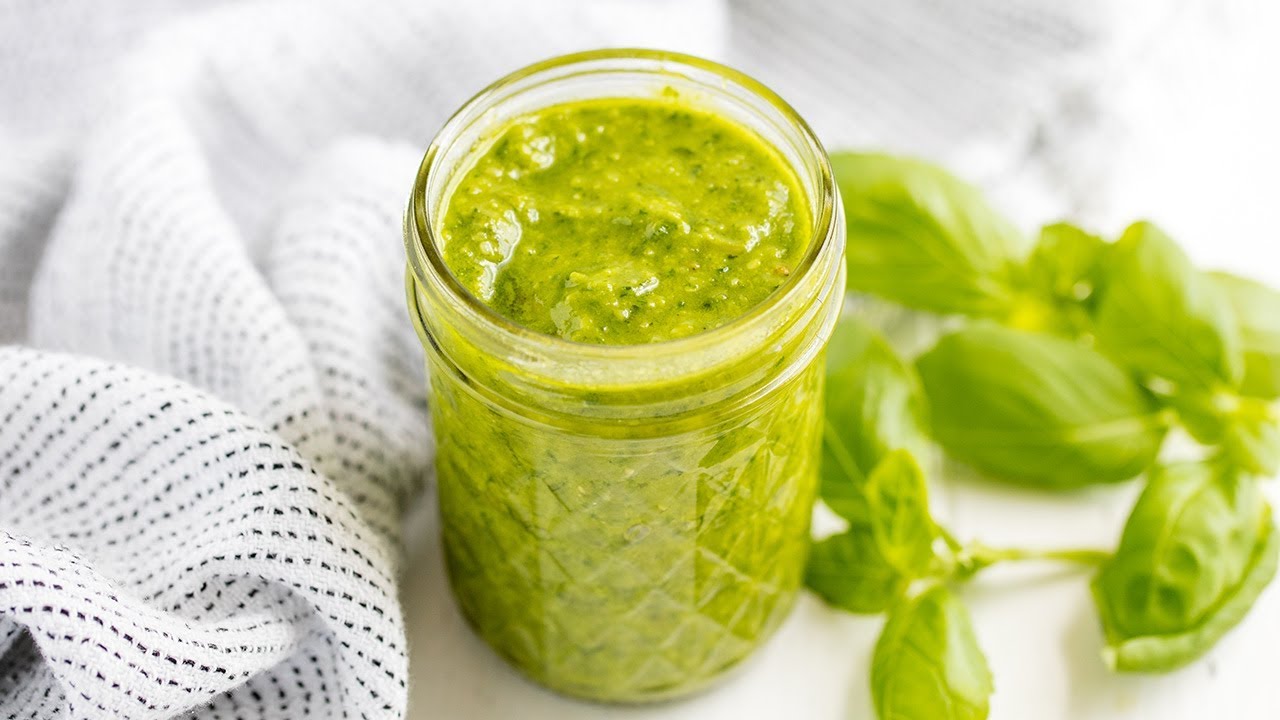
Homemade Pesto Recipe: Pesto is more than just a sauce—it’s a burst of Mediterranean flavor that can transform even the most ordinary dish into something vibrant and fresh. This Italian staple, typically made from fresh basil, pine nuts, garlic, Parmesan cheese, and olive oil, is beloved around the world. While store-bought versions can be convenient, nothing compares to the taste and aroma of homemade pesto.
The origin of pesto dates back to Genoa, a coastal city in northern Italy. The word “pesto” comes from the Italian word “pestare,” which means “to crush” or “to pound.” Traditionally, it was made using a mortar and pestle—hence the name. Over centuries, this aromatic green sauce has evolved and traveled across the globe, adapting to various ingredients and tastes.
So why go homemade? The answer is simple: freshness. Store-bought pesto often contains preservatives and lacks the vibrant green color and bold taste of a freshly made batch. Plus, when you make pesto at home, you have full control over the ingredients—whether you want to make it vegan, swap in different nuts, or add your own twist. It’s faster than you think and totally worth the few minutes it takes.
Ingredients Needed for Homemade Pesto
To make a classic homemade pesto that bursts with flavor, you’ll need a handful of high-quality, fresh ingredients. Here’s your essential grocery list for traditional Genovese-style pesto:
Basic Ingredients:
- Fresh Basil Leaves – 2 cups, tightly packed
- Pine Nuts – 1/3 cup
- Garlic Cloves – 2 medium cloves
- Parmesan Cheese – 1/2 cup, grated (use Parmigiano-Reggiano for authentic flavor)
- Extra Virgin Olive Oil – 1/2 cup
- Salt – to taste
- Lemon Juice – optional, for added brightness and to preserve color
Optional Substitutions:
- Nuts – You can substitute pine nuts with walnuts, almonds, cashews, or even sunflower seeds.
- Cheese – Pecorino Romano is another sharp cheese that can be used instead of or with Parmesan.
- Herbs – Swap some of the basil for parsley, arugula, or spinach for a slightly different flavor.
Pro Tips for Ingredients:
- Always use fresh basil leaves, not dried. The fresher the herbs, the more vibrant the pesto.
- Lightly toasting your pine nuts before blending enhances their flavor.
- Use real Parmesan, not the pre-shredded kind, for the best texture and flavor.
- A good quality olive oil is essential—avoid using the cheapest one you can find.
Buying top-notch ingredients might seem like a luxury, but it makes a world of difference. When each element shines on its own, the final blend becomes something magical.
Equipment You’ll Need
Making pesto at home doesn’t require a fancy kitchen setup, but a few tools will make the process easier and more efficient. Here’s what you’ll need:
Essential Tools:
- Food Processor or Blender – This is your main tool for blending everything together. A food processor is ideal, but a high-speed blender can also do the job.
- Measuring Cups and Spoons – For accuracy and consistency.
- Rubber Spatula – To scrape down the sides of the blender or processor.
- Toaster or Skillet – For toasting the nuts.
Traditional Method Option:
- Mortar and Pestle – If you want to go old-school and enjoy the traditional method of making pesto, this is the way to go. It takes a bit longer but offers a unique texture and experience.
Optional Items:
- Citrus Juicer – If you’re using lemon juice.
- Storage Containers – Small glass jars or airtight containers for storing your pesto.
Prep and Cleaning Tips:
- Make sure all tools and surfaces are clean and dry before starting.
- If using a blender, pulse instead of blending continuously to avoid overheating the pesto, which can alter the color and flavor.
- Clean your food processor or blender immediately after use—pesto can stick and stain if left too long.
Being well-prepared with the right tools makes the process smooth and enjoyable, so take a minute to gather everything before diving in.
Step-by-Step Instructions to Make Pesto
Let’s get into the nitty-gritty—this is the fun part! Making pesto is a quick and rewarding process. Follow these steps to whip up a batch of fresh, flavorful homemade pesto:
Step 1: Prepare the Ingredients
Start by rinsing the basil leaves under cold water. Pat them dry thoroughly with a paper towel or spin them in a salad spinner. Any excess water can dilute the sauce and affect the consistency. Peel the garlic cloves, and if you’re using Parmesan cheese in block form, go ahead and grate it now.
Step 2: Toast the Pine Nuts
Heat a small skillet over medium heat. Add the pine nuts and stir frequently for about 2-3 minutes until they’re golden and fragrant. Be careful—they can burn quickly! Once toasted, set them aside to cool for a few minutes.
Step 3: Combine in the Food Processor
Add the basil, cooled pine nuts, garlic, and Parmesan to your food processor. Pulse several times to begin breaking everything down. Scrape the sides of the bowl as needed.
Step 4: Add Olive Oil Slowly
While the processor is running, slowly drizzle in the olive oil. This helps emulsify the pesto and creates that rich, silky texture. Taste the pesto and season with salt to your preference. If you’d like to brighten it up, add a teaspoon of lemon juice.
Step 5: Adjust to Your Preference
You can tweak the pesto’s thickness by adding more olive oil or a spoonful of water. For a chunkier version, pulse less. If you prefer it smoother, blend a little longer. The great part? It’s totally customizable!
Once done, transfer your pesto to a clean jar or bowl. If you’re not using it right away, we’ll talk about how to store it properly next.
Storing and Preserving Pesto
So, you’ve just made a beautiful batch of fresh pesto—now what? Proper storage is key to maintaining that vibrant color and intense flavor for as long as possible. Fortunately, pesto stores quite well if you follow a few simple guidelines.
Short-Term Storage (Refrigerator)
If you plan to use your pesto within the next 5–7 days, the fridge is your best bet.
- Use an airtight container – Glass jars or small food-safe containers work great.
- Add a thin layer of olive oil on top before sealing the container. This minimizes oxidation and keeps the pesto green.
- Avoid constant exposure to air – Every time you open the container, make sure to reseal it tightly.
This method helps preserve both the taste and appearance. If you find the top layer turning brownish after a few days, it’s just the basil oxidizing—not a sign that it’s gone bad.
Long-Term Storage (Freezer)
Want to make a large batch and save some for later? Freezing pesto is the way to go.
- Use ice cube trays to freeze small portions. Once frozen, pop them out and store in a freezer-safe zip-top bag.
- You can also store pesto in small containers and freeze them in usable portions.
- Before using frozen pesto, thaw it in the refrigerator overnight or for a few hours at room temperature.
Tips to Maintain Freshness
- Don’t add cheese before freezing – Parmesan can alter in texture after being frozen. Add it fresh after thawing for better results.
- Avoid reheating pesto – Heat can dull the vibrant flavor. Instead, mix it into warm pasta or spread it on hot toast.
By storing your pesto properly, you can enjoy the fruits of your labor for weeks or even months. Whether it’s a last-minute pasta dinner or a flavor-packed sandwich, your homemade pesto will always be ready to shine.
Creative Variations of Pesto
The beauty of pesto lies in its versatility. While the classic Genovese pesto is a favorite, you can experiment with different ingredients to suit your taste or dietary needs. Here are some mouth-watering variations to try:
Nut Substitutes
- Walnut Pesto – Offers a slightly bitter and earthy flavor.
- Almond Pesto – Lighter and a bit sweeter than traditional pine nuts.
- Sunflower Seed Pesto – Perfect for nut-free households.
Leafy Green Alternatives
- Spinach or Kale Pesto – Great way to sneak in extra nutrients.
- Arugula Pesto – Brings a peppery kick.
- Cilantro or Parsley Pesto – For a fresh and herbaceous twist.
Cheese-Free and Vegan Options
- Replace Parmesan with nutritional yeast for a cheesy flavor without dairy.
- Omit cheese entirely and enhance the flavor with a splash of lemon juice and more nuts.
Flavor Enhancers
- Roasted red peppers or sun-dried tomatoes for a Mediterranean punch.
- Chili flakes for some heat.
- Lemon zest for a burst of citrus brightness.
These variations keep things exciting in the kitchen. Use your creativity, and you might just discover your own signature pesto recipe!
Ways to Use Pesto
Now that you’ve made this green gold, how should you use it? The possibilities are endless. Pesto isn’t just for pasta—it’s an all-purpose condiment that brings flavor to just about anything.
Classic Uses
- Pasta – Toss it with spaghetti, penne, or gnocchi. Add a bit of pasta water to create a silky sauce.
- Pizza – Use pesto instead of tomato sauce for a fresh, herbaceous flavor.
- Sandwiches – Spread it on bread for a gourmet upgrade.
Creative Applications
- Salad Dressing – Mix pesto with olive oil and vinegar for a zesty vinaigrette.
- Marinade – Coat chicken, fish, or tofu before grilling.
- Eggs – Drizzle over scrambled eggs or omelets.
Snack Ideas
- Dip for veggies or crackers
- Pesto bruschetta on toasted baguette slices
- Stirred into soups for extra flavor
Once you see how versatile pesto is, you’ll start using it everywhere. It’s that little flavor bomb that can lift any dish from ordinary to wow.
Troubleshooting Common Pesto Problems
Sometimes, even the simplest recipes can go a bit sideways. Don’t worry—we’ve got solutions for the most common pesto-making problems.
Problem 1: Pesto Turns Brown
This happens due to oxidation when basil is exposed to air.
Solution: Add a splash of lemon juice and store with a layer of olive oil on top. Also, blend in short bursts to avoid heating the ingredients.
Problem 2: Bitter Taste
This can come from over-blended basil or using low-quality olive oil.
Solution: Use a high-quality extra virgin olive oil and avoid over-blending. Also, balance with more cheese or a bit of lemon juice.
Problem 3: Too Thick or Too Thin
If your pesto feels more like a paste or too watery…
Solution for Thick Pesto: Add a bit more olive oil or water (or pasta cooking water if using in pasta).
Solution for Thin Pesto: Add more basil, cheese, or nuts to thicken it up.
Problem 4: Too Garlicky or Salty
Garlic and cheese can easily overpower the delicate basil flavor.
Solution: Start with smaller amounts and adjust to taste. Remember, you can always add more—but you can’t take it out!
Troubleshooting like a pro means you’ll consistently make pesto that’s restaurant-quality (if not better) every time.
Nutritional Benefits of Pesto
Aside from being delicious, pesto offers a variety of health benefits, especially when made with fresh, whole ingredients. It’s rich in nutrients, healthy fats, and antioxidants, making it a flavorful and nutritious addition to your diet.
Healthy Fats for Heart Health
Pesto is rich in monounsaturated fats, primarily from olive oil and nuts. These healthy fats are known to:
- Lower bad cholesterol (LDL)
- Raise good cholesterol (HDL)
- Support brain function
- Reduce inflammation
Including healthy fats in your diet can help you feel full longer and support overall cardiovascular health.
Packed with Antioxidants
Fresh basil, garlic, and olive oil all contain antioxidants that help combat free radicals in the body. These compounds may help:
- Slow down the aging process
- Boost your immune system
- Reduce the risk of chronic diseases like cancer and heart disease
A Good Source of Vitamins and Minerals
Pesto contains:
- Vitamin K (from basil) – essential for blood clotting and bone health
- Vitamin E (from olive oil) – supports skin and immune health
- Magnesium, calcium, and phosphorus (from nuts and cheese)
These nutrients play vital roles in maintaining healthy bones, muscles, and cellular functions.
Gluten-Free and Low-Carb
Pesto is naturally gluten-free and low in carbohydrates, making it a perfect sauce option for those following keto, paleo, or gluten-free diets.
Just remember, pesto is calorie-dense due to the oil and nuts, so moderation is key if you’re watching your calorie intake. But overall, it’s a smart and tasty way to pack more nutrition into your meals.
Pesto for Special Diets
One of the best things about homemade pesto is how easily it can be adapted to fit various dietary needs. Whether you’re vegan, dairy-free, or nut-free, there’s a pesto version just for you.
Vegan Pesto
Skip the cheese and use nutritional yeast to get that cheesy flavor without the dairy. Add a little more salt or lemon juice to balance the flavor.
Ingredients:
- Fresh basil
- Garlic
- Olive oil
- Walnuts or sunflower seeds
- Nutritional yeast
- Salt and lemon juice
Nut-Free Pesto
If you have nut allergies, you can substitute seeds like sunflower or pumpkin seeds. They add richness without triggering allergies.
Tip: Toast the seeds slightly to enhance their flavor before blending.
Low-FODMAP or Garlic-Free
Garlic can be problematic for people with IBS or sensitive digestion. Try using garlic-infused olive oil instead of raw garlic. It provides the flavor without the digestive side effects.
Low-Calorie or Light Pesto
Reduce the oil content slightly and use more fresh greens like spinach or arugula to bulk it up. It still tastes delicious and is lighter on calories.
Whatever your dietary preference, homemade pesto can be tailored to suit your health goals and restrictions. Just another reason why it’s so amazing to make your own!
Pairing Pesto with Meals
Wondering what meals go best with pesto? This green gem is one of the most adaptable condiments in the culinary world. From quick dinners to gourmet meals, pesto pairs well with a variety of ingredients.
Main Courses
- Pasta Dishes – Toss pesto with pasta and roasted veggies for an easy weeknight dinner.
- Grilled Chicken or Fish – Use as a marinade or finishing sauce.
- Pesto Pizza – Spread pesto instead of tomato sauce and top with mozzarella and cherry tomatoes.
Appetizers & Sides
- Pesto Crostini – Toasted baguette slices topped with pesto and cheese.
- Stuffed Mushrooms – Fill with a pesto and breadcrumb mix.
- Pesto Potato Salad – A creamy, herby twist on a picnic classic.
Vegetarian & Vegan Meals
- Zoodles (Zucchini Noodles) with pesto – Light and satisfying.
- Pesto Tofu Bowl – Combine grilled tofu, rice, and veggies with a generous dollop of pesto.
- Chickpea Pesto Salad – Protein-packed and full of flavor.
Pesto plays nice with almost everything—it’s like that friend who gets along with everyone at the party. Just a spoonful can bring life to your favorite dishes.
How to Make Pesto a Meal Prep Staple
Meal prep doesn’t have to be boring. Adding homemade pesto into your weekly rotation can elevate your meals while saving you time and effort.
Batch Cooking
Make a double or triple batch of pesto and freeze in portion-sized containers. You’ll have it ready for:
- Quick pasta dinners
- Grain bowls
- Sandwich spreads
- Emergency “what-do-I-make” nights
Weekly Menu Planning
Use pesto as the anchor ingredient for your week:
- Monday: Pesto pasta
- Tuesday: Pesto chicken wraps
- Wednesday: Grilled veggies with pesto dip
- Thursday: Quinoa salad with pesto
- Friday: Pesto flatbread pizza
Lunchbox Hero
Add pesto to:
- Sandwiches
- Rice bowls
- Salad dressings
- Crackers and veggie dippers
When you have a jar of pesto in the fridge, it’s like a secret weapon for delicious meals in minutes.
Sustainability and Homemade Pesto
Making your own pesto isn’t just good for your taste buds—it’s also better for the planet.
Reduce Packaging Waste
Store-bought pesto usually comes in plastic containers or glass jars with labels and seals. Making it at home lets you:
- Store in reusable containers
- Reduce packaging and single-use plastics
- Cut down on food waste by using up greens and herbs
Grow Your Own Basil
Why not grow your own basil plant? It’s easy to do, even in a kitchen window box. Freshly picked basil has unbeatable flavor and zero transportation footprint.
Support Local and Organic
Buying ingredients like garlic, basil, and olive oil from local farmers’ markets supports sustainable agriculture and reduces carbon emissions associated with long-distance transport.
Homemade pesto is a small but powerful step toward a greener kitchen.
FAQs about Pesto Recipe
1. How long does homemade pesto last in the fridge?
Homemade pesto typically lasts about 5 to 7 days in the refrigerator if stored in an airtight container with a layer of olive oil on top to prevent browning.
2. Can I freeze pesto with cheese in it?
Yes, you can, but it’s better to freeze it without cheese. Add freshly grated cheese after thawing for the best flavor and texture.
3. Why did my pesto turn dark or brown?
Oxidation is the cause. To prevent this, add lemon juice and store it with a layer of olive oil. Also, avoid overheating during blending.
4. Is pesto healthy for weight loss?
Pesto is nutrient-rich and can be part of a healthy diet, but it’s high in calories due to oil and nuts. Use in moderation if you’re watching your weight.
5. What can I use instead of basil in pesto?
You can use spinach, kale, arugula, parsley, or even cilantro for a different flavor twist while keeping the same creamy texture.
Conclusion
Homemade pesto is one of those kitchen staples that’s so simple yet so transformative. With just a few fresh ingredients and a blender, you can create a sauce that’s bursting with flavor, incredibly versatile, and loaded with nutritional goodness. Whether you’re tossing it with pasta, spreading it on sandwiches, or using it as a dip, pesto never fails to impress.
The beauty of making it yourself is the freedom to customize—whether you’re going vegan, nut-free, or just playing with flavors. And let’s not forget the cost savings and eco-friendly perks. Next time you’re at the grocery store, grab some fresh basil and give it a try—you’ll never want to buy store-bought again.